
Is your toilet clogged again? It’s a frustrating problem, and you’re probably looking for a quick fix.
You might be wondering, “Can I just pour some Drano down there? ” It seems like a simple solution, right? But before you reach for that bottle, it’s crucial to understand what Drano can and can’t do for your toilet.
Using the wrong product in your plumbing can actually cause more damage and create bigger headaches. We’re going to break down exactly what you need to know to avoid a plumbing disaster and get your toilet flowing freely again. Keep reading to find out if Drano is the right answer for your clogged toilet.

Credit: www.pippinbrothers.com
Drano And Toilets: A Risky Mix
Drano and toilets. They do not mix well. Many people think Drano is a quick fix. It often causes more problems. This can damage your plumbing. It is a risky combination.
Drano contains harsh chemicals. These chemicals eat pipes. They can corrode metal. They can also damage plastic. Your toilet pipes are vulnerable. Drano can weaken them. This leads to leaks. It can cause costly repairs.
Toilet bowls are porcelain. Drano can stain porcelain. It can leave ugly marks. These stains are hard to remove. The chemicals can also etch the surface. This makes future cleaning harder. It is not good for the finish.
The toilet tank holds water. Drano can contaminate this water. This water goes into your pipes. It can reach other fixtures. It is not safe for your home. The chemicals can spread. They can damage more plumbing.
Drano creates fumes. These fumes are toxic. They are dangerous to breathe. They can fill your bathroom. This is bad for your health. Open windows are not enough. The fumes linger. They are a serious hazard.
Water and Drano create heat. This reaction is dangerous. It can cause pipes to burst. A burst pipe is a disaster. Water damage is extensive. Repairs are very expensive. It is a huge mess.
How Drano Works (and Why It Fails In Toilets)
Drano is a popular drain cleaner. Many people reach for it first. But does it work on toilets? Understanding how Drano works is key. This knowledge explains why it often fails in your toilet bowl.
Drano uses powerful chemicals. These chemicals break down clogs. They target hair and grease. They can dissolve organic matter. This works well in sinks and showers. Toilets present different challenges. The design is not the same. The water volume is also different.
Chemical Reactions
Drano uses caustics. These are strong alkaline chemicals. They generate heat. This heat helps break down blockages. They react with water. This reaction creates a lot of energy. It can melt some types of debris. But it struggles with solid obstructions. Toilet clogs are often solid. Think of wads of toilet paper. Or foreign objects. Drano’s chemical power is limited here.
Pipe Material Concerns
Toilet pipes are usually PVC. They can also be cast iron. Drano can damage PVC pipes. It can weaken them over time. This causes leaks. Cast iron pipes are more robust. But repeated Drano use is still risky. Some older toilets have porcelain. Drano is generally safe for porcelain. But the pipes are the real concern. Damaged pipes mean bigger problems. Repairing pipes is expensive.
Water Volume Issues
Toilets hold a lot of water. Drano needs to sit on the clog. It needs contact time to work. The large water volume dilutes Drano. It washes the cleaner away quickly. This reduces its effectiveness. Sink drains have less water. The clog is closer to the drain opening. Drano can reach it there. In a toilet, the clog is deep. The water pushes the Drano away. It just sits in the bowl.
The Dangers Of Using Drano In Your Toilet
Using Drano in your toilet seems like a quick fix. It promises to clear clogs fast. But this powerful chemical comes with serious risks. Ignoring these dangers can lead to costly repairs. It can also harm your health. Understand the downsides before you pour it down.
Damage To Pipes And Fixtures
Drano is harsh. It eats away at metal. Older pipes are especially vulnerable. They can corrode and weaken. This leads to leaks. It can also damage toilet seals. Plastic pipes might also suffer. The chemicals can make them brittle. This is not good for your plumbing.
Harm To Septic Systems
Do you have a septic tank? Drano is a septic system killer. It destroys the beneficial bacteria. These bacteria are essential. They break down waste naturally. Without them, your system fails. This causes backups. It creates foul odors. Septic system repair is very expensive.
Chemical Burns And Fumes
Drano contains strong chemicals. They can cause chemical burns. Skin contact is dangerous. Eye contact is even worse. The fumes are also toxic. Inhaling them can cause respiratory issues. You might experience coughing. Your throat could feel sore. Proper ventilation is crucial. But even then, risks remain.
Masking Underlying Problems
A clogged toilet has a cause. Drano offers a temporary solution. It might clear the immediate clog. But it does not fix the root issue. The problem will likely return. You might need a plumber. A professional can find the real cause. They can offer a lasting repair. Drano just hides the symptom.

Credit: drano.com
When Drano Is Absolutely Not An Option
Using Drano in a toilet is a bad idea. It can damage your pipes. Try a plunger or a toilet auger instead. These are safer for your plumbing.
When Drano is Absolutely Not an Option Some clogs are too tough for Drano. Drano can make things worse. It can damage your pipes. It can harm your toilet. Know when to stop.Chemical Reactions And Pipe Damage
Drano uses strong chemicals. These chemicals eat away metal. They can corrode your pipes. Old pipes are very vulnerable. They can leak or burst. This creates a bigger problem.Toilet Bowl Stains And Damage
Drano can stain your toilet bowl. It can damage the porcelain finish. The chemicals are harsh. They are not meant for toilets. Use caution always.Septic System Nightmares
Drano is bad for septic systems. It kills beneficial bacteria. These bacteria help break down waste. A damaged septic system is costly. Avoid Drano with septic tanks.When To Call A Professional
A stubborn clog needs a plumber. They have the right tools. They know how to fix it. Do not risk more damage. Call a professional plumber.Safer Ways To Clear A Clogged Toilet
Drano is not safe for toilets. It can damage pipes and septic systems. Explore safer methods for clearing clogs. Try a plunger or a toilet auger instead. These tools are effective and gentle.
When your toilet clogs, it causes stress. You might reach for Drano. But is it safe for your toilet? Many drain cleaners can damage pipes. They can also harm your septic system. Fortunately, safer methods exist. These methods work well. They protect your plumbing.The Plunger Method
Get a flange plunger. It has a smaller cup. Insert it into the toilet bowl. Ensure a good seal. Push down firmly. Pull up sharply. Repeat this action. You are creating pressure. This loosens the clog. Keep plunging. Patience is key. The clog should move.The Dish Soap Trick
Pour a generous amount of dish soap. Use about half a cup. Let it sit for a while. The soap lubricates the pipe. It helps the clog slide. This trick works for minor clogs. It is a gentle approach.The Hot Water And Dish Soap Approach
Heat some water. Do not use boiling water. Boiling water can crack porcelain. Pour about a gallon of hot water. Add dish soap to the bowl. Let it sit for 20 minutes. The hot water softens the clog. The soap helps it move.The Baking Soda And Vinegar Solution
Pour one cup of baking soda. Add it to the toilet bowl. Slowly pour two cups of vinegar. You will see fizzing. This reaction breaks down clogs. Let it work for 30 minutes. Then flush the toilet.The Toilet Auger (closet Auger)
This tool is a toilet snake. It has a protective sleeve. Insert the auger end into the drain. Turn the handle. This advances the cable. It breaks up or hooks the clog. Pull it back gently. This removes the obstruction. It is very effective.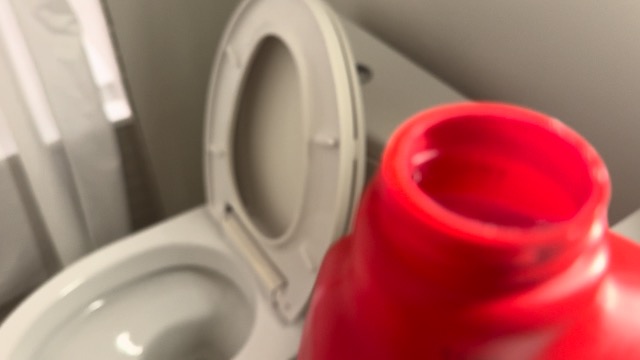
Credit: www.amazon.com
When To Call A Professional Plumber
Sometimes, DIY drain cleaners are not enough. Calling a plumber is smart. They have the right tools. They know what to do. You can save time and money. Avoid bigger problems.
When Drano Fails Miserably
Drano did not work. The toilet is still clogged. This is a clear sign. Your clog is severe. A professional is needed now. Do not try Drano again. It might make things worse.
Persistent Clogs Signal Trouble
The toilet backs up repeatedly. You flush it. It fills up again. This is not normal. A persistent clog means a blockage. This blockage is deep. Plumbers have special augers. These tools reach deep clogs.
Strange Gurgling Sounds
Your pipes make weird noises. You hear gurgling sounds. This means air trapped. Air is pushed by water. It is a bad sign. This indicates a serious issue. Plumbers can find the cause. They fix the air problem.
Multiple Fixtures Affected
More than one drain is slow. Toilets and sinks are clogged. This points to a main line issue. The problem is not just one toilet. It is in the main sewer line. This needs expert attention. Plumbers can diagnose this. They clear the main line.
Unpleasant Odors Persist
A bad smell comes from drains. This smell is sewage related. It means a blockage is near. Or maybe a vent pipe issue. These are plumbing problems. Plumbers can locate the source. They eliminate the bad smell.
Frequently Asked Questions
Can Drano Clog My Toilet?
Drano can indeed clog your toilet. Its chemicals can harden. This creates a worse blockage.
Is Drano Safe For Toilets?
Drano is not designed for toilets. It can damage porcelain. It may harm internal pipes too.
What Happens If Drano Is Used In Toilet?
Using Drano in a toilet is risky. It might not clear the clog. It could make the problem worse.
Can Drano Damage My Toilet Pipes?
Yes, Drano can damage pipes. It can corrode metal pipes. It can weaken plastic pipes over time.
What Should I Use Instead Of Drano?
A plunger is a good first step. A toilet auger also works well. These are safer for your toilet.
How Often Can I Use Drano?
You should not use Drano in toilets. It is not meant for this use. Stick to plungers or augers.
Will Drano Cause A Mess In Toilet?
Drano can cause a mess. It might overflow the bowl. This creates a bad situation.
Conclusion
Drano is often not the best choice. It can damage your toilet pipes. Harsh chemicals are risky. They might not even work well. A plunger is usually safer. A toilet auger offers better results. Consider these alternatives first. Protect your plumbing system.
Avoid potential costly repairs. Simple tools often solve the problem.