
Is your toilet tank making that tell-tale trickle sound, even when no one’s flushed? You’re not alone.
That slow, steady drip can be incredibly annoying, and it’s often a sign of a hidden problem. Don’t let that phantom flush drive you crazy (or waste precious water!). We’re going to break down exactly why your toilet tank is slowly losing water and, more importantly, how you can fix it yourself.
Keep reading to discover the common culprits and get your toilet back to its quiet, efficient self.
The Silent Drip
The silent drip. It’s a subtle problem. Your toilet tank slowly loses water. You might not even notice it at first. This quiet leak wastes water. It can also cost you money. Let’s explore why this happens.
The Flapper Seal Problem
The flapper is key. It seals the tank. Water stays inside the tank. A worn-out flapper fails. It cannot create a good seal. Water then seeps into the bowl. This is a common cause. Check your flapper regularly. It is a simple fix.
The Fill Valve Issue
The fill valve controls water. It refills the tank. It stops water when full. A faulty fill valve leaks. Water keeps flowing. It goes down the overflow tube. This constant flow drains the tank. The fill valve needs replacement. This stops the slow drain.
The Overflow Tube Leak
The overflow tube is a safety feature. It prevents tank flooding. Water goes down it. This happens if the fill valve fails. A crack in the tube can leak. This leak is usually small. It still drains the tank slowly. Inspect the overflow tube carefully. Any damage needs repair.
The Chain Length Matters
The flapper chain connects. It links to the flush handle. The chain must have slack. Too little slack prevents sealing. The flapper stays slightly open. Water drips past it. Adjust the chain length. Ensure some play. This helps the flapper seal.
The Tank Screw Gasket
Bolts hold the tank. They attach to the bowl. Rubber gaskets seal these bolts. These gaskets can degrade. They crack or become brittle. Water then leaks through them. This leak goes into the bowl. It is a slow, steady drip. Replace old gaskets. This seals the connection.

Credit: 584hero.com
The Flapper’s Fault
A slow leak from your toilet tank is common. This quiet problem, “The Flapper’s Fault,” wastes water. Fixing it saves money and water.
The flapper is a common culprit. This rubber seal controls water flow. It sits at the bottom of your tank. A worn flapper lets water escape silently. This causes that slow leak you notice.Signs Of A Worn Flapper
Your toilet might flush on its own. This is a tell-tale sign. You hear a faint hissing sound. Water trickles into the bowl. The tank level drops over time. These are clear indicators.Testing The Flapper Seal
Testing is simple. Remove the tank lid carefully. Add a few drops of food coloring. Wait about 15 minutes. Do not flush the toilet. Check the toilet bowl. Is colored water there? If yes, your flapper leaks.Flapper Replacement Steps
Replacement is an easy DIY task. Turn off the water supply. It is located behind the toilet. Flush the toilet once. This empties the tank. Disconnect the old flapper chain. Lift the old flapper off. Attach the new flapper. Connect its chain. Turn the water back on. Test the flush. You fixed the leak.The Chain Reaction
The toilet tank chain is a simple part. It connects the flush lever to the flapper. This chain controls the flush. A loose or too-long chain causes problems. It starts a chain reaction. This reaction leads to water loss.
Chain Length Matters
Your toilet tank chain has a specific length. It needs to be just right. Too long a chain is a common issue. It does not lift the flapper fully. The flapper then reseats too soon. This lets water escape the tank. A small amount of water leaks out. This happens constantly. The tank never fills completely. Your toilet loses water slowly.
Adjusting The Chain
Fixing this is usually simple. Look at your toilet chain. See where it attaches. There are small clips or hooks. You can move the chain. Make it a little shorter. Test the flush. Does the flapper lift higher? Does it stay up longer? You want a good seal. The chain should not bind. It should allow full flapper lift. A slight adjustment often solves it. This stops the slow water loss.
The Fill Valve’s Folly
The fill valve plays a crucial role. It controls water entering the tank. A faulty fill valve causes slow leaks. This is a common problem. It often goes unnoticed. This section explores fill valve issues.
Identifying A Leaking Fill Valve
Your toilet tank loses water. The fill valve might be the culprit. Look for a constant trickle. Water may run down the overflow tube. This is a sure sign. The fill valve seal is worn. It is not closing properly. You can also test this. Close the flapper. Listen for running water. If you hear it, the fill valve leaks.
Adjusting The Water Level
Sometimes, the water level is too high. This can cause leaks. The fill valve has an adjustment screw. Turn it to lower the water. Aim for about an inch below the overflow tube. This prevents constant water loss. Check your fill valve model. Instructions vary. Consult your toilet’s manual. A simple adjustment can help.
When To Replace The Fill Valve
Leaks persist after adjustment. The fill valve is likely damaged. Seals may be brittle. The valve may be cracked. Replacement is then necessary. New fill valves are inexpensive. They are easy to install. You can find them at hardware stores. Replacing it stops the slow leak. Your toilet will work better. Save water and money. It is a worthwhile repair.
The Overflow Tube’s Trickle
Your toilet tank losing water slowly? The overflow tube’s trickle might be the culprit. This small leak lets water escape, causing the tank to refill often. Check this part for a simple fix.
A slow water loss from your toilet tank can be baffling. Often, the culprit is a subtle issue. We’re looking at the overflow tube. This part plays a key role. It guards against tank overfilling. But sometimes, it causes a silent leak.What The Overflow Tube Does
The overflow tube stands tall. It is inside the tank. Its main job is safety. It prevents water from going too high. If the water level rises too much, it spills into this tube. The tube directs water into the toilet bowl. This keeps the tank from overflowing. It is a simple, effective design.When Water Enters The Overflow Tube
Normally, water stays below the tube. The fill valve stops the water. It stops when the level is right. Sometimes, the fill valve fails. It keeps filling the tank. Water then goes over the tube’s edge. It trickles down. This constant flow into the bowl is a leak. You might not see it. It is a slow drain. This is why your tank loses water.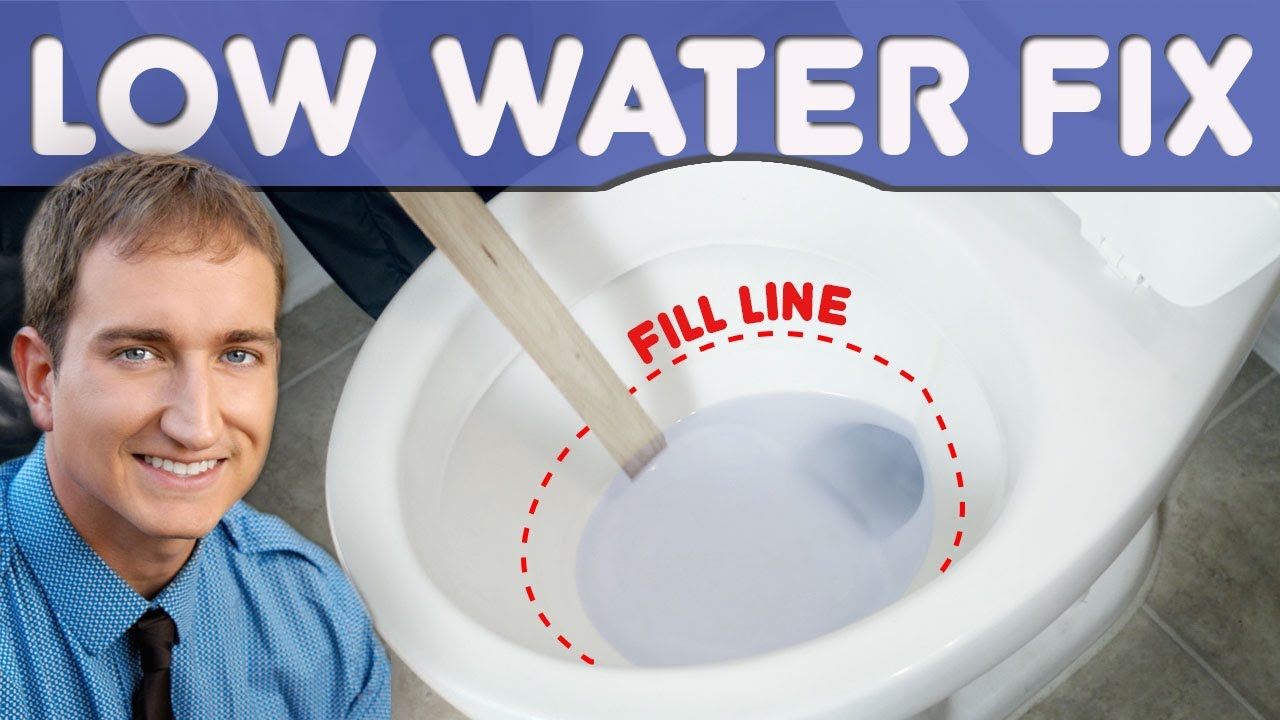
Credit: www.youtube.com
Beyond The Basics: Less Common Causes
Sometimes, a slow toilet leak hides deeper. We’ve covered common culprits. Now, let’s explore less obvious reasons. These issues might surprise you. They require a closer look.
Cracked Tank
Your toilet tank can crack. This is a serious problem. Even a tiny crack leaks water. You might not see it easily. Look for hairline fractures. These can form over time. A dropped tool can cause it. Age also plays a role. A cracked tank needs replacement. It’s not a simple repair.
Loose Connections
Connections can loosen. Check the fill valve connection. Ensure it is snug. Inspect the flapper chain. Is it too tight? Is it too loose? A faulty seal can also cause leaks. The tank-to-bowl seal is key. Look for water around the base. These small issues waste water. Tighten them gently. Sometimes, a part needs replacing.
Troubleshooting Tactics
A slow water leak in your toilet tank is common. This usually means a worn-out flapper or fill valve. Addressing these simple parts often solves the problem.
Your toilet tank might lose water slowly. This causes many problems. You can fix this yourself. Here are some easy steps. Learn how to find the leak.The Dye Test
This test finds leaks. It is very simple. Get some food coloring. Add a few drops to the tank. Do not flush the toilet. Wait about 20 minutes. Look inside the toilet bowl. Is there color in the bowl? If yes, you have a leak. The flapper is likely bad.Systematic Checks
Check your toilet parts. They can wear out over time. Look at the flapper. It seals the tank to the bowl. It might be old or damaged. Feel around the tank. Is the water level too high? The fill valve might be faulty. Check the overflow tube. Water should not go over it. These checks help find the issue.Preventative Measures
Taking steps now stops future problems. Preventative measures save you time. They also save you money. Keep your toilet running smoothly. Simple actions make a big difference.
Regular Inspections
Check your toilet tank often. Look for signs of leaks. Listen for quiet hissing sounds. Water stains are a warning. Damp spots around the base matter. These small checks prevent big issues. A quick look saves a lot of trouble.
Quality Parts
Use good parts for repairs. Cheap parts often fail quickly. They can cause new leaks. Invest in durable components. Better parts last much longer. They ensure a reliable seal. Your toilet will thank you.

Credit: www.reddit.com
Frequently Asked Questions
Why Does My Toilet Tank Lose Water Slowly?
A slow water loss usually means a faulty flapper valve. This rubber seal at the bottom of the tank wears out. It allows water to slowly leak into the bowl.
How Can I Check For A Toilet Tank Leak?
Put a few drops of food coloring in the tank. Wait 15 minutes without flushing. If color appears in the bowl, you have a leak.
What Is The Most Common Cause Of Slow Leaks?
The flapper valve is the usual suspect. It can become stiff or warped. This prevents a perfect seal.
How Do I Fix A Slow Toilet Leak?
Replace the worn-out flapper. These are inexpensive and easy to find. You can buy them at any hardware store.
Can A Leaky Fill Valve Cause This Problem?
Yes, a leaky fill valve can also cause it. Water might slowly enter the overflow tube. This keeps the tank from staying full.
Is A Slow Toilet Leak A Big Problem?
Yes, it wastes a lot of water. This increases your water bill. It can also damage your toilet over time.
How Often Should I Check For Toilet Leaks?
Check your toilet for leaks every six months. This simple check saves water and money. It also keeps your toilet working well.
Conclusion
Your toilet tank leaks. This is a common problem. You can fix it yourself. Check the flapper first. Then examine the fill valve. These parts often fail. Simple repairs save water. They also save money. Don’t let a slow leak continue.
Take action today. Your plumbing will thank you.