
Is your pool pump losing prime every time you turn it off? This frustrating problem can stop your pump from working properly and affect your whole pool system.
If you want to keep your pool clean and your pump running smoothly, understanding why this happens is key. You’ll discover the simple reasons behind losing prime and easy steps you can take to fix it fast. Keep reading to make sure your pool pump stays reliable and your swimming season stays stress-free.
Why Pool Pumps Lose Prime
Pool pumps need to keep water moving to work well. Losing prime means the pump loses the water it needs to start running. This problem stops the pump from moving water through the pool system. Understanding why pumps lose prime helps keep pools clean and safe.
Common Causes
Air leaks are a top reason pumps lose prime. Air can enter through loose fittings or cracks. Dry or worn pump seals also let air in. Clogged or dirty pump baskets slow water flow and cause issues. Water levels that are too low may expose the pump to air. Sometimes, pipes with cracks or gaps let air into the system. All these factors can break the water seal inside the pump.
Impact On Pump Performance
When a pump loses prime, it cannot push water properly. The pump might make loud noises or run dry. This causes the motor to overheat and wear out fast. Water circulation slows down, reducing pool cleanliness. Chemicals do not spread evenly without good water flow. Over time, ignoring prime loss can lead to costly repairs or pump failure.
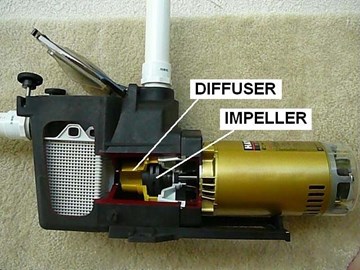
Credit: www.inyopools.com
Signs Of A Lost Prime
Knowing the signs of a lost prime helps keep your pool pump working well. A pump loses prime when air blocks water flow. This stops the pump from circulating water correctly. Catching the signs early can save your pump from damage and your pool from problems.
No Water Flow
One clear sign is no water flow from the pump. You may notice water stops moving through the pool system. The pump runs, but water does not come out. This means the pump is not drawing water in properly. Check the water level and the pump basket for blockages.
Pump Noise Changes
The sound of the pump changes when it loses prime. You might hear a loud, high-pitched noise or a strange rattling. This noise happens because air is inside the pump instead of water. The pump works harder and sounds different than usual. Unusual noises need a quick check to avoid damage.
Quick Fixes To Restore Prime
Pool pumps losing prime after being turned off is a common issue. Quick fixes can help restore the prime fast. These steps do not need special tools and can save you time and money.
Follow these simple checks and actions to get your pump working properly again. Regular maintenance avoids bigger problems later. Start with easy checks and then move to repriming if needed.
Check For Air Leaks
Air leaks cause the pump to lose prime quickly. Look at all pipes and fittings connected to the pump. Tighten any loose connections you find. Replace cracked or damaged pipes to stop air entry. Even a small air leak can break the water flow inside the pump.
Inspect The Pump Lid And Seal
Remove the pump lid and check the seal. Dirt or cracks can let air inside. Clean the lid and seal thoroughly. Replace the seal if it looks worn out or cracked. Make sure the lid fits tightly back on the pump. A proper seal keeps the pump primed and water flowing.
Repriming Steps
Turn off the pump before starting. Open the pump lid and fill the pump basket with water. Close the lid tightly. Turn the pump on and watch for steady water flow. If the pump still loses prime, repeat filling the basket. This process pushes air out and refills the pump with water.

Credit: www.youtube.com
Preventing Future Prime Loss
Preventing your pool pump from losing prime is key to keeping it running smoothly. Prime loss stops water flow, causing the pump to overheat or fail. Taking steps to prevent it saves time and money. Simple habits and proper setup help your pump keep its prime longer.
Regular Maintenance Tips
Check the pump basket and skimmer for debris often. Dirt blocks water flow and can cause the pump to lose prime. Clean the basket weekly during heavy use. Inspect the pump lid gasket for cracks or wear. Replace it if needed to keep a tight seal.
Look for air leaks around the pump and pipes. Air entering the system breaks the water seal. Tighten fittings and use plumber’s tape on threaded parts. Run the pump regularly to avoid stagnant water and keep seals moist.
Proper Pump Installation
Install the pump below the water level of the pool. This helps water flow naturally into the pump. Avoid placing the pump above the pool water line. Use the right size pipes to reduce air pockets. Ensure all joints are secure and leak-free.
Check that the pump strainer pot is full of water before turning on the pump. This primes the pump and prevents air from entering the system. Use clear lids on the strainer pot to watch for bubbles. Proper installation reduces prime loss risks significantly.
When To Call A Professional
Knowing when to call a professional for a pool pump losing prime is important. Some problems need expert skills and tools. Trying to fix these issues alone can cause more damage or waste time.
Calling a professional saves effort and ensures the pump works properly. Experts find the root cause and fix it safely. They also check other parts to prevent future problems.
Persistent Issues
When your pool pump keeps losing prime after several attempts to fix it, call a professional. Persistent problems can mean hidden leaks or blockages. A pro can detect these issues quickly with special equipment. They also know how to repair or replace faulty parts correctly.
Complex Repairs
Some pump problems need complex repairs beyond basic maintenance. Issues with the impeller, seals, or motor require expert knowledge. Professionals have experience handling these delicate tasks. They ensure the repair lasts longer and the pump runs smoothly. Avoid trying complex fixes yourself to prevent bigger damage.

Credit: www.reddit.com
Frequently Asked Questions
Why Does My Pool Pump Lose Prime When Turned Off?
Air enters the pump, breaking the water seal and causing it to lose prime.
How Can I Stop My Pool Pump From Losing Prime?
Check for leaks, tighten fittings, and ensure the pump basket is sealed well.
What Causes Air To Get Into The Pool Pump?
Cracked pipes, loose fittings, or a faulty pump lid allow air inside.
Can A Bad Pump Seal Cause Loss Of Prime?
Yes, a worn or damaged seal can let air leak in and break prime.
Is A Clogged Pump Basket Linked To Losing Prime?
A clogged basket can reduce water flow but usually does not cause loss of prime.
How Often Should I Check My Pool Pump For Leaks?
Inspect your pump and fittings every month to catch leaks early and maintain prime.
Conclusion
A pool pump losing prime can cause many problems. Fixing leaks and keeping the pump clean helps a lot. Check the water level before turning the pump on. Air inside the pump stops it from working well. Regular care keeps your pool pump running smoothly.
Don’t wait for bigger issues to appear. Small steps now save time and money later. Keep your pool water clear and inviting all season long.