
Have you ever noticed a strange sewer smell creeping into your home during the winter months? It’s unsettling and can make your living space feel uncomfortable and unwelcoming.
You might wonder why this happens only when it’s cold outside and what you can do to stop it. Understanding the reasons behind this annoying odor is the first step to fixing the problem and keeping your home fresh all winter long.
Keep reading to find out why your house smells like a sewer in the winter and how you can protect your home from this unpleasant issue.
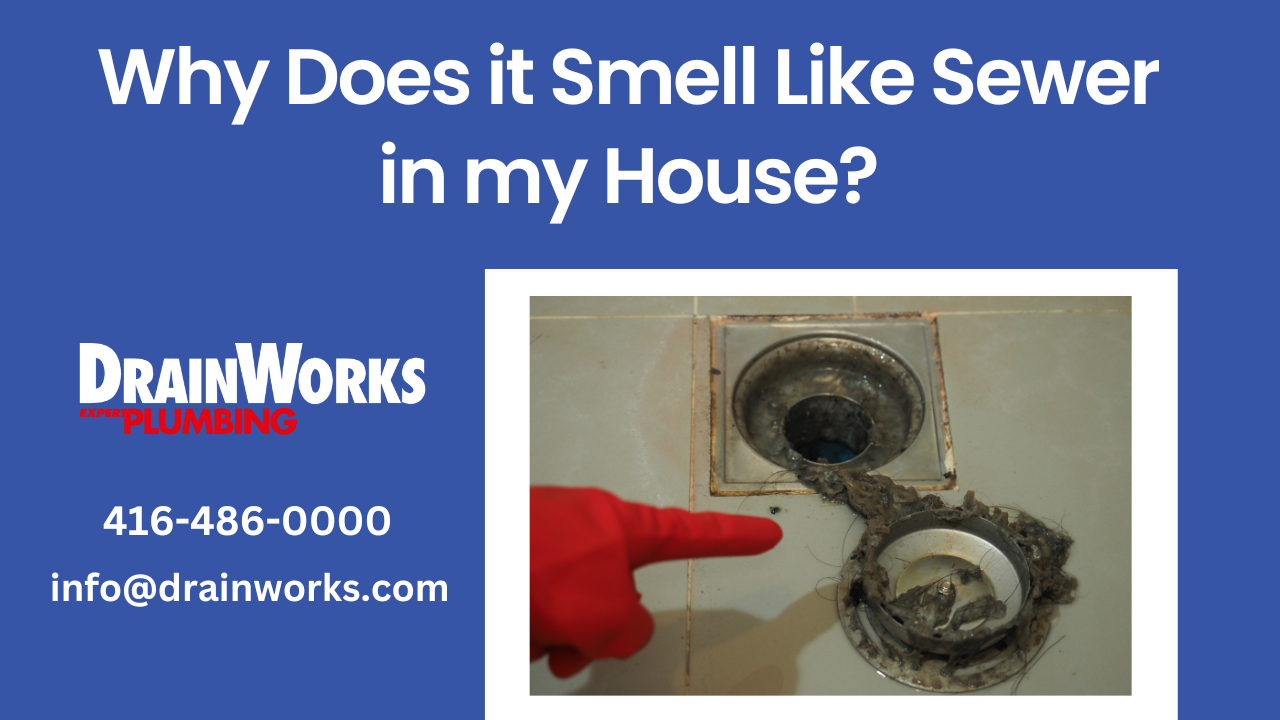
Credit: www.drainworks.com
Common Sewer Smells In Winter
Winter often brings strange smells into homes. One common complaint is a sewer-like odor. This smell can be unpleasant and confusing. Understanding why it happens helps find the right fix.
Cold weather changes how plumbing works. Pipes, drains, and vents react differently in winter. These changes can cause sewer gases to enter the house. Knowing the common sources of these smells can save time and stress.
How Cold Weather Affects Plumbing
Cold air makes water in pipes cool quickly. This can cause water traps to dry out faster. Water traps block sewer gases from coming inside. When dry, the gases escape into your home.
Frozen pipes also create pressure changes. These changes can push smelly gases from the sewer line back into your plumbing. Vents on the roof may freeze, stopping proper airflow. Without airflow, sewer gases build up inside the pipes.
Typical Sources Of Sewer Odors
Dry P-traps are the most common cause of sewer smells. They lose water during winter heating or low use. Drains in basements, guest bathrooms, or rarely used sinks are most affected.
Blocked or frozen vent pipes can trap sewer gases. These vents allow air into the plumbing system. Without venting, pressure forces gases indoors.
Cracked or damaged sewer lines near your home may leak odors. The cold can make materials shrink and crack, worsening leaks. These leaks let sewer gases seep into your house.
Dry Traps And Their Role
Dry traps play a key role in keeping sewer smells out of your home. These traps are curved pipes under sinks, tubs, and floor drains. They hold water that acts as a barrier to stop sewer gases from coming inside. In winter, these traps can dry out, letting bad smells in.
Understanding how dry traps happen and why they let sewer gases in helps solve the problem fast. This knowledge keeps your home smelling fresh even in cold months.
What Causes Traps To Dry Out
Traps dry out when water in the curve evaporates. Cold weather makes water evaporate faster. If you don’t use a sink or drain often, the water can disappear completely. Heating systems in winter also dry the air inside your home. This dry air pulls moisture from the traps. Long periods without water flow cause traps to lose their water seal. A dry trap no longer blocks sewer gases.
How Dry Traps Let Sewer Gases In
Without water, the trap’s curve becomes empty. This empty space acts like a tunnel for sewer gases. These gases then travel from the sewer line into your home. Sewer gases smell bad and can be harmful to breathe. The dry trap no longer stops these gases. That is why your house smells like a sewer in winter. Fixing dry traps stops the bad odors from entering your living space.
Ventilation Issues
Ventilation problems often cause sewer smells inside homes during winter. Cold weather can block vents or slow airflow. This traps bad odors and lets them build up inside. Understanding these issues helps find the source of the smell and fix it quickly.
Blocked Or Frozen Vents
Vents help sewer gases leave your home. In winter, snow or ice can block these vents. Blocked vents stop air from moving properly. Frozen vents do the same, trapping smells inside. Check outside vents for snow or ice. Clear any blockages to let air flow freely again.
Effect Of Poor Airflow On Odors
Poor airflow means smells stay inside longer. Sewer gases rise through pipes and vents. Without fresh air, these gases build up in rooms. This causes a strong sewer smell in your house. Good ventilation removes these odors fast. Make sure vents are open and not blocked to improve airflow.
Credit: abmay.com
Pipe Damage And Leaks
Pipe damage and leaks often cause a sewer smell in winter. Pipes can crack or break due to cold temperatures. These issues allow sewer gases to escape into your home. Detecting and fixing pipe problems quickly stops the bad smell.
Cracked Or Broken Pipes
Cold weather makes pipes brittle and prone to cracks. Pipes may break under pressure or from ground movement. Cracks let sewer gases leak into your house. These gases create an unpleasant odor inside. Watch for damp spots or water stains near pipes. These signs show where damage may be.
Leaks That Lead To Sewer Smells
Leaks in plumbing systems let wastewater escape. This causes a foul smell in your home during winter. Leaks often happen in hidden areas like walls or floors. The smell gets stronger if leaks go unnoticed. Repairing leaks stops sewer gases from spreading. Check under sinks, around toilets, and near drains often.
Heating Systems And Odors
Heating systems play a big role in indoor air quality during winter. They can sometimes cause strange smells, like sewer odors, to spread inside your home. Understanding how heating systems work helps find and fix these smells quickly.
Warm air moves through ducts and vents. If there is a problem with the furnace or ductwork, it can cause bad smells to enter your living space. Knowing what to check can save you from discomfort and health risks.
Furnace And Ductwork Problems
Furnaces can collect dust, mold, or even dead pests. These create unpleasant odors when the furnace runs. Dirty filters also trap smells and spread them with warm air.
Leaky ducts may allow sewer gases from drains or pipes to enter the system. Cracks or holes in ductwork can pull in these smells and push them into rooms. Regular duct cleaning and inspection help reduce this risk.
How Heating Can Spread Smells Indoors
The heating system moves warm air through your home quickly. This air carries any bad smells it picks up. If sewer gases enter the ducts, they spread fast to many rooms.
Heating also lowers humidity. Dry air makes odors more noticeable. The warmth helps smells rise and fill the space, making them harder to ignore.
Turning off or fixing the heating system stops the spread of smells. Then, the source of the odor must be found and repaired to improve air quality.
Quick Fixes To Eliminate Odors
Winter can bring a strange sewer smell into your home. This usually happens because of dry plumbing traps or blocked vents. Quick fixes can help you stop these odors fast. These steps are easy to do and often solve the problem right away.
Refilling Traps With Water
Traps hold water to block sewer gases from entering your home. In winter, water can evaporate from traps. This lets bad smells come in through drains. Pour water down all drains, including sinks, showers, and floor drains. Make sure traps are full to stop the smell.
Clearing Blocked Vents
Vents allow air to flow through plumbing pipes. Snow, ice, or debris can block these vents in winter. Blocked vents cause pressure problems and odors. Check your roof vents for any blockages. Remove leaves, snow, or dirt to clear the path.
Using Odor Neutralizers
Odor neutralizers can help mask or remove sewer smells. Use natural options like baking soda or vinegar. Pour baking soda down drains, then add vinegar. Let it sit for 15 minutes, then flush with hot water. This cleans pipes and reduces bad odors quickly.
Long-term Solutions
Long-term solutions are essential to stop sewer smells in your home during winter. These smells often come from hidden problems in plumbing or poor air flow. Fixing the problem once and for all needs careful work. This section covers key ways to keep your home fresh year-round.
Professional Plumbing Inspections
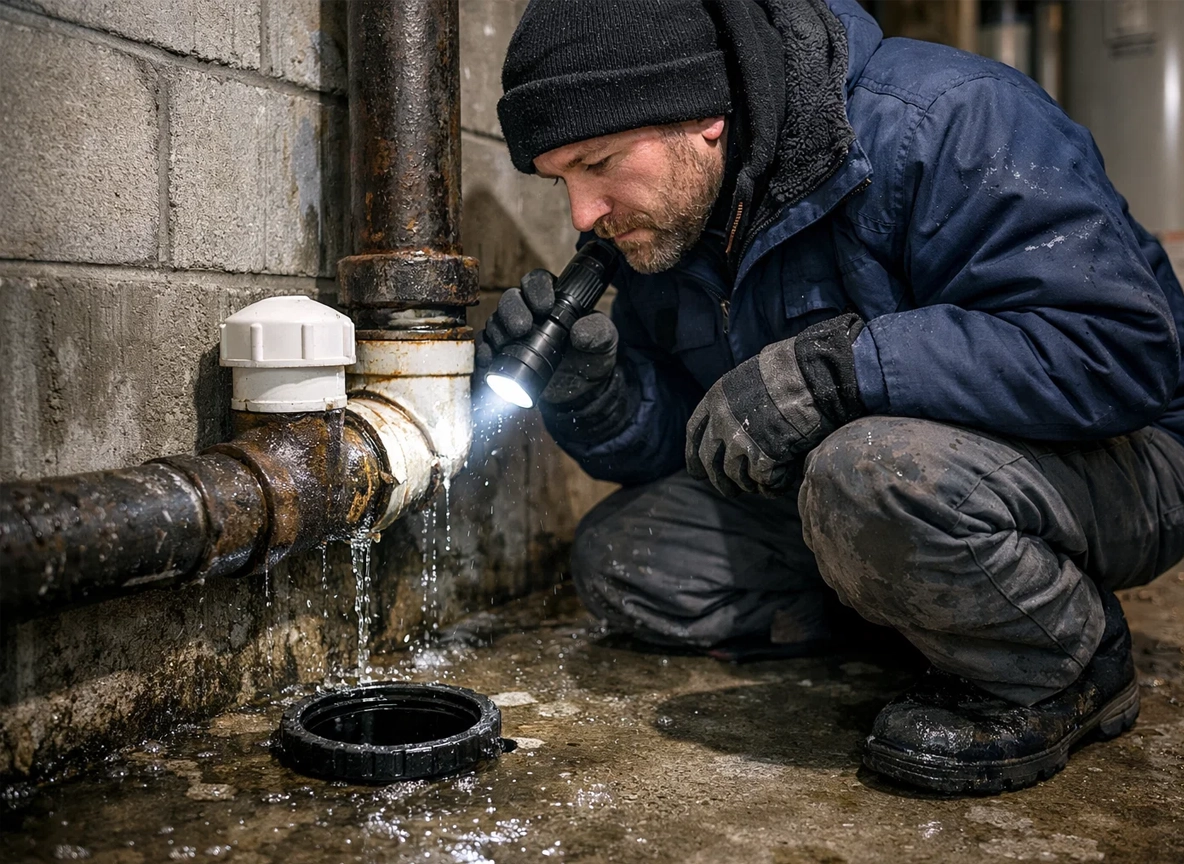
Experts can find hidden leaks or blockages in your pipes. They use special tools to see inside pipes without digging. Early detection prevents bigger damage and stops odors. Regular inspections keep your plumbing in good shape and your home smelling clean.
Repairing Or Replacing Damaged Pipes
Old or broken pipes let sewer gases escape into your home. Repairing small cracks or holes can solve the smell problem fast. Sometimes, replacing old pipes is the best choice for long-term safety. Good pipe condition means no leaks and no bad odors.
Improving Home Ventilation
Proper air flow helps move smells out of your house. Vent fans in bathrooms and kitchens reduce moisture and odors. Opening windows when possible also helps fresh air enter. A well-ventilated home feels cleaner and avoids trapped sewer smells.
Preventing Sewer Smells Next Winter
Preventing sewer smells next winter can save your home from unpleasant odors. Taking steps before cold weather arrives helps keep your pipes and drains clear. Proper care also stops sewer gases from entering your living space. Small actions make a big difference in fresh indoor air.
Regular Plumbing Maintenance
Check your plumbing often for leaks or damage. Fix broken seals and cracked pipes quickly. Clean drains and traps to remove buildup that causes odors. Keep water flowing to avoid dry traps that let sewer smells inside.
Winterizing Plumbing Systems
Prepare pipes for freezing temperatures by insulating them well. Drain outdoor faucets and irrigation lines to prevent water freeze. Use heat tape on vulnerable pipes to keep water moving. Avoid frozen pipes that can burst and cause leaks.
Monitoring Ventilation And Airflow
Ensure vents on your roof are clear and working properly. Let fresh air circulate in basements and crawl spaces. Use fans or open windows to reduce stale air. Good airflow helps push sewer gases outside your home.
Credit: www.daltonphc.com
Frequently Asked Questions
Why Does My House Smell Like Sewer In Winter?
Cold weather can dry out drain traps, letting sewer gas enter your home. Poor ventilation and blocked vents also cause sewer smells indoors.
Can Frozen Pipes Cause Sewer Odor Inside My Home?
Yes, frozen pipes can block water flow and dry out traps. This allows sewer gases to escape through drains and create bad smells.
How Do Dry Drains Cause Sewer Smells In Winter?
Drains lose water in their traps when not used often. Without water, sewer gases pass through the drain and into your house.
Could A Blocked Vent Pipe Cause Sewer Smell Inside?
Blocked vent pipes stop sewer gases from escaping outside. These gases then build up and seep into your house, causing odors.
Does Low Temperature Affect Sewer Gas Odors?
Cold temperatures slow down water evaporation but can freeze traps. Frozen traps fail to block gases, leading to sewer smells indoors.
How Can I Stop Sewer Smells During Winter?
Regularly run water in all drains to keep traps filled. Check vents for blockages and seal any cracks around pipes.
When Should I Call A Plumber For Sewer Odors?
Call a plumber if smells persist after flushing drains and checking vents. Persistent odors may indicate pipe damage or serious blockages.
Conclusion
Sewer smells in winter often come from dry traps or blocked vents. Cold weather can cause water in pipes to evaporate faster. This lets sewer gases escape into your home. Check drains and add water to traps regularly. Fix any leaks or clogs quickly.
Keeping vents clear helps air flow properly. These small steps stop the bad smell from spreading. Stay alert and act fast to keep your home fresh all winter. Don’t let sewer odors ruin your comfort.