
Have you ever wondered if the light bulbs in your pool are just like the ones you use at home? Choosing the right pool light bulbs isn’t as simple as picking any bulb off the shelf.
Your pool’s safety, beauty, and energy use all depend on this small but powerful detail. You’ll discover why pool light bulbs are special and how making the right choice can transform your swimming experience. Keep reading to find out what you need to know to keep your pool shining bright and safe every night.
Credit: nomoregreen.com
Types Of Pool Light Bulbs
Pool light bulbs come in different types. Each type has its own features and benefits. Choosing the right bulb can improve your pool’s look and safety. Here are the main types of pool light bulbs you can find.
Incandescent Bulbs
Incandescent bulbs are the traditional choice for pool lighting. They produce a warm, soft light that looks natural in water. These bulbs are usually less expensive but use more energy. They also have a shorter lifespan compared to other types. Many pools still use incandescent bulbs for their classic glow.
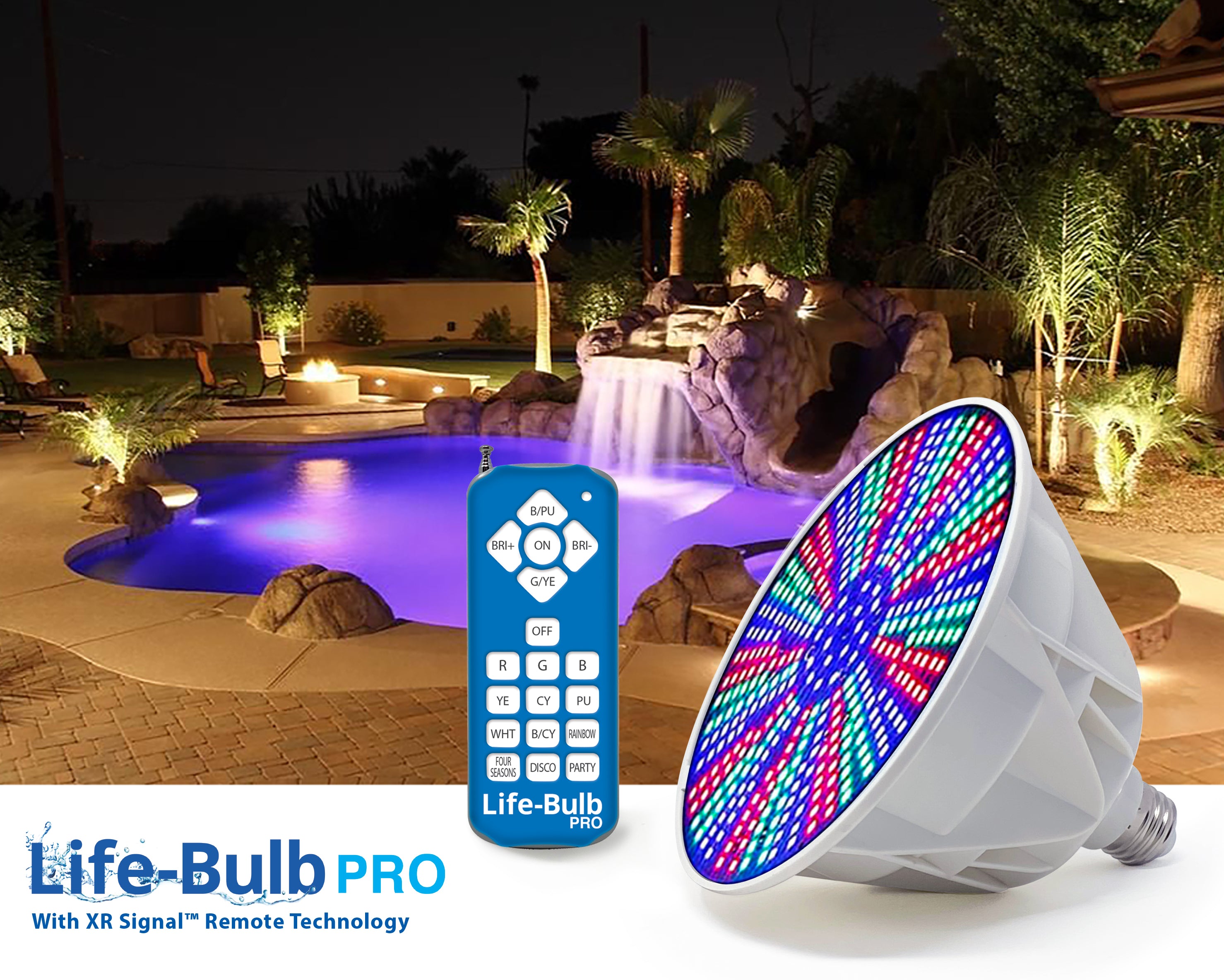
Led Bulbs
LED bulbs are popular for pool lighting today. They use less energy and last much longer than incandescent bulbs. LEDs offer bright, clear light and come in various colors. These bulbs can create stunning effects in your pool. They are more durable and handle water well, making them very reliable.
Halogen Bulbs
Halogen bulbs are a type of incandescent bulb but brighter and more efficient. They give off a strong, white light that enhances pool visibility. Halogen bulbs last longer than regular incandescent bulbs. They are also more resistant to temperature changes. Many pool owners prefer halogen bulbs for their balance of brightness and cost.

Credit: www.amazon.com
Why Pool Bulbs Are Different
Pool light bulbs differ from regular bulbs in many ways. Their unique design helps them work well underwater and last longer. Normal bulbs can break or stop working fast in wet and warm pool conditions. Pool bulbs have features that meet these special needs.
Waterproof Design
Pool bulbs have a strong waterproof casing. This stops water from entering the bulb and causing damage. The seal is tight to keep moisture out. This design keeps the bulb safe and working well underwater.
Heat Resistance
Pool bulbs handle heat better than regular bulbs. Water heats up from the bulb’s light, so the bulb must resist high temperatures. These bulbs use materials that do not melt or break from heat. This stops early bulb failure.
Electrical Safety
Pool bulbs follow strict electrical safety rules. They use special wiring and insulation to avoid short circuits. The bulbs prevent electric shocks in wet environments. Safety features protect swimmers and the electrical system.
Choosing The Right Bulb
Choosing the right pool light bulb makes a big difference. The right bulb improves safety and beauty. It also saves energy and lasts longer. This section guides you through key points to consider before buying.
Compatibility With Fixtures
Not all bulbs fit every pool light fixture. Check the size and type of your current fixture. Look for bulbs designed for underwater use. Using the wrong bulb can cause damage or poor lighting.
Always match the bulb’s voltage with the fixture’s requirements. Some fixtures need low voltage bulbs, while others need standard voltage. Confirm these details before purchase.
Energy Efficiency
Energy-efficient bulbs reduce electricity costs. LED bulbs use less power than traditional incandescent bulbs. They also generate less heat, making them safer for pool use.
Choose bulbs with good energy ratings. This choice helps the environment and lowers your utility bills.
Light Color And Brightness
Pool light color affects the pool’s mood and appearance. White lights show true colors and improve visibility. Colored lights create a fun, inviting atmosphere.
Brightness matters for safety. Too dim lights make it hard to see underwater. Too bright lights may cause glare. Pick a brightness level that fits your pool’s size and use.
Installation Tips
Installing pool light bulbs requires care and attention. Proper installation ensures safety and long bulb life. Follow clear steps and use the right tools. This guide helps you replace your pool light bulb easily and safely.
Safety Precautions
Turn off the pool power at the circuit breaker. Never touch the bulb or fixture with wet hands. Make sure the pool light is cool before starting. Wear rubber gloves to avoid electric shock. Check for cracks or damage on the fixture before handling.
Step-by-step Replacement
First, switch off the power supply to the pool light. Remove the light fixture cover carefully. Unscrew the old bulb from the socket. Insert the new bulb gently, avoiding force. Secure the fixture cover tightly to prevent leaks. Restore power and test the light to confirm it works.
Tools Needed
Use a screwdriver to open the fixture cover. Have rubber gloves to protect your hands. A replacement pool light bulb matching your fixture is essential. A voltage tester helps ensure power is off. Keep a clean cloth to handle the bulb safely.
Maintenance And Longevity
Maintaining pool light bulbs is key to their long life. Proper care keeps them bright and safe underwater. Simple steps can prevent damage and save money on replacements.
Regular Inspection
Check pool lights often to spot problems early. Look for cracks, corrosion, or loose fittings. Early detection stops small issues from growing.
Inspect the seal around the bulb. Water can leak inside and cause short circuits. Tighten or replace parts if needed.
Cleaning Procedures
Clean bulbs and fixtures to remove dirt and algae. Use a soft cloth and mild soap. Avoid harsh chemicals that can harm the light’s surface.
Turn off the power before cleaning to stay safe. Clean regularly to keep light bright and clear.
Signs Of Wear
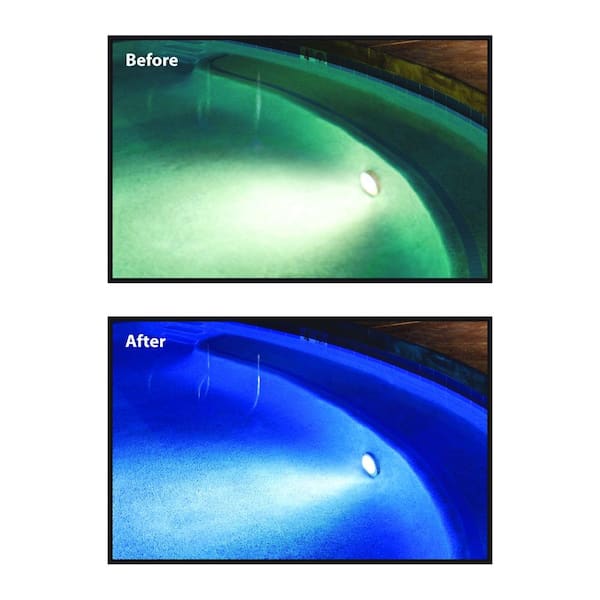
Watch for dimming or flickering lights. This often means the bulb is aging or damaged. Replace bulbs that show these signs quickly.
Also, listen for buzzing sounds. They indicate electrical issues. Address these problems to avoid bigger repairs.
Credit: www.homedepot.com
Common Problems And Solutions
Pool light bulbs are special and need proper care. Common problems can affect their performance and safety. Understanding these issues helps keep your pool safe and bright. Below are typical problems and easy solutions.
Bulb Flickering
Flickering lights often mean a loose connection. Check the bulb socket and wiring. Turn off power before inspecting. Tighten any loose parts carefully. Replace the bulb if flickering continues. Using the right bulb type prevents this issue.
Water Leakage
Water can leak into the light fixture. This damages the bulb and electrical parts. Check the gasket seal around the fixture. Replace old or cracked gaskets quickly. Make sure the fixture is tightly closed. Proper sealing keeps water out and lights safe.
Electrical Issues
Electrical problems can cause lights to fail or spark. Inspect the power supply and wiring regularly. Look for signs of wear or corrosion. Use a voltage tester to check connections. Hire a professional if unsure about repairs. Safe wiring protects your pool and home.
Frequently Asked Questions
What Makes Pool Light Bulbs Different From Regular Bulbs?
Pool light bulbs are waterproof and built to resist water pressure and chemicals.
Can I Use Normal Bulbs In My Pool Light Fixture?
No. Normal bulbs are not safe or durable underwater; they can short circuit or break.
How Long Do Pool Light Bulbs Usually Last?
Most pool light bulbs last between 3 to 5 years with regular use.
What Types Of Pool Light Bulbs Are Available?
Common types include LED, halogen, and incandescent, each with different brightness and energy use.
Are Led Pool Lights Better Than Halogen Bulbs?
LEDs use less energy, last longer, and provide brighter light than halogen bulbs.
How Do I Replace A Pool Light Bulb Safely?
Turn off power, drain the pool if needed, and follow the manufacturer’s instructions carefully.
Conclusion
Pool light bulbs have special features for safety and performance. They resist water and last longer than regular bulbs. Choosing the right bulb keeps your pool bright and safe at night. Always check the bulb’s type and power before buying.
Proper maintenance helps your pool lights work well. Bright, safe pool lighting makes your swimming time more enjoyable. Keep these points in mind for the best pool lighting experience.