
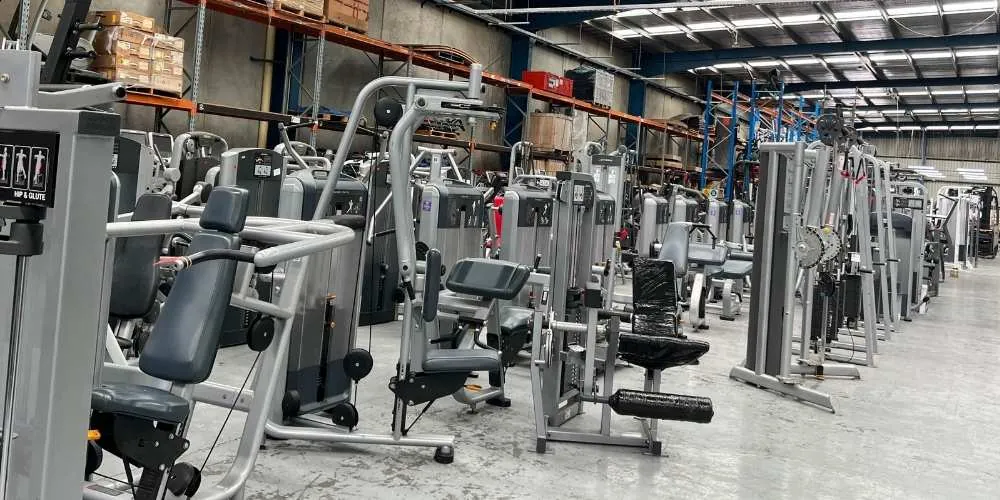
When you decide to sell used workout equipment, you’re entering a market that fluctuates based on seasonal demand, space constraints, and fitness trends. Depending on the condition, brand, and type of gear, you can expect to earn anywhere from $50 to $2,500 per item. High-demand items like heavy-duty power racks or commercial-grade treadmills generally fetch the higher end of that range, while basic dumbbells or entry-level yoga mats sit at the lower end. Preparing your gear properly is the most effective way to maximize your return on investment.
Key Takeaways
- Deep clean and sanitize all equipment to ensure it’s photo-ready for prospective buyers.
- Check for mechanical issues or missing hardware, as functional gear sells significantly faster.
- Research current market prices for your specific model to set a competitive, realistic asking price.
- Prioritize safety by inspecting frames and cables for structural integrity before listing.
- Use high-quality, well-lit photographs to highlight the condition and features of your equipment.
How to Price Your Equipment
Pricing is the most critical factor in determining how quickly your items will move. You should avoid pricing based on what you originally paid, as equipment depreciates similarly to consumer electronics. Instead, research what similar items are currently selling for in your local area.
Aim to list your items at about 50% to 70% of the current retail price if they’re in excellent condition. If the equipment shows signs of wear, adjust your expectation to 30% to 40% of the retail price.
| Item Type | Estimated Price Range | Condition Impact |
|---|---|---|
| Dumbbell Sets | $0.50 – $1.50 per lb | High |
| Treadmills | $150 – $1,200 | Moderate |
| Power Racks | $300 – $1,500 | High |
| Kettlebells | $1.00 – $2.50 per lb | Low |
| Benches | $50 – $300 | Moderate |
Preparing Gear for Sale
Before you list your items, you must make them look appealing. Buyers are often wary of used fitness gear because it can be sweaty or unhygienic. Use a mild disinfectant and a microfiber cloth to wipe down all surfaces.
If you’re selling machines with electronic consoles, use a screen-safe cleaner. If you have the original manuals, include them, as they add significant value to the buyer. Ensure your equipment maintenance records are available if you have performed any professional servicing or part replacements.
Cleaning and Sanitizing Steps
- Vacuum or wipe down all dust and debris from the frame.
- Use a damp cloth to clean rubberized grips and handles.
- Apply a light silicone-based lubricant to moving parts like treadmill belts or rowers.
- Check for rust on metal components and treat it with a wire brush if necessary.
Where to Sell Used Workout Equipment
You have several options when choosing a platform, ranging from local pickup sites to specialized consignment shops. Local marketplaces are generally the best choice for heavy, bulky items because they eliminate the need for expensive shipping. Shipping a treadmill or a full rack of plates is rarely cost-effective for a private seller. For smaller items like resistance bands or jump ropes, you might consider shipping, but local sales are almost always more efficient.
Top Selling Channels
- Local Marketplace Apps: Platforms like Facebook Marketplace or OfferUp are ideal for reaching neighbors who can pick up items immediately.
- Specialized Fitness Consignment: Some local fitness stores buy back used equipment or offer a consignment service where they handle the sale for a fee.
- Community Bulletin Boards: Neighborhood groups or local gyms often have physical or digital boards where members trade gear.
Pro Tip: Always meet potential buyers in a public place or have someone else present at your home if you’re selling large, heavy items that require a test run.
Taking High-Quality Photos
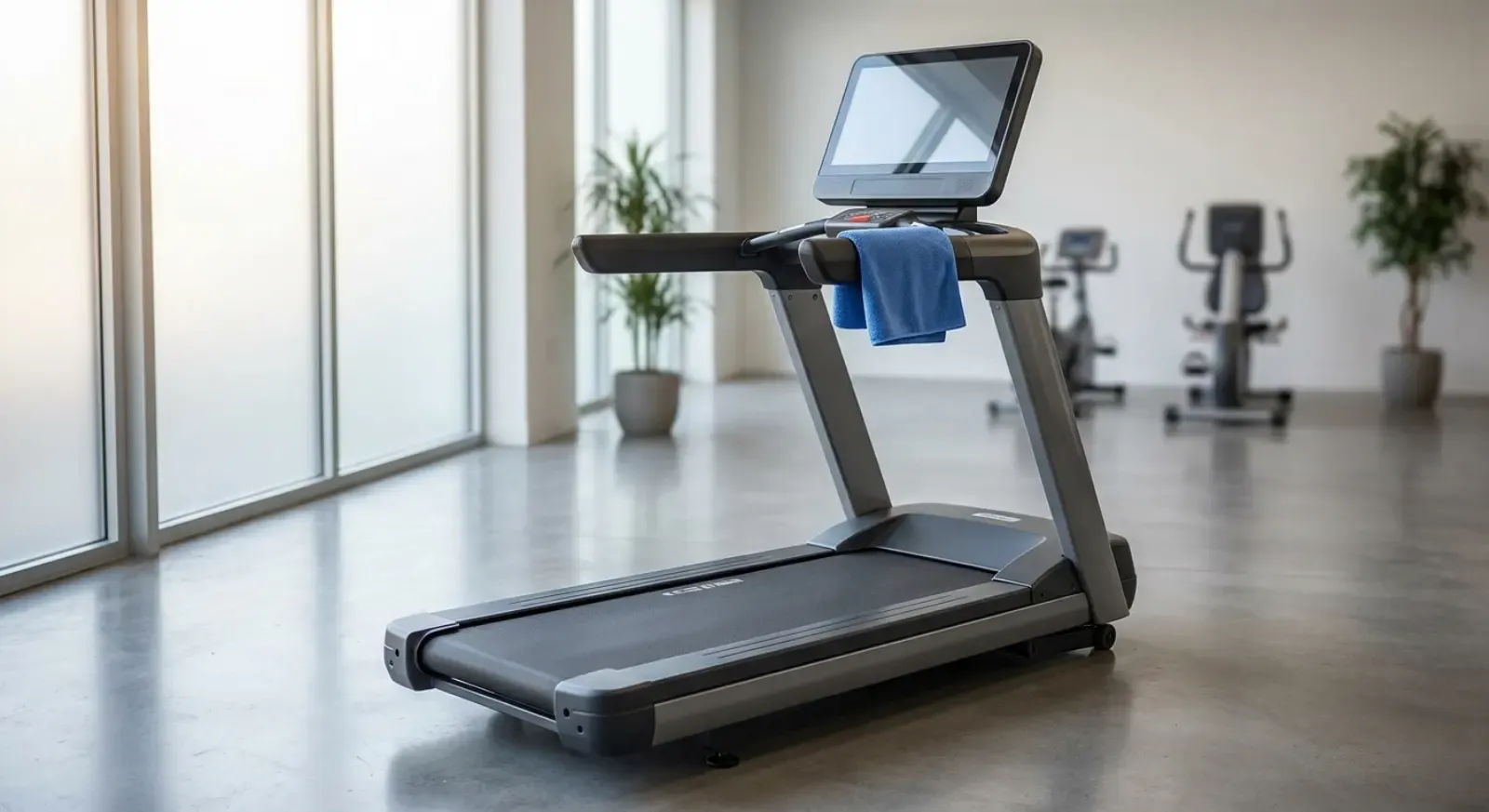
Your photos serve as your first sales pitch. If your pictures are blurry, dark, or cluttered, buyers will scroll past your listing. Take photos in bright, natural light. Capture the item from multiple angles, including close-ups of any wear and tear.
If the item has a serial number or a specific brand logo, include a clear photo of that as well. A clean background makes a massive difference in how professional your listing appears, so move the equipment to an open space before snapping your shots.
Writing an Effective Description
A good description should be honest and detailed. Include the brand, model name, and age of the equipment. Mention any specific features, such as incline capabilities on a treadmill or weight ranges on an adjustable dumbbell set.
Be clear about the dimensions so the buyer knows if it will fit in their space. Most importantly, state the reason for selling, as this builds trust. If you’re selling a machine that requires assembly, mention whether you have the original tools or if it needs to be moved as one piece.
| Description Element | Why It Matters |
|---|---|
| Brand & Model | Allows buyer to check retail specs. |
| Dimensions | Confirms it will fit in their room. |
| Condition | Manages expectations and builds trust. |
| Included Accessories | Adds value for the prospective buyer. |
Inspecting for Safety
Safety is paramount when dealing with fitness equipment. Before you hand over any piece of gear, perform a thorough inspection. Check welds on metal frames for cracks and ensure all cables and pulleys on weight machines move smoothly without fraying. If you find a structural defect, it’s better to recycle the item or sell it for parts rather than risking someone else’s health.
Managing Logistics and Heavy Items
Moving heavy gym gear is the biggest challenge for both the seller and the buyer. If you’re selling a heavy treadmill, elliptical, or squat rack, be explicit in your listing about the transport requirements.
State clearly whether the item needs to be disassembled and if the buyer needs to bring a truck or a helper. You shouldn’t offer to help move heavy items unless you’re physically capable and insured, as you could be held liable for injuries during the moving process.
Warning: Never attempt to disassemble complex electronic machines like high-end treadmills unless you have the manufacturer’s manual, as you could damage the internal sensors or void any remaining warranty.
Dealing with Haggling
Haggling is an expected part of the used equipment market. When you set your price, add a small buffer for negotiation. If you want $200 for a bench, list it for $250. This gives the buyer the feeling of a “win” when they negotiate you down, while you still receive your target price.
If someone makes an offer that’s significantly lower than your asking price, don’t feel obligated to accept. You can politely decline and inform them that you’re firm on your price.
Timing Your Sale
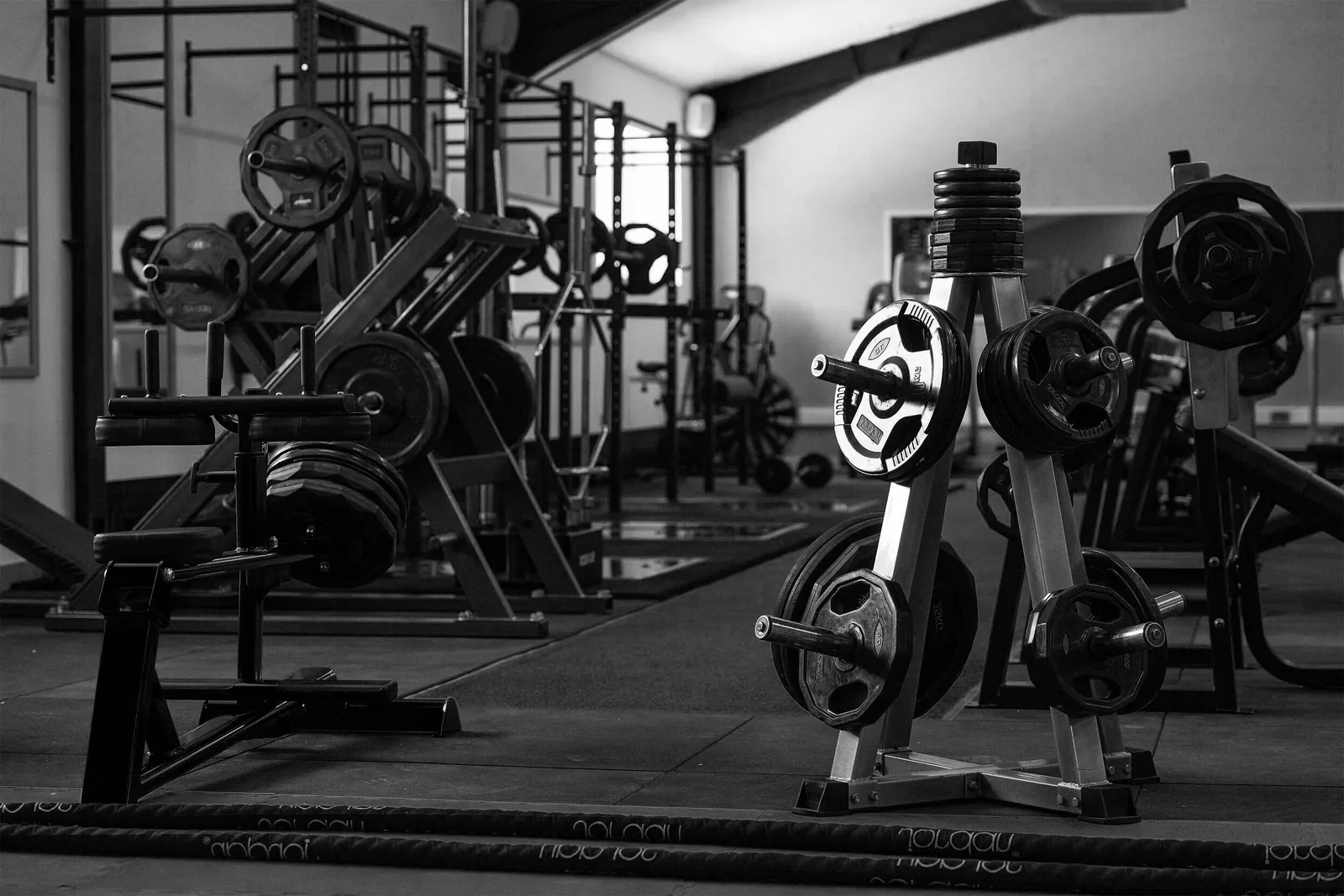
The market for home gym equipment is highly seasonal. Demand usually spikes in January due to New Year’s resolutions and again in the autumn when the weather turns cold and people move their workouts indoors. If you list your gear during these peak times, you’re more likely to sell quickly and closer to your asking price. Conversely, in the middle of summer, demand often drops, and you may need to lower your price to attract interest.
Related guides
- 6 Types of Testing Equipment Used in Electrical Engineering
- What Is Nomex Honeycomb and What Is It Used For
- How Glulam Is Made and Used in Structural Applications
Frequently Asked Questions
What is the best way to clean rusty weights?
To clean rust from iron weights, use a wire brush or steel wool to scrub away the surface oxidation. After the rust is removed, wipe the area clean with a damp cloth and allow it to dry completely. You can then apply a light coat of machine oil or a rust-preventative spray to protect the metal from future corrosion.
Should I sell my gym equipment as a bundle?
Selling as a bundle can be highly effective if the items are complementary, such as a bench paired with a set of dumbbells. Bundling saves time by reducing the number of individual transactions you need to manage. However, be aware that you’ll likely get a higher total price by selling individual items separately if you have the time to manage multiple buyers.
How do I handle payment for local sales?
The safest way to handle payment for local sales is through digital peer-to-peer payment apps or cash. Avoid accepting personal checks or money orders, as these can easily be fraudulent. If you use a digital app, ensure the transaction is completed and the funds are confirmed before the buyer leaves with the equipment. Always prioritize secure, instant payment methods.
Are older machines still worth selling?
Older machines are worth selling if they’re well-maintained and still functional. Many buyers prefer older, “tank-like” equipment because it’s often made of heavier steel than modern, budget-friendly versions. If the machine is basic, such as a simple stationary bike or a sturdy squat rack, it will likely hold its value well regardless of its age, provided it’s clean and safe.
Do I need to provide a warranty?
As a private seller, you generally don’t need to provide a warranty. Most used equipment is sold “as-is.” Be clear about this in your description to manage buyer expectations. If the equipment is still under a transferable manufacturer’s warranty, mention that in your listing, as it can be a significant selling point that justifies a higher asking price.
Conclusion
Selling your used gear doesn’t have to be a stressful experience if you approach it with a clear plan. By gathering your information, taking quality photos, and pricing your items to reflect their true condition, you can clear your space while putting cash back in your pocket. Start by auditing your equipment and taking your first set of photos today to get the process moving.
