
Choosing the right wayne dalton residential garage doors depends on your home’s architectural style, the local climate, and your insulation needs. These doors are available in various materials like steel, wood, and fiberglass, with R-values typically ranging from 3.0 to 12.0 depending on the model and insulation thickness. This guide covers how to select, maintain, and troubleshoot these systems to ensure safety and longevity.
Understanding residential garage door types
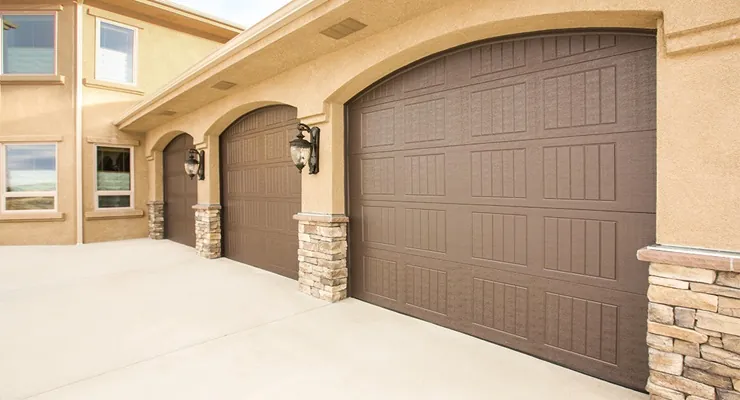
These garage doors serve as the primary entry point for many homes and provide a major barrier against weather. They’re designed for daily use and come in several distinct categories. The most common types include carriage house styles, which offer a classic look, and modern steel doors, which prioritize durability and low maintenance. Most homeowners select a door based on its visual appeal and the amount of thermal protection it provides.
A common misconception is that all garage doors provide the same level of security and insulation. In reality, the construction method—whether it’s a single, double, or triple-layer door—drastically changes how the door handles temperature and physical force. Triple-layer doors feature a layer of steel on both sides with insulation in the middle, which helps stabilize your garage temperature. If you live in a region with extreme heat or cold, prioritize doors with higher insulation ratings to keep the space comfortable.
How to install and operate your door
Installing a new garage door is a complex task that involves heavy components and high-tension springs. Because of the risk of injury from stored energy in the springs, most manufacturers recommend professional installation. If you choose to handle minor adjustments, follow these steps to keep the system running safely.
- Inspect the tracks for debris or bends that might stop the rollers from moving smoothly.
- Check the tension of the springs; if the door feels heavy or slams shut, the spring balance is incorrect.
- Lubricate the hinges, rollers, and track with a silicone-based spray once every six months to reduce friction.
- Test the auto-reverse feature by placing a 2×4 piece of lumber flat on the ground in the center of the door’s path and ensuring the door reverses upon contact.
- Tighten any loose bolts or brackets on the tracks and the door panels using a standard socket set.
- Verify the alignment of the safety sensors by checking that the indicator lights are steady and not flickering.
If the door doesn’t close fully or makes loud grinding noises, stop using it immediately. These issues often indicate that the spring or cable system is failing. Contact a certified technician to perform the repair, as attempting to adjust tension on your own can lead to severe injury.
Key garage door specifications
The following table outlines the typical options available for residential garage systems. Use these figures to determine which door aligns with your home’s requirements.
| Situation | What to use | How long | What to watch for |
|---|---|---|---|
| Harsh winters | Triple-layer insulated | 15-20 years | Frost on inner seals |
| Coastal areas | Fiberglass or vinyl | 10-15 years | Salt corrosion on hinges |
| High usage | Steel with heavy springs | 10-12 years | Roller wear and tear |
| Modern aesthetic | Aluminum and glass | 10-15 years | Glass pane cracks |
| Budget focus | Single-layer steel | 8-12 years | Dents and thermal loss |
Always confirm your specific model’s requirements by checking the official product specifications provided by the manufacturer. These documents contain the exact R-values and wind-load ratings for your region.
Improving performance and longevity
Experienced owners know that preparation is the key to a long-lasting garage door. Before winter hits, clear the floor area of any ice or debris that could block the bottom seal. This prevents the door from freezing to the concrete, which can cause the motor to burn out or the bottom panel to buckle. Always check the weather stripping along the sides and bottom; if it appears brittle or cracked, replace it to maintain a tight seal.
When you notice the door is slow to respond, check the remote battery first. Many people assume the opener is broken when the signal is simply weak. If the door continues to hesitate, inspect the tracks for misalignment. A small shift in the track can cause the door to bind, creating extra stress on the opener’s gears. Keep the track clean, but never apply grease to the track itself, as it attracts dirt and eventually causes the rollers to jam.
Troubleshooting common door issues
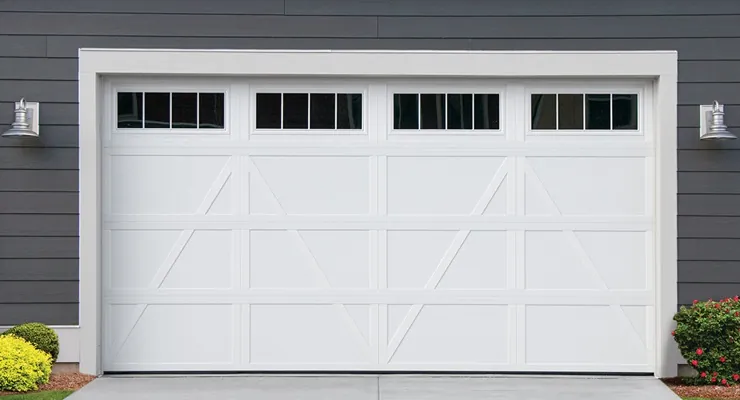
If you encounter issues with your door, look for these common signs to identify the problem quickly.
| What you notice | What it usually means | What to do first |
|---|---|---|
| Door won’t close | Sensor obstruction | Clean sensor lenses |
| Loud squeaking | Lack of lubrication | Spray hinges with silicone |
| Door shakes | Loose hardware | Tighten track brackets |
| Uneven closing | Cable tension issue | Call a professional |
When a door refuses to close, check the floor for small debris or spiderwebs blocking the infrared beam. If the sensor light flickers red instead of glowing solid green, the alignment is off. You must then adjust the mounting bracket until the light stabilizes.
Many homeowners mistakenly apply thick grease to squeaky hinges. This attracts dust and creates a grinding paste that ruins the metal. Use a light silicone spray instead. If the door still binds, check the frame for wood rot at the bottom corner. If the wood feels soft to a firm thumb press, the frame requires replacement rather than simple hardware adjustments.
Safety and regulatory standards
Safety is the highest priority when managing a garage door system. According to the Consumer Product Safety Commission, all automatic garage door openers manufactured or imported after 1993 must have an entrapment protection system. This includes both the auto-reverse feature and the photo-eye sensors. If your home has an older opener that lacks these features, you must replace the unit to meet current safety standards.
Test your sensors monthly by placing a 2×4 piece of lumber flat on the ground in the door’s path. If the door fails to reverse within two seconds of contact, the contact-reverse mechanism is misaligned or faulty. In these cases, clean the lenses with a soft cloth before calling for repairs.
Never attempt to adjust the bottom bracket or the spring system yourself. These components are under high tension and can cause significant harm if released accidentally. If you see visible gaps in the spring coils or frayed cables, stop using the door immediately. Professionals use torque-limiting tools to manage this tension. Attempting this work without them often results in broken fingers or severe lacerations.
Maintaining your garage door system
After the initial setup, keeping your door in good condition requires a simple routine. Perform a visual inspection of the cables and pulleys as often as your usage dictates, consulting your owner’s manual for specific guidance. If you see fraying or rust, have them replaced by a technician before they snap.
You should also listen for any changes in the sound of the motor. A smooth, quiet operation is a sign of a healthy system, while clicking or grinding noises indicate that parts are worn and need attention.
Test the balance of the door by disconnecting the opener and lifting the door manually halfway. If it stays in place, the spring tension is correct. If it drifts up or down, the springs are failing and require professional adjustment. Never attempt to adjust these high-tension springs yourself, as they can cause severe injury if they release unexpectedly.
The lifespan of your door depends on your local environment and how often the door is opened. In humid or coastal areas, check for rust on the panels more frequently. If you notice small spots of oxidation, clean them with mild soap and touch up the finish. This simple step prevents the metal from degrading and extends the life of your door by several years.
Choosing the right approach
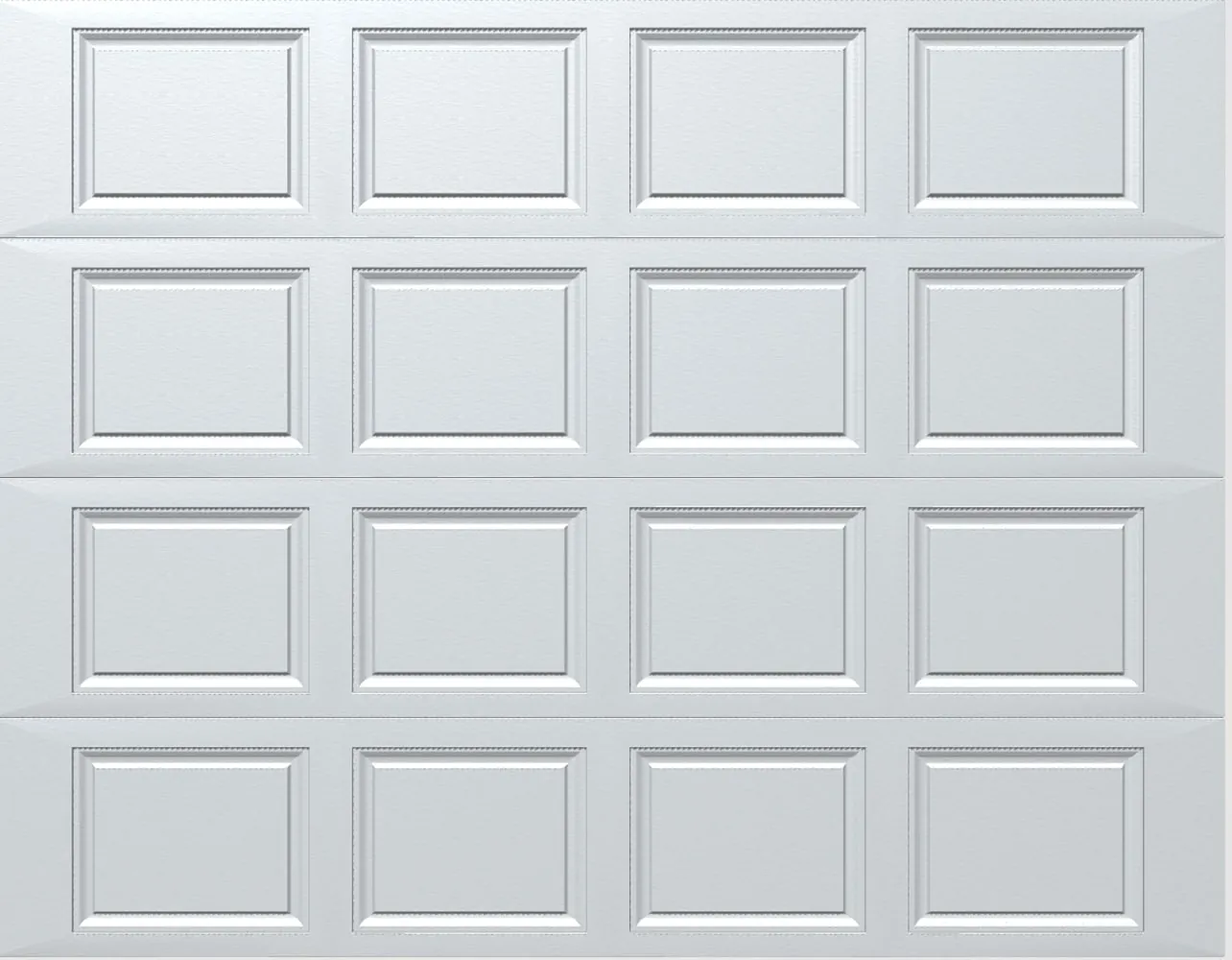
While many homeowners prefer the look of wood, these doors require significant maintenance, including regular staining and sealing to prevent rot. If you live in a region with high rainfall or heavy snow, steel or fiberglass is a better choice because they resist moisture damage. If your goal is maximum energy efficiency, avoid single-layer doors and opt for a fully insulated model with a high R-value.
If you have a very wide garage opening, such as a three-car garage, you might need a reinforced track system. Standard tracks may not be strong enough to support the weight of a larger, heavier door over time. Always consult the installation manual or a professional to ensure your hardware is rated for the specific weight and size of the door you have chosen.
Related guides
Frequently Asked Questions
Can I paint my steel garage door?
Yes, you can paint a steel garage door using high-quality exterior latex paint. Always clean the surface thoroughly and apply a primer designed for metal to ensure the paint adheres properly. Avoid painting the door in direct sunlight to prevent the paint from drying too quickly and cracking.
How often should I test the auto-reverse feature?
You should test the auto-reverse feature at least once a month to ensure the sensors are working. If the door doesn’t reverse when it hits an object, don’t use the automatic opener until it’s repaired. This feature is vital for preventing accidents involving children or pets.
Why does my garage door make a loud popping noise?
A loud popping noise often indicates that the hinges are dry or the rollers are worn out. Lubricating these moving parts with silicone spray usually resolves the issue. If the noise persists, check the track for any loose bolts or obstructions that might be catching the rollers.
Is it safe to replace a broken spring myself?
No, it isn’t safe to replace a broken garage door spring yourself. These springs are under extreme tension and can cause serious injury if they snap or are released incorrectly. Always hire a trained professional with the right equipment to perform this specific repair.
Garage door rollers typically last for a certain period depending on regular use. You can extend their life by keeping the tracks clean and applying a silicone-based lubricant twice a year. If you notice the door vibrating or moving jerkily, it’s likely time to replace the rollers.
What should I do if the power goes out?
If the power goes out, use the red emergency release cord to disconnect the opener from the door. This allows you to open and close the door manually. Once the power returns, pull the cord toward the opener to re-engage the system and test the operation.
Conclusion
Regular maintenance is the most effective way to keep your garage door working smoothly for years. By following these basic checks and knowing when to call a professional, you ensure the safety of your home and the reliability of your door system. Always prioritize safety over quick fixes and consult the manufacturer’s manual for specific instructions related to your model.
