
A molten salt solar tower collects sunlight using a large field of mirrors, which then heats fluid to create steam for electricity. By focusing beams onto a central receiver, the facility raises the temperature of the salt to over 500 degrees Celsius. This liquid stays hot for hours, allowing the plant to generate power even when the sun isn’t shining, which is a major advantage over standard solar panels.
Components of a solar power tower

Each part of the system plays a role in moving energy from the sun into the power grid. When one of these components fails, the entire process of converting heat to electricity stops until repairs are made.
| Part or input | What it does | What you notice when it goes wrong |
|---|---|---|
| Heliostat mirrors | Focuses sunlight on receiver | Low heat output at tower |
| Central receiver | Absorbs heat into salt | Salt temperature drops quickly |
| Molten salt tank | Stores thermal energy | Power grid output fluctuates |
| Steam generator | Turns water to steam | Turbine speed decreases |
| Steam turbine | Spins the generator | No electricity production |
The heliostat field requires precise calibration. If the mirrors shift even one degree off-axis, the focal point misses the receiver entirely, causing an immediate drop in thermal efficiency.
Monitor the molten salt temperature closely. If the salt falls below 460 degrees Fahrenheit, it risks freezing inside the pipes. This creates a massive maintenance burden, as you must heat the entire piping system externally to restore flow.
If your facility operates in a region with frequent cloud cover, prioritize the thermal storage capacity of your salt tanks. A larger tank provides a buffer that keeps the turbine spinning during intermittent outages. If you lack this storage, you must rely on expensive grid-tied backup systems to maintain turbine momentum.
Steps for how a solar tower generates electricity
The process begins when thousands of mirrors, called heliostats, track the sun across the sky. Each mirror reflects light toward a central receiver located at the top of a tall tower.
- Heliostats aim at the receiver, which takes about 10 minutes to reach peak thermal efficiency once the sun is fully visible and the alignment is locked.
- Cold salt flows from a storage tank through the receiver, absorbing intense heat until it reaches roughly 565 degrees Celsius during full daylight operations.
- The heated salt travels down to a hot storage tank, where it can stay for up to 10 hours depending on the tank size and insulation quality.
- When power demand is high, the hot salt flows through a heat exchanger, which transfers energy to water to create high-pressure steam in seconds.
- This steam expands through a turbine, causing it to spin at 3,000 to 3,600 revolutions per minute to drive the generator and produce steady electrical power.
- The cooled salt returns to the cold storage tank, losing heat over 30 to 60 minutes before it’s ready to be pumped back to the tower.
Why system efficiency matters
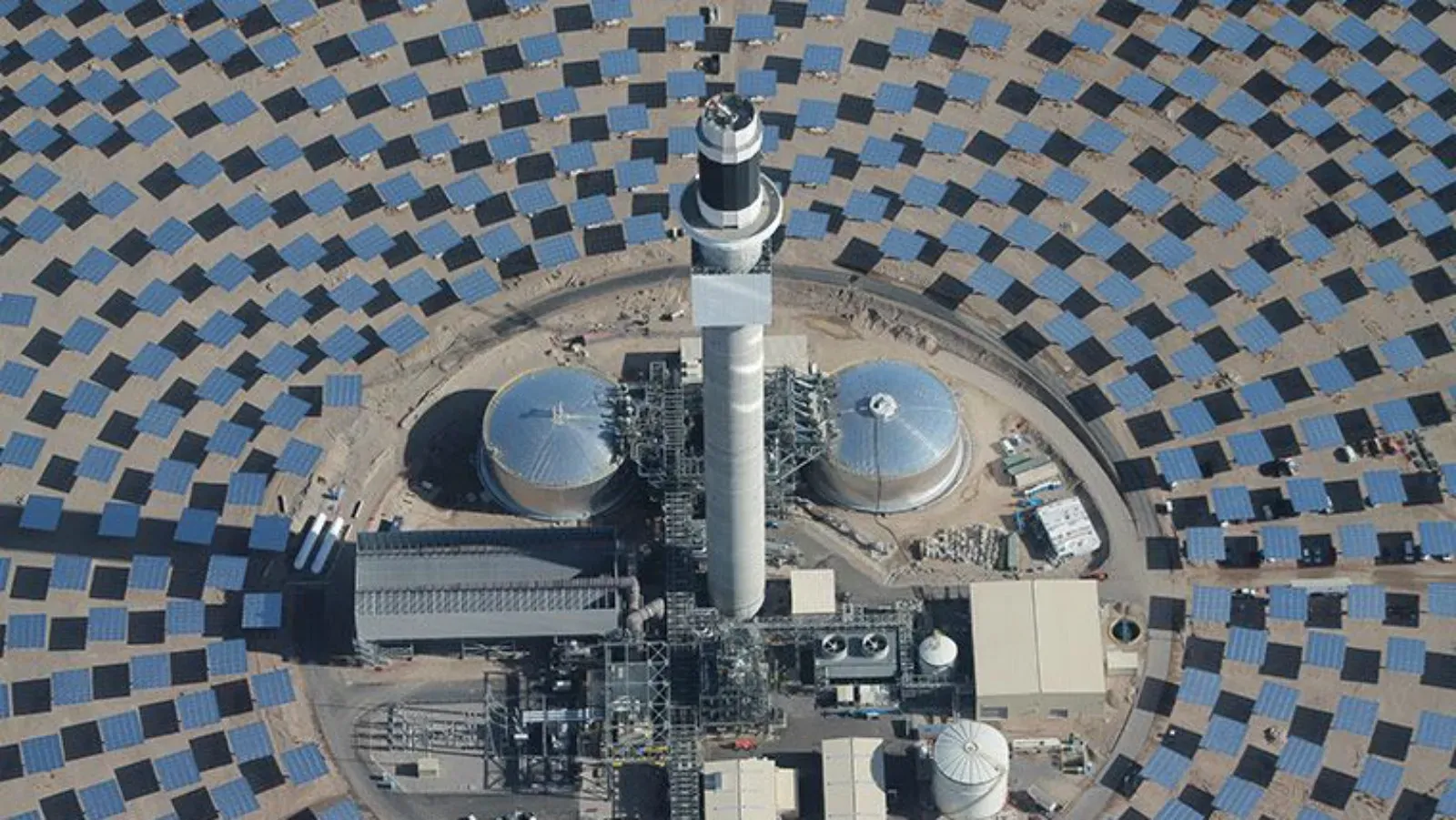
The efficiency of a solar tower depends on the salt’s ability to hold heat. Because molten salt acts as a thermal battery, the plant can continue to run long after the sun sets. If the salt’s temperature falls below its melting point, it can solidify inside the pipes, which is a costly mistake that requires a full system thaw. Operators must maintain the salt in a liquid state at all times to prevent damage to the circulation pumps and piping.
A common issue occurs when mirror alignment drifts due to wind or mechanical wear. Even a small error of a few centimeters can cause the light to miss the receiver, leading to a significant drop in the salt temperature. If the salt doesn’t reach the required heat, the steam generator can’t produce enough pressure to turn the turbine. This forces the plant to rely on stored reserves or shut down production entirely until the mirrors are recalibrated.
Energy loss also happens through the pipes connecting the tower to the storage tanks. Even with heavy insulation, some heat escapes into the air. If the ambient temperature is very low, the salt loses heat faster, which shortens the time the plant can stay active after sunset.
Controls and design limits
Things you can change
Mirror alignment angles maximize light capture across seasons. Pump flow rates manage salt temperature to prevent freezing. Storage tank discharge timing shifts based on grid price signals. Maintenance schedules for cleaning mirror surfaces depend on local dust levels. Operators adjust these variables daily to match real-time conditions.
Things fixed by design
Tower height limits the total mirror field size permanently. Tank storage volume dictates maximum run time before recharge. Salt chemical composition sets the melting point at 290°F. Turbine capacity defines peak power output regardless of solar input. These parameters can’t change without major capital reconstruction.
Operating these systems requires specialized engineering training and safety certifications. Never attempt to inspect or repair high-pressure steam lines or high-temperature salt valves. These components pose severe burn and mechanical risks during normal operation. Only certified personnel should handle thermal system maintenance tasks.
Habits for better performance
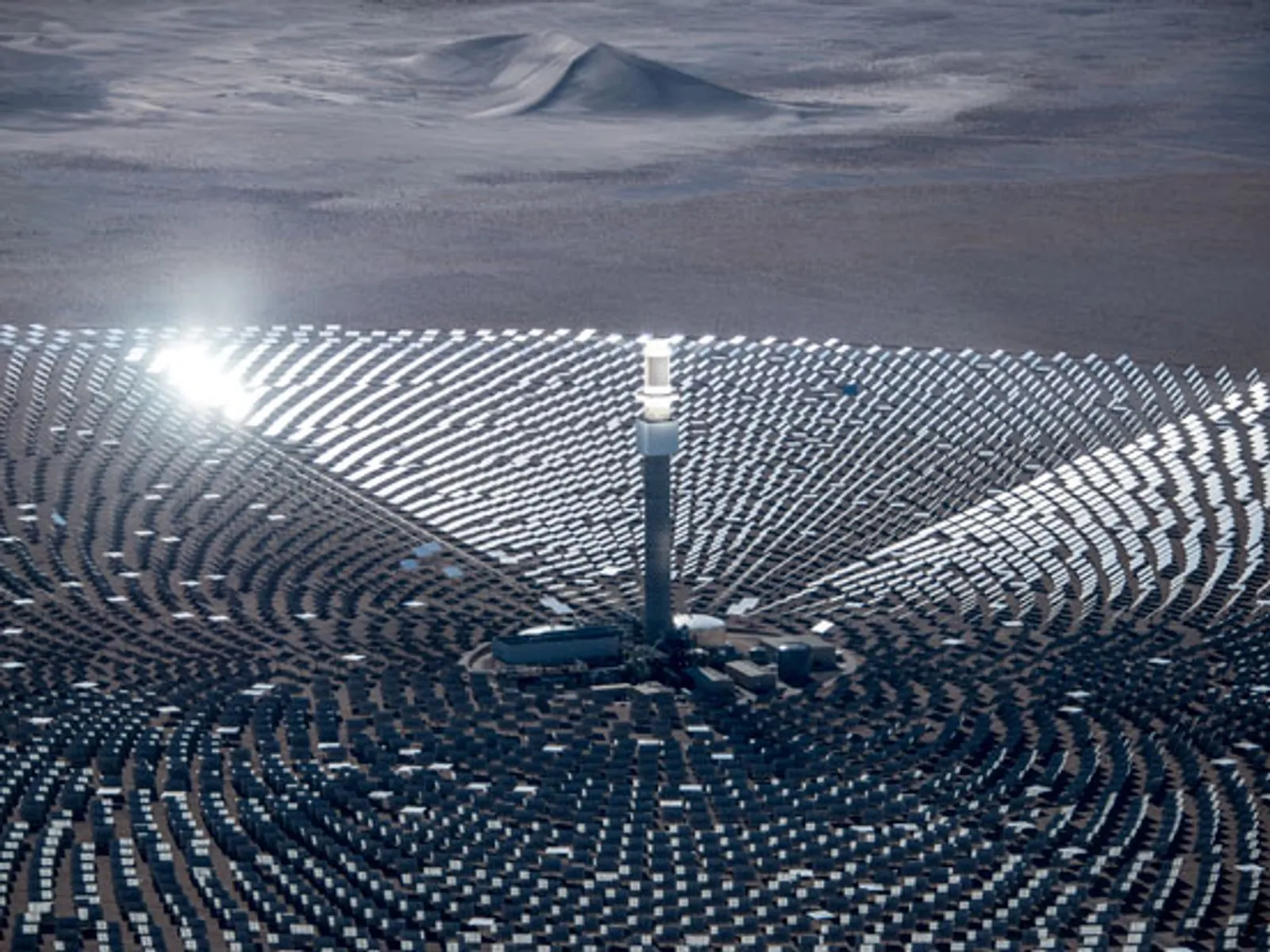
Keeping the mirrors clean is the most important habit for maintaining high output. Dust and sand block sunlight, so crews must wash them regularly depending on local weather patterns. In desert areas with high dust, cleaning might be required every 14 days to ensure the mirrors reflect enough light to the tower.
Monitoring the salt chemistry is also vital for long-term reliability. Impurities in the salt can corrode the steel pipes over time, leading to leaks that are difficult to fix. Operators check samples every month to ensure the salt remains pure and stable.
Tracking the heat loss in the tanks helps find failing insulation. If the temperature drops faster than expected, it suggests the insulation needs an upgrade. Finally, keeping the heliostat tracking software updated ensures the mirrors follow the sun with precision. This prevents the “spillage” of light, where beams miss the receiver and hit the tower structure instead.
Related guides
- Are Salt Water Pools Warmer? The Truth Explained in 2026
- Best Water Softener Salt: How to Choose the Right Type in 2026
- 6 Best Vented Propane Heaters Without Electricity for Your Home
Frequently asked questions
How long can a solar tower run without sun?
A solar tower can typically run for 6 to 10 hours after sunset, depending on the volume of the hot salt storage tank. This duration is fixed by the tank’s size and how much thermal energy the plant stored during the day.
Is it safe to be near a solar tower?
It’s safe to be near the facility perimeter, but the tower itself is dangerous due to the intense reflected light. Access is restricted to trained technicians who follow strict safety protocols to avoid high-temperature steam and concentrated solar beams that can cause severe burns.
What happens if the molten salt freezes?
The salt solidifies into a hard block inside the pipes, which can cause them to crack or burst. If this occurs, the entire system must be shut down for a controlled reheat process, which is a slow and expensive recovery that requires specialized heating equipment.
Does the temperature of the salt matter?
The temperature of the salt determines the efficiency of the steam production, as it must stay above 500 degrees Celsius for optimal turbine performance. If the salt is too cool, the steam pressure will be too low to spin the turbine at the speed required for grid synchronization.
How often do mirrors need cleaning?
Mirrors need cleaning every 14 to 30 days, depending on the amount of dust and rain in the local climate. You can check the reflectivity of the glass with a portable reflectometer to determine if the current output has dropped below the manufacturer’s expected standards for the facility.
Can a solar tower work in cloudy weather?
A solar tower produces very little power during cloudy weather because it requires direct, focused sunlight to heat the salt. When clouds block the sun, the plant must rely on the energy already stored in the hot salt tanks to keep the turbine spinning.
Conclusion
The use of molten salt allows these towers to provide reliable energy even when the sun isn’t visible. By storing heat in liquid form, the facility acts as a giant battery that powers the grid long into the night. This thermal storage is what makes solar towers a stable and consistent part of the modern energy supply.
