
Torque is a rotational force that measures how effectively a physical object can turn or twist around an axis. It’s calculated by multiplying the force applied by the distance from the pivot point to the spot where the force is exerted. If you push a door further from its hinges, you need less effort to open it because you’re applying the same amount of force with more leverage.
This measurement matters because it tells you how much “turning power” a motor or a tool has, rather than how fast it moves. If you’re comparing two engines, the one with higher torque will move heavier loads more easily from a standstill. The most common mistake is confusing this rotational power with horsepower, which measures how much work is done over time.
How to calculate and apply torque
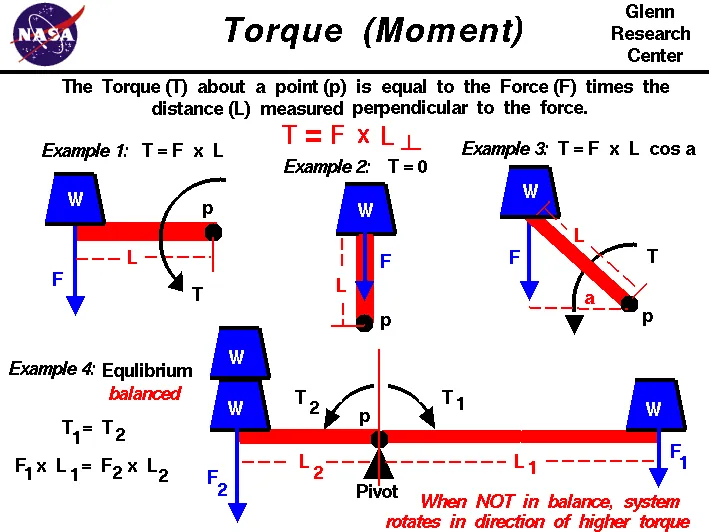
Calculating this force requires you to know both the force applied and the length of the lever arm. The basic formula is force multiplied by the distance from the pivot point.
Measure the force you’re applying in newtons using a force gauge or scale. Measure the distance from the pivot center to the point where the force is applied in meters. Multiply the force value by the distance value to find the total torque.
Adjust your grip if you feel the object slipping, as increased friction can create false readings. If you’re struggling to move a fastener, double the handle length to effectively double the torque for the same input force.
Always apply force at a 90-degree angle to the lever arm. If you push at an angle, the effective leverage decreases. You can calculate this loss by multiplying your result by the sine of the angle of your push. If you push at 45 degrees, you lose nearly 30 percent of your potential torque.
Never use a calibrated torque wrench to break loose rusted bolts. This sudden shock can damage the internal spring mechanism and ruin the tool’s accuracy for future precision work. If the bolt doesn’t turn with firm, steady pressure, switch to a breaker bar first. Use the torque wrench only for the final tightening phase to ensure you meet the specific manufacturer requirements for the fastener.
Understanding time and movement
The time it takes to generate this force depends on the machinery or the human effort involved in the task. While torque is an instantaneous measurement, applying it consistently over a distance is what moves an object.
| Situation | Timeframe | What changes it | What to watch for |
|---|---|---|---|
| Hand tightening | 1–3 seconds | Handle length | Overtightening bolts |
| Engine startup | 0.5–2 seconds | RPM and gear ratio | Sudden power spikes |
| Industrial lifting | 5–10 seconds | Load weight | Hydraulic pressure limits |
| Motorized drilling | 2–5 seconds | Material density | Bit binding or heat |
If the process takes significantly longer than these ranges, check for mechanical friction or an obstruction in the rotation path.
Most operators fail by ignoring the heat signature of the motor during these cycles.
Use this rule: if the task requires more than 15 seconds of sustained torque, shift to a lower gear ratio. This reduces the current draw and prevents internal component fatigue. If you’re working with rigid materials, prioritize steady, low-speed application over rapid bursts to avoid snapping fasteners or shearing drive pins.
Identifying when rotation is complete
You can tell that the rotational force has achieved its goal by watching for specific physical signs. For fasteners, the bolt will stop moving forward or the wrench will “click” if you’re using a calibrated torque wrench. If you’re turning a manual handle, you’ll feel a sharp increase in resistance when the object reaches its destination.
When working with machines, monitor the load output. If the motor continues to draw high power without movement, it has reached its stall limit. At this point, you must stop immediately to prevent overheating or mechanical failure.
Watch for the “spring-back” effect. If the component reverses slightly after you release the pressure, the connection isn’t fully seated. You should re-apply torque until the resistance remains static.
Most operators make the mistake of forcing the final turn after the click. This stretches the bolt threads, which permanently weakens the assembly. If you feel the resistance soften suddenly, stop. You have likely stripped the threads and must replace the hardware entirely.
Common errors that affect results
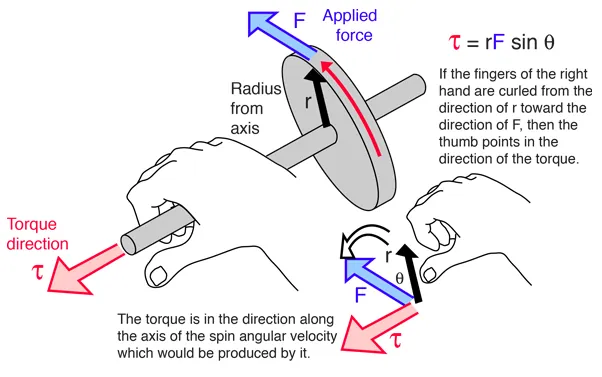
Applying force at an angle wastes energy because only the component perpendicular to the lever contributes to rotation. If you push at a 45-degree slant, you lose nearly 30 percent of your effective torque. Always ensure your push is perfectly square to the handle to maximize your effort.
Measuring from the wrong spot leads to incorrect force calculations and potential structural damage. If you measure from the edge of the tool rather than the exact center of rotation, your calculation will be off by the radius of the pivot itself. Always anchor your measurements at the center of the bolt head or axle.
Using the wrong tool length creates a dangerous imbalance. A handle that’s too short forces you to overexert, leading to muscle strain or slipping. Conversely, a handle exceeding the recommended length can easily snap a bolt or strip threads by providing too much leverage. Match your tool size to the manufacturer’s torque specifications to ensure you stay within the material’s elastic limit.
Frequently asked questions
Can I increase torque without changing the motor?
Yes, you can increase the effective output by using a different gear ratio or a longer lever arm. By using a gear reduction, you trade rotational speed for more turning force. This is why vehicles use low gears to climb steep hills; the engine spins faster while the wheels move with more force, allowing the vehicle to overcome gravity with ease.
How much torque do I need for a car lug nut?
Most standard passenger vehicles require between 80 and 100 foot-pounds of force, but you must check your owner’s manual for the exact number. Applying too much force can stretch the studs, while too little can cause the wheel to become loose while driving. Always use a calibrated wrench to ensure you reach the specific manufacturer’s requirement for your vehicle model.
Is it safe to use a pipe on a wrench?
No, it isn’t safe because the wrench isn’t designed to handle the extra stress that a long pipe extension creates. You risk snapping the bolt head or breaking the tool itself, which can lead to injury. If you need more force, use a tool specifically rated for that amount of power rather than trying to extend a smaller one.
How does friction affect torque?
Friction acts as a resistance that steals energy, meaning you must apply more force to overcome it before any rotation happens. This is why rusted bolts are harder to turn; the friction between the threads is significantly higher than on clean, lubricated parts. Cleaning and lubricating threads can help you reach the desired setting with much less effort.
Why does a long handle make it easier?
A longer handle provides more leverage, which allows you to apply the same amount of force at a greater distance from the pivot. Since torque is the product of force and distance, increasing the distance means you need less muscle power to achieve the same result. This is a simple physical principle that makes heavy tasks manageable for humans.
Conclusion
Everything you need to know about this force is found in the relationship between your input and the distance from the center. Keep your tools clean and your angles square to ensure that your work is both safe and accurate.
