
A professional set of hand tools that should be in a mechanical engineers toolbox includes items like high-quality calipers, precision screwdrivers, torque wrenches, and metric hex keys. These instruments allow for accurate measurement, assembly, and maintenance of complex mechanical systems. While the specific list depends on your field of work, every engineer needs reliable tools to ensure that prototypes and machines meet the strict design tolerances required for safe operation.
Essential tools for mechanical engineering
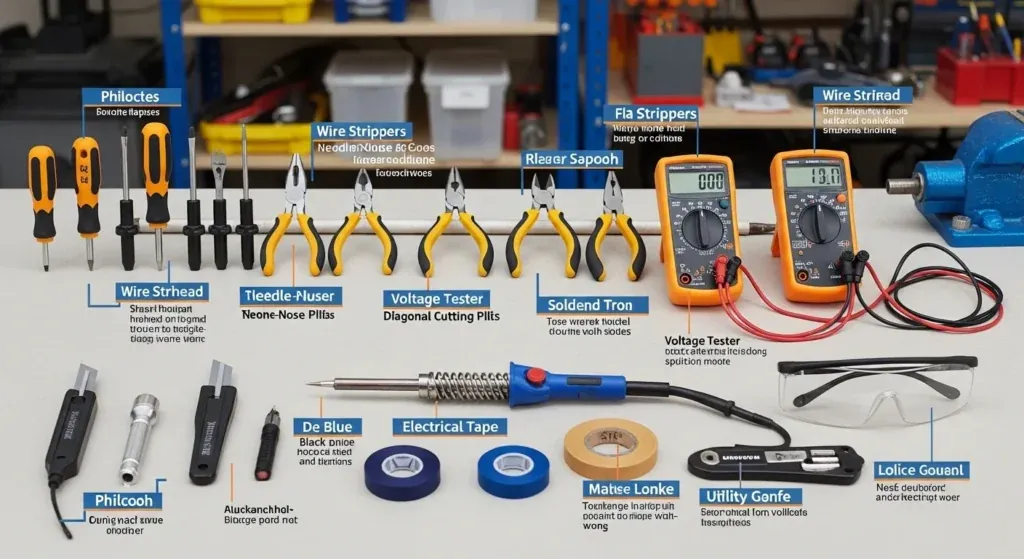
| Tool Name | Best For | Typical Example |
|---|---|---|
| Digital Caliper | Precise length measurement | 6-inch stainless steel |
| Torque Wrench | Fastener tension control | 10-100 Nm range |
| Metric Hex Keys | Machine screw adjustment | L-shaped set |
| Precision Screwdrivers | Small component assembly | Phillips #00 to #2 |
| Feeler Gauges | Gap width inspection | 0.04-1.00 mm blades |
| Machinist Square | Checking 90-degree angles | 4-inch steel blade |
Always verify your digital caliper against a known reference block before critical measurements. A deviation of even 0.05 mm can lead to press-fit failures or seized assemblies.
When using a torque wrench, never store it at a high tension setting. Leaving the internal spring compressed permanently deforms the calibration, leading to inconsistent fastener tension that risks bolt fatigue.
Choose L-shaped hex keys for general clearance, but switch to T-handle drivers if you perform repetitive adjustments. T-handles prevent hand cramping and provide better leverage for seated machine screws.
Most beginners mistake feeler gauges for simple spacers. Use them to measure the clearance between mating surfaces under a light drag. If the blade slides through without any friction, your gap is too wide.
Finally, confirm your machinist square is truly square by drawing a line, flipping the tool, and checking if the lines overlap perfectly. A bent tool creates cumulative errors across large frames.
Digital calipers
A digital caliper is the primary tool for measuring internal, external, and depth dimensions with high precision. It suits engineers working with small mechanical parts where a standard tape measure lacks the required resolution.
Provides measurements down to 0.01 mm for tight-tolerance parts.
Allows for zero-setting at any position to compare relative dimensions.
Enables quick unit conversion between metric and imperial systems.
Always check the battery compartment for corrosion before starting a project. A weak battery often causes the display to flicker or reset randomly during a measurement, leading to expensive scrap parts.
If your work involves aerospace or medical components, use a calibrated measurement instrument that meets national standards for accuracy. For general prototyping, a standard stainless steel digital caliper is sufficient.
If you’re measuring soft plastic parts, use a light touch to avoid compressing the material. Applying too much thumb pressure can easily deform the workpiece, resulting in false, lower readings. When in doubt, perform three separate measurements and take the average to ensure the caliper jaws are seated square against the surface.
Torque wrenches

A torque wrench ensures that bolts and fasteners are tightened to the exact force specified in a design document. It suits anyone assembling structural frames or engine components where over-tightening could strip threads or under-tightening could cause a failure.
- Prevents mechanical damage caused by excessive tension on bolt heads.
- Ensures consistent clamping force across all fasteners in a sequence.
- Reduces the risk of vibration-induced loosening during machine operation.
If the fastener is small, use a micro-torque driver; if it’s a large structural bolt, use a heavy-duty click-style wrench. Always reset your torque wrench to the lowest setting after use to maintain the internal spring’s calibration accuracy.
A common mistake is leaving the tool under tension, which causes the spring to lose its tension over time and results in inaccurate torque readings. That drift often goes unnoticed until a joint fails under load.
Never use a torque wrench as a breaker bar to loosen frozen bolts. The sudden shock bends the internal mechanism and ruins the calibration permanently. Buy a separate breaker bar for removal.
Match the tool’s scale to your specific fastener requirement.
Metric hex keys
Metric hex keys are the standard for tightening socket-head cap screws found in most modern machinery and 3D-printed assemblies. They’re ideal for engineers who need to frequently adjust or disassemble modular equipment during the testing phase.
- Offers high torque transfer due to the hexagonal contact points.
- Fits into tight spaces where a standard wrench can’t reach.
- Resists rounding off fastener heads when using high-quality steel alloys.
The limit for these tools is the fastener size; for screws smaller than 2 mm, you need precision drivers rather than standard hex keys to avoid damaging the screw head. If you’re working on older equipment, verify if the fasteners are imperial or metric before inserting the key. Using the wrong system leads to stripped heads, which requires drilling the screw out—a time-consuming task that halts your progress entirely.
Precision screwdrivers
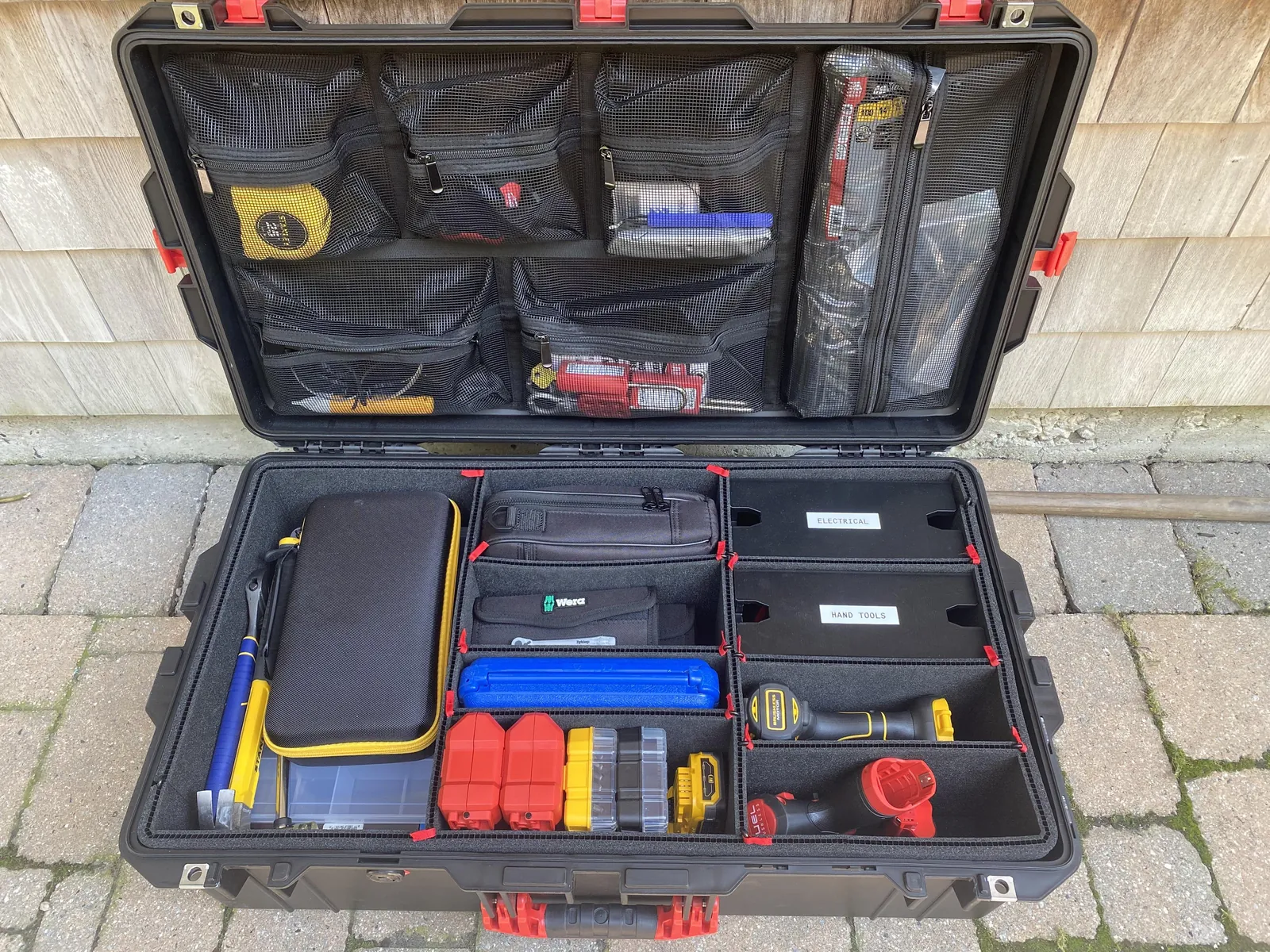
Precision screwdrivers are designed for the small, delicate fasteners found in sensors, electronics, and micro-mechanical housings. They suit engineers who spend time fine-tuning instrument panels or small-scale robotics.
Features a rotating end cap for better grip while turning. This allows you to apply steady downward pressure with your palm while your fingers rotate the shaft, preventing the bit from slipping out of the screw head.
Provides better visibility into small, deep-set screw holes. The slender, tapered shanks ensure your line of sight remains clear, which is vital when working with fasteners smaller than M2.
Prevents damage to soft material fasteners like aluminum or plastic. If you feel the bit cam out or click, stop immediately. A torque-limiting handle is the rule here: if you’re working with consumer electronics, use a manual driver to avoid stripping threads. If you’re working with industrial housings, use a calibrated electric driver set to under 0.5 Nm.
Frequently asked questions
How often should my calipers be calibrated?
Calipers should be calibrated annually or whenever the tool experiences a physical shock, such as being dropped on a concrete floor. If you notice the display showing a non-zero value when the jaws are fully closed, perform a manual reset immediately to maintain accuracy.
Is it safe to use a torque wrench to loosen bolts?
No, using a torque wrench to loosen bolts can damage the internal calibration mechanism of the tool. Always use a standard breaker bar or a fixed-head wrench for removing tight fasteners, reserving your torque wrench strictly for the final tightening phase of assembly.
What happens if I use a standard wrench on a socket screw?
You’ll likely strip the socket head, making the screw impossible to remove with standard tools. Always use a hex key that fits the socket snugly without any visible play to ensure the force is distributed evenly across all six faces.
Does it matter if my tools are metric or imperial?
Yes, it matters because using the wrong system causes irreparable damage to bolt heads and threads. Check the machine’s documentation or use a thread pitch gauge to confirm the system before applying any force to a fastener.
How long do high-quality steel hand tools last?
High-quality steel tools last for decades if they’re kept clean, dry, and free of rust. Wipe your tools with a light machine oil after each use to prevent oxidation, especially if you work in an environment with high humidity or chemical exposure.
Can I use a magnetised screwdriver for all electronic work?
No, using a magnetised tip near sensitive magnetic sensors or hard drives can interfere with their operation or cause data loss. Use non-magnetic ceramic or brass tools when working in close proximity to sensitive electronic components to avoid accidental damage.
What is the advantage of ball-end hex keys?
Ball-end hex keys allow you to turn screws at an angle of up to 25 degrees from the axis. This is helpful when a straight-on approach is blocked by other machine components, though you should avoid using them for the final high-torque tightening step.
Conclusion
Start by organizing your workspace and verifying that your most-used tools are clean and within reach. You’ll know your setup is effective when you can complete common adjustments without searching for missing pieces or finding damaged fasteners. If you encounter a bolt that refuses to turn or a tool that feels loose, stop immediately and seek a professional mechanic to avoid a costly repair.
