
Understanding how to calculate wattage for electrical devices is essential for managing your energy budget, preventing circuit overloads, and ensuring your appliances operate safely. When you perform an ac power calculator how to calculate wattage watts or w procedure, you’re essentially determining the rate at which electrical energy is transferred by an electric circuit. In residential settings, you might expect to see a monthly electricity cost ranging from $80 to $250, depending on your usage, appliance efficiency, and local utility rates. By mastering the fundamental relationship between voltage, current, and power, you can accurately estimate your consumption and make informed decisions about your home electrical infrastructure.
Key Takeaways

- Power is measured in watts, calculated by multiplying voltage (volts) by current (amperes).
- Always check the nameplate on your appliance for the manufacturer’s rated wattage.
- Prevent circuit trips by ensuring the total wattage of devices on one breaker remains below 80% of its capacity.
- Use a multimeter or a plug-in energy monitor to get real-time, accurate power consumption data.
- Calculate daily energy usage by multiplying wattage by the number of hours the device is active.
The Basic Power Formula Explained
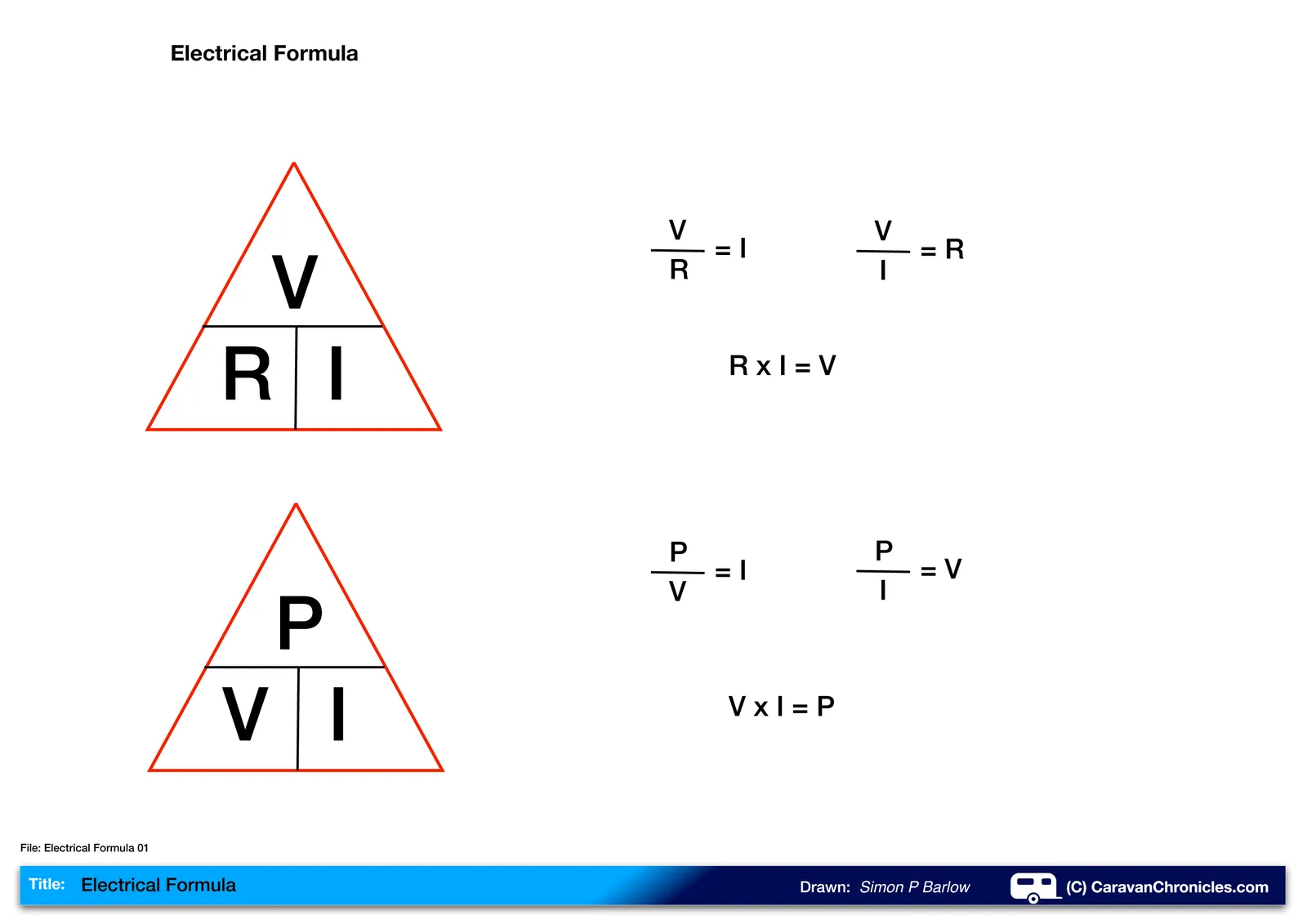
The core of all electrical power calculations is the relationship defined by the Watt’s Law. To find the power (P) in watts, you multiply the voltage (V) in volts by the current (I) in amperes. This is expressed as P = V × I. In a standard United States residential home, most wall outlets provide a nominal voltage of 120V. If your appliance draws 5 amps of current, you multiply 120 by 5 to get a total of 600 watts.
Electrical power is the rate of doing work, while voltage represents the electrical potential difference. Understanding these terms helps you distinguish between the energy capacity of your circuit and the actual demand placed on it by your hardware. When you see a device rated for a specific wattage, that number represents the maximum power consumption under normal operating conditions.
How to Calculate Appliance Watts and Power
Most manufacturers include a label or nameplate on the back or bottom of their products that explicitly lists the power requirements. If you can’t find a sticker, look for a small plaque stamped into the casing of the device. This label typically provides the voltage, frequency, and either the wattage or the amperage.
- Kitchen appliances: Look for labels on the underside of coffee makers, blenders, or toasters.
- Electronics: Check the power brick or the rear panel near the power cord input.
- Lighting: Check the base of the bulb or the fixture housing for maximum wattage ratings.
- Motors: Look for service tags on power tools or vacuum cleaners.
Pro Tip: If your device lists current (amps) instead of power (watts), simply multiply that amperage figure by the voltage of your outlet (usually 120V) to find the wattage.
Safety and Circuit Capacity

Every circuit in your home is protected by a circuit breaker, which has a specific amperage rating, such as 15 amps or 20 amps. To determine the maximum wattage your circuit can handle, multiply the breaker amperage by the voltage. For a 15-amp breaker, the capacity is 1,800 watts (15 x 120). However, the National Electrical Code recommends continuous loads not exceed 80% of the breaker’s capacity for safety.
| Breaker Rating | Maximum Watts (100%) | Safe Load (80%) |
|---|---|---|
| 15 Amp | 1,800 W | 1,440 W |
| 20 Amp | 2,400 W | 1,920 W |
| 30 Amp | 3,600 W | 2,880 W |
Overloading a circuit is a primary cause of tripped breakers and poses a significant fire hazard. By tracking the wattage of every device plugged into a single circuit, you can avoid these common electrical issues.
Tools for Measuring Actual Usage
While nameplate ratings give you the maximum potential draw, they don’t always reflect the actual power usage during operation. For instance, a refrigerator uses varying amounts of power depending on whether the compressor is running or just the light. To get precise measurements, you need specialized equipment.
- Plug-in energy monitors: Devices like the P3 Kill A Watt allow you to plug an appliance directly into the monitor to see real-time power draw.
- Clamp-on multimeters: These tools measure the magnetic field around a wire to determine current without needing to disconnect the circuit.
- Smart plugs: Modern Wi-Fi-enabled plugs often include built-in power monitoring features accessible via mobile apps.
Warning: Never attempt to measure electrical current by opening up live electrical panels or touching exposed wiring unless you’re a qualified electrician.
Calculating Daily Energy Consumption
Knowing the wattage is only half the battle; you also need to know how long the device is running to calculate the cost. To find the daily kilowatt-hour (kWh) usage, multiply the wattage by the hours of use, then divide by 1,000. For example, a 1,500-watt space heater running for 4 hours uses 6,000 watt-hours, or 6 kWh per day.
| Device Type | Average Wattage | Hours Used | Daily kWh |
|---|---|---|---|
| LED Light | 10 W | 6 | 0.06 |
| Television | 100 W | 4 | 0.40 |
| Laptop | 60 W | 8 | 0.48 |
| Space Heater | 1,500 W | 3 | 4.50 |
Tracking these figures helps you identify “vampire” loads, which are devices that consume power even when they appear to be turned off.
Estimating Your Electricity Costs
To translate your wattage calculations into actual money, you must look at your monthly utility bill. Find your rate per kilowatt-hour, which is typically expressed in cents. If your rate is 15 cents per kWh, multiply your daily kWh usage by 0.15 to find the daily cost. Over a month, these small figures add up to the total amount you pay your energy provider.
Energy efficiency improvements, such as switching to LED bulbs or upgrading to Energy Star-rated appliances, can significantly lower these costs over time. If you notice a sudden spike in your bill, use the measurement tools mentioned earlier to test your high-consumption appliances.
Related guides
- Best Power Station for Home in 2026
- Best Smart Blenders With Nutrition Calculators in 2026
- Where Is Kenmore Freezer Reset Button: How to Power Cycle
Frequently Asked Questions
What is the difference between watts and volt-amps?
Watts measure real power—the actual energy being consumed to do work. Volt-amps measure apparent power, which is the product of voltage and current regardless of whether that energy is being converted into heat or light. In simple resistive loads like heaters, they’re identical, but in complex electronics, the wattage is often lower than the volt-amp rating.
Why does my appliance have a wattage range?
Many devices, such as air conditioners or hair dryers, have multiple settings. A hair dryer might use 800 watts on “low” and 1,800 watts on “high.” The manufacturer lists the range to inform you of the maximum possible draw, ensuring that your electrical circuit can handle the device even when it’s operating at its peak capacity.
Does a higher wattage mean a better device?
Not necessarily. A higher wattage simply means the device consumes more electricity. For tools like vacuum cleaners or heaters, higher wattage often correlates to more power or heat output. However, for electronics like televisions or computers, higher wattage may just indicate less efficient internal components. Always prioritize performance and efficiency ratings over raw wattage.
How do I calculate total house wattage?
To calculate your home’s total wattage, you must sum the power requirements of every active device. This is difficult to do manually, which is why many homeowners install whole-house energy monitors. These systems clamp onto your main electrical panel and provide an aggregated view of your entire home’s power consumption in real-time, helping you identify heavy users instantly.
Is it dangerous to exceed 1,800 watts?
Exceeding 1,800 watts on a standard 15-amp circuit will eventually trip your circuit breaker. This is a safety feature designed to prevent wires from overheating and potentially starting a fire. While the breaker protects the building, repeatedly overloading the circuit can damage sensitive electronics and shorten the lifespan of your appliances, so it’s best to distribute your load across different circuits.
Conclusion
Taking the time to perform these simple calculations will help you maintain a safe home environment and keep your monthly utility expenses under control. If you have identified a circuit that’s consistently overloaded, consider moving high-wattage appliances to dedicated outlets or consulting with a licensed professional to upgrade your home’s electrical service to accommodate your modern power needs.
