
You can often fix a genie silentmax 1000 not working by clearing the path of the safety sensors or checking the power supply at the wall outlet. Most issues stem from minor alignment problems with the infrared beams or a tripped circuit breaker in your home. If the wall button blinks or the door refuses to close, the system is likely reacting to a safety obstruction or a loss of signal between the two sensors mounted near the garage floor.
Why your Genie Silentmax isn’t working
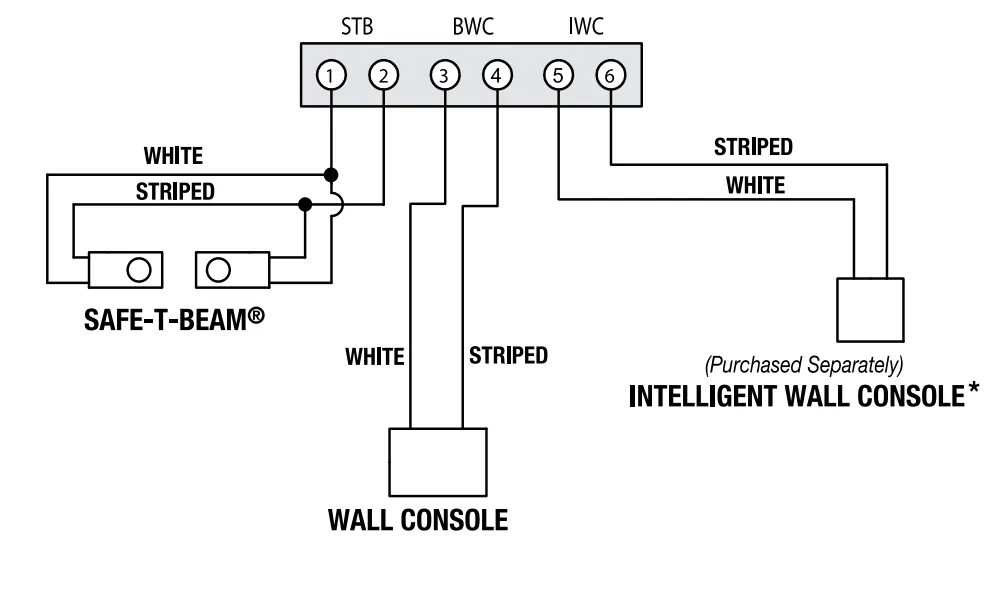
When your system stops responding, the cause is usually related to safety features or power flow rather than a mechanical failure of the motor. The most common trigger is an obstruction in the safety beam path. These sensors use an invisible infrared light to detect objects; if something blocks this beam, the motor won’t operate the door to prevent accidents. You can find official guidance on these requirements in the Consumer Product Safety Commission garage door guidelines.
Another frequent cause is a loss of electrical power. If the unit doesn’t hum or show any lights, check if the wall outlet is providing electricity. Sometimes, a ground fault circuit interrupter (GFCI) outlet nearby has tripped, cutting power to the entire circuit.
If the lights on the opener flash in a specific sequence, the unit is signaling a diagnostic code. These codes often indicate that the internal logic board has detected a fault in the motor, the travel limits, or the sensor wiring. If the unit is completely dead despite having power, it’s possible the internal fuse has blown or the motor has reached the end of its operational life.
Check the safety sensors
Before calling for help, inspect the two small sensors mounted at the bottom of your garage door tracks. One sensor should show a solid light, usually green, while the other shows a yellow or amber light. If either light is flickering or off, the sensors aren’t aligned correctly. You can gently adjust the mounting brackets by hand to point them directly at each other. Tighten the wing nut once the indicator lights stay solid.
If you clean the lenses with a soft, dry cloth, you may remove dust or spider webs that interfere with the signal. A common mistake is using chemical cleaners or abrasive paper towels, which can scratch the delicate plastic lens and permanently degrade the signal strength. Use only a microfiber cloth.
Ensure the cables running from these sensors to the motor housing aren’t cut, frayed, or disconnected. If you notice any damage to the wires, don’t attempt to repair them yourself, as this requires specific electrical knowledge and poses a risk of shock.
If the sensors remain dark after alignment and cleaning, check the wall-mounted control panel. If the panel light is flashing, the logic board may be detecting a short circuit. If the panel is dark, the issue is likely a blown fuse in the motor unit. If the sensors still fail to power up after these checks, the sensor set itself is likely faulty and requires a replacement part from the manufacturer.
Test the power supply
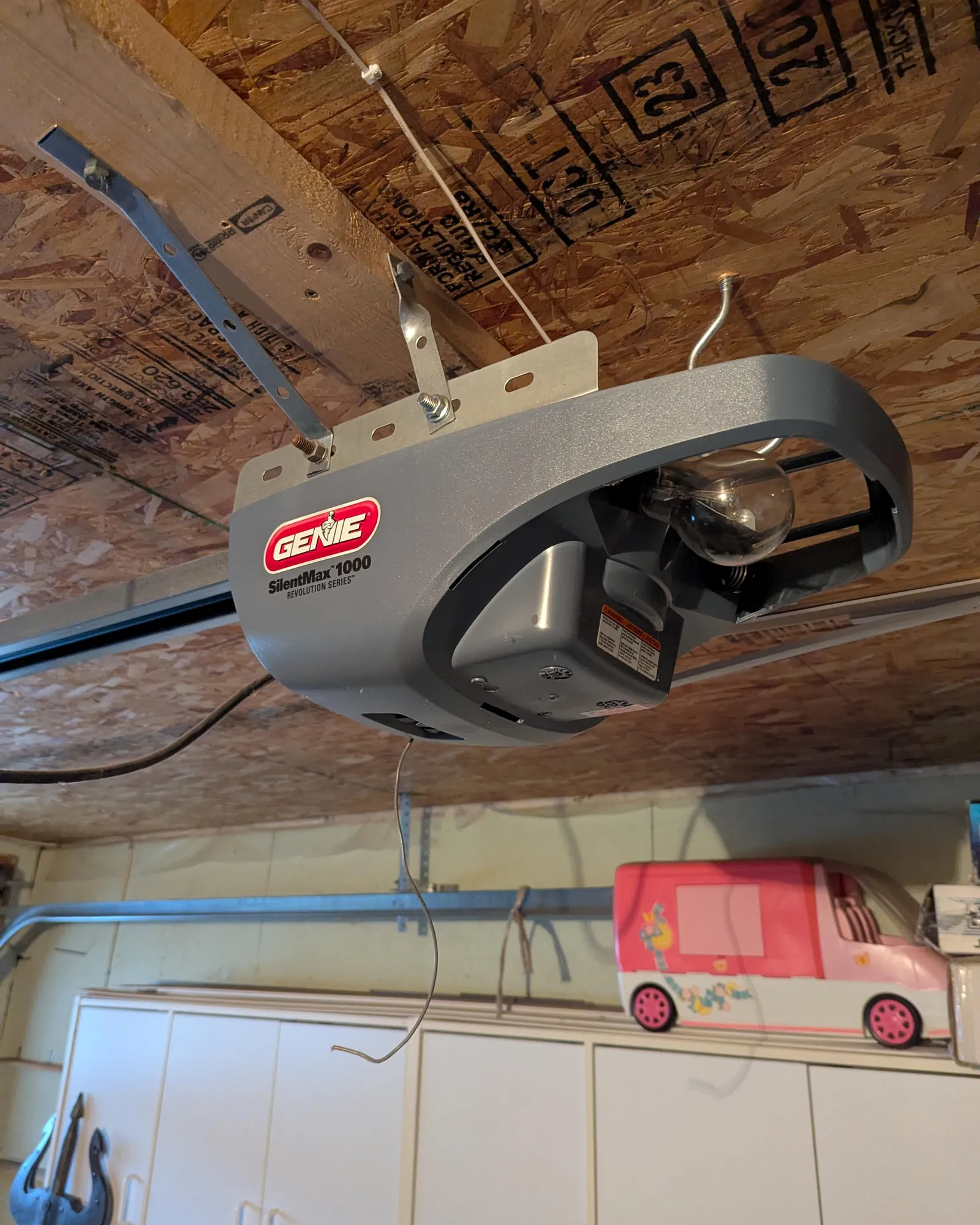
Verify that the opener is receiving electricity by checking your home’s main breaker panel. If the breaker for the garage circuit is in the middle position, flip it all the way to “off” and then back to “on” to reset it. If you have a wall outlet that’s controlled by a reset button, ensure it’s pushed in. You can test the outlet by plugging a lamp or a phone charger into the same socket to see if it works.
If the lamp fails to turn on, the problem lies with your home’s electrical supply rather than the opener itself. Check for tripped GFCI outlets in nearby rooms, as these often share a circuit and can cut power to the garage.
If the outlet works but the opener remains unresponsive, check the power cord for any physical damage or loose connections at the back of the motor unit. Look specifically for frayed insulation or signs of rodent chewing, which are common in garage environments.
Never attempt to open the motor housing to inspect internal wiring or the logic board. Opening the casing exposes you to high-voltage capacitors that can hold a lethal charge even when unplugged. If the unit is powered but still refuses to move, the issue is likely internal to the motor or the control board.
In such cases, contact a certified garage door technician who has the proper tools to diagnose the motor safely. Attempting a DIY repair on the internal board usually voids the manufacturer’s warranty, often costing you hundreds in replacement parts.
Reset the travel limits
If the door moves a few inches and then reverses, the system may have lost its programmed travel limits. This often happens after a power surge or an extended outage. To reset the travel, locate the program buttons on the side or back of the motor housing. You’ll need to put the unit into “set” mode and then manually move the door to the fully open and fully closed positions as directed by your owner’s manual.
This process teaches the motor the exact distance it needs to travel. If the door meets too much resistance, such as a binding track or a broken spring, the opener will automatically stop to prevent motor damage. Before resetting, pull the manual release cord to disengage the motor. If the door feels heavy, catches on the track, or fails to stay open halfway on its own, the problem is mechanical.
Don’t try to adjust the torsion springs yourself. These components are under immense pressure and can cause severe injury if they snap during an adjustment. If the door doesn’t glide smoothly by hand, call a professional to inspect the balance and tension. If you can lift the door easily with one hand, proceed with the electronic reset. If it requires two hands or significant strain, the motor is merely protecting itself from a failing hardware system.
Common mistakes to avoid
Don’t spray lubricant on the garage door tracks. Grease attracts grit and dust, creating a thick sludge that causes the rollers to bind. This resistance triggers the safety reverse, forcing you to troubleshoot a door that refuses to close.
Never pull the emergency release cord while the door is in the raised position. If the springs are worn, the door will drop instantly with the force of a falling guillotine. Always lower the door completely before disconnecting the opener.
Don’t attempt to bypass safety sensors by twisting their wires together. This removes a mandatory safety feature, leaving the door unable to detect pets or small children in its path. If your sensors are misaligned, the indicator light will blink; adjust the mounting brackets until the beam is solid rather than cutting corners.
Avoid using harsh chemical cleaners on sensor lenses. These solvents cloud the plastic, permanently blocking the infrared beam and rendering the entire system blind. Use only a dry microfiber cloth.
Preventing future door failures
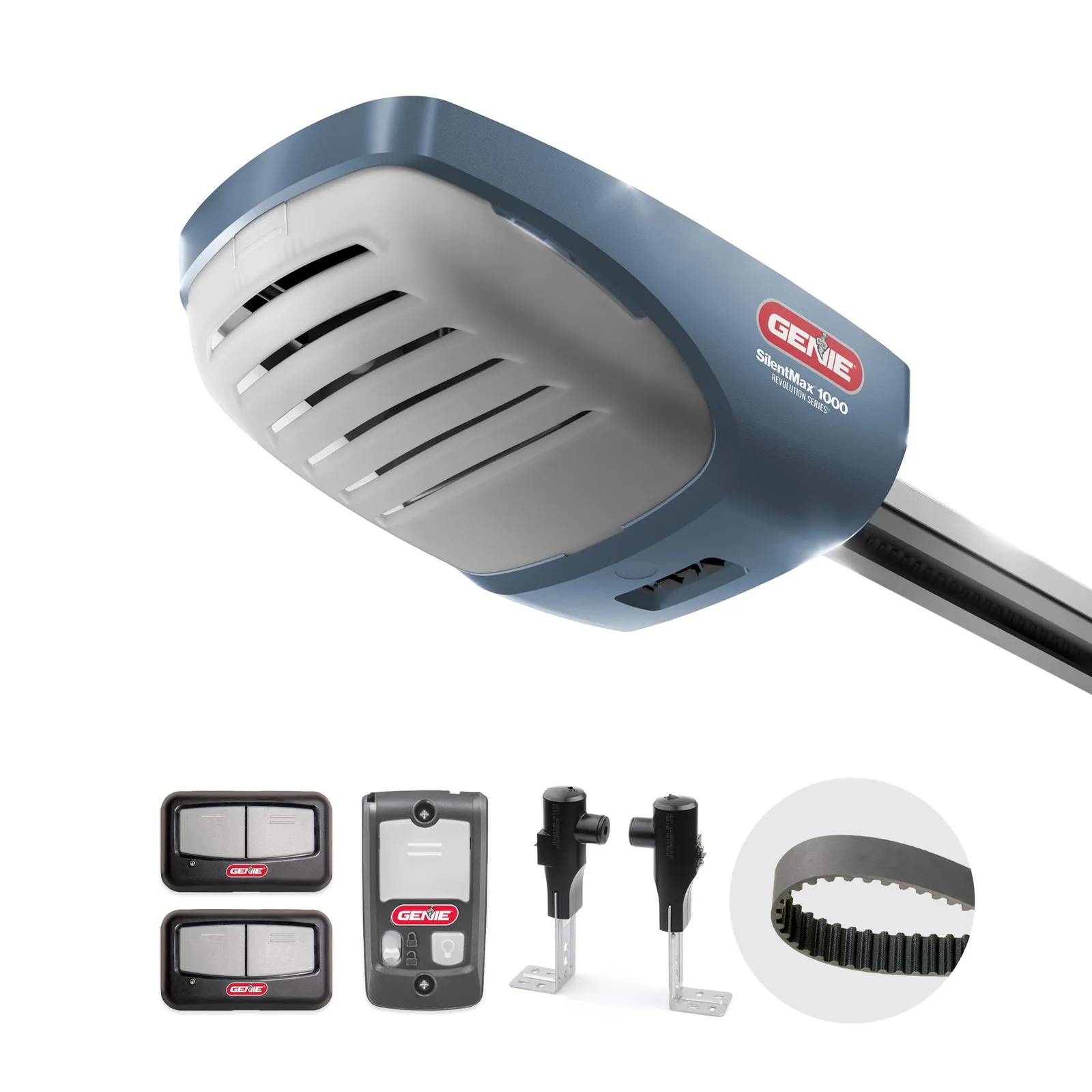
To keep your system running smoothly, perform a visual inspection of the hardware every season. If your door sounds loud or vibrates, check that all track bolts are tight. If the door hangs unevenly, call a professional to adjust the spring tension immediately.
Apply a silicone-based spray to hinges quarterly. Petroleum-based lubricants attract grit, which eventually grinds down the hinge pins and forces the motor to work harder. If your door reverses before hitting the floor, clean the infrared sensors with a dry microfiber cloth. Dust buildup often mimics an obstruction, causing the safety system to trigger unnecessarily.
If you hear a grinding noise, stop using the opener until you inspect the drive chain or belt. A chain with more than half an inch of sag needs tightening to prevent it from jumping the sprocket.
Never attempt to adjust or replace torsion springs yourself. These components hold enough torque to cause severe injury or property damage if they snap. If the door feels heavy when lifted manually, the springs have lost their tension. A professional technician is the only safe option for this repair.
Frequently asked questions
How long does a garage door opener last?
Most residential garage door openers last between 10 and 15 years. If your unit is older than 15 years, replacement parts like logic boards or motor gears are often unavailable. If the unit requires frequent repairs near the end of this range, replacing the system is more cost-effective.
Is it safe to open the motor housing?
No, it’s never safe for a home user to open the motor housing. The interior contains high-voltage capacitors that can store a lethal charge even when unplugged. Always contact a professional service technician if you suspect an internal electrical fault.
Why does my garage door only open a few inches?
Your door stops after a few inches because the system has detected a fault in its travel path or a safety sensor obstruction. This built-in safety feature prevents the door from hitting objects or overcoming excessive resistance. If the path is clear, the door may require professional spring tension adjustments.
Can I replace the sensor wires myself?
Yes, you can replace damaged low-voltage sensor wires if you use the gauge specified in your manual. Ensure the power is completely disconnected before touching any wiring. If you’re uncomfortable with low-voltage connections or if damage extends into the motor housing, contact a professional.
What happens if I pull the red emergency cord?
Pulling the red emergency cord disconnects the motor, allowing you to move the door manually. This is intended only for power outages or motor failure. Always ensure the door is fully closed before pulling the release cord to prevent the door from falling rapidly.
Conclusion
If these simple adjustments don’t get your door moving again, don’t hesitate to reach out to a local professional. Sometimes a worn-out capacitor or a faulty circuit board needs an expert’s touch to get things running smoothly. You’ll be back to using your garage reliably once the root cause is finally addressed.
