
Reciprocating motion is a back-and-forth movement that happens when a piston travels up and down or side to side within a cylinder to create or use energy. This mechanical action allows an engine to turn fuel into rotation, or a tool to perform repetitive tasks like drilling or sawing. It’s the repeating cycle of pushing and pulling that keeps machines working in a steady, predictable rhythm.
Parts of reciprocating systems
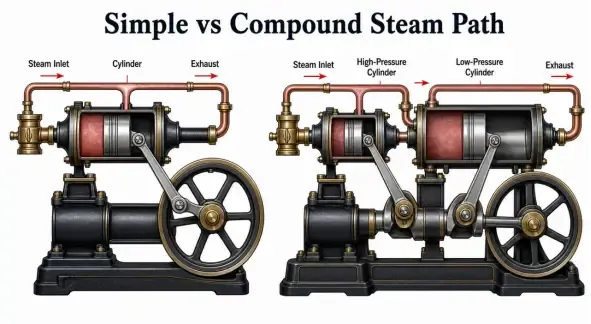
The components below work together to convert linear force into useful movement. You can verify the specific material or tolerance for these parts by checking the service manual provided by the manufacturer of your specific tool or engine.
| Part or input | What it does | What you notice when it goes wrong |
|---|---|---|
| Piston | Moves inside the cylinder | Loss of power or compression |
| Connecting rod | Links piston to crankshaft | Loud knocking or metal sounds |
| Crankshaft | Changes linear to rotary | Vibration or engine seizure |
| Cylinder wall | Guides the piston travel | Oil burning or low pressure |
| Valves | Manage fuel and air | Rough idling or stalling |
| Flywheel | Keeps the motion smooth | Uneven speed or stalling |
If your system produces a rhythmic metallic tapping that accelerates with engine speed, you’re likely dealing with a failing connecting rod bearing.
When diagnosing, check your oil filter for metallic flakes. If you find glitter-like debris, the system has already suffered internal damage. If the oil remains clean, the noise may simply be a loose valve train component. Always prioritize the oil analysis before tearing down the block.
Moving parts in reciprocating engines
The cycle of an engine follows a precise sequence that repeats thousands of times every minute. This process turns the energy from small, contained explosions into the circular motion that moves a vehicle or drives a tool.
- The intake stroke pulls a mixture of air and fuel into the cylinder as the piston moves downward. This takes about 180 degrees of the crankshaft rotation.
- The compression stroke starts as the piston moves back up, squeezing the air and fuel tightly. This creates high pressure, which is vital for a strong power stroke.
- The power stroke begins when the spark plug ignites the fuel. The expanding gases force the piston down, which turns the crankshaft and creates the engine’s torque.
- The exhaust stroke clears the burnt gases out of the cylinder as the piston moves up again. This happens while the exhaust valve is held open by the camshaft.
- The cycle repeats continuously as long as fuel, air, and spark are present. The speed of this cycle is measured in revolutions per minute, or RPM.
- The U.S. Department of Energy notes that thermal efficiency in these engines depends on how well the heat is converted into mechanical work.
Why reciprocating motion creates mechanical friction
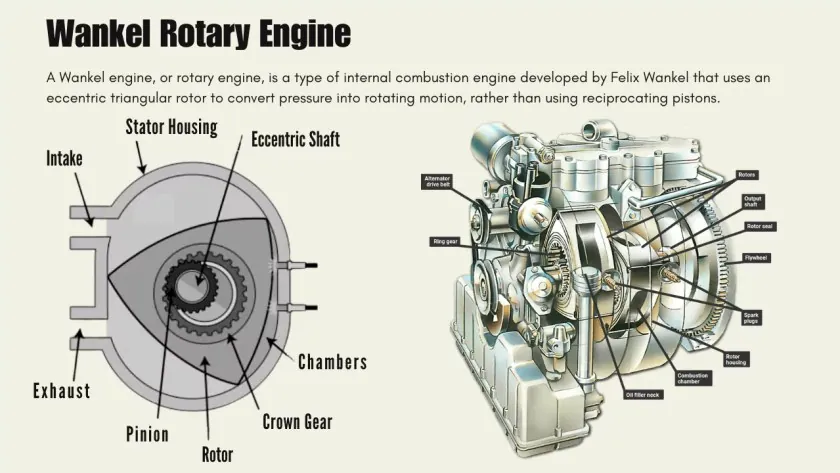
The back-and-forth nature of this motion creates specific challenges that affect the lifespan of your equipment. Because the piston must come to a complete stop at the top and bottom of every stroke before reversing direction, it experiences extreme stress. This constant change in momentum is why high-speed engines require precise lubrication. If the oil film breaks down, the metal parts touch directly, which leads to rapid wear and eventual failure.
You can tell if a system is struggling by listening for changes in the rhythm of the machine. A healthy engine has a consistent, uniform sound. If you hear a sharp, metallic tapping, it often means the connecting rod bearings are worn and have too much “play” in their movement.
This is a common mistake people make; they ignore small, rhythmic sounds until they become a major mechanical failure. The cost of this neglect is usually a total engine rebuild instead of a simple adjustment.
The design of the engine also dictates how fast it can safely run. A long-stroke engine has more movement per cycle, which gives it more torque but limits its maximum RPM. If you force an engine to run past its rated speed, the forces on the connecting rod can cause it to snap, which destroys the entire cylinder assembly.
Controls and limits of mechanical movement
What you control
- Oil quality: Use the exact viscosity grade the maker specifies to keep the piston moving smoothly.
- Engine load: Keep the tool or engine within its rated capacity to avoid bending the rods.
- Maintenance schedule: Change filters and fluids at the intervals listed in your owner’s manual.
- Operating temperature: Allow the engine to warm up before applying a heavy load to ensure parts expand correctly.
Fixed design limits
- Stroke length: The physical distance the piston travels is set by the crankshaft geometry.
- Cylinder bore: The diameter of the cylinder is fixed and determines the displacement of the engine.
- Compression ratio: This is a set mathematical value based on the volume of the combustion chamber.
If you need to replace internal components or adjust the timing of these parts, you must consult a certified technician. Attempting this without the proper training or specialized tools often voids the warranty and risks permanent damage to the machine.
Habits for better machine performance
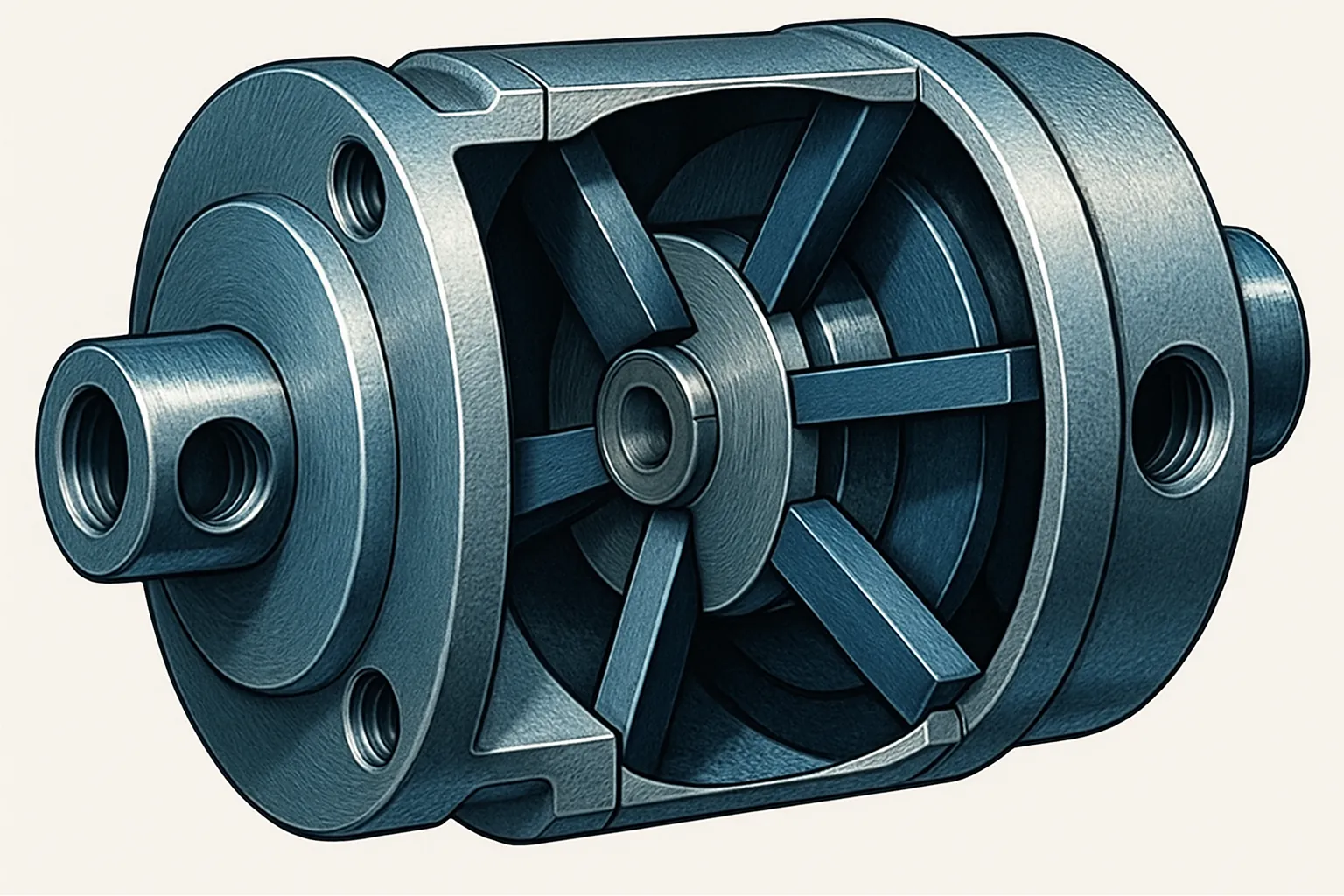
Consistent performance relies on respecting the physical limits of the reciprocating parts. Because the piston speed changes constantly, even small improvements in how you operate the machine can significantly extend its life.
First, always use the correct fuel grade. Using a lower octane than the manufacturer requires can cause “knocking,” where the fuel explodes too early and pushes against the piston while it’s still moving upward. This puts massive stress on the connecting rod bearings.
Second, monitor your oil levels daily. Since the piston rings are the only thing keeping oil out of the combustion chamber, any wear here lets oil burn off. If the oil level drops below the dipstick mark, the friction on the cylinder walls increases instantly.
Third, avoid “cold-revving” the machine. Cold metal parts have slightly different clearances than warm ones. Giving the engine 2–3 minutes to reach operating temperature ensures the oil is thin enough to protect the high-speed surfaces during the reciprocating cycle.
Related guides
- Best Time to Test Pool Water: 5 Essential Testing Tools in 2026
- Plunger vs Drain Snake: Which Tool Clears Your Clog Best in 2026
- Best Plumbing Tools 2026: Essential Kit for Home Repairs in 2026
Frequently asked questions
How fast does a piston move?
A piston reaches its highest speed near the middle of the stroke, often exceeding 3,000 feet per minute in a standard passenger car engine at highway speeds. This speed varies based on the stroke length of your specific engine model, which you can find in the technical specifications section of your owner’s manual.
Is it safe to run an engine at high RPM?
It’s safe only if you stay below the “redline” set by the manufacturer for your specific engine model. Running above this limit creates inertia forces that can snap a connecting rod, so always check the tachometer or the manual to see the maximum allowed speed for your equipment.
Why does my engine vibrate?
Vibration usually happens because the reciprocating parts aren’t perfectly balanced or because the combustion is uneven across multiple cylinders. If the vibration is sudden or worsening, check the engine mounts for damage, as these parts are designed to absorb the natural back-and-forth energy of the piston movement.
How long do reciprocating parts last?
Reciprocating parts typically last for the life of the engine, often 150,000 to 200,000 miles, provided the oil is changed according to the schedule in your service guide. The specific lifespan depends on the quality of the oil and the cleanliness of the air filter, which prevents abrasive dust from scoring the cylinder walls.
Does the oil type matter for reciprocating motion?
The oil type matters because it must be thin enough to flow instantly at startup but thick enough to stay between the piston and cylinder wall under heat. Always use the exact viscosity rating listed on your oil cap or in your manual to ensure the lubricating film doesn’t fail.
What happens if the piston hits the valve?
The piston hitting the valve usually results in catastrophic engine failure, often bending the valves and damaging the piston head itself. This happens if the timing belt or chain slips, causing the parts to move out of sync, and requires a professional teardown to assess the internal damage.
Conclusion
Whether you’re tinkering with a small engine or simply curious about how your power tools function, understanding these rhythmic movements is a great start. You’ll find that once you recognize this motion in action, it’s easier to maintain your equipment. Don’t hesitate to open up a manual and see how yours works.
