
To fix a whirlpool dishwasher leaking, you should first check the door gasket for debris or damage, as this is the most common cause. If the seal is clean and intact, check the water inlet valve or the drain hose for cracks. A leak often happens because food particles block the seal, preventing it from closing tight against the tub. If you see water on the floor, wipe it up immediately to prevent damage to your kitchen subfloor.
Why your Whirlpool dishwasher is leaking
When your machine begins to leak, the cause is usually related to a failure in the seal or a blockage in the drainage system. The most frequent culprit is a dirty door gasket. Over time, grease and small food bits build up on the rubber seal. This prevents the door from closing properly. When the door doesn’t seal, water sprays out during the wash cycle.
Another common cause involves the water inlet valve. This part controls the flow of water into the tub. If the valve fails to close completely, the dishwasher may overfill, causing water to spill out from the bottom. This often happens due to mineral buildup in hard water areas. You can check your local water hardness levels by contacting your local municipal water utility or checking their annual water quality report.
Finally, check the drain hose underneath the unit. If this hose is kinked or has a small hole, water will drip out every time the pump runs. A loose clamp on the hose connection is also a common issue. If you see water pooling near the front, it’s almost always the door gasket; if the water is under the center or rear, it’s usually a hose or valve issue.
Clean the door seal
To clean the door gasket, you need a soft cloth and warm, soapy water. Open the dishwasher door fully to expose the entire rubber seal that runs around the perimeter of the tub. Carefully wipe away any food residue, soap scum, or mold from the folds of the rubber. Don’t use sharp tools to scrape the seal, as this will tear the material and make the leak worse.
After cleaning, check the seal for any cracks or missing chunks. If the rubber feels hard or brittle instead of soft and flexible, it’s time to replace it. A damaged seal can’t hold water back, no matter how clean it is. If you find a tear, you should order a replacement part specifically for your model number.
If the seal looks perfect, close the door and look for gaps. If you see light coming through the door edge while the unit is closed, the door hinges might be bent. If the hinges are fine, adjust the leveling legs on the bottom of the dishwasher.
If the machine isn’t level, water will pool toward one side and overflow the door seal. This is a fix you can do with a standard wrench by turning the feet clockwise or counter-clockwise.
Inspect the water valves and hoses
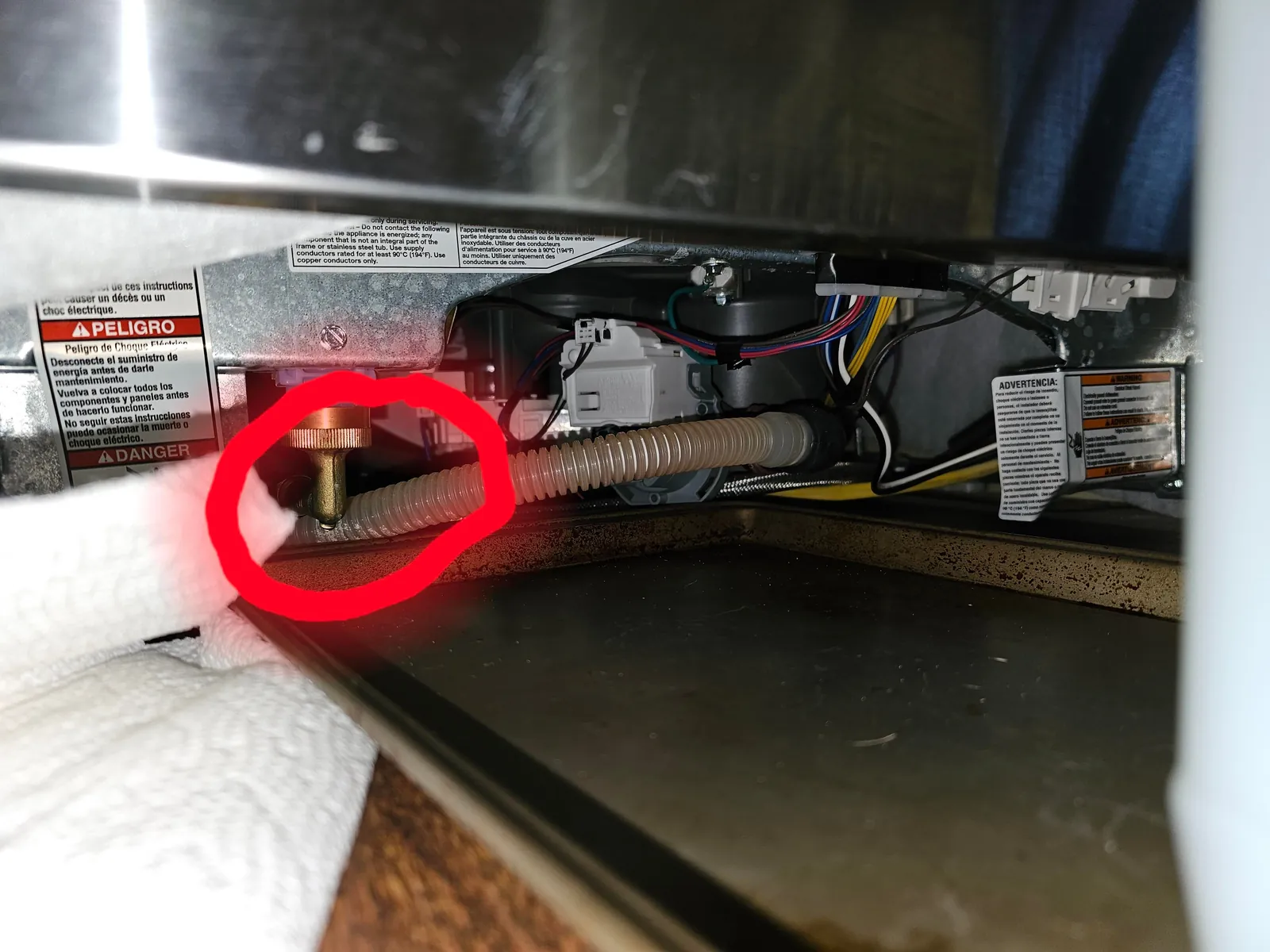
If the door gasket is fine, you need to examine the components underneath the dishwasher. You’ll likely need to remove the lower kickplate, which is held on by two or four screws. Once the plate is off, use a flashlight to look at the water inlet valve and the drain hose connections. If you see water dripping while the cycle is running, you have found the leak.
If you find a loose hose clamp, use a screwdriver to tighten it until the hose is secure against the fitting. If the hose itself is cracked, you must replace the entire hose. Never attempt to patch a leaking hose with tape, as the water pressure will quickly blow the tape off. If the water inlet valve is leaking from the body of the unit, the valve itself is broken and requires a full replacement.
Check the rubber O-ring inside the inlet valve fitting before buying a new part. If the water drips only when the machine is filling, the O-ring is likely flattened or cracked. Replacing this inexpensive seal often fixes the issue without a full valve replacement.
For these repairs, ensure the power is off at the circuit breaker before you touch any internal components. If you aren’t comfortable working with water lines or electrical connections, contact a professional plumber or appliance repair technician. If you see a white, chalky residue near a connection, that’s a sign of a slow, persistent leak that’s already corroding your fittings.
Replace a damaged drain pump
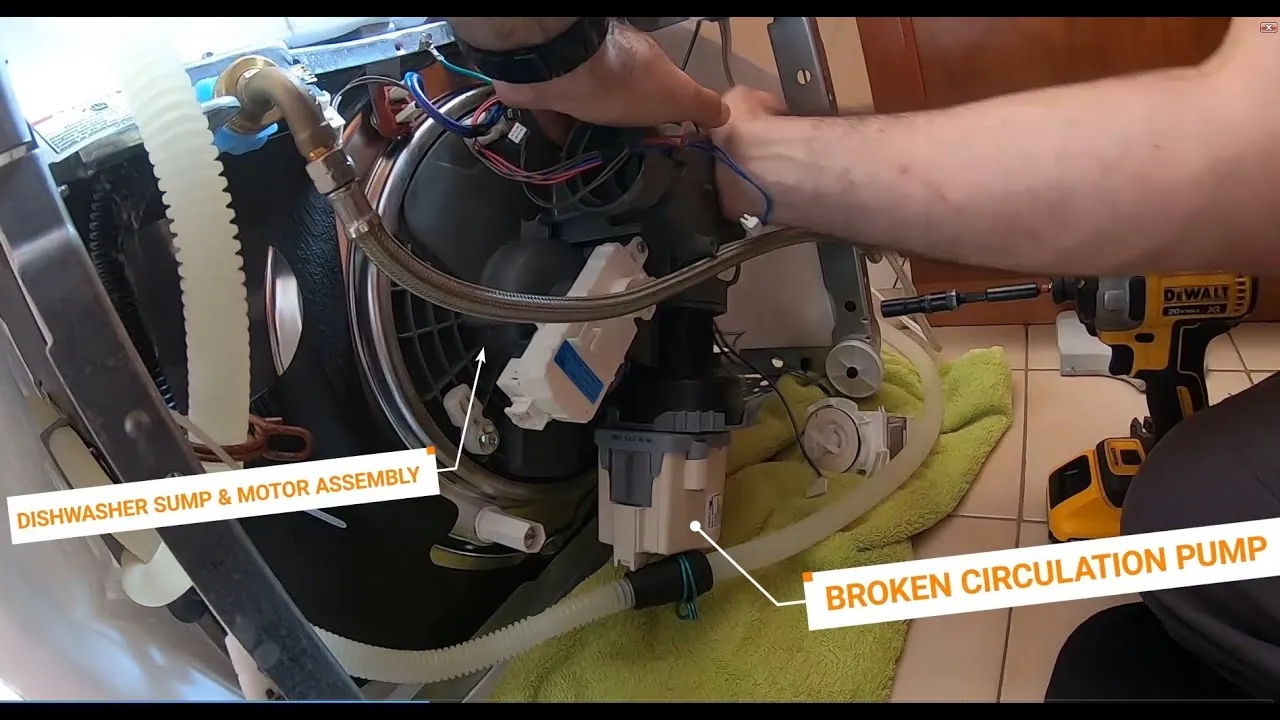
The drain pump is a common point of failure for older units. If the pump seal wears out, water will leak from the bottom of the motor assembly during the drain cycle. This is a more involved repair than cleaning a seal or tightening a clamp. You’ll need to remove the dishwasher from under the counter to access the pump at the rear or bottom.
This fix is for someone with experience in appliance repair. If you aren’t confident, hire a professional to avoid damaging the electrical system or causing a major flood. You can tell if the pump is the issue by listening for a grinding noise during the drain cycle. If you hear a loud hum or grinding, the pump bearings are likely failing, which often leads to a leak at the shaft seal.
Before buying a new pump, check your owner’s manual for the specific part number. Using the wrong pump will prevent the machine from draining or cause even larger leaks. If the pump is spinning but not moving water, ensure the drain hose isn’t blocked by a piece of plastic or a bone. A blockage creates backpressure that forces water out through the weakest point in the system.
Avoid these common maintenance mistakes
Using dish soap instead of dishwasher detergent creates an excess of bubbles. These suds force their way past the door seal, leading to persistent leaks. If you see foam pooling on your floor, stop the cycle immediately and run a rinse-only program to clear the suds.
Overloading the machine often blocks the spray arm. If a large plate touches the door, it prevents a tight seal during the cycle. Always ensure the arm spins freely before you start the wash.
Ignoring a small drip under the unit is a costly error. These slow leaks eventually rot your kitchen cabinets and ruin subflooring. If you find moisture, check the hose clamps first; they often loosen over time.
If your unit tilts forward, water flows toward the door instead of the drain. Use a bubble level on the top rack. If the bubble is off-center, adjust the feet until the machine sits perfectly flat.
Finally, never use bleach on rubber seals. Harsh chemicals dry out the material, causing it to crack and fail. Use mild soap and water for cleaning instead.
Prevent future leaks with better habits
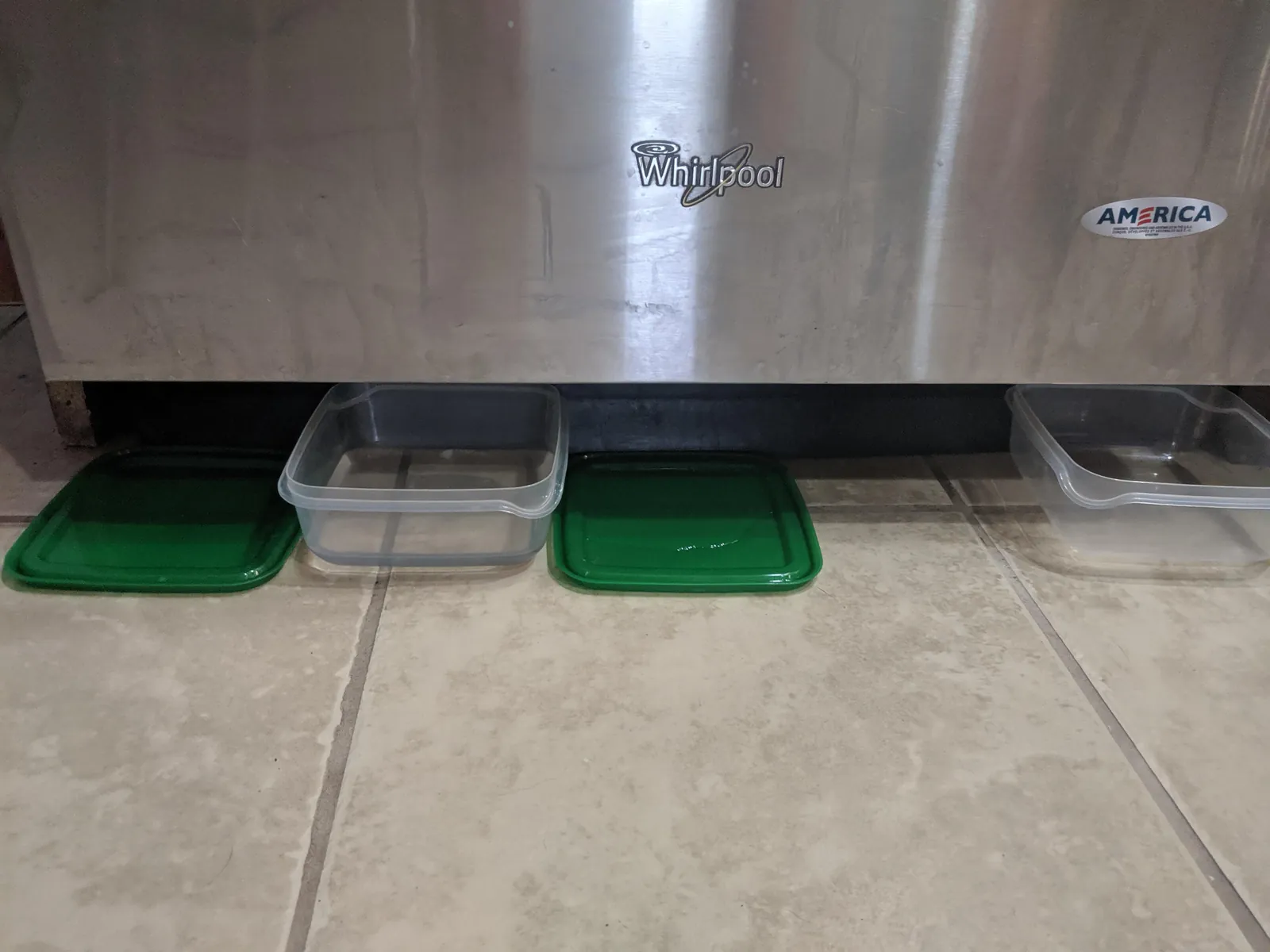
To keep your appliance running well, you must monitor your loading habits and keep the interior clean. A dishwasher that’s properly maintained will rarely leak. If you notice a small amount of water once, check the seal immediately. If you ignore it, the water will likely damage the wood under your sink or the flooring in front of the unit.
| If you’re doing this | Do this instead | Why |
|---|---|---|
| Using liquid hand soap | Use tablets or powder | Hand soap creates excess foam |
| Leaving food on plates | Scrape dishes well | Food clogs the drain and seal |
| Forcing large plates | Load items carefully | Blocks the door from closing |
| Ignoring the filter | Clean the filter weekly | Prevents debris from blocking drainage |
| Running it unlevel | Adjust the feet | Keeps water away from the door |
The frequency of cleaning depends on how often you run the machine. Check the seals and the filter based on your usage patterns, but always refer to the owner’s manual for the official maintenance schedule.
Related guides
- Brand New Hot Tub Leaking: Find and Fix the Leak Fast in 2026
- Best Affordable Dishwasher in 2026
- Best Countertop Dishwasher Under 400 in 2026
Frequently Asked Questions
How often should I check the door seal?
Check the door seal for debris and damage monthly. Run your finger along the rubber to feel for buildup or hardened gunk. If the seal feels stiff or has visible cracks, replace it to prevent leaks.
Can I fix a dishwasher leak myself?
You can fix most leaks caused by a dirty gasket, loose hose clamp, or unlevel unit using basic tools. If the leak originates from internal electrical components or the motor housing, contact a professional to avoid shock or permanent damage.
How long does a dishwasher door gasket last?
A door gasket typically lasts between 5 and 10 years, depending on water quality and cleaning frequency. Hard water causes mineral buildup that makes rubber stiff and prone to cracking.
What happens if I ignore a small dishwasher leak?
If you ignore a small leak, the water will slowly seep into your subfloor and the cabinets surrounding the dishwasher. Over time, this causes wood rot, mold growth, and damage to your kitchen flooring that costs far more to repair than a simple gasket. Even a few ounces of water per cycle can ruin a cabinet base. Always address any moisture you see on the floor immediately to protect your home’s structure.
Why is my dishwasher leaking from the bottom?
A leak from the bottom usually points to a loose drain hose, a failed pump seal, or a faulty water inlet valve. Remove the kickplate while the machine is running to identify the source of the water.
Conclusion
If your kitchen remains wet after you’ve checked these parts, it’s time to call a professional technician. They’ll have the right tools to find hidden cracks you can’t see. Don’t wait too long, as standing water won’t just ruin your floors—it’ll also lead to mold growth that’s tough to clean.
