
A wellhead is the surface termination of a wellbore that requires careful installation to support drilling and production equipment. It acts as a pressure-containing barrier that allows for the monitoring of flow control and long-term well integrity. By managing the weight of casing strings and housing internal components, the wellhead serves as the essential anchor for all surface-level operations.
Key Takeaways
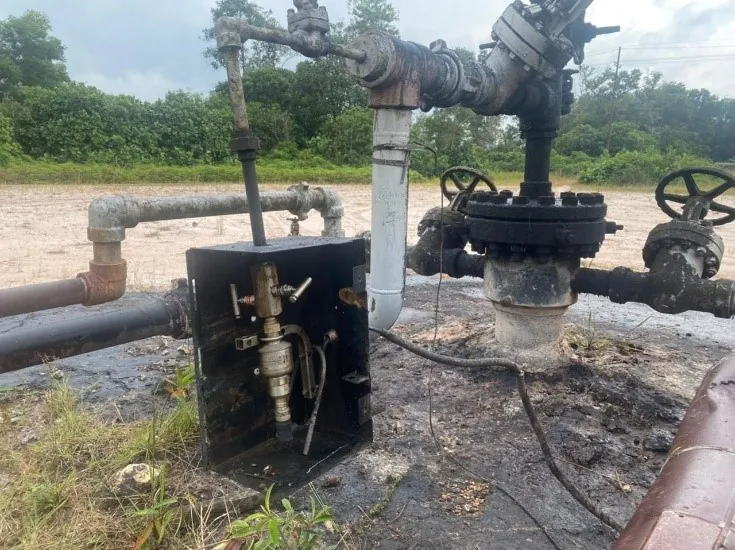
- Wellheads act as the primary structural support for all casing strings in a borehole.
- Pressure control is maintained through a series of valves and seals within the assembly.
- Proper installation requires strict adherence to American Petroleum Institute specification 6A regarding design and material integrity.
- Regular monitoring of annulus pressure is mandatory to detect potential leaks or casing failures.
- Automated telemetry systems now allow operators to oversee wellhead performance from remote locations.
How Wellheads Work From Installation to Monitoring
The lifecycle of a wellhead begins once the drilling of the surface hole is complete. The process is a sequence of engineering steps designed to ensure that the connection between the rock formation and the surface remains leak-proof and stable.
The Initial Installation Phase
Installation starts with the setting of the conductor pipe, which provides the foundation for the entire well. Once the surface casing is cemented into place, the wellhead housing is welded or attached to the top of this casing. This housing serves as the base for all subsequent stages of the well.
- Casing Hangers: These components support the weight of the production casing strings.
- Seal Assemblies: Specialized rubber or metal rings that prevent fluid migration between casing strings.
- Lockdown Pins: Mechanical fasteners that secure the internal components against upward pressure.
Managing Pressure and Flow Control
After the wellhead is installed, the “Christmas tree” is bolted onto the top. This assembly of valves, spools, and fittings is what most people visualize when they think of oil and gas infrastructure. It’s designed to control the flow of hydrocarbons while allowing for well intervention if necessary.
| Component | Function | Material Type |
|---|---|---|
| Master Valve | Main shut-off control | Steel alloy |
| Wing Valve | Regulates flow to pipeline | Steel alloy |
| Choke Valve | Controls production rate | Tungsten carbide |
| Swab Valve | Access for wireline tools | Steel alloy |
Why is Wellhead Integrity Critical?
The wellhead is the final line of defense against a blowout or uncontrolled release of fluids. Because it must withstand extreme pressure and corrosive elements, engineers must account for the specific chemical composition of the reservoir fluids. If a seal fails, the resulting leak can lead to environmental contamination or, in extreme cases, the total loss of the well.
Warning: Always ensure that all pressure gauges are calibrated and read zero before attempting to service or loosen any bolts on the wellhead assembly.
Components of the Wellhead System
A standard system consists of several distinct parts that stack vertically. The casing head sits at the bottom, followed by the tubing head, and finally the production tree. Each section is separated by a flange or a clamp connection, which must be bolted to specific torque requirements to maintain the integrity of the pressure containment barrier.
- Casing Head: Supports the surface and intermediate casing.
- Casing Spool: Provides a transition point for additional strings.
- Tubing Head: Anchors the production tubing string.
- Production Tree: Directs the flow of product.
What are the Installation Steps?
The installation process is highly standardized to minimize the risk of human error. It follows a rigorous sequence that verifies both mechanical fit and pressure ratings at every stage of the build.
The Standard Sequence
- Surface Preparation: Cleaning the casing stub to ensure a perfect metal-to-metal seal.
- Housing Alignment: Leveling the base housing to prevent uneven stress distribution.
- Casing Suspension: Lowering the casing string and setting it into the hangers.
- Pressure Testing: Applying hydraulic fluid to verify the seal integrity before moving to the next stage.
Pro Tip: Use high-quality thread compounds to prevent galling during the assembly of flange bolts, as this ensures that the connection can be disassembled easily during future maintenance cycles.
How do operators perform monitoring?
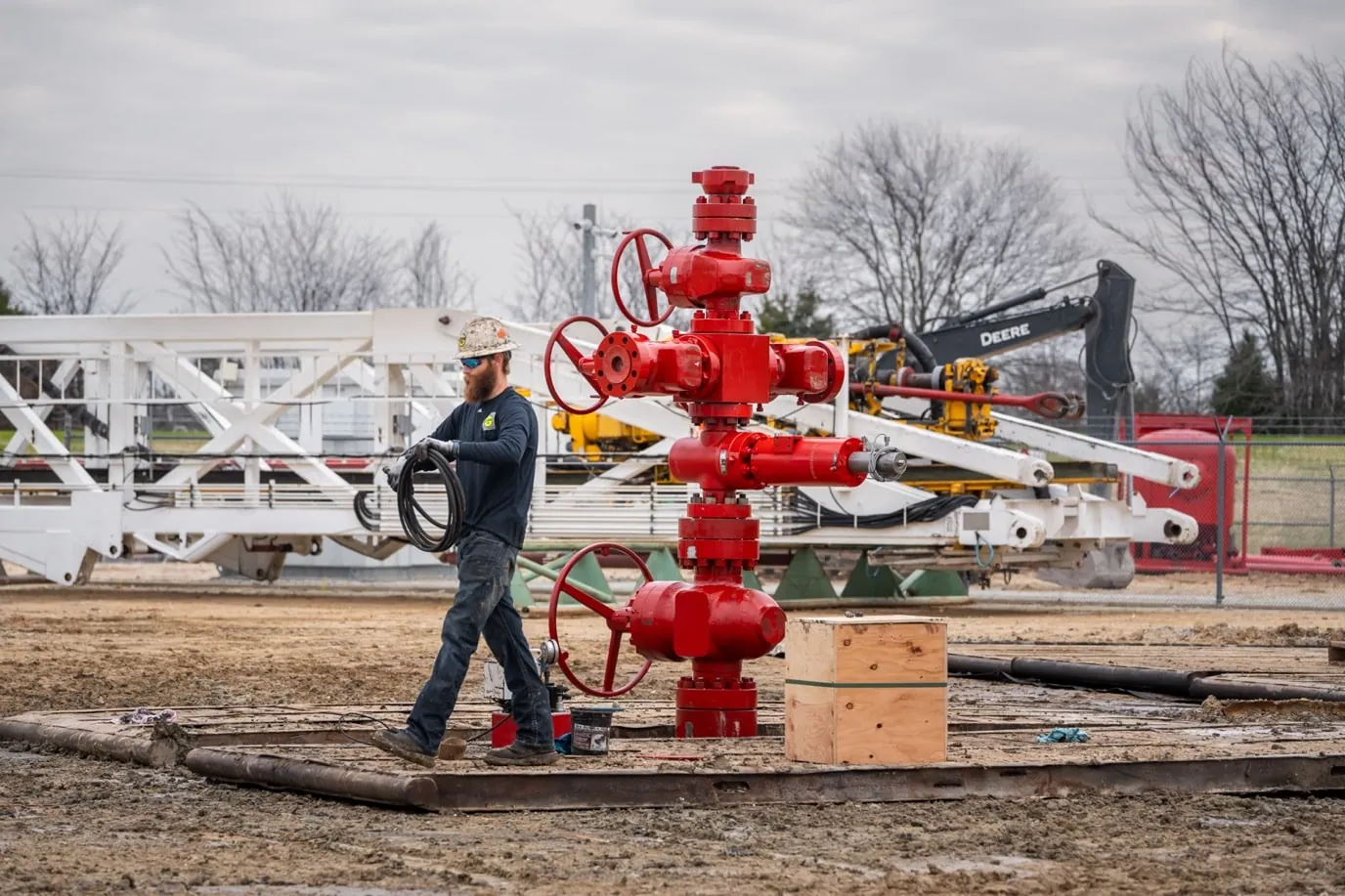
Modern monitoring has shifted from manual site visits to digital integration. Sensors attached to the wellhead provide real-time data on pressure, temperature, and flow rates. This allows for the immediate identification of anomalies, such as a drop in pressure that might indicate a subsurface leak or a blockage in the flow line.
Remote Monitoring Technologies
- Pressure Transducers: Send digital signals to a central control room.
- Acoustic Sensors: Detect the sound of fluid turbulence inside the pipes.
- Video Surveillance: Provides visual confirmation of the site status in remote areas.
- Telemetry Units: Transmit data via satellite or cellular networks.
Managing Corrosion and Wear
Over time, the harsh chemicals found in oil and gas production can degrade the metallic components of the wellhead. Hydrogen sulfide, carbon dioxide, and saltwater are the primary culprits. Operators must schedule periodic inspections to check for wall thinning or pitting, especially in high-pressure gas wells where the risk of failure is elevated.
Troubleshooting Common Wellhead Issues
When a problem occurs, it’s usually localized to the seals or the valve actuators. Identifying the source of the issue early can prevent the need for a full workover, which is expensive and time-consuming.
| Symptom | Likely Cause | Suggested Action |
|---|---|---|
| Pressure in Annulus | Failed seal assembly | Replace seal unit |
| Valve Sticking | Debris in valve seat | Flush with solvent |
| External Leak | Loose flange bolts | Re-torque to specification |
| Gauge Fluctuation | Sensor malfunction | Calibrate or replace unit |
How often should inspections happen?
Regular maintenance isn’t just a best practice; it’s often a regulatory requirement. Operators typically follow a tiered inspection schedule based on the age of the well and the corrosivity of the produced fluids.
- Daily: Visual check of gauges and surface leaks.
- Monthly: Verification of telemetry data against manual readings.
- Annually: Full maintenance of all valves and pressure testing of the seals.
- Every Five Years: Detailed inspection of the internal components during a scheduled workover.
Safety Protocols for Field Staff
Field technicians working on wellheads must wear appropriate personal protective equipment, including flame-resistant clothing and respiratory protection if hydrogen sulfide is suspected. Before any work begins, the well must be “shut in”—a process where all valves are closed to isolate the wellbore from the surface equipment.
What is the role of automation?
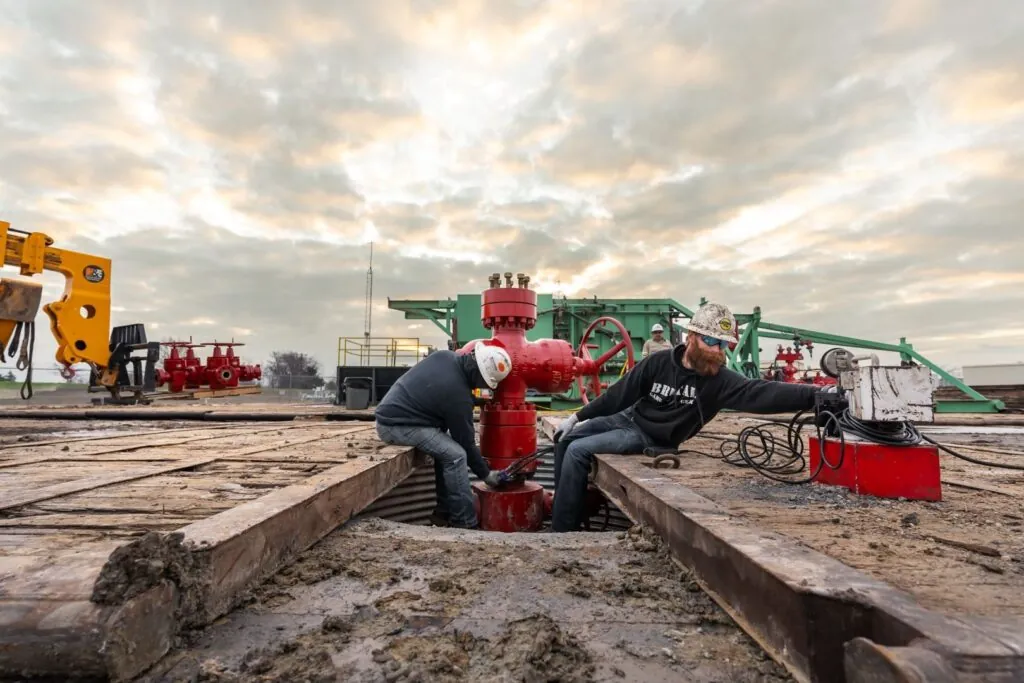
Automation has revolutionized the field by reducing the need for personnel to be physically present at the wellhead. Automated choke valves can adjust production rates based on real-time market demand or pipeline constraints, and automated shut-in valves can isolate the well in milliseconds if a pressure spike is detected, preventing a potential accident.
Frequently Asked Questions
What causes a wellhead to leak?
Leaks are most commonly caused by the degradation of elastomer seals or the failure of flange gaskets due to thermal expansion and contraction. Corrosion from reservoir fluids can also eat away at metal surfaces, creating paths for gas or oil to escape. Regular pressure testing and the use of corrosion-resistant alloys are the standard methods used to prevent these dangerous seal failures.
Can a wellhead be repaired?
Yes, minor repairs such as replacing valve stems, tightening flange bolts, or swapping out pressure gauges can be performed while the well is shut in. However, if the main housing or the casing hangers are damaged, a major workover or even a full well intervention may be required to replace the damaged infrastructure safely without compromising the reservoir isolation.
Why is annulus pressure monitored?
The annulus is the space between the casing strings. Any pressure buildup in this area indicates that the primary barriers have failed and reservoir fluids are migrating into the space where they don’t belong. Monitoring this pressure is the only way to detect a hidden, slow-motion casing leak before it results in a catastrophic structural failure of the wellhead assembly.
What is a Christmas tree?
The Christmas tree is the specific assembly of valves and fittings installed on top of the wellhead housing. It’s designed to control the flow of oil or gas from the well and allows for the injection of chemicals or the insertion of maintenance tools into the wellbore. It’s the most visible and complex part of the entire surface production system.
How are wellheads decommissioned?
Decommissioning involves permanently plugging the well with cement to prevent fluid migration. Once the reservoir is sealed, the wellhead is cut off below the surface, and the site is remediated. This ensures that the well poses no future risk to the environment or groundwater supplies, effectively returning the land to its original state after the production lifecycle has reached its end.
Conclusion
To ensure your wellhead remains in optimal condition, establish a strict schedule of monthly pressure-testing and data logging. If you notice any sustained pressure in the annulus or signs of external corrosion, consult with a certified petroleum engineer immediately to conduct a comprehensive structural assessment and avoid potential environmental or safety hazards.
