
Metallic coatings are thin layers of metal applied to a substrate to improve corrosion resistance, surface hardness, or aesthetic appeal. These finishes are created using methods like electroplating, hot-dipping, or thermal spraying to bond the protective metal to the base material. The choice of technique depends on the required thickness, the shape of the part, and the environmental stress the item will face during its service life.
The primary factor determining success is surface preparation. If the base metal contains oils, rust, or scale, the coating won’t bond correctly and will flake off during use. Most failures occur because the substrate wasn’t cleaned to the required level of cleanliness before the process began.
How metallic coatings are applied
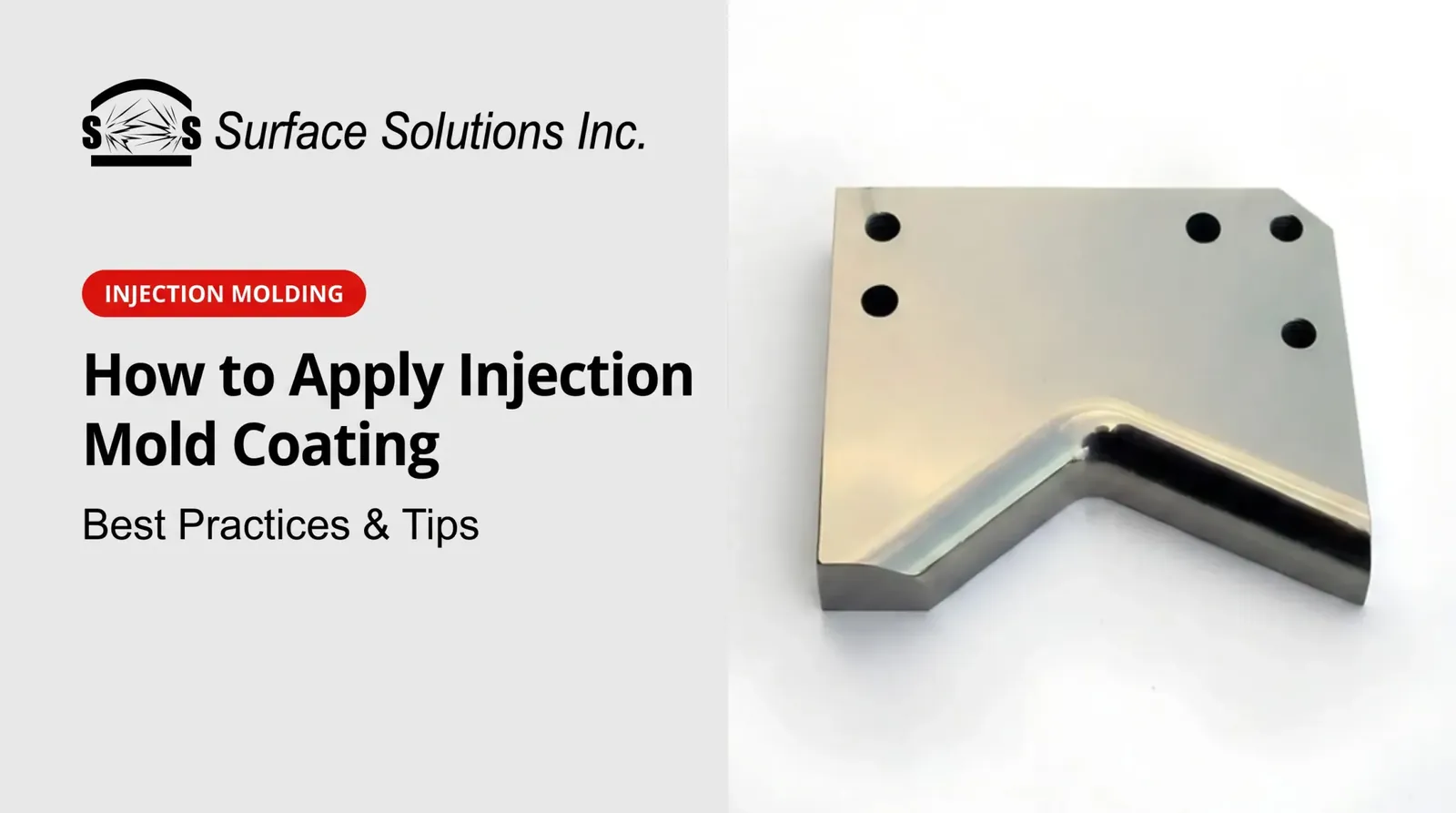
Applying a durable metal finish requires precise control over chemical baths or thermal equipment. These steps outline the standard electroplating method used for many industrial parts.
- Clean the part thoroughly using an alkaline degreaser or solvent to remove all oils and greases.
- Etch the surface with an acid dip to remove oxides and create a microscopically rough surface that improves adhesion.
- Submerge the part in an electrolyte bath containing the metal ions you wish to deposit, such as zinc or nickel.
- Apply a direct current to the bath, which causes metal ions to move toward the part and form a solid, uniform layer.
- Rinse the part in deionized water to stop the chemical reaction and prevent corrosion from trapped chemicals.
- Bake the finished component in an oven if hydrogen embrittlement is a concern, especially for high-strength steel parts.
Tip: Never skip the rinsing step between chemical baths. Carrying over even small amounts of acid into the plating tank will ruin the chemistry and cause the finish to become brittle.
Tip: If you’re working with high-strength fasteners, you must follow the ISO 4042 standard for electroplated coatings to manage hydrogen embrittlement risks.
Timing for Coating Applications
The time required to finish a part varies based on the desired thickness and the specific metal being deposited. Thicker coatings require longer immersion times to build up the necessary volume of material.
| Situation | Typical Time | What changes it | What to watch for |
|---|---|---|---|
| Decorative plating | 5–15 minutes | Current density | Surface dullness |
| Heavy duty corrosion | 30–60 minutes | Required thickness | Rough texture |
| Small batch parts | 20–40 minutes | Bath concentration | Color consistency |
If the coating takes longer than expected, check your power supply voltage. Low current density slows the deposition rate significantly.
Apply the rule of thumb: if the surface appears dull, increase your current density by 10 percent. If the texture turns rough or granular, you’re pushing too much power and must dial it back immediately.
Most operators make the mistake of leaving parts in the bath for extended periods to compensate for poor chemistry. This rarely fixes the thickness and usually ruins the finish. If your bath concentration is low, no amount of extra time will produce a uniform, durable result. You must replenish the electrolyte levels before attempting another cycle.
How to Verify Coating Quality
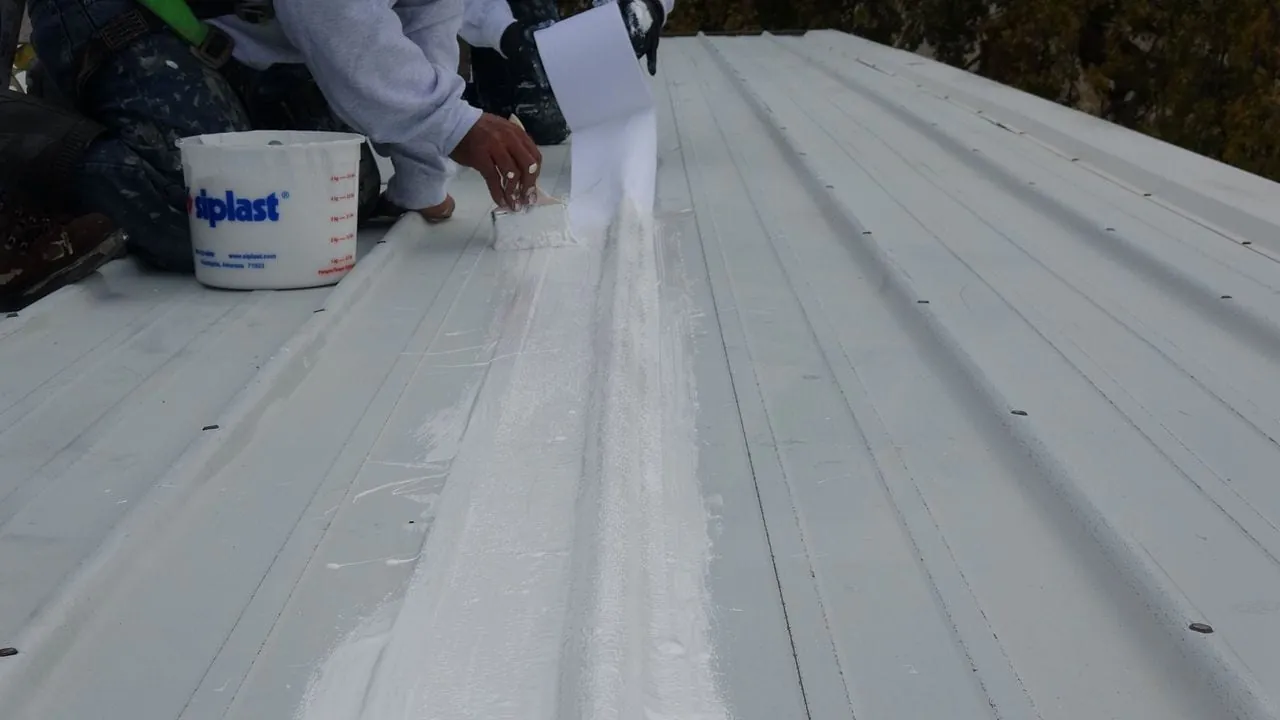
You can check if a coating is done by inspecting the surface for uniform color and luster. A properly applied metal finish should be free of pits, blisters, or peeling edges. If you run a clean cloth over the surface, it shouldn’t catch or tear on any rough spots.
For professional verification, use a magnetic thickness gauge to measure the layer depth. If the measurements vary by more than 10% across the surface, the part was likely positioned incorrectly in the bath, leading to uneven current distribution. If you suspect the coating is too thin for your needs, you must return the part to the plating bath rather than attempting to touch it up by hand.
Most operators fail by checking only the center of a part. Always measure the edges and deep recesses, as these areas naturally attract more material due to high current density. If your gauge shows values below the minimum specification, don’t accept the batch. A thin coating will fail prematurely under environmental stress, costing you more in rework than the initial plating fee.
Mistakes That Ruin Metal Finishes
-
Poor surface preparation: If the substrate isn’t perfectly clean, the coating will have no mechanical anchor and will fail early. Always use fresh cleaning solutions and verify the surface is “water break-free” before proceeding to the plating stage. If water beads on the surface, oil remains; you must restart the degreasing cycle to prevent immediate peeling.
-
Contaminated chemical baths: Small amounts of oil or metallic impurities in the tank cause dark spots or poor adhesion. Test your bath chemistry daily and perform regular carbon filtration to keep the solution pure. If your finish appears hazy or dull despite proper settings, the bath has likely reached its saturation limit and requires a full carbon treatment to remove organic contaminants.
-
Incorrect current density: If the electrical flow is too high, the metal will burn and look dark or powdery instead of smooth. Adjust the amperage based on the total surface area of the parts being processed to ensure a consistent, bright finish. Calculate your total square footage precisely; adding even 10% too much current causes brittle, non-adherent deposits.
-
Inadequate rinsing: Residual chemicals trapped in corners or holes continue to react after the process ends. Use a three-stage rinse system to flush out all active agents from tight spots. If you see white streaks emerging from crevices after drying, your final rinse water is likely contaminated and needs immediate replacement.
Related guides
- Test for Mustard Algae: The White Cloth Method Explained in 2026
- Chemical vs Mechanical Drain Cleaning: Which Method Is Better in 2026
Frequently asked questions
How thick should a metallic coating be?
Most protective coatings range between 5 and 25 micrometers depending on the environment. If you’re using the part indoors, 5 to 10 micrometers is often sufficient to prevent oxidation. For items exposed to rain or salt, you should aim for at least 20 micrometers. Check the manufacturer’s specification sheet for your specific part to see the exact minimum thickness required for your expected service life.
Is it safe to handle parts after coating?
Yes, you can safely handle most finished parts once they’re fully rinsed and dried. However, if the coating involves toxic metals like cadmium or hexavalent chromium, you must wear nitrile gloves to avoid skin contact. Always wash your hands after handling industrial parts, as they may have traces of plating salts or cleaning chemicals on their surface that can cause skin irritation.
Why is my coating peeling off?
Peeling happens because the metal failed to bond to the base material, usually due to surface oils or oxidation. You can’t fix a peeling coat by applying more metal over it. You must strip the entire part back to the bare metal, clean it again using an aggressive acid etch, and restart the plating process from the very first step.
How do I know if a coating is food safe?
No standard metallic coating is automatically food safe, and you shouldn’t use them on cookware unless they’re explicitly certified by an agency like the NSF. Most industrial coatings contain chemicals that are unsafe for human consumption. If you need a finish for food contact, look for specific “food-grade” certifications provided by the coating manufacturer and confirm they meet the local health department standards.
Can I apply metallic coatings at home?
You can perform simple electroplating at home, but it requires handling hazardous chemicals and electricity. You must have a well-ventilated workspace and proper disposal methods for the waste liquids, which often contain heavy metals. If you aren’t experienced with chemical safety, it’s safer to send your parts to a professional shop that has the equipment to manage hazardous waste and ensure a durable, uniform finish.
What happens if I use the wrong metal?
Using the wrong metal can cause galvanic corrosion, where the coating and the base metal react and destroy each other. This happens when you pair metals with very different positions on the galvanic scale, such as copper on aluminum. Always ensure the coating metal is compatible with your substrate metal to prevent the finish from accelerating the decay of the part it’s meant to protect.
Conclusion
The process of applying metallic coatings is a balance between chemistry and electricity. By ensuring your parts are perfectly clean and your bath parameters are strictly monitored, you create a layer that protects the base material for years. If you find your results are inconsistent, revisit your cleaning steps first, as this is where most failures begin.
