
Clinker is a hard, nodular material that acts as the primary ingredient in cement, and it’s made by heating a mixture of limestone and clay in a rotary kiln to about 1,450 degrees Celsius. This high-temperature process creates chemical reactions that form calcium silicates, which give concrete its strength. Once cooled, this substance is ground into a fine powder to produce the final product used in construction.
The quality of the final cement depends heavily on the chemical balance of the raw materials, specifically the ratio of calcium oxide to silica. If the mix is off, the kiln won’t produce the right mineral phases, leading to weak cement that sets too slowly or cracks easily.
A common mistake is failing to control the raw material particle size before it enters the kiln. If the particles are too large, they won’t react fully, which wastes energy and produces inconsistent batches.
Producing cement clinker through thermal transformation
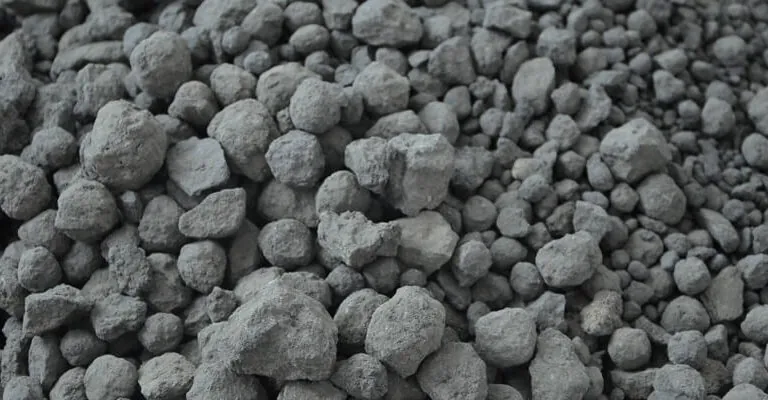
The production process requires careful preparation and extreme heat to transform raw minerals into functional cement. You must follow these steps to ensure the chemical bonds form correctly within the kiln environment.
-
Crush raw materials like limestone and clay into a fine powder. Aim for a fineness where 85% of particles pass through a 90-micron sieve to ensure they react quickly during the heating stage.
-
Mix these materials in precise proportions to achieve the correct chemical composition, often verified by chemical analysis of the raw meal.
-
Feed the mix into a rotary kiln, where it moves slowly through a flame reaching 1,450 degrees Celsius.
-
Maintain the kiln temperature within this range for long enough to allow the minerals to fuse into nodules. If the nodules exceed 25 millimeters in diameter, the material is over-burning, which wastes energy and increases kiln wear.
-
Cool the resulting material rapidly using air fans to lock in the desired mineral structure before storage. Rapid cooling prevents the formation of undesirable crystalline phases that weaken the final product.
-
Grind the cooled nodules with a small amount of gypsum to regulate the setting time of the final cement.
If you see large, fused chunks that aren’t nodular, the kiln temperature is likely too high or the feed rate is too inconsistent. Adjust your fuel feed before increasing the kiln rotation speed to stabilize the internal flow.
Professional cement plants use automated X-ray fluorescence systems to monitor the chemistry of the raw mix in real-time. Manual sampling is often too slow to prevent errors, leading to costly batches that fail to meet structural strength standards.
Typical production times and temperature factors
The duration of the process depends on the length of the kiln and the throughput speed of the raw material. While the chemical reaction itself happens rapidly at peak heat, the material must travel through different pre-heating and cooling zones.
| Stage | Duration | Primary Change | Watch For |
|---|---|---|---|
| Pre-heating | 30–60 minutes | Moisture removal | Dust buildup |
| Calcination | 15–30 minutes | Carbon dioxide release | Gas flow |
| Sintering | 20–40 minutes | Mineral formation | Nodule size |
| Cooling | 10–20 minutes | Phase stabilization | Air flow rate |
You must maintain a steady thermal gradient to ensure the material doesn’t become brittle.
When the process takes significantly longer than these ranges, check the kiln’s internal airflow. Blockages often slow down the movement of the raw meal, forcing you to extend residence times to compensate for heat loss.
Ignoring this buildup leads to clinker rings, which cost thousands in unplanned downtime. Always prioritize consistent airflow over raw temperature spikes to keep production moving.
Recognizing high-quality clinker nodules
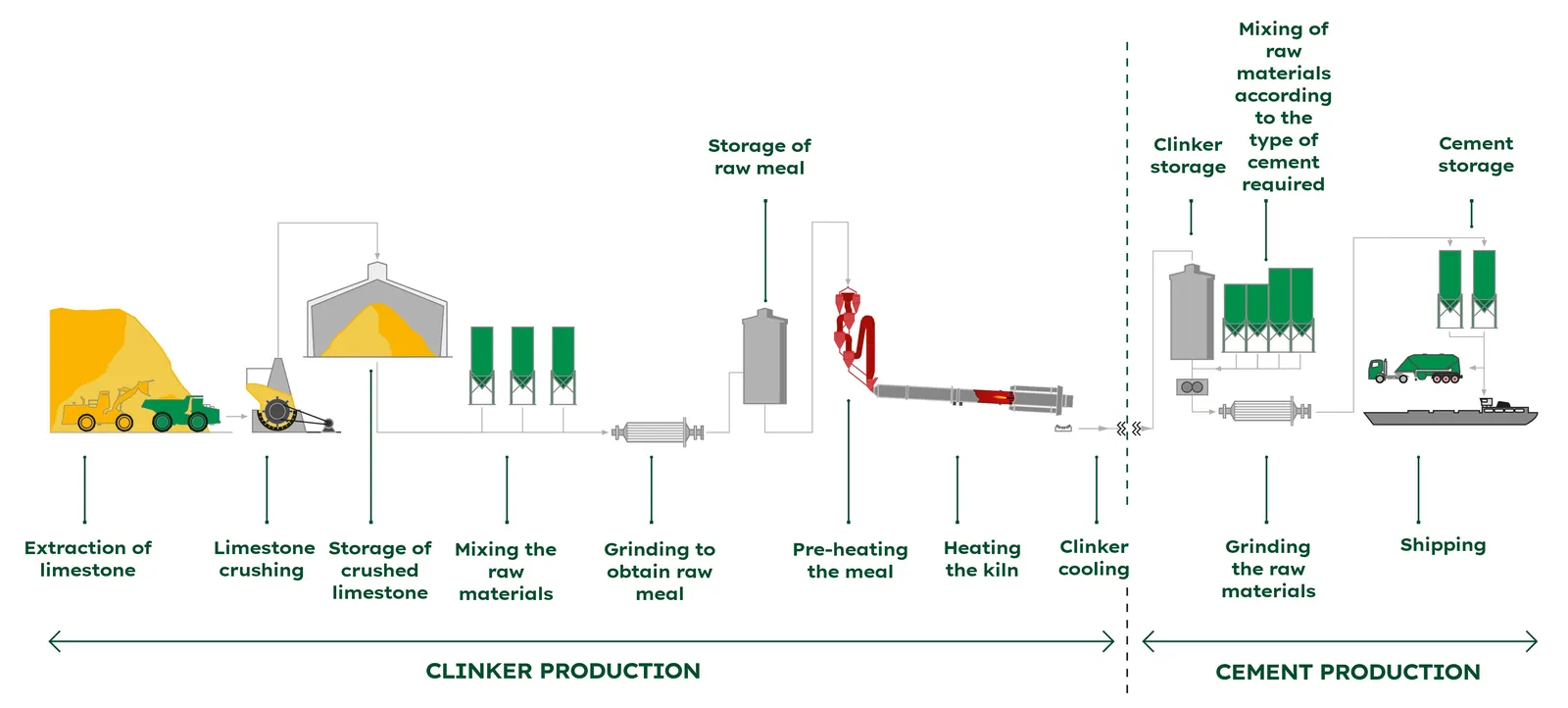
You can judge the quality of the material by examining the physical appearance of the nodules after they exit the cooler. Good clinker should be dark, dense, and typically ranges from 5 to 25 millimeters in diameter. If the nodules are too small or porous, the burning process was likely incomplete, which reduces the strength of the final cement.
Look for a metallic luster and a sharp, angular fracture when you break a nodule. If the interior is dull or crumbly, the kiln temperature likely fluctuated, preventing the necessary liquid phase formation. Aim for a consistent size distribution; if more than 15 percent of your batch consists of fines under 5 millimeters, you’re wasting fuel and risking poor grindability.
The Portland Cement Association provides detailed technical standards on the chemical composition and mineral phases required for high-performance cement. If the material looks dusty or pale green, it may have been exposed to too much moisture or improper atmospheric conditions during cooling.
The definitive test for quality is a laboratory analysis of the alite and belite content. This confirms if the heat treatment reached the necessary mineralogical state for long-term structural durability.
Common production errors
If the calcium-to-silica ratio is unbalanced, the chemical reaction won’t produce the necessary strength-giving phases. Always adjust raw mix proportions based on the chemical analysis of incoming limestone and clay before feeding the kiln. If your lab reports a silica modulus below 2.2, increase your limestone feed to raise the modulus.
When the heat drops below 1,400 degrees Celsius, the sintering process fails, leaving unreacted lime in the mixture. You must maintain a steady fuel feed and monitor the flame position to keep the temperature within the required range. A common mistake is ignoring the secondary air temperature; if this drops by even 50 degrees, your clinker quality will suffer regardless of the kiln’s primary flame intensity.
If the material cools too slowly, the mineral phases can revert or change into forms that don’t set properly. Rapid cooling using high-velocity air is essential to “freeze” the desired chemical structure before the material is moved to the grinding stage.
Frequently asked questions
What is the main raw material in clinker?
The main raw material is limestone, which provides calcium oxide, mixed with clay or shale to provide silica, alumina, and iron oxide. These materials are chosen for their specific chemical properties, which interact at high temperatures to form the complex silicates required for hydraulic cement. If the ratio of these materials is incorrect, the final cement won’t meet standard strength requirements.
How hot does the kiln get?
The kiln reaches a peak temperature of approximately 1,450 degrees Celsius during the sintering phase. This extreme heat is necessary to trigger the chemical reactions that transform the raw minerals into the nodules known as clinker. If the temperature remains below this threshold, the desired mineral phases won’t form, resulting in a product that can’t properly harden when mixed with water.
Why is gypsum added to clinker?
Gypsum is added during the grinding process to regulate the setting time of the finished cement. Without gypsum, the calcium aluminates in the cement would react instantly with water, causing the mix to harden in seconds. Adding about 3% to 5% gypsum by weight allows the cement to stay workable for a reasonable period, usually one to two hours, before it begins to set.
Is the production process dangerous?
The process involves extreme temperatures, heavy machinery, and fine dust, making it a high-risk industrial activity. Operators must wear heat-resistant protective gear and use respiratory masks to prevent the inhalation of silica dust. Because of these risks, cement manufacturing is strictly regulated and must be performed in specialized facilities by trained professionals who follow established safety protocols.
What happens if the clinker is under-burned?
Under-burned material contains high amounts of free lime, which can cause the final concrete to expand and crack after it has set. This happens because the chemical reaction didn’t complete fully in the kiln, leaving raw components that react unpredictably with water. Proper quality control, including regular sampling, is required to ensure that all material is fully sintered before it leaves the kiln area.
Conclusion
When you’re planning your next building project, it’s worth checking the quality of the materials you’ve chosen. Since this essential component determines how long your structure lasts, you shouldn’t hesitate to ask your supplier about their sourcing. It’s a simple way to ensure your work stays strong for years to come.
