
The operational limits of restricted category aircraft are defined by the specific purpose for which the aircraft was modified, primarily restricting these planes to specialized industrial or agricultural tasks rather than general passenger transportation. Because these aircraft have undergone structural or mechanical changes to perform unique functions like aerial application, firefighting, or forest seeding, they can’t legally or safely operate under the same broad parameters as standard category aircraft. Operators must adhere strictly to the limitations documented in the aircraft’s flight manual, supplemental type certificates, and the specific operating limitations issued by the aviation authority during the airworthiness certification process.
Key Takeaways
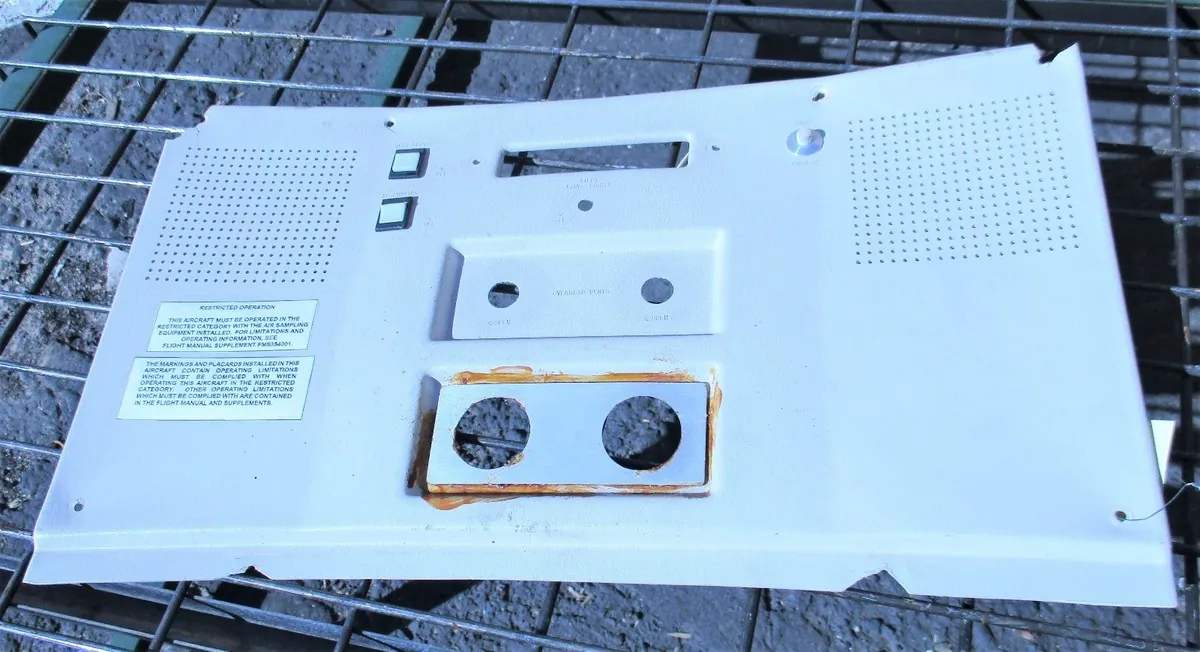
- Restricted category aircraft are prohibited from carrying passengers for compensation or hire.
- Operations are strictly limited to the specific tasks defined in the aircraft’s type certificate.
- Pilots must maintain a logbook entry for every flight, detailing the specific mission performed.
- Flight over densely populated areas or congested airways is generally prohibited without special authorization.
- Operators must ensure that all maintenance follows the specific requirements of the restricted airworthiness certificate.
What Are Restricted Category Aircraft?
Restricted category aircraft are specialized machines that have been modified or maintained for specific, non-passenger-carrying roles. Unlike standard category aircraft that meet comprehensive safety requirements for general transportation, these planes are certified under FAA Advisory Circular 21-12C to perform tasks that necessitate unique structural modifications. These missions often involve high-stress environments such as crop dusting, aerial photography, or wildfire suppression.
Because these modifications often prioritize mission-specific equipment over passenger comfort or redundant safety systems, the regulatory oversight focuses heavily on ensuring the aircraft remains within its intended scope of use. The primary regulatory framework governing these machines is designed to prevent their use in scenarios that could endanger the public.
Operational Limits and Flight Rules
The most significant restriction for these aircraft is the total prohibition of passenger carriage. You can’t use these planes for air taxi services, flight instruction for hire, or any form of commercial passenger transport. Beyond this, operators must contend with geographical restrictions.
Many restricted aircraft are barred from flying over congested areas, such as major cities or crowded stadiums, unless they have received a specific waiver from aviation authorities. These limits exist because the aircraft’s handling characteristics may have been significantly altered by external tanks, spray booms, or specialized sensor arrays that affect stall speeds and climb performance.
| Restriction Type | Limitation Scope | Permitted Action |
|---|---|---|
| Passenger Carriage | Prohibited | Cargo or specialized equipment only |
| Congested Areas | Restricted | Requires specific flight path waivers |
| Commercial Use | Task-specific | Only for the certified mission |
| Flight Training | Prohibited | Only for mission-specific proficiency |
Maintenance and Airworthiness Requirements
Maintenance for restricted category aircraft is fundamentally different from standard aircraft. You aren’t just following the general manufacturer maintenance schedule; you’re following a regimen tailored to the specific mission-specific modifications installed on your airframe. If you operate an aircraft modified for aerial firefighting, the maintenance of the tank system, release valves, and structural attachment points becomes the priority.
Owners must maintain a detailed record of every inspection and modification performed to support the restricted airworthiness certificate. Failure to adhere to these specialized schedules can lead to the immediate revocation of your certificate, rendering the aircraft legally unairworthy for any purpose.
Can You Modify These Aircraft Further?
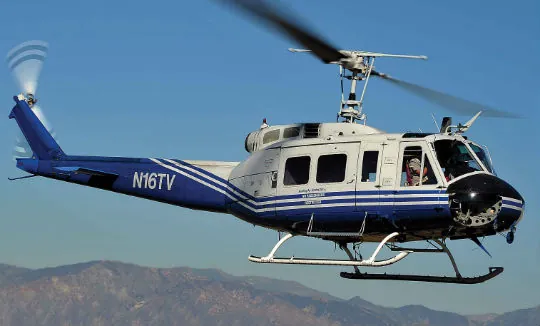
Any change to a restricted category aircraft requires rigorous approval. You can’t simply bolt on new equipment or alter the structural integrity of the airframe without a Supplemental Type Certificate (STC) or a field approval from an aviation safety inspector.
These engineering controls ensure that any new weight, drag, or electrical load doesn’t push the aircraft outside of its safe operating envelope. Before attempting any modification, you must consult with a Designated Engineering Representative (DER) to determine if the proposed change falls within the scope of the aircraft’s restricted certification.
How Are Performance Limits Determined?
Performance limits are typically established through a combination of original design specifications and the data collected during the certification flight testing phase. When an aircraft is designated as “restricted,” the manufacturer or the entity holding the type certificate must provide a flight manual supplement that defines the operational envelope.
This includes V-speeds (velocity speeds) that may be lower than those of a standard version of the same aircraft. For example, an agricultural aircraft might have a significantly higher stall speed when fully loaded with liquid, forcing the pilot to maintain a higher approach speed during landing to avoid an unrecoverable stall.
Risks of Operating Outside Limits
Warning: Operating a restricted category aircraft outside of its defined limits is a severe violation of aviation law and significantly increases the risk of structural failure or loss of control. If you fly an aircraft with an empty weight that exceeds the limit specified in your operating limitations, you’re essentially flying an untested machine.
The safety margins built into the airframe are calculated based on specific load factors and center-of-gravity ranges. Exceeding these limits can lead to catastrophic airframe stress, especially during the high-G maneuvers often required in agricultural or firefighting operations.
Record Keeping and Documentation
Documentation is the backbone of restricted category operations. You must carry the aircraft’s airworthiness certificate, the registration, and the specific operating limitations on board at all times. Additionally, your logbook must clearly state the nature of the mission. If you’re conducting a test flight, it must be logged as such.
If you’re conducting an agricultural operation, that must be explicitly noted. This compliance documentation is the first thing an inspector will request during a ramp check. Without clear, accurate logs, you can’t prove that you were operating within the legal scope of your aircraft’s certification.
Are There Any Exceptions?
Exceptions to the standard operating limitations are rare and generally require a specific Letter of Authorization (LOA). For instance, if you need to ferry a restricted aircraft to a maintenance facility located in a congested area, you must apply for a temporary waiver that outlines the route, altitude, and time of flight.
These authorization procedures aren’t granted automatically and usually require proof that the flight is necessary and that all safety risks have been mitigated. You should never assume that an exception exists; always operate under the assumption that the written limitations are absolute until you have written permission to do otherwise.
| Operational Category | Standard Category | Restricted Category |
|---|---|---|
| Passenger Carriage | Allowed | Strictly Prohibited |
| Training Flights | Allowed | Restricted to specific mission training |
| Congested Area Flight | Permitted | Requires specific waiver |
| Modification Process | Standard STC | Specialized Engineering Review |
Pilot Proficiency and Training
While the FAA doesn’t always require a specific “type rating” for every restricted category aircraft, the pilot is legally responsible for being proficient in the specific aircraft they’re flying. Many restricted aircraft have unique handling characteristics, such as limited visibility, unusual weight distribution, or complex control systems for dispensers or tanks.
You must undergo specialized training to understand these nuances. It’s highly recommended to seek out instructors who have specific experience in the aircraft model you’re operating, as they can provide insights into the specific flight envelope limitations that might not be immediately obvious in the manual.
Related guides
Frequently Asked Questions
Can I carry a passenger in a restricted aircraft?
No, you can’t carry passengers for compensation, hire, or even for personal transport in an aircraft certified in the restricted category. These aircraft are strictly limited to the specific tasks for which they were certified, such as aerial application, forest fire suppression, or pipeline patrol. Carrying passengers violates the terms of the airworthiness certificate and can result in severe legal penalties, including the revocation of your pilot certificate.
What happens if I fly over a city?
Flying a restricted category aircraft over a congested area, such as a city, is generally prohibited without a specific waiver from the aviation authority. These aircraft are often modified in ways that could pose a higher risk to people and property on the ground in the event of an emergency. You must apply for a waiver that justifies the flight and outlines specific safety mitigations to be considered for approval.
Do I need a special license for this?
You don’t need a special “restricted category” license, but you must hold the appropriate category and class rating for the aircraft you’re flying. However, you’re legally obligated to be proficient in that specific aircraft. Because many restricted planes are complex, tailwheel-equipped, or high-performance machines, you must ensure you meet the recent flight experience requirements and have received adequate transition training for that specific airframe.
Can I use a restricted aircraft for flight training?
You generally can’t use a restricted category aircraft for flight instruction unless that training is directly related to the specific mission for which the aircraft is certified. For example, you could provide training on how to operate an agricultural sprayer system, but you can’t use the aircraft to teach basic private pilot maneuvers or to conduct general flight reviews. Always check your specific operating limitations.
How do I find my aircraft’s specific limits?
Your aircraft’s specific operational limits are found in the flight manual or the pilot’s operating handbook, along with any supplemental information provided by the holder of the type certificate. Additionally, the operating limitations document issued by the aviation authority at the time of certification is a legally binding document that you must keep with the aircraft at all times. Always consult these primary sources before any flight.
Conclusion
Pro Tip: Always perform a thorough pre-flight inspection that focuses on the mission-specific equipment, as these components are often the most likely to experience wear or failure in the harsh environments these aircraft frequent. By maintaining a rigorous standard for your equipment, you protect your certificate and ensure your safety during every mission.
Moving forward, your next step is to obtain a copy of your specific operating limitations from the aircraft’s records and review them with a certified flight instructor who has direct experience with your specific airframe and mission type.
