
The primary danger of incomplete combustion is the production of carbon monoxide, a colorless and odorless gas that prevents your blood from carrying oxygen to your organs. When fuels like wood, gas, or oil don’t burn completely due to a lack of oxygen, they release this toxic byproduct instead of harmless carbon dioxide. This process creates invisible risks in homes and workplaces where heating systems or engines operate without enough fresh air for proper fuel burning.
Comparing common combustion byproducts
| Byproduct | Primary risk | Source |
|---|---|---|
| Carbon monoxide | Suffocation | Gas heaters |
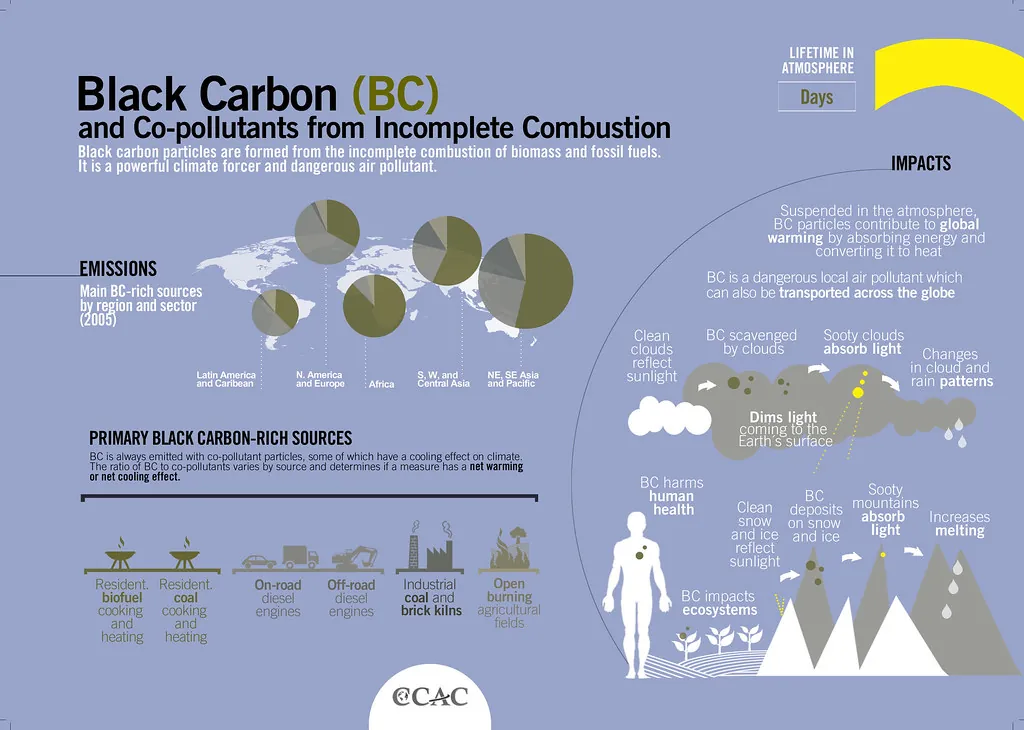
| Soot | Lung irritation | Wood stoves |
| Nitrogen dioxide | Respiratory stress | Gas ranges |
| Unburned hydrocarbons | Eye irritation | Vehicle engines |
Carbon monoxide is odorless and colorless, making it impossible to detect without a sensor. If your detector chirps, evacuate the building immediately rather than checking the heater yourself.
Soot buildup indicates incomplete combustion. If you notice black streaks on your stove glass, clean the chimney flue before your next fire to prevent chimney fires.
Nitrogen dioxide levels spike when you use a gas range without ventilation.
Unburned hydrocarbons often signal a failing catalytic converter. If you smell a faint, sweet chemical odor while idling, schedule a mechanic visit to avoid long-term lung damage.
Carbon monoxide poisoning
Carbon monoxide is the most immediate threat from poor combustion because it’s impossible to detect with human senses. It binds to hemoglobin in your blood much faster than oxygen, which quickly leads to tissue damage or death in high concentrations. If you feel dizzy, nauseous, or have a sudden headache while near a fuel-burning appliance, you must move to fresh air immediately.
- It blocks oxygen delivery to your brain and heart.
- It causes symptoms that often mimic the flu.
- It accumulates in enclosed spaces without ventilation.
- It’s fatal at high concentrations within minutes.
If you have a gas furnace, ensure the exhaust flue is clear and the burner flame is blue. A yellow or orange flame often signals that the appliance isn’t receiving enough air. You can check the Carbon Monoxide Safety guidance from the Consumer Product Safety Commission for specific warning signs and installation requirements for detectors in your home.
Soot and particulate matter
Soot is a collection of tiny carbon particles that remain after fuel fails to burn fully. These particles are small enough to enter deep into your lungs and irritate your respiratory system over time. If you notice black stains on your walls or ceiling near a heater, the device is producing excessive soot.
- It triggers asthma attacks and chronic coughing.
- It coats surfaces and ruins indoor air quality.
- It indicates the appliance is operating inefficiently.
If your wood stove or fireplace produces thick black smoke, you should stop using it until a technician cleans the chimney. A clean chimney ensures that air flows freely to support complete burning. This isn’t a task for homeowners; you need a professional chimney sweep to remove the buildup safely without damaging the flue liner.
Nitrogen dioxide exposure

Nitrogen dioxide forms when high temperatures cause nitrogen and oxygen in the air to combine during the combustion process. This gas is a potent lung irritant that can cause immediate breathing difficulties for people with pre-existing conditions. It’s most common in kitchens where gas stoves are used without an exhaust hood that vents to the outside.
- It worsens symptoms for people with asthma.
- It increases the risk of respiratory infections.
- It irritates the eyes, nose, and throat.
If you use a gas stove, always run the range hood fan on its highest setting while cooking. If your kitchen doesn’t have a vented hood, open a window to allow fresh air to dilute the gases. You should avoid relying solely on recirculating fans, as they only filter grease and don’t remove combustion gases from your indoor air.
Unburned hydrocarbons
Hydrocarbons are the fuel itself escaping into the air because the fire didn’t consume it entirely. These chemicals contribute to smog and can cause headaches or dizziness when they build up in poorly ventilated areas. While less immediately lethal than carbon monoxide, they indicate that your equipment is wasting fuel and losing efficiency.
- They produce strong, unpleasant chemical odors.
- They contribute to poor outdoor air quality.
- They signal a need for burner maintenance.
If your space heater emits a strong smell of fuel while running, shut it off and inspect the fuel lines for leaks. If you don’t see an obvious leak, the burner may need professional calibration. Don’t attempt to adjust internal gas valves yourself, as this can lead to leaks or explosions; contact a licensed heating contractor to handle the repair.
Dangers of incomplete combustion risks
- Water vapor: In excess, it causes mold growth on walls and ceilings by increasing indoor humidity levels.
- Oxygen depletion: When a fire consumes too much oxygen in a small room, it can cause occupants to feel faint or short of breath.
- Fire hazards: Heavy soot buildup inside flues and vents creates a flammable lining that can ignite and cause house fires.
Selecting the right ventilation
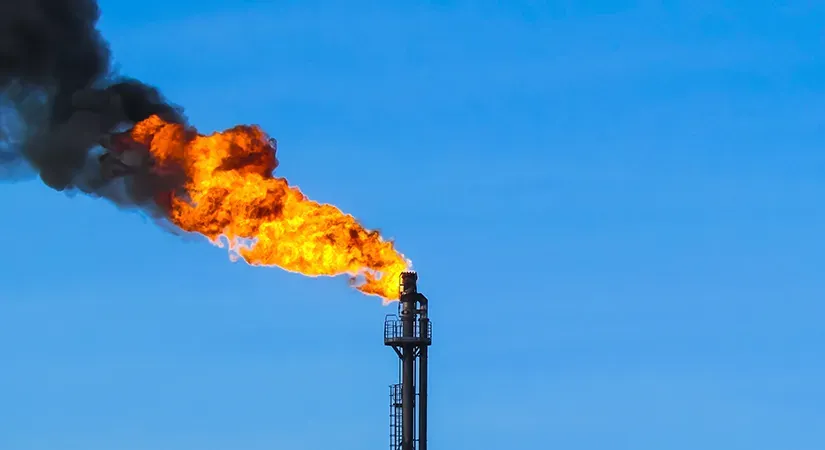
Choosing how to manage combustion risks depends on the fuel type and the space. If you have a gas furnace, you need a professional inspection based on usage and the owner’s manual to confirm the venting system is intact. If you use a portable heater, you must use it only in rooms with active ventilation.
If you’re using a wood stove, you must ensure the wood is dry and seasoned. These needs are distinct; you can’t use a furnace maintenance plan to fix a dirty wood stove, and you can’t use a fireplace damper to vent a gas stove. These systems are separate and require different experts.
Frequently asked questions
Can I smell carbon monoxide?
No, carbon monoxide has no smell, color, or taste. You can’t detect it with your senses, which is why a certified carbon monoxide detector is the only way to identify its presence in your home.
How long does it take for carbon monoxide to be dangerous?
At high concentrations, such as 800 parts per million, carbon monoxide can cause unconsciousness within two hours and death within three hours. Lower levels take longer to affect you, but they still cause significant long-term health damage.
Is it safe to use a gas stove for heat?
No, using a gas stove for heat is dangerous because it isn’t designed for continuous operation. It can quickly fill your home with carbon monoxide and nitrogen dioxide, especially if the kitchen lacks proper ventilation.
What happens if my furnace flame is yellow?
A yellow flame indicates incomplete combustion, which means your furnace is likely producing carbon monoxide. You should turn off the unit immediately and contact a heating technician to inspect the burner and the ventilation system.
Does it matter if I have a small amount of soot?
Yes, any visible soot indicates that your appliance is burning fuel inefficiently and releasing pollutants into your air. You should have the appliance cleaned and serviced to ensure it operates within safe manufacturer limits.
Why does my heater smell like oil?
An oil smell usually means that fuel is leaking or the burner isn’t burning the fuel completely. You should stop using the heater and have a professional check for leaks or burner malfunctions to prevent a fire or carbon monoxide buildup.
How often should I check my ventilation?
You should check your ventilation paths, such as chimneys and exhaust flues, at least once every year before the heating season starts. If you notice signs of soot or poor air quality, you should have them checked immediately regardless of the time of year.
Conclusion
Start by installing a carbon monoxide detector on every level of your home and near each sleeping area. If your detector sounds an alarm, leave the building immediately and call emergency services from outside. Don’t try to find the source of the gas yourself, as this puts you at risk of losing consciousness before you can reach safety.
