
Choosing the right water heating system for your home depends on a variety of factors, including your local energy infrastructure, household size, and long-term budget. When you compare an electric vs gas water heater, you’re essentially weighing the difference between lower upfront installation costs and long-term operational efficiency. For a standard 40-to-50-gallon tank unit, you can expect to pay between $400 and $1,200 for the unit itself, while professional installation typically ranges from $500 to $1,500, depending on your home’s existing plumbing and venting setup. Understanding these differences allows you to make an informed decision that balances your immediate financial constraints with the recurring monthly costs of your utility bills.
Key Takeaways
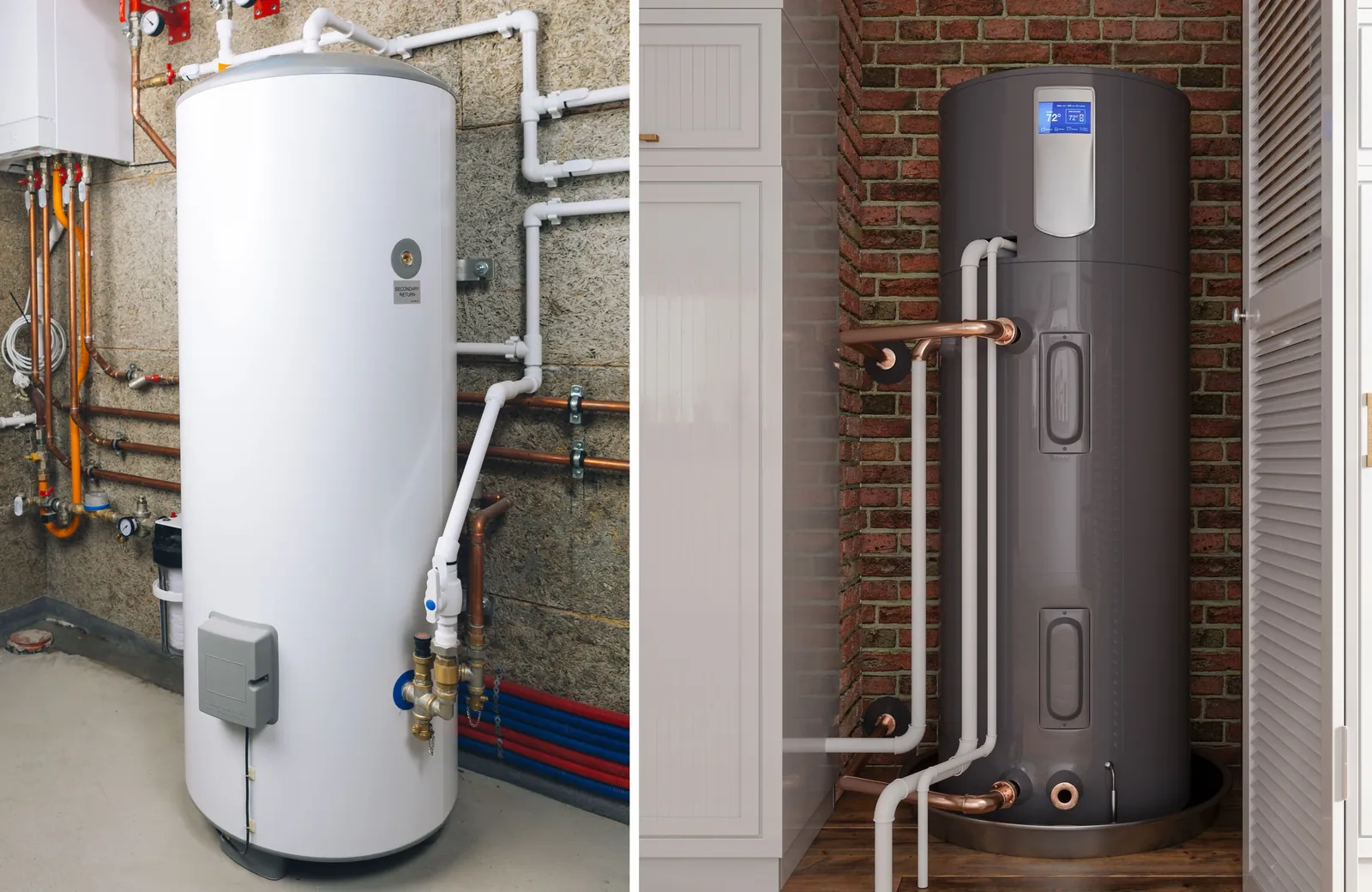
- Gas units recover hot water faster, making them ideal for larger households with high concurrent demand.
- Electric models are generally easier and cheaper to install, especially if you lack existing gas lines or proper venting.
- Energy efficiency ratings, measured by the Uniform Energy Factor, are essential for predicting your long-term utility savings.
- Maintenance for gas units involves checking venting and burners, whereas electric units focus on anode rod replacement and sediment flushing.
- Always check with your local utility provider for potential rebates on high-efficiency equipment before making a purchase.
Comparing Initial Costs and Installation
The upfront cost of a water heater includes the equipment price and the labor required to integrate it into your home’s infrastructure. Electric water heaters are generally cheaper to purchase and significantly easier to install. If your home is already wired for electricity, the installation is straightforward.
Gas water heaters, however, require a dedicated gas line and a ventilation system to exhaust combustion gases safely outside. If you’re switching from electric to gas, you must account for the cost of running new gas lines and installing a flue, which can add significant labor hours and material expenses to the project.
| Heater Type | Typical Unit Price | Installation Complexity | Energy Source Needed |
|---|---|---|---|
| Standard Electric | $400 – $900 | Low | 240V Dedicated Circuit |
| Standard Gas | $600 – $1,200 | High | Natural Gas/Propane Line |
| Tankless Electric | $700 – $1,800 | Medium | High-Amperage Electrical |
| Tankless Gas | $1,000 – $2,500 | Very High | Gas Line + Venting |
How Does Energy Efficiency Work?
The efficiency of a water heater is determined by its ability to convert an energy source—whether electricity or gas—into heated water without significant waste. According to the U.S. Department of Energy guidelines, the Uniform Energy Factor (UEF) serves as the primary metric for comparing these systems.
While gas heaters have historically been less efficient due to heat loss through the flue, modern condensing gas models have drastically improved their performance. Electric units, particularly heat pump water heaters, are incredibly efficient, often achieving UEF ratings far higher than standard gas or electric resistance tanks. Selecting a unit with a high UEF is the best way to minimize your long-term operational costs and reduce your carbon footprint.
Performance and Recovery Rates
Recovery rate refers to the number of gallons a heater can warm up in one hour. Gas water heaters typically have much higher recovery rates than standard electric units. This means that if your household uses a large amount of hot water in a short period, such as multiple back-to-back showers, a gas unit is less likely to run out of hot water.
Electric resistance heaters are slower to heat, meaning they require a larger tank to provide the same level of service. If you have a large family or high simultaneous usage, the rapid recovery speed of gas is a significant advantage.
Maintenance and System Longevity
Both types of heaters require consistent maintenance to reach their expected service life, which typically ranges from 8 to 15 years. For electric models, the most critical component to monitor is the anode rod, a sacrificial metal bar that prevents the tank from corroding.
You should inspect and replace this rod every 3 to 5 years. Gas water heaters require the same anode rod maintenance but also need periodic inspections of the burner assembly and the venting system. Ensuring that your ventilation path remains clear is essential for the safe operation of any gas appliance.
| Task | Electric Heater | Gas Heater | Frequency |
|---|---|---|---|
| Flush Sediment | Required | Required | Annually |
| Anode Rod Check | Required | Required | Every 3-5 Years |
| Venting Inspection | N/A | Required | Annually |
| Element/Burner Check | Required | Required | Every 5 Years |
Safety Considerations for Your Home
Safety is paramount when choosing between electric and gas appliances. Electric heaters are widely considered safer because they don’t involve combustion, meaning there’s no risk of carbon monoxide leaks or gas explosions. Gas heaters, while safe when installed correctly, require proper ventilation to prevent the buildup of combustion byproducts.
If you choose a gas unit, you must have a working carbon monoxide detector installed in the vicinity of the heater. Always ensure that your safety equipment is up to date and functioning properly regardless of which fuel source you choose for your water heating needs.
Is Gas or Electric Cheaper Monthly?
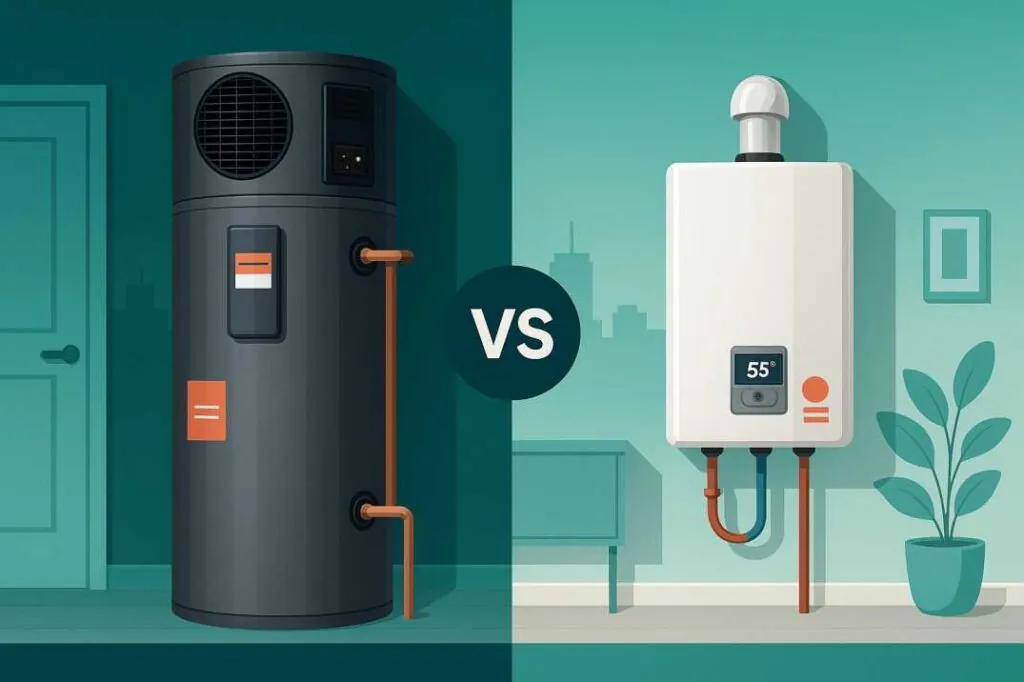
Your monthly utility bill depends heavily on the local cost of electricity versus the cost of natural gas in your area. In many regions of the United States, natural gas is cheaper per unit of energy than electricity, making gas water heaters more economical to run monthly. However, this isn’t a universal rule.
If you live in an area with low electricity rates or if you opt for a high-efficiency heat pump water heater, the electric option could prove to be more cost-effective. You should examine your recent utility statements to calculate your average cost per kilowatt-hour or therm to determine which fuel source offers the best monthly savings potential.
When Should You Choose Electric?
Electric water heaters are the superior choice for homes that don’t have access to a natural gas line. Running a new gas line from the street to your home can cost thousands of dollars, effectively negating any monthly savings you might see from using gas.
Furthermore, if you’re looking for a unit that requires minimal maintenance and carries a lower risk of hazardous leaks, electric is the way to go. Modern electric models, specifically heat pump units, are also an excellent choice for those looking to transition to an all-electric, sustainable home infrastructure.
Why Choose a Gas Water Heater?
Gas water heaters are the preferred choice for larger households that require a high volume of hot water on demand. If your household has four or more people taking showers in the morning, the fast recovery rate of a gas unit will provide a much better user experience.
Additionally, gas heaters can continue to function during many electrical power outages, provided the unit uses a standing pilot light or a battery-powered ignition system. If you live in an area prone to frequent winter storms, having a reliable hot water source that doesn’t depend on the grid is a significant benefit.
Pro Tip: If you’re replacing an existing heater, try to stick with the same fuel source to avoid the high costs of retrofitting your home’s plumbing, electrical, or venting systems.
What About Tankless Technology?
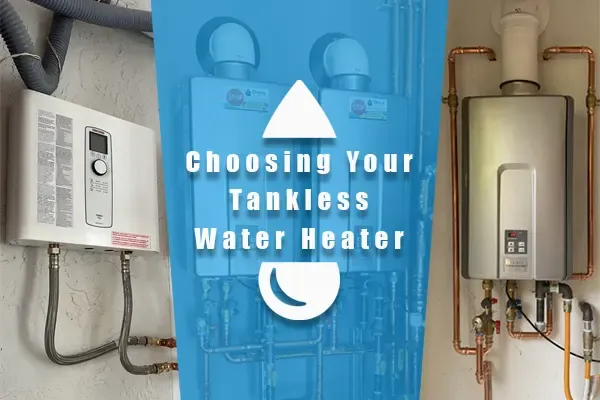
Tankless water heaters, often called on-demand heaters, provide hot water only when you need it, rather than storing it in a tank. This eliminates standby heat loss, which is the energy wasted while keeping a tank of water hot all day. Tankless units are available in both electric and gas configurations.
Electric tankless models require significant electrical capacity, often needing a dedicated high-amperage panel upgrade, while gas tankless units require a gas line capable of delivering the high BTU demand needed to heat water instantly. These units are more expensive upfront but offer excellent energy efficiency benefits for the right home.
Warning: Never attempt to install or modify a gas line or high-voltage electrical circuit yourself; always hire a licensed professional to ensure compliance with local building codes.
Troubleshooting Common Issues
When your water heater stops performing, most issues fall into a few predictable categories. For electric heaters, the most common culprit is a failed heating element or a tripped high-limit switch on the thermostat. These parts are relatively inexpensive and straightforward to replace.
For gas heaters, the most common issue is a pilot light that refuses to stay lit, often caused by a faulty thermocouple or a clogged air intake. Regardless of the type, sediment buildup at the bottom of the tank is a universal issue that leads to strange noises and reduced efficiency. Regular flushing is the best way to prevent these common mechanical failures.
Environmental Impact and Sustainability
The environmental impact of your water heater is determined by the source of your energy and the efficiency of the unit. If your local power grid is supplied by renewable sources like wind or solar, an electric heat pump water heater is the most environmentally friendly option available.
If your grid relies heavily on coal or natural gas, the carbon footprint of your electric heater may be higher than that of a high-efficiency natural gas unit. By choosing a high-efficiency model, you reduce the total energy demand of your home, which is a positive environmental choice regardless of the fuel source.
Frequently Asked Questions
Which heater lasts longer?
Generally, both electric and gas tank-style water heaters have a similar expected lifespan of 8 to 15 years. The longevity depends less on the fuel source and more on the quality of the unit, the hardness of your water, and how regularly you perform maintenance tasks like flushing the tank and replacing the anode rod.
Do gas heaters work without power?
Most modern gas water heaters require electricity to operate the electronic ignition system and the control board. If your power goes out, these units won’t function. However, older models with a standing pilot light can continue to provide hot water during an electrical outage, provided the gas supply remains uninterrupted to your home.
Are electric heaters better for the environment?
Electric heaters are generally considered better for the environment, especially when paired with heat pump technology. Because they don’t burn fossil fuels on-site, they produce zero local emissions. As the electrical grid transitions toward renewable energy sources like wind and solar, the environmental profile of electric water heaters continues to improve compared to traditional gas-burning units.
Can I switch from gas to electric?
Yes, you can switch from gas to electric, but it’s a significant project. You’ll need to remove the gas line, cap it off safely, and hire an electrician to install a new high-voltage circuit and breaker in your electrical panel. Because this involves major changes to your home’s utility infrastructure, it’s usually only recommended during a major renovation or when the existing gas heater fails.
How do I know if my heater is failing?
Common signs of a failing water heater include rusty-colored water, loud popping or rumbling noises coming from the tank, and visible leaks around the base or the plumbing connections. If you notice your water isn’t staying hot for as long as it used to, or if your energy bills have spiked suddenly, these are also strong indicators that your unit is nearing the end of its life.
Conclusion
Making the final decision involves weighing your local utility rates against the convenience of rapid hot water recovery. If you have an existing gas line and high daily demand, a gas unit remains a workhorse. If you prioritize efficiency and have a modern electrical system, a heat pump electric unit is the best path forward. Consult a local plumber to verify your current capacity before purchasing your new unit.