
Choosing the right equipment for water management requires understanding your specific environment, which is why homeowners often research utility pump vs sump pump differences to avoid property damage. While both tools are designed to move water, they serve fundamentally different purposes in a household. A sump pump typically costs between $150 and $600 for the unit alone, while a utility pump usually ranges from $80 to $300. Installation and professional labor costs for sump pumps generally run between $400 and $1,500, depending on whether you need a new pit dug or just a replacement unit.
Key Takeaways
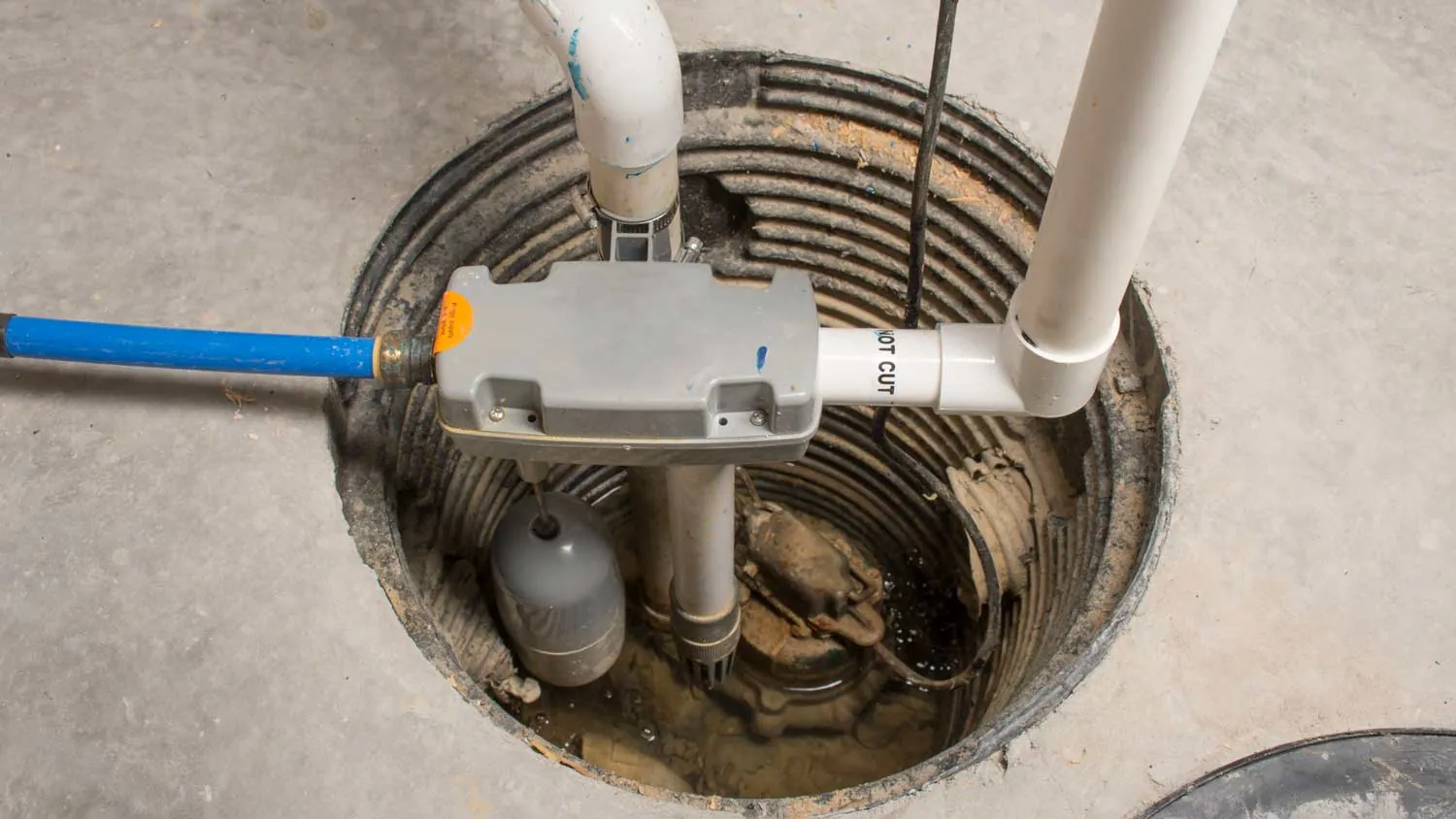
- Sump pumps are permanently installed in basins to prevent basement flooding during heavy rain.
- Utility pumps are portable tools designed for temporary water removal from pools, spas, or flooded areas.
- Never use a utility pump as a permanent sump pump replacement, as they lack the necessary float switch automation.
- Check the discharge head and flow rate specifications to ensure the pump can handle your specific vertical lift requirements.
- Routine maintenance, such as testing the float switch and clearing debris from the intake screen, is vital for longevity.
Understanding Sump Pump Functionality
A sump pump is an automatic drainage system designed for long-term, passive water management. These units sit inside a dedicated pit, or “sump basin,” located at the lowest point of a basement or crawlspace. When groundwater rises, it flows into this pit. Once the water reaches a specific level, a float switch activates the pump, which then pushes the water out through a discharge pipe and away from the foundation.
These pumps are built for continuous reliability. Because they’re often installed in dark, damp environments, they’re typically constructed from cast iron or heavy-duty thermoplastic to resist corrosion. Manufacturers design them to remain idle for long periods without seizing, yet they must be ready to run instantly when a storm hits. Most modern sump pumps include a primary pump and a secondary battery-operated backup to ensure protection even when the power grid fails during a severe weather event.
Utility Pump Versatility Explained
A utility pump is a portable water mover intended for intermittent, manual use. Unlike a sump pump, which stays in one spot, a utility pump is designed to be moved around your property to tackle standing water in various locations. You might use one to drain a hot tub, remove water from a flat roof after a storm, or empty a flooded window well.
These pumps are often referred to as transfer pumps because their primary job is moving water from point A to point B. They’re lightweight, easy to carry, and usually feature a garden hose connection rather than a permanent PVC pipe fitting. While some high-end utility pumps feature automatic sensors, most rely on a manual plug-in operation, meaning you must be present to monitor the water level and shut the device off before it runs dry.
Comparing Features and Applications
The fundamental difference lies in the intended operating duty cycle. A sump pump is a “set it and forget it” appliance, while a utility pump is a tool in your shed.
| Feature | Sump Pump | Utility Pump |
|---|---|---|
| Installation | Permanent, in-pit | Portable, temporary |
| Activation | Automatic float switch | Usually manual |
| Power Source | Hardwired or GFCI outlet | Standard GFCI outlet |
| Primary Use | Basement flood prevention | Draining pools, spas, low spots |
| Build Material | Industrial grade / Cast iron | Lightweight plastic or metal |
How to Choose the Right Pump
Selecting the correct pump depends on your site-specific drainage needs. If you have a basement with a history of water intrusion, a sump pump is non-negotiable. You should look for models with a high-quality, tethered or vertical float switch. Avoid “manual” sump pumps, as you can’t be available 24/7 to turn them on when the water rises.
For general home maintenance, a utility pump is a versatile addition to your toolkit. When purchasing, look for a pump that offers a “bottom suction” design. This feature allows the pump to draw water down to a very low level, often within 1/8 inch of the surface, which is essential for drying out a concrete floor or a shallow puddle.
Identifying Key Pump Specifications
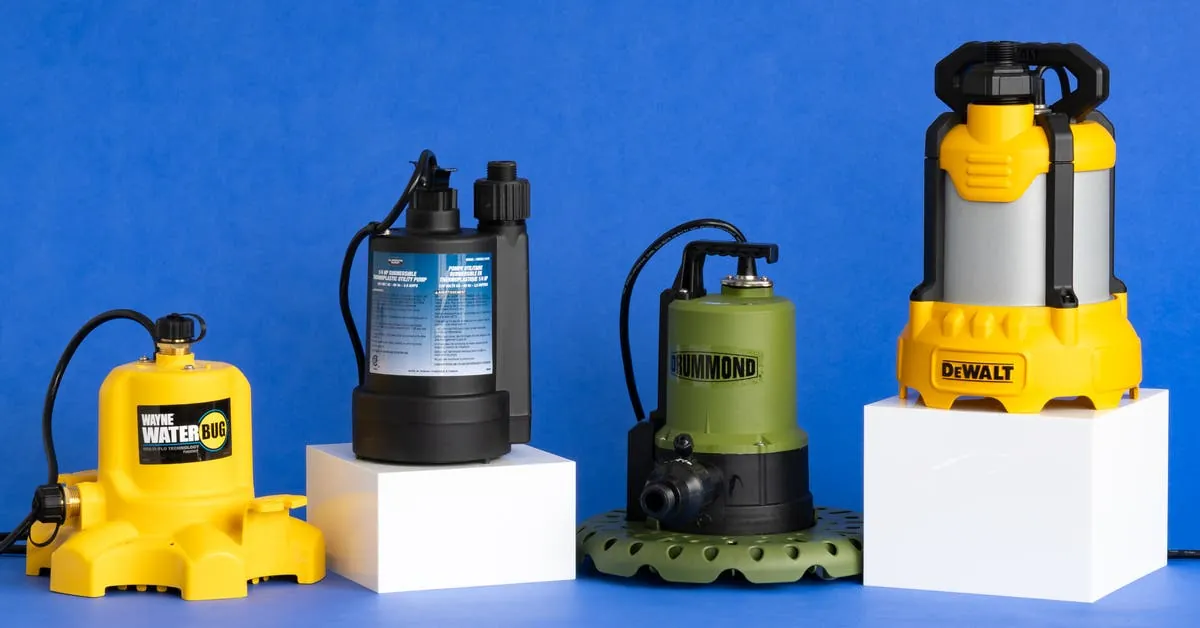
Understanding the technical jargon on the box will prevent you from buying a unit that’s either underpowered or unnecessary. The two most critical numbers are Head Pressure and GPH (Gallons Per Hour).
- Head Pressure: This refers to the vertical distance the pump must push water. If your discharge pipe goes up 10 feet from the basement floor, you need a pump rated for at least 15 feet of head to ensure adequate flow.
- GPH: This is the flow rate. A higher GPH means the pump clears the area faster. For a typical basement, a 1/3 HP pump with a rating of 2,000–3,000 GPH is standard.
Are Utility Pumps Ever Suitable?
Warning: Never attempt to use a standard utility pump as a permanent sump pump replacement. Utility pumps lack the thermal overload protection and moisture-sealed housings required for constant, long-term submersion in a sump pit. They’re designed for short bursts of activity, not for sitting in a pit for years waiting for a rainstorm.
Using a utility pump permanently will likely result in motor failure within a few months, potentially leading to a flooded basement when you need the pump the most.
Critical Maintenance and Safety Steps
Both pump types require periodic attention to remain functional. For a sump pump, you should test the float switch quarterly by pouring a bucket of water into the pit to ensure the motor engages immediately. Ensure the discharge pipe has a check valve, which prevents water from flowing back into the pit after the pump shuts off.
For utility pumps, the primary maintenance task is cleaning the intake screen. Debris like leaves, twigs, or silt can clog the screen, causing the pump to run “dry.” Running a pump dry is the fastest way to burn out the motor seals. Always inspect the cord for fraying before every use, as these tools are used in wet environments where electrical safety is paramount.
Common Pump Troubleshooting Tips
If your pump is failing to move water, follow this checklist before calling a professional:
- Power Check: Ensure the outlet is functional and that the GFCI breaker hasn’t tripped.
- Obstruction Check: Inspect the intake screen for leaves or debris.
- Check Valve: If the pump runs but water returns to the pit, the check valve is likely stuck open.
- Air Lock: Sometimes air gets trapped in the pump housing. Tilt the pump slightly while submerged to release the air bubble.
Pro Tip: If you frequently deal with power outages during storms, invest in a dedicated battery backup sump pump system that runs on a deep-cycle marine battery to keep your basement dry during grid failures.
Trusted Brands and Reliability
When shopping for hardware, stick to manufacturers that provide clear performance curves and readily available replacement parts. Reliable brands for both sump and utility pumps include:
- Zoeller: Known for high-quality, cast-iron sump pumps that last for decades.
- Wayne: Excellent for both permanent sump installations and portable utility transfer pumps.
- Liberty Pumps: Offers robust residential sump solutions and reliable submersible utility models.
- Superior Pump: A go-to brand for affordable, entry-level utility pumps for homeowners.
Understanding Head Pressure Limits
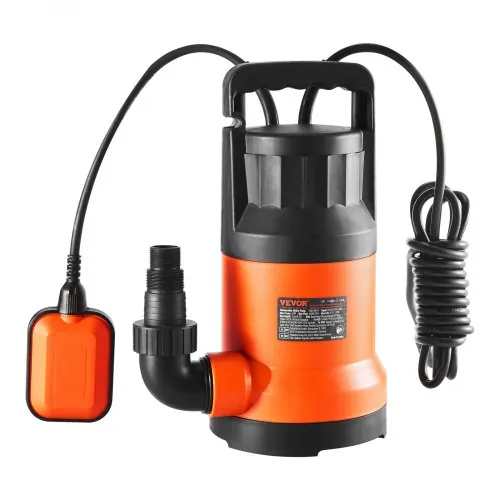
The concept of total dynamic head is often misunderstood. It isn’t just the vertical height; it also includes friction loss from the length of the pipe and the number of elbows or bends. If your discharge pipe is long or has many 90-degree turns, you must choose a pump with a higher horsepower rating to compensate for the added resistance.
Related guides
- Taylor K-2006 vs K-2006C: Key Differences and Best Pick in 2026
- Marcite vs Diamond Brite: Key Differences and Cost Guide in 2026
- Tropics Blue vs Midnight Blue: Key Differences Explained in 2026
Frequently Asked Questions
Can a utility pump be used in a sump pit?
While you can physically place a utility pump in a sump pit, it isn’t recommended. Utility pumps usually lack the automatic float switch necessary to respond to rising water levels in real time. They’re designed for temporary, supervised use and will likely overheat or fail if left to operate as a permanent, automatic solution for flood prevention.
How often should I replace my sump pump?
A standard residential sump pump typically lasts between 7 and 10 years. However, this depends heavily on usage frequency and water quality. If your pump runs constantly due to high groundwater levels, the motor will wear out faster. It’s wise to test your pump twice a year and consider replacing it every 7 years to ensure it remains reliable during severe weather.
Do I need a professional to install a sump pump?
If you’re replacing an existing unit, you can often perform the work yourself if you’re comfortable with basic plumbing and electrical safety. However, if you’re installing a new system that requires cutting concrete, digging a new pit, or modifying your home’s electrical system, hiring a licensed plumber or electrician is safer and ensures the system meets local building codes.
What is the difference between 1/3 HP and 1/2 HP pumps?
The horsepower (HP) rating indicates the pump’s power. A 1/3 HP pump is sufficient for most residential basements with standard water inflow. A 1/2 HP pump is recommended if your home has a deep pit, a long discharge pipe, or if you live in an area with a very high water table that requires the pump to move large volumes of water quickly.
Why does my pump make a loud grinding noise?
A grinding noise usually indicates that debris, such as small stones or sand, has entered the pump housing and is hitting the impeller. Unplug the pump immediately and clear the intake screen. If the noise persists after cleaning, the internal bearings may be failing, and the unit should be replaced to prevent a total motor seizure during a flood event.
Conclusion
Proper water management is the cornerstone of a healthy home. If you’re currently unsure about your basement’s flood risk, start by inspecting your existing sump pit today. If you don’t have a pump, measure your discharge distance and consult a local hardware store to select a unit that matches your home’s specific drainage requirements.