
When choosing between these two distinct shades, the price difference is rarely significant, typically ranging from $15 to $45 for standard apparel or home textiles, depending entirely on the fabric quality and brand positioning. The decision often comes down to how the specific pigment interacts with your lighting conditions and skin tone. Many shoppers struggle with tropics blue vs midnight blue because the names suggest a clear contrast that sometimes disappears under artificial light. Understanding the precise hue differences helps you avoid buying an item that looks completely different in your living room than it did in the store display. This guide breaks down the visual characteristics, practical applications, and styling rules for both colors to ensure your final selection matches your intent perfectly.
Key Takeaways
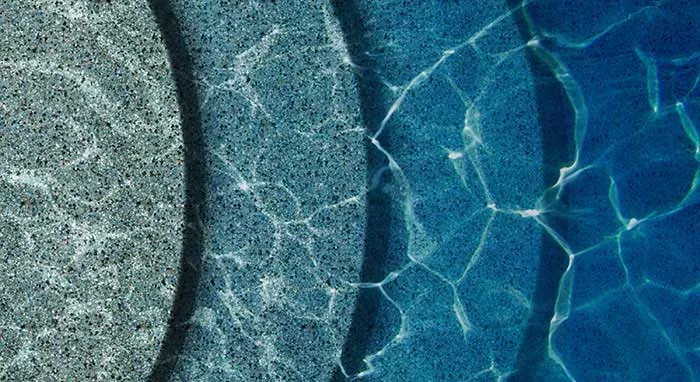
- Tropics blue is a bright, cyan-leaning shade that mimics shallow tropical waters and works best in high-sunlight environments.
- Midnight blue is a deep, near-black navy that absorbs light, making it ideal for formal wear and low-light interiors.
- Skin tones with warm undertones generally pair better with the vibrancy of tropical hues, while cool undertones complement the depth of midnight shades.
- Fabric texture dramatically alters perception; silk reflects light differently on deep blues compared to matte cotton blends.
- Use color temperature checks under both natural and artificial light before purchasing large items like sofas or wall paint.
- Maintenance differs significantly as fading is more visible on lighter tropical shades than on dark midnight variants.
What defines tropics blue exactly?
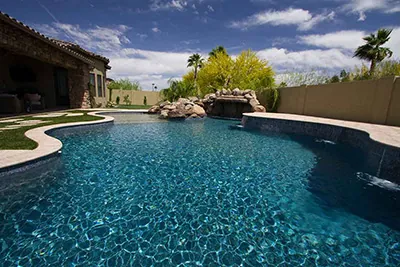
Tropics blue sits firmly in the cyan family, characterized by a high saturation of green mixed with blue. Unlike standard azure or sky blue, this shade carries a distinct aquatic warmth that evokes images of Caribbean lagoons or shallow reef waters. It isn’t a pastel; it possesses enough intensity to stand out against white backgrounds without appearing washed out.
Designers often use this color to inject energy into a space or outfit without resorting to primary reds or yellows. The vibrant saturation level makes it a favorite for summer collections and beach-themed decor where a sense of freshness is paramount.
How does it compare to turquoise?
While similar, tropics blue usually leans slightly less toward green than traditional turquoise. Turquoise can sometimes appear muddy if the green component is too heavy, whereas tropics blue maintains a cleaner, crisper appearance. It’s distinct from aqua as well, which tends to be lighter and less saturated. When selecting paint swatches or fabric samples, look for the specific hex codes that balance the blue-green ratio carefully. A true tropics blue should feel refreshing rather than clinical.
Understanding midnight blue depth
Midnight blue is essentially a very dark navy, so deep that it often appears black in dim lighting. Historically, it was created to offer a darker alternative to black for evening uniforms, particularly in the British Royal Navy, where black dye would fade to a dull grey over time.
This shade retains its rich blue character even when the light is low, providing a sophisticated alternative to pure black. The near-black appearance gives it a slimming effect in clothing and a grounding presence in interior design. It’s the go-to choice for formal suits, evening gowns, and luxury upholstery where elegance is the primary goal.
Why choose it over black?
The main advantage of midnight blue over black is its ability to reflect a subtle hint of color under direct light. While black absorbs all wavelengths, midnight blue reflects the blue spectrum, adding dimension to flat surfaces.
In fashion, this prevents the “void” look that pure black can sometimes create against certain skin tones. It offers a softer contrast that feels less severe while maintaining the same level of formality. For interior walls, it creates a cozy, intimate atmosphere that black might make feel too cavernous.
Visual comparison of key traits
| Feature | Tropics Blue | Midnight Blue |
|---|---|---|
| Primary Undertone | Cyan/Green | Deep Navy/Black |
| Light Reflection | High (Bright) | Low (Absorbing) |
| Best Lighting | Natural Sunlight | Dim or Artificial Light |
| Visual Weight | Light and Airy | Heavy and Grounded |
| Seasonal Association | Summer/Spring | Winter/Autumn |
| Formality Level | Casual/Resort | Formal/Evening |
Which shade suits your skin tone?

Choosing the right shade depends heavily on your natural complexion and undertones. Tropics blue, with its bright and warm leanings, flatters individuals with warm or olive skin tones. The brightness of the color reflects light onto the face, creating a healthy glow for those who tan easily.
Conversely, midnight blue complements cool skin tones exceptionally well. The deep, cool nature of the shade harmonizes with pink or bluish undertones, preventing the wearer from looking washed out. If you have neutral skin, you have the flexibility to pull off both, though the context of the event matters.
How to test before buying
Always hold the fabric or sample up to your face in natural daylight before committing. Indoor lighting can distort the perception of both colors, making tropics blue look greener or midnight blue look purple.
Look at the reflection in a mirror; if the color makes your eyes look brighter, it’s likely a good match. If it casts a shadow under your chin or makes your skin look sallow, reconsider the shade. Skin compatibility is the most critical factor in personal styling decisions involving these specific blues.
Interior design application strategies
In home decor, these two colors serve opposite functions. Tropics blue acts as an accent color that energizes a room. It works beautifully in bathrooms, kitchens, or sunrooms where you want to maintain a cheerful, airy vibe. Pairing it with white trim and natural wood tones enhances its tropical feel.
Midnight blue, however, is excellent for creating drama and intimacy. It’s perfect for dining rooms, libraries, or bedrooms where you want to encourage relaxation and focus. Using it on an accent wall can make a large room feel more cozy and defined.
Mixing with other colors
Tropics blue pairs exceptionally well with coral, sandy beige, and lime green for a vibrant, vacation-inspired palette. Avoid pairing it with other bright blues, as they may clash. Midnight blue serves as a neutral base that pairs elegantly with gold, brass, cream, and soft gray.
It also works surprisingly well with metallic silver for a modern, sleek look. When combining them, let one dominate the space to avoid visual confusion. A room dominated by deep navy needs a pop of light, while a room full of bright cyan needs grounding elements.
Fabric texture impact on color
The material you choose changes how these colors are perceived. On a glossy surface like silk or satin, tropics blue becomes incredibly luminous, almost glowing under light. This makes it a popular choice for swimwear and evening dresses intended for parties. However, on a matte fabric like linen or cotton, it appears more subdued and earthy.
Midnight blue behaves similarly but with a different result. On velvet or wool, the depth of the color increases, absorbing light to create a rich, luxurious texture. On shiny polyester, it can sometimes look flat or synthetic if the dye quality is poor.
Pro Tip: Always check the fabric composition label before buying dark blue garments, as synthetic blends may show pilling or fading patterns that lighter fabrics hide better.
Maintenance and fading concerns
Long-term care varies significantly between the two shades. Tropics blue, being a bright and saturated color, is prone to showing fading more noticeably over time. Sun exposure can bleach the green undertones, leaving a duller, greyish-blue residue. To preserve the vibrancy, wash in cold water and dry in the shade.
Midnight blue hides dirt and wear much better than lighter colors, making it ideal for everyday items like jeans or upholstery. However, when it does fade, it often turns into a dusty grey-brown, which can look aged rather than vintage.
Washing instructions summary
| Care Aspect | Tropics Blue | Midnight Blue |
|---|---|---|
| Sun Exposure | High Risk of Fading | Moderate Risk |
| Dirt Visibility | Low (Shows stains easily) | High (Hides dust well) |
| Wash Temp | Cold only | Cold or Warm |
| Drying Method | Line dry in shade | Tumble dry low |
| Ironing Heat | Medium setting | High setting safe |
Styling tips for fashion choices
For casual wear, tropics blue is perfect for t-shirts, shorts, and sundresses. It projects a relaxed, holiday-ready attitude that works well with denim and sandals. Avoid wearing it in professional settings unless the dress code is strictly creative or casual.
Midnight blue is a wardrobe staple for business attire. It’s the preferred color for blazers, trousers, and formal shirts. You can wear a midnight blue suit to a wedding or a job interview with confidence, knowing it conveys authority and trustworthiness.
Warning: Be cautious when mixing tropics blue with neon accessories, as the combination can appear garish and unpolished unless you have a very specific style vision.
Common mistakes to avoid
One frequent error is confusing tropics blue with standard royal blue. Royal blue is purer and lacks the green tint that defines the tropical aesthetic. Another mistake is using midnight blue in a small, windowless room without adequate lighting, which can make the space feel claustrophobic.
Ensure you have sufficient ambient light sources if you plan to paint a small room this dark. Additionally, don’t assume these colors are interchangeable in digital design; screen calibration affects how each shade renders, potentially altering the intended mood of your project.
Pro Tip: When painting walls, buy a small sample pot and paint a 2×2 foot square to observe the color at different times of day before committing to gallons.
Frequently Asked Questions
Is midnight blue considered black?
No, midnight blue is a distinct shade of navy that’s extremely dark but still contains blue pigments. While it may appear black in low light, it reveals its blue hue under direct sunlight or bright artificial lighting, distinguishing it from true black.
Can I wear tropics blue in winter?
Yes, you can wear tropics blue in winter, especially if paired with heavier fabrics like wool or cashmere. It provides a refreshing contrast to typical winter neutrals like charcoal and brown, adding a touch of brightness to the season.
Does midnight blue fade faster than black?
Generally, midnight blue fades slightly faster than black because the blue dye molecules are less stable than carbon-based black dyes. Over years of washing and sun exposure, it may develop a greyish cast, whereas black tends to stay solid longer.
What jewelry looks best with midnight blue?
Gold and brass jewelry create a stunning contrast against midnight blue, highlighting the richness of the fabric. Silver and platinum also work well, offering a cooler, more modern aesthetic that complements the deep tones of the color.
Is tropics blue good for small rooms?
Yes, tropics blue is excellent for small rooms as it reflects light and makes spaces feel larger and airier. It avoids the heaviness of dark colors while still providing more visual interest than plain white walls.
How do I match shoes with midnight blue pants?
Brown leather shoes, particularly in cognac or tan shades, pair beautifully with midnight blue pants. Black shoes also work for formal occasions, but brown adds a stylish, less rigid element to the outfit.
Conclusion
Select the shade that aligns with your lighting environment and desired mood before making a purchase. Visit a local paint store or fabric shop to see physical samples under your own home lights to confirm the exact tone you need.