
Choosing between a plaster finish and an aggregate surface often leaves pool owners debating the merits of marcite vs diamond brite. These two popular options represent different tiers of durability, aesthetics, and cost, with typical installation prices ranging from $4 to $12 per square foot for standard plaster and $8 to $18 per square foot for exposed aggregate finishes. The final bill depends heavily on your pool’s size, current condition, and local labor rates, but understanding the material differences is the first step toward a lasting investment.
Key Takeaways
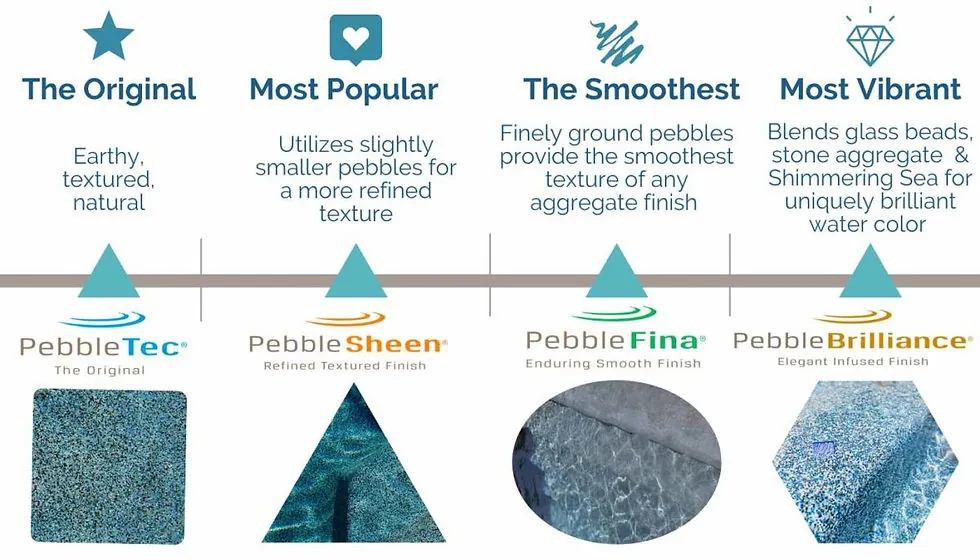
- Aggregate surfaces like Diamond Brite offer superior longevity, typically lasting 15 to 20 years compared to 7 to 10 years for standard plaster.
- Standard plaster, known as Marcite, provides a classic white look at a lower upfront cost but requires more frequent maintenance to prevent staining.
- Surface texture varies significantly, with polished aggregates feeling smoother underfoot than the slightly rougher, traditional feel of unpolished plaster.
- Chemical balance is critical for both, though aggregate finishes are generally more resistant to etching and acid damage over time.
- Color retention tends to fade faster in standard plaster, while quartz or glass bead aggregates maintain their vibrancy longer under UV exposure.
- Resurfacing frequency dictates long-term budgeting, as choosing a premium finish now can delay the next major renovation by nearly a decade.
What is Marcite Pool Plaster?
Marcite is the industry term for traditional white plaster, a mixture of white Portland cement, marble dust, and water. It has been the standard finish for swimming pools since the mid-20th century due to its affordability and smooth application. When applied, it creates a seamless, non-porous layer that bonds directly to the gunite or shotcrete shell.
While it offers a bright, reflective surface that makes water appear vividly blue, it’s relatively soft compared to modern alternatives. Over time, this softness can lead to surface degradation, especially in areas with aggressive water chemistry or high usage. The material is porous enough to absorb minerals, which can eventually cause discoloration if not managed correctly.
How does the composition affect durability?
The primary weakness of standard plaster lies in its lack of reinforcement. Unlike aggregate finishes that embed hard stones, Marcite relies entirely on the chemical bond of the cement matrix. This means that once the surface begins to erode, there’s no structural backup to hold it together. Acid washing, a common maintenance procedure, removes the top layer of calcium carbonate, thinning the shell with every treatment. Consequently, homeowners must be vigilant about maintaining proper pH levels to avoid rapid deterioration.
Understanding Diamond Brite Aggregate Finishes
Diamond Brite is a branded line of exposed aggregate pool finishes that incorporates natural quartz crystals, glass beads, or pebbles into the cement base. This mixture creates a harder, more durable surface that resists wear and tear far better than plain plaster.
The name “Diamond Brite” refers specifically to the brand manufactured by Pool Tech, which is widely recognized for its consistent quality and variety of color options. The embedded aggregates reflect light differently than plaster, creating a sparkling effect that mimics the look of natural stone. This finish is available in various shades, allowing for customization beyond the stark white of traditional options.
Why choose an exposed aggregate surface?
The inclusion of hard minerals significantly increases the surface hardness, making it much more difficult for chemicals or abrasion to wear away the finish. This added density provides a natural barrier against staining and algae growth.
Furthermore, the texture of an exposed aggregate finish offers a slight grip, which can be beneficial for safety around slippery pool decks or steep entry steps. The visual depth created by the stones also helps hide minor imperfections in the underlying shell, a feat that smooth plaster can’t achieve.
Comparing Longevity and Lifespan Expectations
When evaluating marcite vs diamond brite, lifespan is often the deciding factor for budget-conscious owners versus those planning long-term ownership. Standard plaster typically lasts between seven and ten years before requiring significant repair or complete resurfacing.
In contrast, high-quality aggregate finishes like Diamond Brite can endure for fifteen to twenty years under normal conditions. This extended life cycle often offsets the higher initial installation cost, as the owner avoids one full resurfacing project during the average ownership period. However, these timelines assume proper water chemistry management; neglecting pH balance can shorten the life of any finish drastically.
| Feature | Standard Marcite | Diamond Brite Aggregate |
|---|---|---|
| Typical Lifespan | 7–10 years | 15–20 years |
| Hardness Rating | Soft (Cement based) | Hard (Quartz/Stone reinforced) |
| Stain Resistance | Low to Moderate | High |
| Acid Etch Risk | High | Low to Moderate |
| Maintenance Frequency | High | Moderate |
Cost Analysis and Installation Factors
The price difference between these two finishes is substantial, reflecting the materials and labor intensity involved. Installing standard Marcite usually costs less because the material is cheaper and the application process is faster. Conversely, Diamond Brite requires more specialized labor to ensure the aggregates are evenly distributed and properly exposed.
The cost also fluctuates based on the specific type of aggregate used; glass bead options are generally pricier than standard quartz mixes. Regional labor rates play a massive role, with urban centers often charging significantly more for skilled applicators.
What drives the price difference?
Material costs account for roughly half of the price gap, as the quarrying and processing of natural stones add expense. Labor accounts for the rest, as applying an aggregate finish takes longer and requires more skill to avoid “blinding,” where too much cement covers the stones.
Additionally, preparing the pool deck and managing waste disposal for heavier aggregate materials can increase the overall project quote. Homeowners should obtain multiple quotes to understand local market variations before committing to a specific option.
Aesthetics and Visual Appeal Comparison
Visual preference is subjective, but the two finishes offer distinct looks. Marcite provides a clean, uniform white canvas that maximizes light reflection, making the water appear brighter and clearer. It’s the classic choice for those who want a traditional resort-style appearance without distraction.
Diamond Brite, however, introduces texture and depth through the visible stones. Depending on the color blend chosen, it can range from a subtle grey to a rich turquoise or even earthy tones. The sparkle effect from the stones adds a dynamic quality to the water that changes with the angle of the sun.
Which finish hides dirt better?
While white plaster shows debris clearly, its uniformity can make small stains like leaf tannins or copper spots stand out sharply. Aggregate finishes are excellent at camouflaging minor debris and waterline scum because the varied texture breaks up the visual continuity of the stain.
The natural variation in stone color also means that mineral deposits don’t show as glaringly as they would on a pure white surface. This makes Diamond Brite a practical choice for pools in areas with hard water or heavy pollen fall.
Maintenance Requirements and Routine Care
Both finishes require diligent water chemistry management, but the tolerance levels differ. Standard plaster is highly sensitive to low pH, which causes etching and pitting. Owners must test water weekly and adjust alkalinity and calcium hardness frequently.
Diamond Brite is more forgiving, resisting etching better due to the hardness of the embedded stones. However, neither finish is immune to scaling if calcium levels run too high. Regular brushing is essential for both to prevent algae buildup, though the textured surface of an aggregate may trap biofilm slightly more easily in crevices if neglected.
Pro Tip: Always wait at least 28 days after filling a new plaster pool before adding algaecides or shock treatments to allow the surface to fully cure and stabilize.
Common Issues and Troubleshooting Guide
Even with the best care, problems can arise. Plaster often suffers from “spalling,” where chunks of the surface flake off due to freeze-thaw cycles or poor curing. Aggregates can experience “delamination” if the bond between the stone and cement fails, though this is rare with reputable brands.
Staining is another common issue, particularly from organic matter like leaves or metals like iron and copper. Addressing these issues early prevents permanent damage. For example, a metal sequestrant can prevent rust stains before they set, while a mild acid wash might be needed for calcium scale on plaster.
| Issue | Marcite Susceptibility | Diamond Brite Susceptibility | Recommended Action |
|---|---|---|---|
| Etching | High | Low | Maintain pH 7.4–7.6 |
| Staining | Moderate | Low | Use sequestrants regularly |
| Cracking | Moderate | Low | Check structural integrity |
| Algae Growth | Moderate | Moderate | Brush weekly, shock monthly |
| Spalling | High | Very Low | Avoid freezing without cover |
Environmental Impact and Material Sourcing
Sustainability is becoming a factor for many homeowners. Traditional plaster uses large amounts of Portland cement, which has a high carbon footprint due to the manufacturing process. Aggregates like quartz are mined, which also impacts the environment, but the longevity of the product reduces the frequency of replacement, potentially lowering the long-term environmental toll.
Some manufacturers are now offering eco-friendly blends that use recycled glass or locally sourced stones to reduce transportation emissions. Choosing a finish that lasts longer inherently reduces waste generation over the decades.
Making the Final Decision for Your Pool
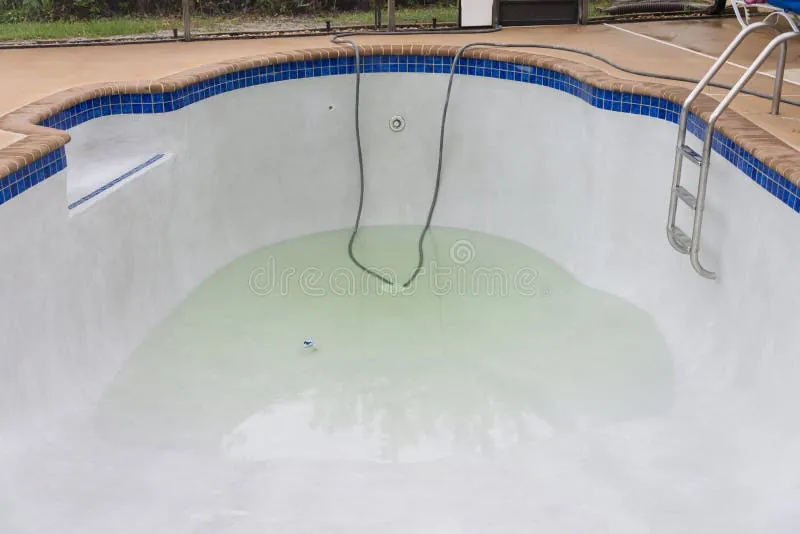
Selecting between these finishes ultimately depends on your budget, aesthetic goals, and how long you plan to keep the pool. If you’re selling soon or have a tight budget, Marcite offers a quick, attractive solution. If you view the pool as a long-term asset and value durability, Diamond Brite is the superior investment.
Consider the climate in your area; regions with harsh winters or aggressive water chemistry will benefit more from the resilience of an aggregate finish. Consult with local contractors who specialize in both types to get a realistic assessment of your pool’s needs.
Related guides
- Toilet Bowl vs Water Closet: The Key Differences Explained in 2026
- How Much Does a Pizza Oven Cost: Price Ranges Explained in 2026
- How Much Does Plumbing Repair Cost? Typical Price Ranges in 2026
Frequently Asked Questions
How long does it take to install Diamond Brite?
Installation typically takes three to five days, including surface preparation, application, and the initial curing period before filling. The actual application of the finish usually happens in one day, but the surrounding work and drying time extend the timeline.
Can I paint over old Marcite instead of resurfacing?
No, painting over plaster is a temporary fix that often peels within a year. Paint doesn’t bond well to the porous surface of cured plaster and can’t withstand the constant submersion and chemical exposure of a swimming pool environment.
Is Diamond Brite safe for bare feet?
Yes, it’s generally safe, though the texture is slightly rougher than smooth plaster. Most modern installations polish the aggregate to provide a comfortable feel, but some individuals with very sensitive skin might prefer the ultra-smooth finish of traditional plaster.
Does the color fade over time?
All pool finishes fade eventually, but aggregate finishes retain color longer than standard plaster. UV rays break down the pigments in the cement binder, but the stones themselves remain vibrant, keeping the overall appearance fresh for many years.
What is the best way to clean a Diamond Brite pool?
Use a soft-bristle brush to gently scrub the surface weekly to remove debris without damaging the exposed stones. Avoid steel brushes or abrasive tools, and maintain balanced water chemistry to prevent scaling or staining.
Can I switch from plaster to aggregate later?
Yes, you can resurface a plaster pool with an aggregate finish, but it requires removing the old plaster down to the gunite shell. This is a standard resurfacing procedure, though it may cost slightly more due to the extra removal labor.
Conclusion
For most homeowners seeking a balance of beauty and longevity, upgrading to an aggregate finish like Diamond Brite offers the best return on investment by extending the time between costly renovations.