
Garbage disposal splash guards made of rubber, silicone, or stainless steel are the most effective items to stop food debris from flying out of your sink, with standard residential models typically requiring a 3.5-inch diameter. These accessories create a flexible seal that holds back water and scraps while allowing the unit to function. Selecting the right one depends on your sink’s flange size and your preference for noise dampening or ease of cleaning.
How to compare garbage disposal splash guards
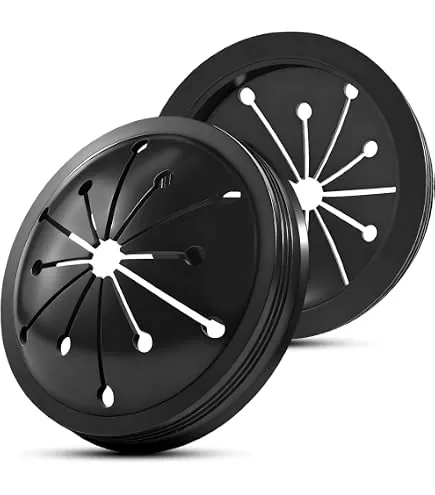
| Protector Type | Best For | Example |
|---|---|---|
| Rubber Baffle | Noise reduction | Standard black rubber |
| Silicone Shield | Easy cleaning | Flexible heat-resistant disc |
| Stainless Steel | Durability | Metal mesh strainer |
| Universal Fit | Multiple sinks | Adjustable rubber ring |
Rubber baffles excel at dampening the clatter of silverware against the disposal flange. If you live in a household where loud kitchen noises are a frequent frustration, choose this material. However, avoid these if you frequently pour grease down the drain, as the porous surface traps fat and develops odors quickly.
Silicone shields are the most hygienic option because they resist mold and can be tossed directly into the dishwasher. They’re ideal for high-traffic kitchens where you need to clear food debris multiple times a day. If the shield feels tacky or attracts lint after a month, it’s time to replace it.
Choose stainless steel if you prioritize longevity over aesthetics. While these are harder to scrub, they don’t warp under boiling water or degrade from harsh drain cleaners. If you have a deep basin, ensure the mesh is fine enough to catch rice and coffee grounds, which are the primary culprits for plumbing clogs.
Universal fit protectors use tiered rubber rings to seat into various drain widths. Use these only if you have an unconventional sink size that prevents a standard seal. If your drain is a standard 3.5-inch opening, skip the universal models.
They often collect more gunk in the creases of the adjustment rings, creating a maintenance headache that a dedicated, single-size protector avoids entirely. Always measure your drain diameter before buying to ensure a snug fit that prevents small items from slipping past the edges.
Rubber Baffle Guards
A rubber baffle is the standard choice for most modern garbage disposals because it effectively blocks noise and prevents food from splashing upward. It suits homeowners who prioritize a quiet kitchen environment over aesthetic variety. This material is naturally flexible, allowing large items to pass through without getting stuck, but it can trap odors if not rinsed regularly.
- Absorbs vibrations to reduce the grinding noise of the disposal motor.
- Creates a tight seal that prevents water from spraying onto the counter.
- Flexes easily to accommodate large food scraps during operation.
If you have a standard 3.5-inch drain, this guard will fit perfectly. For deeper sink flanges, you may need a model with a longer skirt to ensure a proper seal against the sink wall. When installing, push the rubber edges down firmly until they sit flush against the metal flange.
Silicone Splash Shields
Silicone shields offer a more modern alternative to rubber, providing better resistance to heat and dishwasher-safe cleaning. They suit users who want a hygienic option that resists mold growth and stiffening over time. Unlike rubber, silicone doesn’t absorb food smells, making it a cleaner choice for busy kitchens that handle heavy daily use.
Maintains flexibility in both hot and cold water temperatures. Resists the buildup of grease and food particles that cause odors. Fits easily into most standard disposal mounting systems without special tools.
If you notice your disposal struggling to clear waste after installing a new shield, check the thickness of the silicone flaps. A guard thicker than 3mm often creates too much resistance for lower-horsepower units, typically those under 1/2 HP. If your motor hums but the blades don’t spin, trim the outer edges of the silicone flaps by 2mm using sharp shears to reduce drag.
Most users make the mistake of choosing a shield based solely on the diameter of the sink opening. However, the depth of the mounting collar matters more. If the shield sits too deep, it will trap food scraps in the neck of the disposal rather than allowing them to pass into the grinding chamber. This creates a hidden layer of rot that eventually ruins the unit’s seal.
Choose a stiff, high-density silicone if you frequently scrape heavy plates directly into the sink. The extra rigidity prevents the flaps from inverting under the weight of wet food waste. If you prefer a quiet kitchen, select a thinner, multi-layered design. These act as a sound dampener, catching the noise of the grinding process before it echoes through the basin.
These guards are ideal for people who prefer to remove and wash their sink accessories in the dishwasher. If your sink has a decorative finish, look for a translucent silicone guard that blends in with your basin. You should verify your specific disposal model’s manual to ensure the thickness of the silicone doesn’t interfere with the internal grinding mechanism.
Stainless Steel Strainers
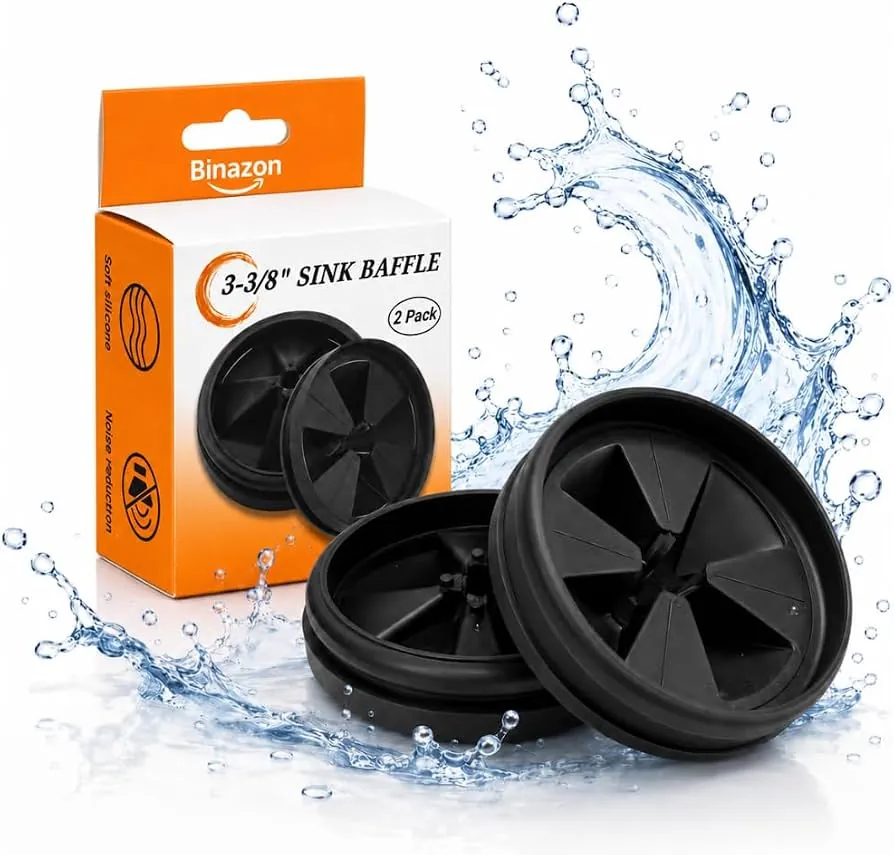
Stainless steel guards serve as both a splash shield and a physical filter, catching silverware before it drops into the disposal. They suit households where small utensils often accidentally fall into the sink drain. This material is highly durable and doesn’t degrade, though it provides less sound dampening compared to rubber or silicone options.
- Prevents metal objects from falling into the disposal and damaging the blades.
- Offers a sleek, polished look that matches modern stainless steel sinks.
- Provides a rigid barrier that remains in place even under high water pressure.
Using a steel guard requires you to physically remove it when you need to push large amounts of food into the drain. If you notice the disposal making a metallic clanging sound, remove the guard immediately to check if it has shifted. This type of guard isn’t for someone who wants a “set and forget” solution, as it requires manual intervention to clear debris. Always measure your drain opening before purchasing, as these are less flexible than rubber models.
Universal Fit Guards
Universal fit guards feature adjustable rings or tiered designs to accommodate various drain sizes. They suit renters or homeowners who are unsure of their exact sink dimensions and need an immediate, versatile solution. These guards often use a combination of flexible silicone and rigid plastic to ensure they grip the sides of the drain securely, regardless of the sink’s specific shape or material.
Fits a range of drain diameters from 3 inches to 4 inches.
Provides a reliable backup if you can’t find a brand-specific replacement part.
Includes multiple mounting points to ensure a snug, leak-free fit.
These guards vary based on the number of tiers they have. For a deeper drain, use a three-tier model to ensure the base reaches the bottom. A single-tier version works better for shallow sinks where extra bulk would obstruct the flow.
If the guard feels loose, check if the mounting ring is fully seated in the sink flange. A common mistake is failing to apply firm, downward pressure during the initial installation. This oversight often costs the user a watertight seal, leading to slow drainage or leaks.
If you notice the guard floating up when the sink fills with water, the seal is likely compromised by debris or mineral buildup. Use a stiff brush to clean the sink flange before re-seating the guard. If it continues to shift, switch to a model with a weighted metal core.
Use the rule of thumb for material choice: if your sink is stainless steel, choose a guard with a rubber gasket to prevent sliding. If your sink is porcelain or composite, a silicone-based guard will provide better suction and longevity.
Other types of guards
Removable drop-in guards sit loosely atop the drain flange. They function best for households that prioritize ease of cleaning over constant splash protection. Because they lack a mechanical lock, you must remove them manually before pushing food scraps into the disposal. If you leave them in place during heavy rinsing, the water flow can easily displace them, causing them to slide into the sink basin.
Weighted baffles utilize a dense, reinforced outer ring to maintain a seal against the sink surface. This design is essential if your faucet produces high water pressure or if you frequently wash large pots that create significant turbulence in the basin. The extra mass prevents the guard from floating or shifting when the sink fills with water.
Choose a drop-in model if you prefer a clear, unobstructed drain when the disposal is idle. This prevents the buildup of organic residue that often hides beneath fixed guards. However, if your primary concern is preventing silverware from accidentally falling into the disposal, stick with a weighted baffle. The added weight provides enough resistance to stop small metal objects from pushing the guard aside.
Many homeowners make the mistake of choosing a universal guard without measuring the sink opening first. A guard that’s even two millimeters too small will shift constantly, while one that’s too large will sit unevenly, defeating the purpose of the splash shield. Always check the diameter of your current flange before purchasing a replacement. If the guard doesn’t sit flush against the metal, you’ll experience splashing regardless of the style you choose.
Choosing your splash guard
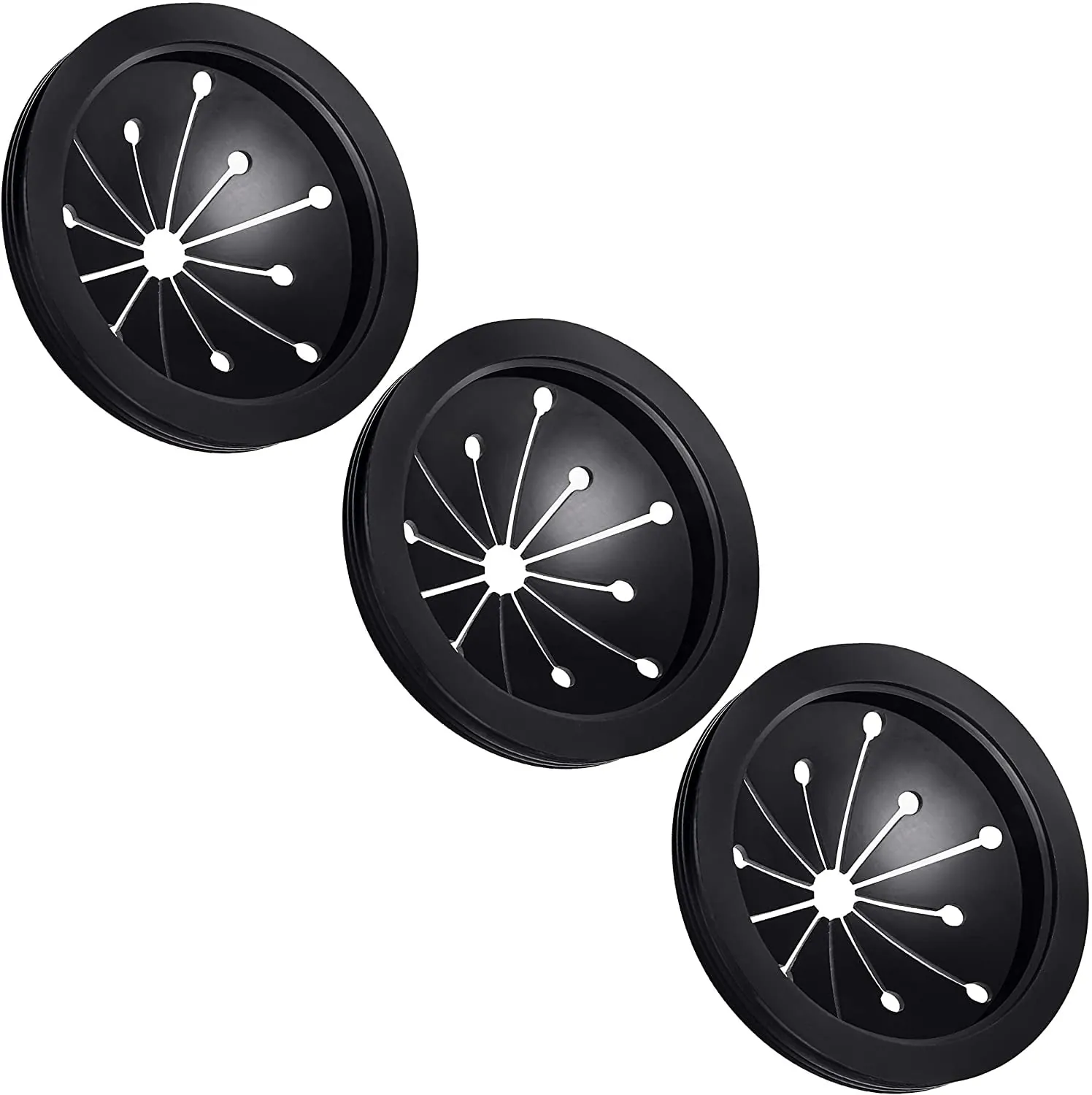
Deciding which guard is yours depends on three main factors: your tolerance for kitchen noise, your cleaning habits, and the type of material currently installed in your sink.
However, rubber is porous. If you leave food debris trapped in the folds for more than twenty-four hours, you’ll inevitably deal with stagnant odors that are difficult to scrub away.
If you prioritize hygiene and frequent cleaning, select a silicone shield. Unlike rubber, silicone is non-porous and dishwasher safe. You can pull it out after every dinner prep and run it through a high-heat cycle to sanitize the surface. The trade-off is rigidity; silicone flaps are thinner and often allow more sound to escape from the grinding chamber.
For those who frequently drop silverware, a stainless steel strainer is the safest bet. It acts as a physical barrier that prevents metal utensils from entering the disposal, which saves you from expensive repairs or a jammed motor. If you hear a loud metallic clatter, you have already saved your blades from a potential fracture.
You can combine a rubber baffle for noise with a stainless steel strainer on top for protection, provided your sink flange is deep enough to hold both. Check your flange depth before purchasing; if the rim is less than one inch deep, the strainer will sit proud of the sink floor, causing dishes to wobble and tip.
Picking one doesn’t mean you’re stuck with it forever. These parts are inexpensive and easy to swap out. If your current guard feels slimy or holds smells despite a deep soak in vinegar, replace it immediately. A fresh guard is a budget-friendly way to restore the kitchen’s overall air quality.
Related guides
- Pool Umbrella Sleeve Too Big or Small: How to Fix the Fit in 2026
- 10 Best Toilet Seat in the World Picks for Comfort and Fit in 2026
- Foosball Table Replacement Parts: How to Find the Right Fit in 2026
Frequently asked questions
Can I run the disposal without a splash guard?
You should always use a splash guard to prevent debris and water from spraying out of the drain. The guard acts as a safety barrier for your eyes and skin while keeping your sink area clean. If your guard is damaged, replace it immediately to avoid potential injury from flying food particles.
How long do rubber splash guards last?
Most rubber splash guards last between 12 and 24 months, depending on usage and the types of food you grind. You’ll know it’s time to replace the guard if it starts to sag, if water no longer drains properly, or if it becomes difficult to clean.
Is it safe to put a splash guard in the dishwasher?
Only silicone splash guards are typically safe for dishwasher use, as rubber can degrade or warp under high heat. You should wash rubber guards by hand using a soft brush and mild dish soap to preserve their shape. Always check the packaging to confirm the heat-resistance rating before using a dishwasher.
What happens if the splash guard is too tight?
A splash guard that’s too tight can restrict water flow and cause your garbage disposal motor to overheat. A properly fitted guard should allow water to pass through freely while still preventing food from splashing back up. If your disposal makes a strained humming sound, check the guard for a proper fit.
Does it matter if the guard is made of rubber or silicone?
Silicone is generally easier to sanitize than rubber because it doesn’t absorb food oils or smells. While rubber is porous and can hold onto bacteria, it’s often preferred for its superior sound-dampening qualities. Choose based on whether you prioritize a cleaner-smelling sink or a quieter kitchen operation.
How do I measure my sink for a new guard?
To measure your sink for a new guard, use a tape measure to find the inside diameter of the drain opening at the sink flange. Most standard residential sinks have a drain opening that measures 3.5 inches across. Never guess the size, as an improperly sized guard will fail to function correctly.
Conclusion
Start by removing the old guard to clear away any food buildup on the sink flange. Once the area is clean, press the new guard firmly into the drain until it sits evenly against the metal lip. You should expect the disposal to run quieter and with less splashing immediately upon starting it.