
Frost-proof sillcocks, vacuum breaker faucets, quarter-turn ball valves, and heavy-duty brass spigots are the best outdoor faucets for most homes because they resist winter damage and offer reliable flow. These fixtures move water from your indoor pipes to your garden hose, but they differ in how they stop leaks and handle freezing temperatures.
Quick look at outdoor faucets
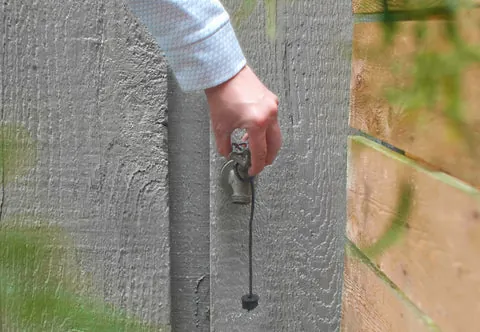
Selecting a faucet requires matching the connection type to your existing home piping. The following table highlights the common types found in residential settings.
| Faucet Type | Best Used For | Common Example |
|---|---|---|
| Frost-proof sillcock | Cold climates | Long-stemmed brass valve |
| Vacuum breaker | Preventing backflow | Anti-siphon hose bibb |
| Quarter-turn valve | Easy on-off access | Lever-handle ball valve |
| Heavy-duty brass | Long-term durability | Cast iron body spigot |
If your region experiences temperatures below 32 degrees Fahrenheit for more than three consecutive days, you must install a frost-proof sillcock. These valves extend 8 to 12 inches into the heated interior of your wall to prevent the water column from freezing and bursting the pipe. Standard hose bibbs fail in these conditions because the water remains right at the exterior wall surface.
Check your local building codes regarding vacuum breakers before you install a new unit. Many municipalities now mandate these anti-siphon devices to stop contaminated water from being pulled back into your home’s potable supply. If your faucet lacks an integrated breaker, you can buy a screw-on attachment that’s inexpensive compared to replacing the entire fixture.
Most homeowners mistakenly choose a multi-turn compression faucet for ease of repair, but these require several rotations to open fully. If you have arthritis or struggle with grip strength, switch to a quarter-turn ball valve. These provide instant flow with a single flick of the lever.
Finally, verify your pipe material before purchasing. Threaded brass fittings are standard for copper or PEX lines, but you’ll need a specific adapter if you’re connecting to older galvanized steel pipes. Failing to match the threading often leads to slow, hidden leaks that rot your siding.
Frost-proof sillcock
A frost-proof sillcock is a specialized faucet designed to prevent pipes from bursting in sub-zero weather by placing the shut-off valve inside the heated portion of your home. It suits homeowners living in regions where temperatures drop below freezing for extended periods during the winter.
The device keeps the water shut-off valve inside the wall cavity to prevent freezing. It uses a long internal stem to connect the exterior handle to the interior valve. You must install the unit with a slight downward pitch toward the outside. This angle allows residual water to drain from the pipe after the handle is turned off.
If you have a 10-inch thick wall, you must measure the distance from the exterior siding to your interior pipe connection to buy a stem of the correct length. Using a stem that’s too short will leave the valve in the cold zone, causing it to freeze and crack. For example, a home with standard 2×4 framing and brick veneer typically requires a 12-inch frost-proof sillcock to ensure the seat sits inside the insulated wall space.
Always remove your garden hose before the first freeze. If a hose remains attached, the water trapped inside the sillcock can’t drain out. The pressure builds up as the ice expands, which ruptures the copper tube behind the siding. You’ll know this has happened when water sprays inside your basement or crawlspace the next spring.
Check the washer if the faucet drips after you turn it off. A worn rubber seal prevents a tight closure, allowing a slow trickle to remain in the pipe. That small amount of standing water will eventually freeze and split the internal assembly. Maintenance frequency depends on use; consult your owner’s manual for guidance.
Vacuum breaker faucet
A vacuum breaker faucet, often called an anti-siphon valve, prevents contaminated water from being pulled back into your home’s clean water supply. It suits households that connect hoses to chemical sprayers, pond pumps, or irrigation systems that could pose a backflow risk.
- Includes an internal check valve that stops water from reversing flow into the pipe.
- Features a visible cap or atmospheric vent that releases pressure to break a vacuum.
- Complies with local plumbing codes that mandate backflow prevention on all exterior outlets.
- Protects your indoor drinking water from potential contaminants found in garden hoses.
The Uniform Plumbing Code requires that all hose bibbs have an approved backflow prevention device to safeguard public water systems. If your faucet doesn’t have this, you can screw on an aftermarket vacuum breaker, but it must be permanently secured with a set screw to meet code requirements. For instance, if you attach a fertilizer sprayer to your hose, the vacuum breaker ensures that if the water pressure drops suddenly, the chemical-laden water can’t enter your home’s main supply.
Quarter-turn ball valve
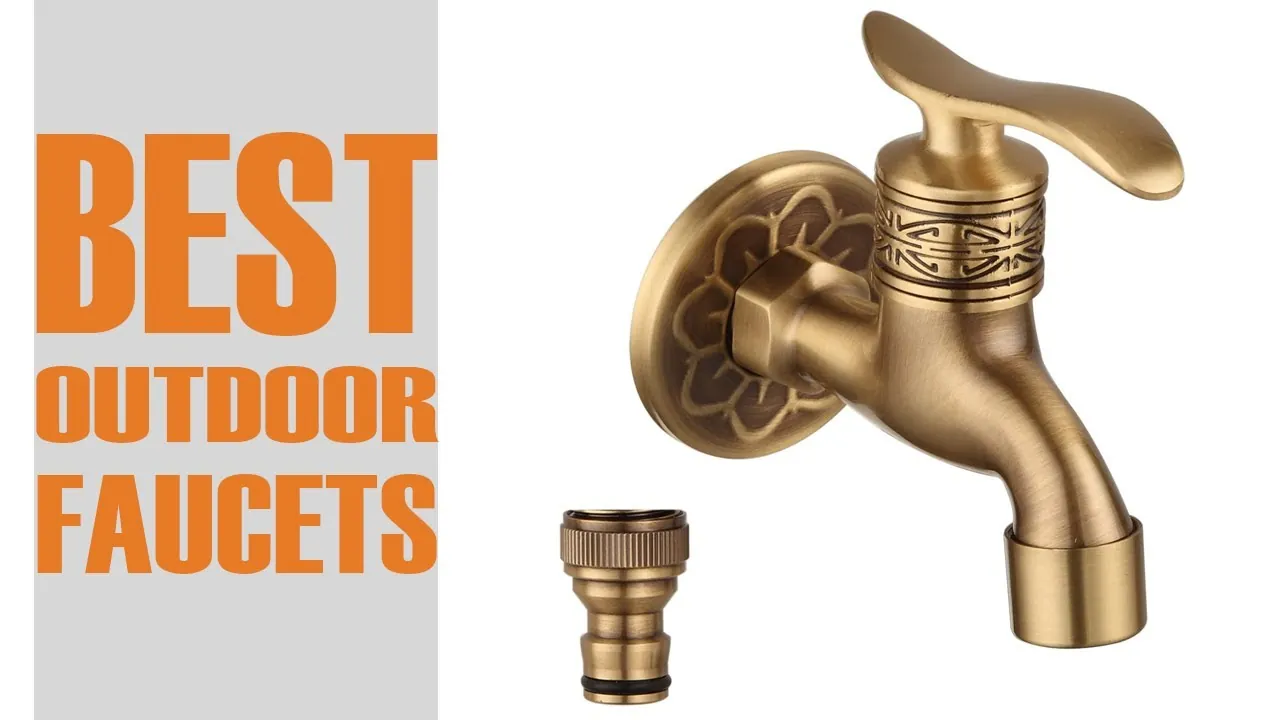
A quarter-turn ball valve uses a simple lever handle that moves 90 degrees to fully open or close the water flow. It suits people who have arthritis or limited hand strength, as it avoids the need for the repetitive twisting required by traditional multi-turn faucets.
- Provides instant on-off control with a single motion of the lever.
- Uses a ball mechanism that’s less prone to wearing out than rubber washers.
- Offers a clear visual indicator of whether the water is on or off.
- Reduces the wear on internal components because it doesn’t rely on friction.
This type of valve is generally not frost-proof unless it’s specifically labeled as such with a long stem. If you install a standard quarter-turn valve in a cold climate, you must remember to shut the water off from the inside and drain the pipe every autumn. For example, if you’re filling a large pool in the summer, this valve allows you to turn the water on fully in one second, whereas a traditional knob takes multiple rotations.
Heavy-duty brass spigot
A heavy-duty brass spigot is a traditional, non-frost-proof faucet built with thick walls to withstand years of heavy use and physical impact. It suits homeowners in warm climates or those who have access to a dedicated indoor shut-off valve for their outdoor lines.
Constructed from solid cast brass for maximum resistance to corrosion and sunlight, these units avoid the brittle failure common in cheaper zinc-alloy alternatives.
Features include a large, ergonomic handle that’s easy to grip even with wet hands. It provides a high flow rate for filling buckets or powering pressure washers, as the internal waterway is rarely restricted by the long, narrow stems found in frost-proof designs. The threaded spout allows for a secure, leak-free attachment of standard garden hoses.
Because this faucet lacks the long stem of a frost-proof model, it’s highly susceptible to freezing if water remains in the pipe during winter. If you live in a location where the temperature drops below 32 degrees Fahrenheit, you must turn off the supply at an interior valve and open the spigot fully to drain it.
Many homeowners mistakenly leave the hose attached during the first frost, which traps water inside the valve body. This creates a closed system where expansion has nowhere to go, inevitably splitting the brass housing. If you see a hairline crack or a steady drip from the packing nut, the internal seat has likely been compromised by pressure.
In a mild climate like Southern California, a brass spigot can stay connected year-round. If you’re unsure of your local frost depth, check the foundation of your home; if the supply pipe enters through the wall above the frost line, you must use a shut-off valve to prevent a catastrophic pipe burst inside your wall.
Other faucet styles
Pillar taps rise vertically from a deck or wall mount, favoring a clean, modern aesthetic over the utilitarian look of a standard spigot. These are best suited for outdoor kitchens or specialized garden sinks where the plumbing is exposed.
Two-way hose bibbs feature two separate outlets on a single body. This allows you to keep a hose permanently attached while maintaining a second, open port for filling buckets or watering cans. Maintenance frequency depends on use; consult your owner’s manual for guidance.
Decorative wall faucets prioritize form, often utilizing bronze, copper, or oil-rubbed finishes to complement architectural details. These belong in high-visibility areas like front entryways or patio walls where the faucet acts as an extension of your home’s character. Don’t install these in high-traffic zones where the finish might be scratched by heavy equipment.
When choosing between these styles, assess your water pressure requirements. If you live in an area with high pressure, choose a heavy-duty brass body regardless of the style. Lightweight decorative models often lack the internal wall thickness to withstand pressure surges, leading to catastrophic cracks during winter freezes.
If your faucet is located in a shaded, damp corner, opt for copper or brass alloys to resist the oxidation that eventually seizes the handle of cheaper, zinc-based alternatives. Always verify that the mounting flange matches your existing pipe depth to ensure a watertight seal.
Choosing the right faucet
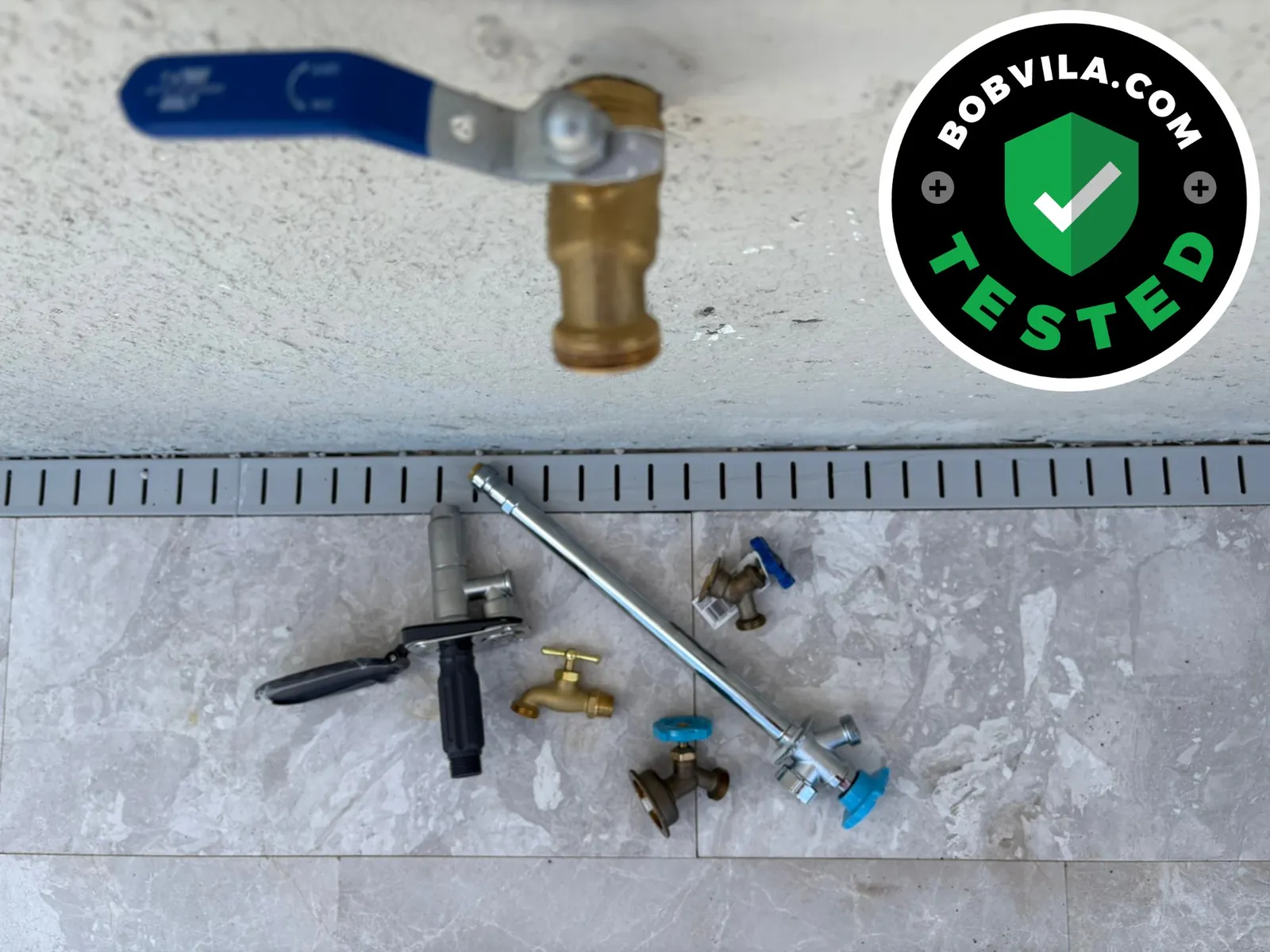
Deciding which faucet to buy depends on three factors: your local winter climate, your plumbing access, and your physical needs. If you live in a region that experiences hard freezes, you should choose a frost-proof sillcock, provided you can access the pipe inside your wall to install it.
If you have limited hand strength, prioritize a quarter-turn ball valve for its ease of operation. These models require only a 90-degree rotation to reach full flow, whereas traditional multi-turn valves demand significant grip and wrist rotation. However, you must install an indoor shut-off valve if you live in a cold area, as these valves aren’t inherently frost-proof.
If you use your outdoor water for chemical applications, like mixing fertilizers or pesticides, you must choose a model with an integrated vacuum breaker to remain compliant with local safety regulations. This prevents back-siphonage, which could otherwise pull contaminated water into your home’s potable supply.
You can’t combine these features in every case. Some frost-proof models don’t come with integrated vacuum breakers, meaning you may need to buy an additional threaded attachment. Check the faucet’s spout for a backflow prevention certification mark, usually stamped as ASSE 1011.
Avoid the common mistake of buying a decorative faucet based solely on its finish. A high-end brass finish will fail quickly if the internal valve seat is made of cheap, thin plastic. Before purchasing, unscrew the handle to inspect the stem.
If you see plastic threading, skip it; metal-on-metal components provide the longevity required for outdoor exposure. If you’re replacing an existing unit, measure the distance from the mounting flange to the wall. A mismatch here leaves a gap that invites water infiltration behind your siding, leading to rot.
Frequently asked questions
How long do outdoor faucets usually last?
High-quality brass faucets typically last 10 to 20 years, depending on water mineral content and usage. Hard water causes calcium buildup that leads to leaks. If you notice a steady drip, the internal washer or valve assembly likely requires replacement.
Is it safe to leave a hose attached in winter?
You should always disconnect outdoor hoses before freezing weather arrives to prevent pipe damage. A connected hose traps water in the faucet stem, preventing drainage and causing back-pressure that can split copper pipes. Always remove hoses when temperatures drop near freezing.
Why is my outdoor faucet leaking from the handle?
A leaking handle is usually caused by a worn-out packing nut or a dried-out internal O-ring. You can often stop the drip by tightening the packing nut with an adjustable wrench to compress the seal. If the leak persists, the internal washer likely needs replacement.
How do I stop my outdoor faucet from freezing?
The most reliable way to prevent freezing is to install a frost-proof sillcock that places the valve seat inside your home. If you have a standard faucet, you must close the interior shut-off valve and drain the outdoor line. Foam covers provide only temporary insulation.
Does it matter if my faucet is brass or plastic?
Brass is significantly more durable and UV-resistant than plastic for outdoor use. Plastic faucets become brittle after exposure to sunlight, eventually cracking and causing major leaks. For permanent installations, choose solid brass to ensure the fixture survives the elements and daily wear.
What happens if I don’t use a vacuum breaker?
A vacuum breaker prevents contaminated water from being pulled back into your home’s drinking supply. This device stops back-siphonage, which occurs when a drop in water pressure creates a vacuum. Many local building codes require these devices to protect household water quality.
Conclusion
Start by checking your current faucet for a “frost-proof” label or a significantly longer body compared to a standard spigot. If you see a long pipe extending into the wall, you likely have a frost-proof model, and you should measure its length before buying a replacement to ensure the new one fits your existing opening.