
Is your Raypak pool heater leaking water? This can be frustrating and worrying because a leak might mean bigger problems down the line.
You rely on your heater to keep your pool warm and comfortable, so noticing water where it shouldn’t be can disrupt your whole swimming experience. But don’t panic—understanding why your Raypak heater is leaking and what you can do about it will save you time, money, and stress.
Keep reading to find out the common causes of leaks and simple steps you can take to fix the issue before it gets worse.
Credit: www.standardwool.uk
Common Leak Areas
Raypak pool heaters can develop leaks over time. Knowing where leaks usually happen helps in spotting problems fast. Common leak areas include pipe connections, the heat exchanger, pressure relief valve, and drain valve. Each part needs a careful check to keep your heater working well.
Pipe Connections
Pipe connections join different parts of the heater. These spots can loosen or crack. Water can drip from small gaps or worn-out seals. Tightening or replacing seals often stops leaks here. Check these connections regularly for dampness or rust.
Heat Exchanger
The heat exchanger warms the pool water. It handles high heat and pressure. Cracks or corrosion can cause leaks in this part. Leaking heat exchangers reduce heater efficiency and waste water. Look for wet spots or rust stains on the exchanger shell.
Pressure Relief Valve
This valve protects the heater from too much pressure. It opens to release water if pressure gets high. Sometimes, it leaks if it gets stuck or damaged. A leaking valve may drip water even when not releasing pressure. Inspect and clean the valve to prevent leaks.
Drain Valve
The drain valve lets you empty water from the heater. Loose or broken valves can drip water. Leaks here often happen after draining or winterizing. Make sure the valve is tight and in good condition to avoid water loss.
Diagnosing The Leak
Diagnosing a Raypak pool heater leak is the first step to fix the problem. Finding the leak early can save you money and prevent damage. This section explains easy ways to spot leaks and tools to help.
Visual Inspection Tips
Start by looking around the heater for wet spots or water stains. Check the pipes, valves, and connections closely. Rust or corrosion may show a slow leak. Look under the heater for puddles or damp ground. Use a flashlight to see hidden areas better.
Using Leak Detection Tools
Leak detection tools can find leaks you cannot see. Dye tablets or liquid dyes work well in the water. They color the water near the leak, making it easier to spot. Pressure testers help check if the system holds water without leaking. Electronic leak detectors sense moisture and sounds of leaking water.
Checking Water Pressure
Water pressure can show if the heater leaks. Check the pressure gauge on the heater or nearby pipes. If the pressure drops quickly, it may mean a leak. Compare the pressure at different times to find changes. Low pressure can also mean a blocked pipe or valve problem.
Simple Fixes For Leaks
Leaks in your Raypak pool heater can cause water loss and reduce heating efficiency. Fixing small leaks yourself saves money and keeps your pool warm. Some simple fixes take only a few minutes and need basic tools. Learn easy ways to stop leaks and keep your heater working well.
Tightening Loose Fittings
Loose fittings often cause water to drip. Check all connections around the heater. Use a wrench to tighten nuts and bolts carefully. Avoid over-tightening to prevent damage. Tightening fittings stops leaks and improves heater performance quickly.
Replacing Worn Gaskets
Gaskets seal joints and prevent leaks. Over time, gaskets wear out or crack. Remove old gaskets and clean the surface. Install new gaskets made for your Raypak model. This fix helps keep water inside and avoids costly repairs later.
Sealing Minor Cracks
Small cracks in pipes or the heater body cause leaks. Use waterproof sealant designed for pool equipment. Clean the cracked area and apply sealant evenly. Let it dry before turning on the heater. Sealing cracks stops slow leaks and extends heater life.
Fixing Drain Valve Issues
Drain valves can leak if not closed properly or if damaged. Check the valve for tightness and replace washers if needed. If the valve is cracked, replace it entirely. Fixing drain valves prevents water loss and protects your heater from damage.
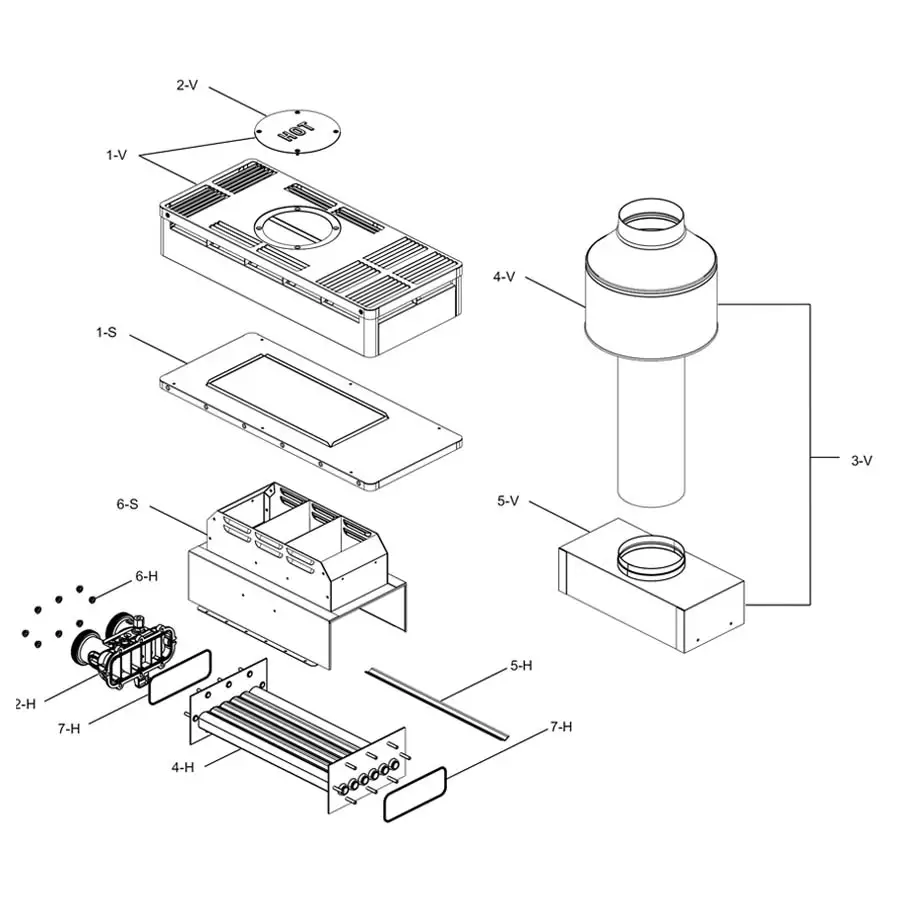
Credit: sageuae.com
When To Replace Parts
Knowing when to replace parts in your Raypak pool heater is key to stopping water leaks. Timely replacement keeps the heater working well. It also prevents bigger problems that cost more money. Watch for clear signs that parts wear out or break. Act fast to fix or swap damaged components.
Signs Of Heat Exchanger Damage
The heat exchanger often causes leaks. Look for rust stains or wet spots around it. Strange noises or less heat output also signal trouble. Cracks or holes in the exchanger require immediate replacement. Delaying repair risks water damage and heater failure.
Valve Replacement Indicators
Valves control water flow and pressure. Leaks or dripping near valves show they may be faulty. If valves stick or fail to open and close smoothly, change them. Old or corroded valves often cause leaks and reduce efficiency. Replace valves to restore proper function.
Pipe Corrosion Symptoms
Check pipes for green or white powdery build-up. This means corrosion and weak spots. Pipes that leak or have visible cracks need replacement. Corroded pipes reduce water flow and can cause flooding. Timely pipe replacement keeps your pool heater safe.
Preventing Future Leaks
Preventing leaks in your Raypak pool heater saves money and keeps your pool safe. Small leaks can turn into big problems fast. Careful steps help avoid water damage and costly repairs. Taking time for regular checks and proper care is key to a long-lasting heater.
Regular Maintenance Schedule
Check your pool heater every month. Look for cracks or rust on pipes and connections. Clean dirt and debris from the heater surface. Replace worn parts before they cause leaks. A simple routine keeps the heater in good shape.
Proper Water Chemistry
Keep pool water balanced to protect the heater. Test pH, alkalinity, and calcium levels weekly. Unbalanced water can corrode heater parts and cause leaks. Use recommended chemicals to maintain safe water. Clean water helps your heater last longer.
Winterizing Your Heater
Drain your heater before cold weather arrives. Water left inside can freeze and crack pipes. Cover the heater to protect it from snow and ice. Follow the manufacturer’s guide for winter care. Proper winterizing prevents damage and future leaks.

Credit: siebleben.de
Professional Repair Options
Dealing with a Raypak pool heater leaking water needs careful attention. Choosing professional repair options ensures the problem is fixed correctly. Skilled technicians can diagnose issues quickly and prevent further damage.
Experts use the right tools and parts to restore your heater. This saves time and avoids costly mistakes. Knowing when to call a technician helps protect your pool investment.
When To Call A Technician
Call a technician if the leak is large or steady. Small drips might seem harmless but can worsen. Strange noises or loss of heat are warning signs. Attempting DIY fixes may cause more harm. A professional can find hidden problems and fix them safely.
Cost Considerations
Repair costs depend on the leak’s source and damage level. Parts and labor influence the total price. Some repairs are quick and affordable. Others might need replacement parts, raising costs. Getting a clear estimate from the technician helps plan your budget. Remember, early repair reduces bigger expenses later.
Warranty And Service Plans
Check if your Raypak heater has an active warranty. Warranties can cover parts and labor for leaks. Service plans offer regular maintenance and priority repairs. These plans can lower repair costs over time. Keep warranty and service plan documents handy. They simplify the repair process and save money.
Frequently Asked Questions
Why Is My Raypak Pool Heater Leaking Water?
Leaks often come from worn-out seals, cracked pipes, or loose connections in the heater.
How Can I Find The Leak In My Raypak Heater?
Check around joints, valves, and the heat exchanger for visible water or moisture.
Can A Raypak Pool Heater Leak Cause Damage?
Yes, leaks can damage electrical parts and reduce heater efficiency if not fixed.
Should I Repair Or Replace A Leaking Raypak Heater?
Small leaks may be fixed; large or multiple leaks often need heater replacement.
How Do I Prevent Water Leaks In My Raypak Pool Heater?
Regularly inspect seals, tighten fittings, and clean the heater to avoid leaks.
When Is Professional Help Needed For Raypak Heater Leaks?
Call a technician if leaks persist after basic checks or if you see rust or corrosion.
Conclusion
A Raypak pool heater leaking water needs quick attention. Small leaks can cause bigger problems over time. Check the heater regularly to spot issues early. Tighten connections and replace worn parts as needed. If unsure, ask a professional to inspect and fix it.
Keeping your pool heater leak-free saves money and keeps your pool safe. Don’t ignore any signs of water leaking. A well-maintained heater lasts longer and works better. Take action today to enjoy warm, comfortable pool water.