
You can’t brew tea directly in an electric kettle because the heating element will burn the tea leaves and leave a residue that’s nearly impossible to remove. While you might wonder if it saves time, you should never put tea bags or loose leaves inside the water chamber.
This answer depends on the type of kettle you own and the material of the heating element. Some models have exposed coils that trap debris, while others use a smooth base that’s easier to clean.
Who uses electric kettles for tea
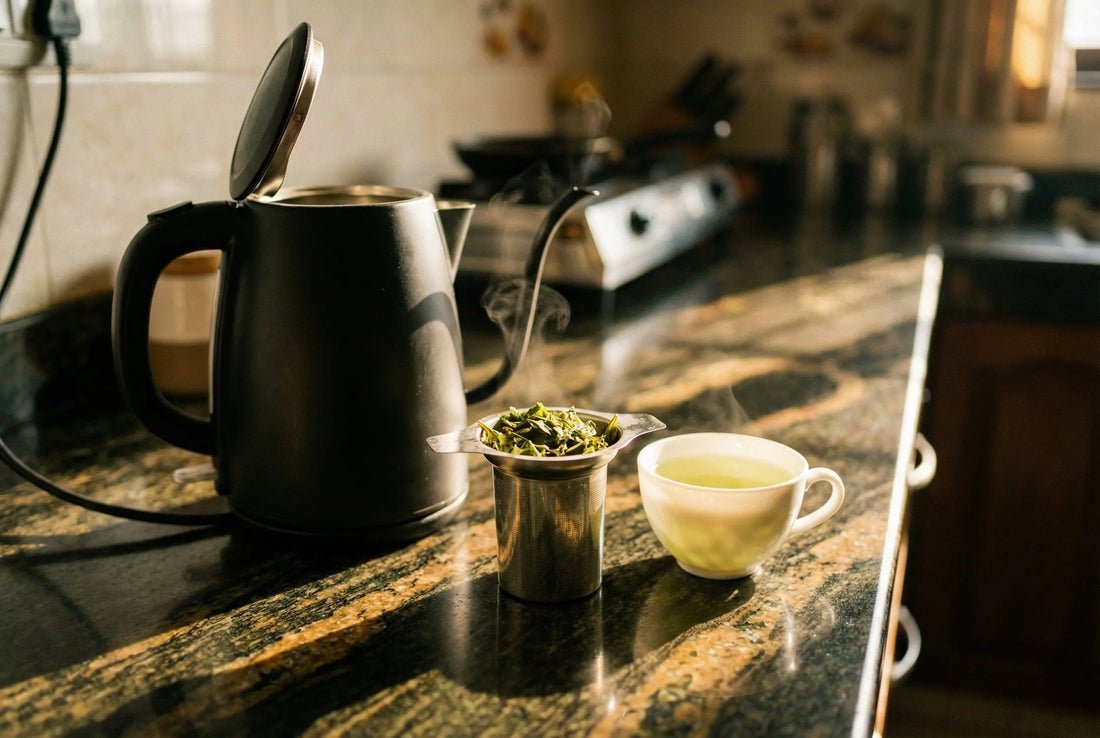
Electric kettle users range from office workers needing a quick caffeine fix to home cooks who value precise water temperatures. If you drink tea all day, you likely want a device that heats water to exactly 175°F for green tea or 212°F for black tea. You might assume that brewing inside the kettle saves you from washing an extra pot or infuser. This page serves the person who wants to keep their appliance working for years.
If you’re looking to speed up your morning routine by putting tea leaves or sweeteners directly into the reservoir, stop immediately. This habit ruins your equipment. Most household kettles rely on a heating element at the base and a thermal sensor that detects the temperature of the water. When you introduce sugar or loose leaves, you create a layer of debris on the heating element.
The decision rule is simple: if the liquid is anything other than filtered water, keep it out of the kettle. If you add milk or honey to the water before heating, you’ll cause the ingredients to burn and stick to the heating element. This causes the element to overheat and eventually burn out.
Many users make the mistake of thinking the kettle is a multipurpose immersion heater. This error costs you the lifespan of your device. A standard kettle should last for many years with proper descaling. If you brew inside the unit, you’ll likely face a total failure as it ages. Always heat the water, pour it into your mug, and then add your tea. This keeps the internal components clean and ensures your appliance functions exactly as the manufacturer intended.
Factors that change the outcome
The design of your heating element is the most important factor. If your kettle has an exposed heating coil, tea particles will lodge in the metal coils and burn every time you boil water, creating a bitter, smoky taste that ruins future batches.
The type of material used for the interior chamber also matters. Stainless steel interiors are durable, but they can still develop a film from tea oils. Plastic-lined kettles are even worse, as they tend to absorb the tannins from the tea, leaving a permanent stain and an “off” flavor in your plain water.
Most manufacturers state that their products are for heating water only. If you ignore this and add ingredients, you risk damaging the sensors that detect when the water has reached a boil. This often results in the kettle shutting off too early or overheating, which can trigger the safety thermal fuse.
The water quality in your area also plays a role. If you have hard water, the minerals already coat the heating element. Adding tea leaves increases the buildup of “scale,” which acts as an insulator and forces the kettle to work harder to reach the target temperature. This is a common mistake that shortens the lifespan of the heating element by causing it to cycle on and off more frequently than the manufacturer intended.
Proper brewing steps
- Fill your kettle with cold, filtered water to the “max” fill line.
- Plug the kettle into a grounded outlet and press the power switch.
- Wait for the kettle to reach the appropriate temperature for your specific tea.
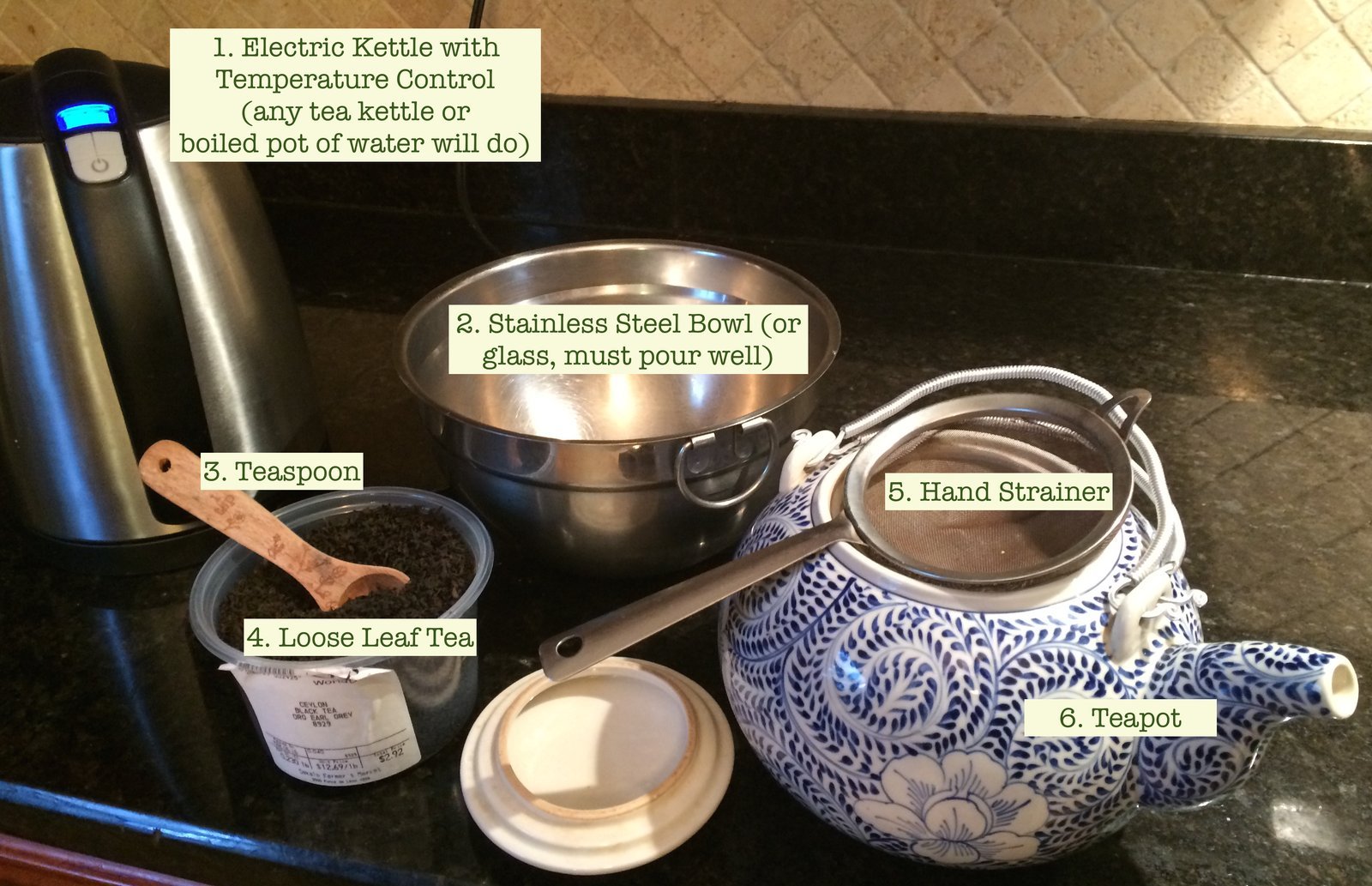
- Prepare your favorite mug or teapot by placing a tea bag or infuser inside.
- Pour the hot water from the kettle directly over the tea leaves in your mug.
- Let the tea steep for the time recommended on the packaging, usually 3 to 5 minutes.
- Remove the tea bag or infuser immediately to prevent over-steeping.
- Clean the mug as usual and wipe the exterior of the kettle with a damp cloth if needed.
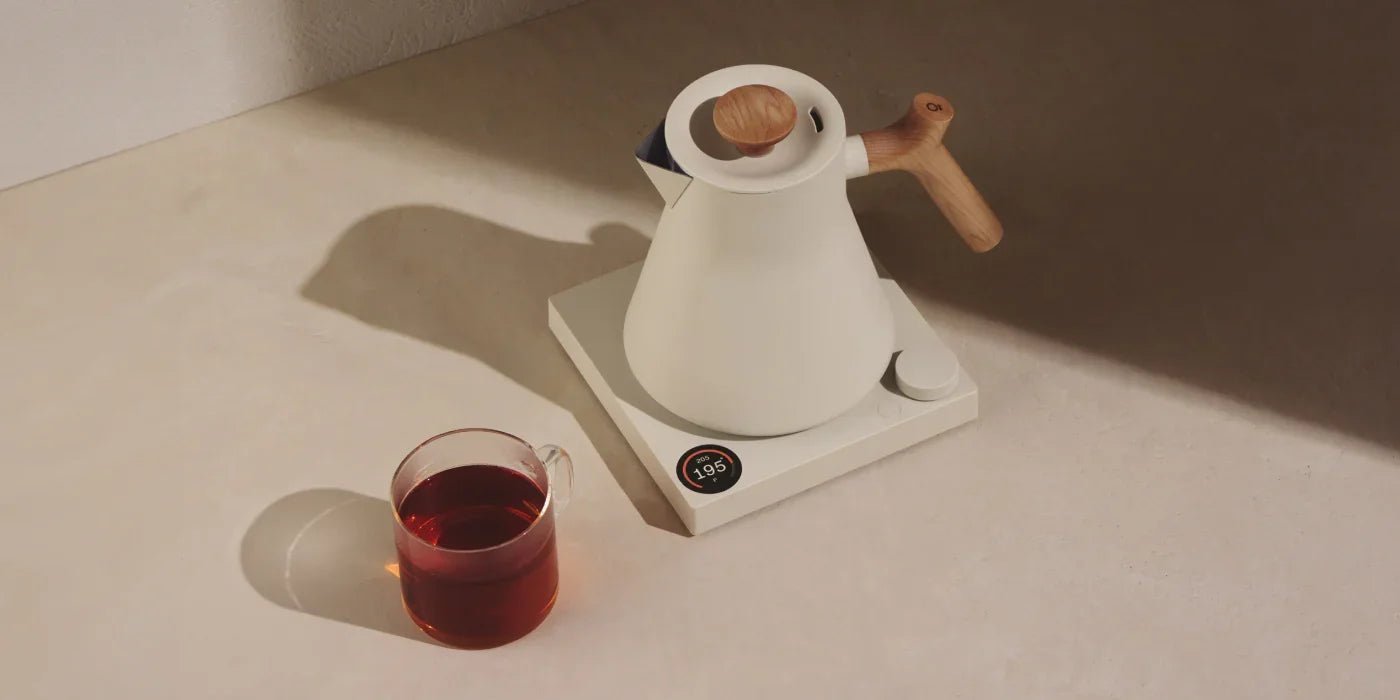
The main judgment call is the water temperature. Using boiling water for delicate green teas will result in a bitter taste, while using lukewarm water for black tea will result in a weak, flavorless drink. Always check the tea packaging for the ideal water heat; if you lack a temperature-controlled kettle, let boiling water sit for 2 minutes before pouring. Never attempt to disassemble the base or housing yourself, as you risk damaging the electrical connections and voiding your warranty.
Brewing methods compared
This table shows how different tools affect your tea experience and equipment care.
| Method | Best for | Effort | What to watch for |
|---|---|---|---|
| Electric Kettle | Heating water | Low | Mineral buildup |
| Glass Teapot | Loose leaves | Medium | Fragile material |
| Ceramic Mug | Single cups | Low | Heat retention |
| Stovetop Kettle | Large batches | Medium | Overheating |
| Travel Infuser | On the go | Low | Mesh clogging |
The primary mistake users make is ignoring water quality. If you live in an area with hard water, mineral deposits will insulate your heating element. This forces the kettle to run longer to reach a boil, eventually damaging the heating element. Use a 1:1 mixture of white vinegar and water to descale the unit regularly.
When choosing between glass and ceramic, consider the heat loss rate. Glass loses heat rapidly, which is ideal for delicate green teas that turn bitter above 175 degrees. However, if you’re brewing black tea or herbal blends, ceramic is superior. Its thick walls act as a thermal battery, keeping the water at a steady temperature for the full five-minute steep.
If you find your travel infuser produces a weak cup, check the mesh density. Fine-mesh filters often trap essential oils, muting the flavor profile of high-end oolong. If the tea tastes flat, switch to a laser-cut stainless steel basket. These offer better flow while keeping sediment out of your drink. Always rinse your infuser immediately after use; dried tannins are notoriously difficult to scrub from fine wire screens.
Maintaining the kettle interior
Preventing scale buildup
You must descale your kettle regularly to keep the heating element efficient. If you live in an area with hard water, minerals will eventually deposit on the base. Use a mixture of equal parts white vinegar and water to clear these deposits. Boil the mixture once, let it sit for 30 minutes, then rinse the interior thoroughly. Never use steel wool or abrasive brushes, as these will scratch the surface and make it easier for future tea particles to stick.
Avoiding permanent damage
Don’t leave water sitting in the kettle for days, as this promotes mold and bacterial growth. If you notice a strange smell, it’s a sign that the interior needs a deep cleaning. Wipe the inside with a soft cloth and a mild soap solution, then rinse it at least three times to ensure no soap residue remains. If the smell persists after cleaning, the heating element may have a coating of burnt residue that requires professional attention or a new unit.
Common issues and fixes
This table outlines common problems and how to address them safely.
| What you notice | What it usually means | What to do first | How to stop it |
|---|---|---|---|
| Slow boiling | Scale buildup | Descale with vinegar | Use filtered water |
| Strange taste | Residue inside | Deep clean interior | Brew tea in mug |
| Auto-off fails | Sensor obstructed | Check for debris | Keep interior clean |
| Leak at base | Seal degradation | Stop use immediately | Replace the unit |
| White flakes | Mineral deposits | Descale with vinegar | Use filtered water |
The most common mistake users make is using harsh chemical cleaners to remove scale. These cleaners often leave behind toxic residues that are difficult to rinse away. Stick to a solution of one part white vinegar to two parts water. If you live in an area with hard water, perform this cycle as part of your usual clean to prevent heating element failure.
If your kettle leaks from the base, don’t attempt a DIY repair with silicone or glue. These substances degrade under high heat and will eventually contaminate your water. If the unit is under warranty, contact the manufacturer immediately. If it’s out of warranty, the unit is a fire hazard and must be recycled.
Distinguish between mineral flakes and plastic degradation by touch. Mineral deposits feel gritty and dissolve instantly in vinegar. If the flakes are soft, rubbery, or don’t dissolve, your kettle’s internal components are breaking down. In that case, stop using the device regardless of its age. Always ensure the exterior base remains dry to prevent electrical hazards.
Guidelines for safe use
The safety of your electric kettle depends on following the manufacturer’s specific guidelines regarding fluid types. Most manufacturers explicitly forbid brewing anything other than water to prevent the heating element from becoming coated in carbonized food particles. This isn’t just a performance issue; it’s a safety standard set by bodies like Underwriters Laboratories (UL), which tests household appliances for fire risks related to overheating.
If your kettle doesn’t have a “keep warm” function designed for tea, don’t try to keep the tea hot by leaving the device on. This causes the water to evaporate, which exposes the heating element to air. Once the element is exposed, the internal temperature can spike far beyond the safety limits, potentially melting plastic components or damaging the internal wiring. If you need to keep your tea hot, pour it into a thermal carafe or a dedicated tea warmer instead of using the kettle as a secondary stove. Always check the label on your kettle’s base to see the wattage and specific operating limits.
The real cost of brewing
The cost of brewing tea inside a kettle is much higher than the price of a simple infuser or teapot. While a dedicated glass or ceramic teapot is a cheap part, replacing a high-quality electric kettle often costs more than a new unit.
When you brew tea inside the kettle, you shorten its lifespan by forcing it to operate under conditions it wasn’t built for. Tea leaves and tannins leave a residue on the heating element that creates an insulating layer. This forces the heating element to work longer to reach the boiling point, which accelerates metal fatigue and leads to premature failure.
The time spent scrubbing the heating element also adds up. If you use a scouring pad to remove tea stains, you risk scratching the protective coating on the element, which invites corrosion. If you damage the sensor during this cleaning process, you’ll find yourself needing a replacement sooner than expected.
The decision rule is simple: if the liquid contains anything other than water, keep it out of the kettle. If you’re brewing herbal infusions or loose-leaf tea, use a separate vessel. This separation protects your investment and ensures your water remains free of lingering flavors or oils that can taint your next cup. Always use the kettle for its intended purpose—boiling water—and invest in a separate vessel for the actual brewing process to protect your investment.
Keeping your kettle clean
After every use, empty the kettle completely. Leaving water inside causes mineral deposits to form faster, which makes the heating element less efficient. If you see a cloudy film on the bottom, it’s time to descale. You don’t need to do this daily; once a month is usually enough for most households.
If you live in an area with hard water, you must adjust your schedule. Check the interior monthly; if you can scrape off a white, chalky residue with your fingernail, the scale is already affecting heat transfer. If you notice your tea tastes metallic or the water has a strange odor, perform a vinegar cleaning cycle immediately.
To descale, fill the kettle with a one-to-one ratio of white vinegar and water. Bring the mixture to a boil, then let it sit for thirty minutes. If the scale is particularly thick, leave it overnight. Rinse the kettle at least three times afterward to remove the lingering vinegar taste.
Always ensure the exterior remains dry, especially near the power base, to prevent electrical shorts. If the kettle makes a loud, unusual noise during the boil, this is often a sign of heavy scale buildup. Address this immediately, as the insulating layer of mineral deposits forces the heating element to work harder, which eventually causes the internal thermal fuse to blow and permanently ruins the appliance.
When to use a different tool
If you’re brewing tea for a large group, an electric kettle is the wrong tool. Its capacity is usually limited to 1.5 liters, which isn’t enough for more than four or five people. In this case, use a large stovetop pot or a dedicated tea urn.
If you’re using loose-leaf tea that requires a specific expansion space to develop its full flavor, a tiny electric kettle won’t provide the room needed for the leaves to unfurl. A teapot with a large, removable mesh basket is the only way to get the best result for high-quality loose-leaf varieties.
If you’re dealing with a faulty power switch or a frayed cord, don’t attempt to fix these yourself. These are electrical hazards that require a professional technician. Continuing to use a damaged kettle is a fire risk, so unplug the device and take it to an authorized service center or dispose of it according to your local electronic waste regulations.
Can you put tea bags in an electric kettle?
No, you should never put tea bags in an electric kettle. The tea bag paper can break, and the leaves will settle on the heating element, causing a burnt taste and potential damage to the sensor.
Is it safe to boil tea in a kettle?
No, it isn’t safe or recommended to boil tea in a kettle. The ingredients can interfere with the appliance’s heating mechanism and create a fire hazard if the residue builds up enough to cause overheating.
How do I get tea stains out of my kettle?
You can remove tea stains by boiling a mixture of equal parts white vinegar and water. Let it sit for 30 minutes, then scrub gently with a soft sponge and rinse until the vinegar smell is gone.
Does brewing tea in a kettle ruin it?
Yes, brewing tea in a kettle ruins it by creating a layer of burnt residue on the heating element. This residue is hard to clean and can cause the kettle to shut off prematurely.
Can I use a kettle to heat milk for tea?
No, you shouldn’t heat milk in an electric kettle. Milk burns easily, and the proteins will stick to the heating element, creating a mess that’s nearly impossible to remove without damaging the device.
What is the best way to make tea?
The best way to make tea is to boil filtered water in your kettle, then pour it over a tea bag or loose-leaf infuser in a separate mug or teapot. This method ensures the best flavor and keeps your kettle clean.
Start by heating only the amount of water you need for your current cup. Once the kettle clicks off, pour the hot water over your tea bag, wait for the recommended steeping time, and remove the tea immediately to avoid bitterness. If the water tastes like metal, it’s time to descale your kettle with vinegar.
Related guides