
The best outdoor pizza oven is a wood-fired model that reaches a floor temperature of 800°F to 900°F, as this heat is necessary to achieve a crisp crust and leopard-spotted char in under 90 seconds. While gas-powered units offer better temperature control, wood-fired versions provide the authentic flavor and high heat required for professional-style results.
Your choice depends on your fuel preference, available space, and how often you plan to host. These factors determine whether you need a portable stainless steel unit or a permanent masonry build.
What is the best outdoor pizza oven for you?
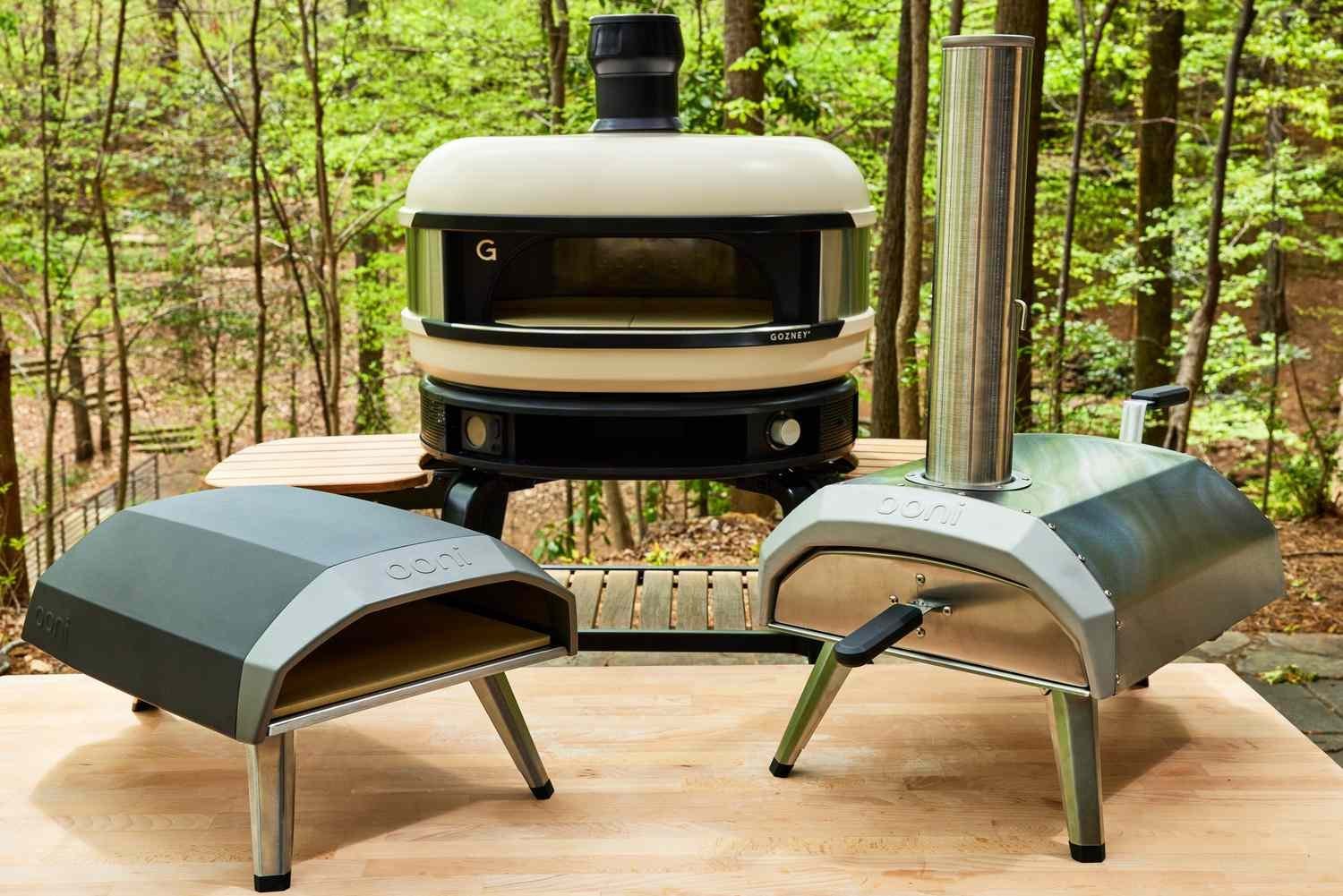
Most people looking for an outdoor oven are home cooks who want to replicate restaurant-quality pies without building a massive brick structure. You’re likely choosing between portability and permanence. If you have a small patio, a compact, gas-fueled oven that sits on a table is your best move. If you have a large backyard and want to focus on the craft of wood-firing, a stationary oven is the better investment.
The assumption this article makes is that you want to cook authentic Neapolitan-style pizza. This style requires intense, focused heat that many standard backyard grills can’t reach. If your goal is simply to heat up frozen pizza or bake bread, a standard convection oven or a gas grill with a pizza stone will suffice. This guide focuses on dedicated ovens built to handle the high-temperature requirements of real pizza dough.
Factors that change your results
The fuel source is the most significant factor in your final product. Wood-fired ovens reach higher peak temperatures and add a unique smoky flavor, but they require 45 to 60 minutes of preheating. Gas ovens are ready in 15 to 20 minutes and allow you to dial in a specific temperature, which is much easier for beginners to manage.
The insulation quality of the oven shell determines how long it holds heat. A well-insulated oven with ceramic fiber blankets will stay hot for hours, allowing you to bake multiple pizzas in a row without the temperature dropping. Cheaper, thin-walled metal ovens lose heat quickly, which makes it hard to cook more than one pizza at a time.
The thickness of the pizza stone or floor is equally important. A stone that’s at least 15mm thick will retain enough heat to keep the base of the pizza cooking evenly. If the stone is too thin, it will cool down instantly once the cold dough touches it, leading to a soggy, undercooked crust.
Finally, the oven’s opening size affects heat retention. A smaller, low-profile opening keeps the heat trapped near the floor where the pizza sits. Ovens with large, tall openings lose heat out the front, meaning you have to work much harder to keep the floor hot enough for a proper bake.
Operating your pizza equipment
- Position the oven on a level, non-combustible surface at least 10 feet away from any structures or overhanging trees.
- Preheat your oven until the floor reaches at least 750°F; use an infrared thermometer to verify this reading before launching your first pie.
- Stretch your dough to a thickness of about 3mm, ensuring it’s thin in the center to prevent a dense, chewy interior.
- Flour your pizza peel lightly with semolina or coarse cornmeal to ensure the dough slides off without sticking.
- Launch the pizza onto the center of the stone using a quick, confident forward-and-back motion.
- Rotate the pizza 90 degrees every 20 seconds to ensure even browning across the crust.
- Remove the pizza once the crust has risen and developed dark spots, which usually takes 60 to 90 seconds in a 900°F oven.
- Allow the oven to return to its target temperature for 5 minutes between pizzas to keep the stone hot.
The key judgment call is knowing when the oven is truly saturated with heat. Even if the air inside is hot, the stone might still be cold. Always rely on an infrared thermometer to check the floor temperature rather than trusting the built-in ambient gauge.
Oven styles and performance
Different oven types serve different needs depending on your budget and space.
| Oven Type | Typical Fuel | Best For | Effort Required | Watch For |
|---|---|---|---|---|
| Tabletop | Gas | Small patios | Low | Burner clog |
| Portable | Wood/Coal | Camping/Travel | High | Ash buildup |
| Modular | Wood | Permanent kitchens | High | Foundation cracks |
| Hybrid | Gas/Wood | Versatile cooking | Medium | Gas line safety |
| Masonry | Wood | Large gatherings | Very High | Long preheat |
Choose a tabletop model if you cook for fewer than four people at once. These units reach 700°F in under twenty minutes, saving you significant fuel costs. However, avoid these if you prioritize a smoky flavor profile, as they lack the thermal mass of stone.
Modular ovens are the industry standard for serious hobbyists. If you plan to bake more than two pizzas per session, the superior heat retention of a modular dome is essential. A common mistake is placing these on a standard wooden deck without a fire-rated base. This oversight often leads to scorched joists or structural fire hazards.
Use this decision rule: if you want convenience, select gas. If you prioritize the artisanal crust achieved through intense radiant heat, choose wood. If you’re unsure, a hybrid unit allows you to start with gas for ease of use while keeping the option to add wood chips later. Always verify your local fire codes before installing any unit that requires a permanent gas line or a chimney flue.
Performance and preparation details
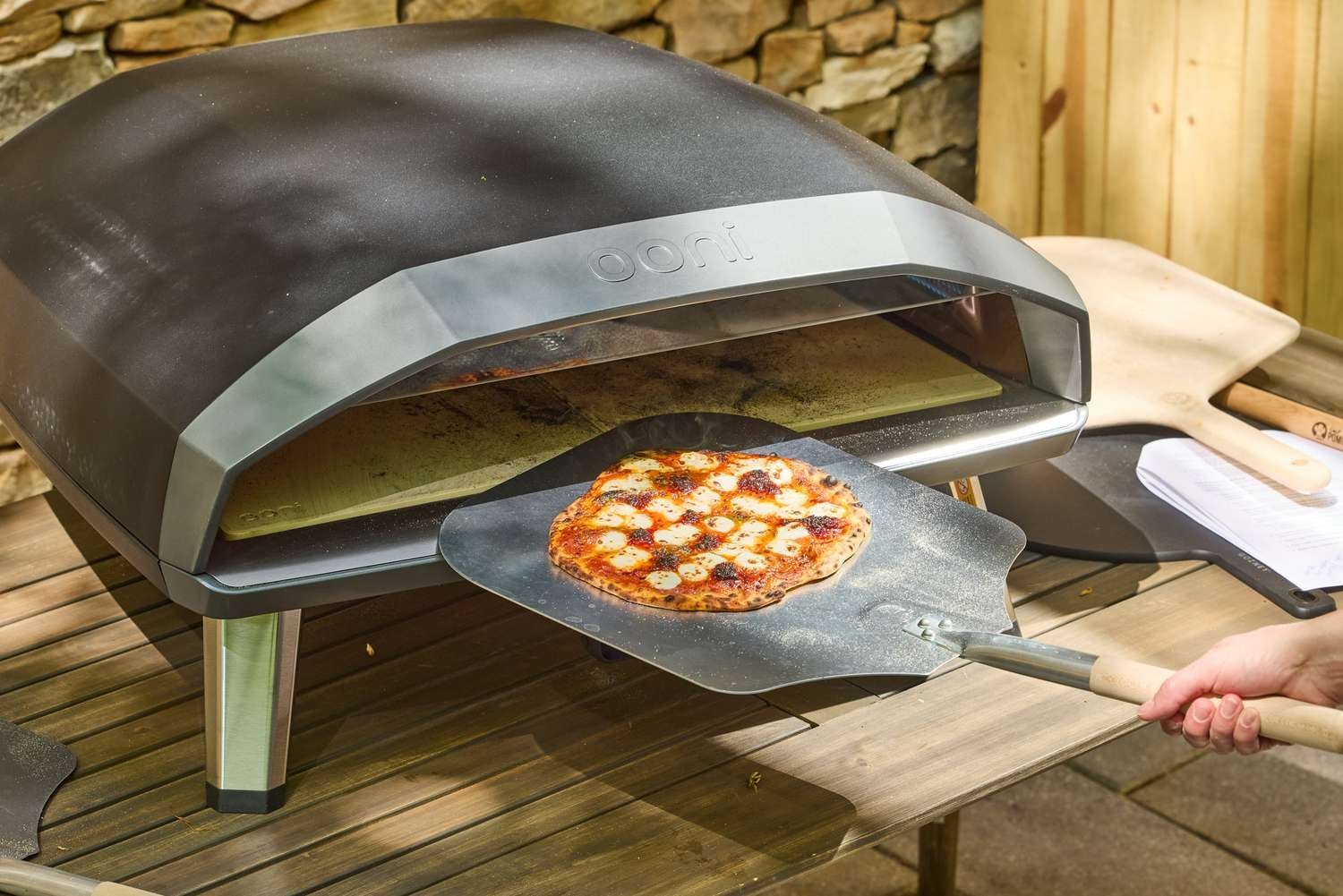
Managing the fire
The way you manage your fire dictates the success of your bake. In wood-fired models, keep your fire to the side of the oven to create a rolling flame that travels across the top of the dome. This reflects heat down onto the top of the pizza, ensuring the cheese melts at the same rate the crust browns. If you place the fire directly in the back, the crust will burn before the toppings are cooked.
Maintaining the stone
Experienced cooks never use water to clean their pizza stone. If flour or cheese spills onto the floor, wait for it to burn off into ash, then gently sweep it out once the oven is completely cold. Using water can cause the stone to crack due to thermal shock. When handling food, follow FoodSafety.gov’s chart to ensure all toppings, especially meats, reach the safe internal temperature of 165°F.
Common oven issues
| What you notice | What it means | What to do first | How to stop it |
|---|---|---|---|
| Burnt crust bottom | Stone too hot | Lower heat | Use a metal screen |
| Raw dough center | Stone too cold | Wait longer | Check with thermometer |
| Sticking to peel | Too much moisture | Use more semolina | Stretch dough faster |
| Excessive smoke | Wet wood | Use dry hardwood | Season wood properly |
| Uneven browning | Poor airflow | Rotate pizza | Adjust fire position |
If your crust burns before the top sets, your stone is likely above 850°F. Beginners often mistake this for a need for more flame, but adding fuel only accelerates the char. If you see black spots within 60 seconds, drop your flame to the lowest setting immediately.
Raw centers occur when the stone surface drops below 600°F. A common mistake is trusting the ambient air temperature rather than the stone itself. If your infrared thermometer reads under 550°F, stop cooking. Close the oven door and wait ten minutes for the heat to soak back into the floor.
Sticking happens when dough sits on the peel for more than three minutes. The moisture migrates into the flour, creating a glue-like bond. To test if you’re safe, give the peel a quick shake before heading to the oven. If the dough doesn’t slide freely, lift the edges and dust more semolina underneath.
Excessive smoke usually signals wood with a moisture content over 20%. This ruins the flavor of your crust with bitter soot. If your wood hisses or bubbles at the ends when placed in the fire, it’s too green. Switch to kiln-dried fuel to ensure a clean, efficient burn.
Uneven browning is rarely about the fire itself. It happens when the pizza blocks the convection path of the heat. If one side is pale, rotate the pizza 180 degrees midway through the bake. If the problem persists, ensure your fire is pushed to the side rather than the back.
Legal and safety standards
Always check local municipal codes before installing a permanent wood-fired oven. Many cities have strict ordinances regarding smoke output and minimum clearances from property lines. If you’re in the United States, consult the Consumer Product Safety Commission guidelines for outdoor heating appliances to ensure your setup meets current fire safety standards.
Beyond general regulations, check if your jurisdiction requires a specific permit for “solid fuel burning appliances.” Failing to secure this permit can lead to mandatory removal of the structure if a neighbor files a noise or smoke complaint. If you live in a wildfire-prone area, your local fire marshal may require a spark arrestor on the chimney stack to prevent embers from igniting nearby vegetation.
Never attempt to modify a gas-powered oven to use wood, or vice versa. Gas ovens are designed with specific air-to-fuel ratios and safety valves that can be bypassed or damaged by improper fuel use.
If you need a repair beyond simple cleaning of the exterior or checking the gas hose connection, hire a certified technician.
If the flame color on your gas unit shifts from blue to yellow, stop using it immediately. This indicates incomplete combustion, which can lead to a dangerous buildup of carbon monoxide.
Budgeting for your setup
The cost of an outdoor oven ranges from an affordable price for basic portable gas models to a significant investment for professional-grade masonry kits. Beyond the initial purchase, factor in the cost of a high-quality pizza peel, an infrared thermometer, and a weatherproof cover. These accessories typically add a modest amount to your startup expenses.
If you choose a wood-fired model, expect to spend a small amount on a bundle of kiln-dried hardwood for every five to ten sessions. The critical mistake here is using pressure-treated wood or construction scraps. These contain chemicals that ruin your food and can permanently damage the oven’s porous stone interior. Always verify the wood is kiln-dried to ensure a clean, efficient burn.
Maintenance costs are generally low, but you’ll eventually need to replace the pizza stone if it cracks from thermal shock. A replacement stone typically costs a reasonable amount depending on the size and material. To extend the life of your stone, avoid using water for cleaning; simply scrape off charred debris once the oven has fully cooled.
Save money by buying hardwood in bulk from local suppliers rather than buying small bags at a hardware store. If you’re a casual baker, stick to gas for lower operating costs. If you prioritize flavor and the experience of fire management, budget for the higher recurring fuel costs of wood. You should always keep a small financial buffer in your initial budget for unexpected shipping fees or essential fire-tending tools.
Keeping your oven in shape
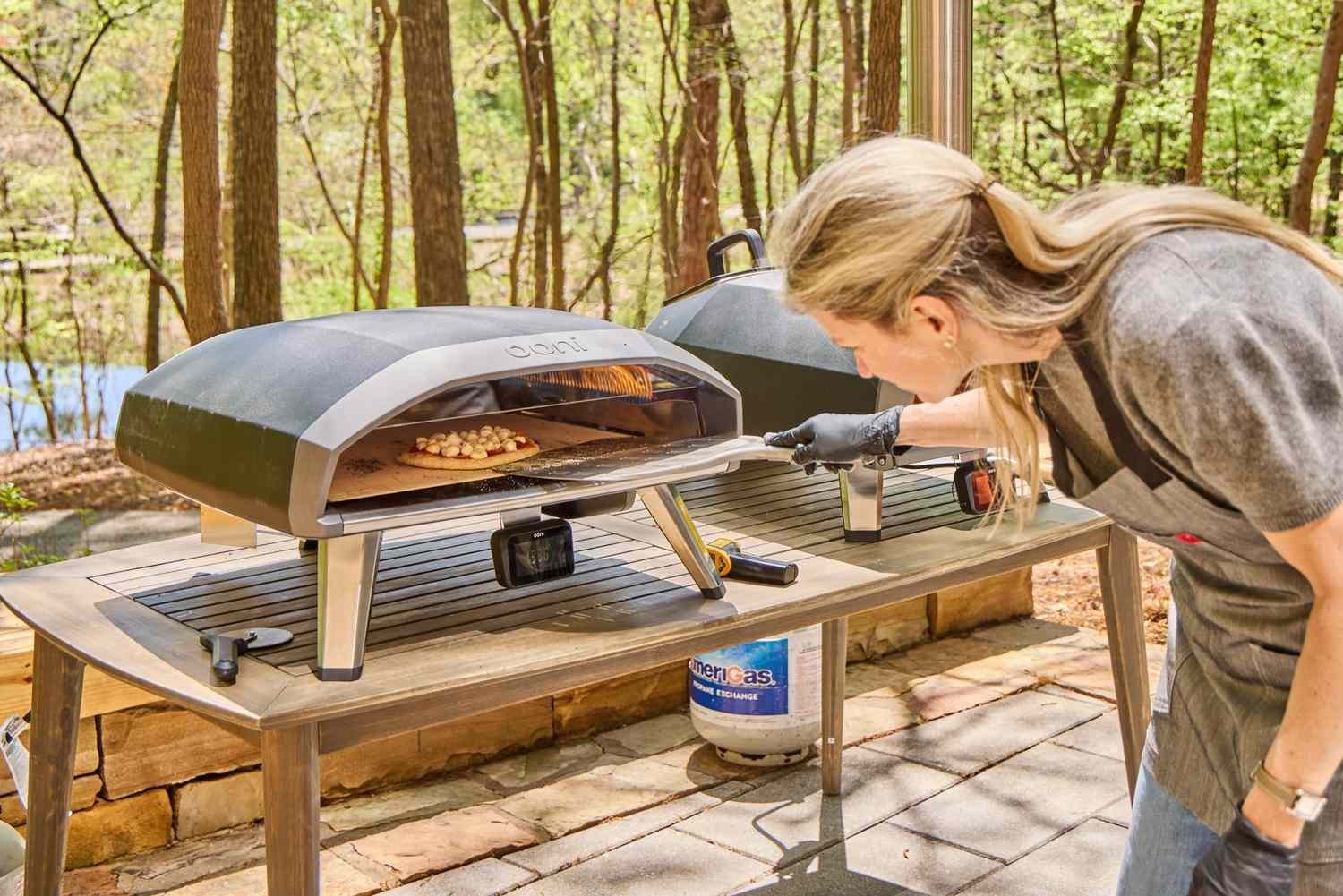
After each use, let the oven cool naturally for at least 24 hours before covering it. Covering a hot oven traps moisture, which leads to rust on metal components.
Inspect the seals and gas hoses regularly. If you notice any cracks in the hose or a loose connection, replace the part immediately before lighting the oven. A common mistake is ignoring small, brittle spots on gas lines; this oversight can lead to dangerous leaks that compromise your safety.
For masonry ovens, check for hair-line cracks in the dome. These are normal, but if they grow wider than 3mm, use a high-temperature refractory mortar to patch them and prevent heat loss.
The decision rule is simple: if the crack is thin enough to fit a credit card, leave it alone. If you can fit a nickel into the gap, the structural integrity is at risk. Patching these larger gaps immediately saves you from expensive masonry repairs later. Always ensure the mortar is rated for at least 2,000 degrees Fahrenheit to handle the extreme thermal expansion of the dome.
When to avoid this project
If you only have a small, enclosed balcony, a wood-fired or gas-powered outdoor pizza oven is the wrong choice. The smoke and heat can damage building facades and violate fire safety codes. In these cases, an indoor electric pizza oven designed for countertop use is the only safe alternative.
If you lack the time to manage a fire or monitor temperatures, skip the wood-fired models entirely. These ovens are not “set and forget” appliances; they require constant attention during the cooking process. If you want a hands-off experience, look for high-end electric pizza ovens that offer digital temperature settings, which remove the guesswork entirely.
Can I use a pizza oven for other foods?
Yes, you can use an outdoor pizza oven to roast vegetables, bake bread, or cook meats once the temperature drops after your pizza session. Always ensure the internal temperature of the oven is appropriate for the food you’re cooking, as high-heat pizza settings will burn most other dishes instantly.
How long does a pizza oven last?
A well-maintained metal pizza oven lasts five to ten years, while a properly built masonry oven can last for decades. The lifespan depends on whether you keep it covered, protect it from rain, and clean the floor regularly. Check the manufacturer’s warranty for specific expected lifespans and maintenance requirements.
Is it safe to leave a pizza oven outside?
Yes, it’s safe to leave an outdoor pizza oven outside as long as you use a waterproof cover to protect it from the elements. Moisture is the biggest enemy of both metal and brick ovens. Always ensure the oven is completely cool before placing any cover over it to prevent trapping dangerous levels of heat.
How often should I clean the stone?
Clean the stone by brushing off loose flour or burnt food after every use once it has cooled down completely. Never use soap or excessive water, as the porous material will absorb the chemicals or remain damp, which can lead to cracking during the next heating cycle.
Does the oven need to be under a roof?
No, most outdoor pizza ovens are designed to be used in the open air, but they must be placed on a non-combustible base like stone or concrete. Placing an oven under a wooden roof or gazebo is a major fire hazard unless you install a professional-grade chimney system that meets local building codes.
What happens if I use wet wood?
If you use wet or unseasoned wood, the oven will produce excessive smoke, fail to reach high temperatures, and leave a bitter soot residue on your pizza. Always use kiln-dried hardwood with a moisture content of less than 20% to ensure a clean, hot burn and the best possible flavor.
Before you start, choose a clear, flat area in your backyard that allows for proper ventilation. Once your oven is set up and preheated, focus on the dough texture and the timing of your rotation to ensure a perfect crust. If you notice any gas leaks or structural failures in the oven dome, stop using the unit immediately and contact a professional technician for repairs.