
Selecting a 3/4 vs 1/2 hp garage door opener depends on the weight of your door, as a 1/2 hp model is sufficient for standard residential doors, while a 3/4 hp unit is better for heavy, oversized, or carriage-style doors. If you have a single-car steel door, you’ll likely save money and energy by choosing the 1/2 hp model. However, if your door is made of solid wood or has an extra layer of insulation, the 3/4 hp motor provides the necessary torque to operate without straining the system.
Comparing garage door motor strengths
Choosing the right motor size prevents unnecessary wear on your garage door system. A motor that’s too weak will struggle to lift the weight, while a motor that’s too powerful might be overkill for a lightweight door.
| Method | How long | Effort | Cost | Best for |
|---|---|---|---|---|
| 1/2 HP Motor | Long | Low | Low | Standard steel doors |
| 3/4 HP Motor | Long | Low | Medium | Heavy wood doors |
| DC Motor (Variable) | Very Long | Minimal | High | Quiet, smooth operation |
The cost refers to the initial purchase price of the motor unit itself, not the installation labor. Note that durability is often linked to the drive system (belt, chain, or screw) rather than just the motor horsepower.
Using a 1/2 hp motor
This is the standard choice for most modern residential garages. It’s designed to handle the weight of common aluminum or steel sectional doors that are properly balanced.
Check that your door is balanced by disconnecting the opener and lifting the door manually; it should stay in place when halfway open. If the door drifts downward or flies upward, the springs need adjustment before you attach the motor.
Ensure the door tracks are clear of debris to reduce friction. Install the motor unit using the manufacturer’s mounting brackets. Adjust the force settings on the control board to match your door’s weight.
This motor is excellent for standard-sized, lightweight doors. Its weakness is that it may overheat or fail prematurely if forced to lift doors that exceed its weight capacity. If your door is solid wood or carriage-style, skip the 1/2 hp model entirely; the extra mass will strain the motor until it trips the thermal overload switch. If you live in an area with high winds, you might need a stronger motor to handle the added pressure on the door panels.
Using a 3/4 hp motor
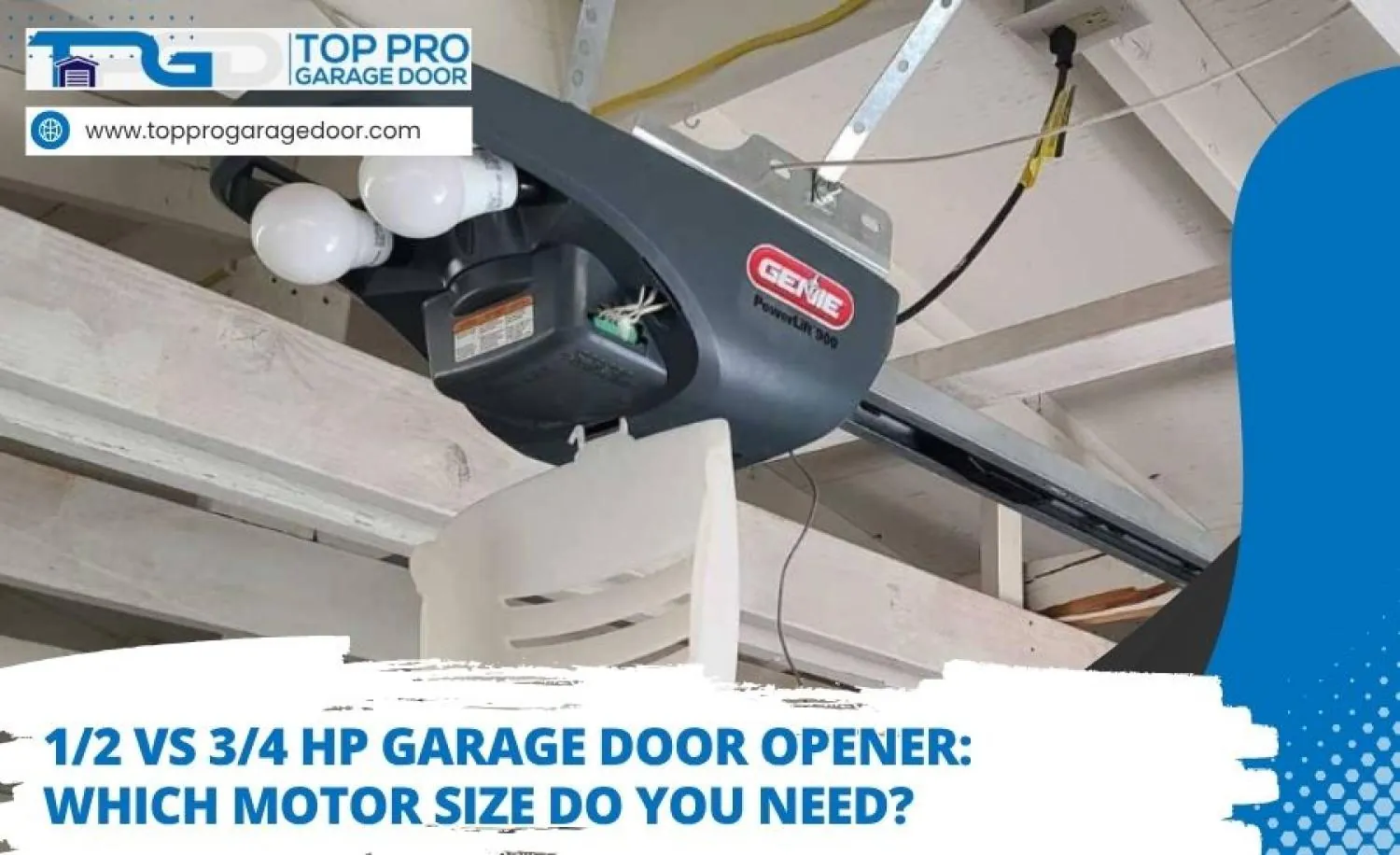
This motor is designed for heavy-duty lifting. It’s the preferred choice for solid wood doors or oversized doors that require more force to initiate movement.
Measure the total weight of your door; if it exceeds 300 pounds, a 3/4 hp unit is recommended. If your door weighs less than 200 pounds, this motor is overkill and won’t improve performance.
Inspect the torsion springs, as these do the actual lifting work; the motor only assists the movement. If the door doesn’t stay balanced halfway open when disconnected from the opener, your springs are failing. Replacing the springs is cheaper than burning out a new motor.
Secure the opener to the ceiling joists using reinforced steel angles. Standard perforated strapping often vibrates loose under the higher torque of a 3/4 hp unit.
Set the travel limits according to the specific model’s manual to ensure a soft stop.
The primary strength of this motor is its ability to operate heavy doors with less strain on the gears. Its main weakness is the higher initial cost compared to the standard 1/2 hp version. If your door is lightweight, this motor provides no speed advantage, as the safety sensors limit the closing speed of all residential openers.
Using a DC motor system
Many newer openers use DC power, which offers a soft-start and soft-stop feature. These motors are often rated by force rather than horsepower, providing a quiet experience.
Plug the unit into a grounded outlet near the ceiling. Ensure the cord doesn’t drape near moving parts, as vibrations can cause fraying over time.
Connect the belt or chain drive to the rail system. Tighten the tension until the chain sits exactly one-quarter inch above the rail base.
Program the remote controls and wall console to the unit’s frequency. If the remote fails to sync, clear the memory by holding the learn button for ten seconds.
Test the safety reversal system by placing a two-by-four wooden block in the door’s path. The door must reverse within one second of contact.
These units are ideal for garages attached to living spaces. The soft-start feature eliminates the loud jolt common with AC motors.
If your garage is detached, the added expense of a DC system rarely provides enough value. You’ll pay roughly forty percent more for replacement control boards. Choose DC if you prioritize silence; stick to AC if you want cheaper, DIY-friendly repairs.
Choosing between 1/2 and 3/4 hp garage door openers
When deciding which motor to install, consider your specific door type and your frequency of use.
If you operate your door more than four times daily, skip the entry-level models. High-cycle usage demands a belt-drive system, which absorbs vibration and prevents the metal-on-metal grinding that eventually loosens your mounting hardware.
When you’re in a hurry, choose a 1/2 hp chain-drive model. It’s the industry standard, meaning replacement gears and sensors are available at any local hardware store. You’ll never wait on shipping for a critical repair.
When you’re doing this for the first time, stick to a 1/2 hp unit. These models are significantly lighter, making the overhead installation process manageable for one person. You’ll find twice as many video tutorials for these standard units compared to niche high-torque motors.
When you want the best possible result, invest in a DC-powered unit. The soft-start feature accelerates and decelerates the door slowly, which prevents the violent jerking that cracks door panels over time.
Remember that the motor is only one part of the system. If your torsion springs are old or not calibrated correctly, even the strongest 3/4 hp motor will struggle to lift the door smoothly. Always test your spring balance by disconnecting the motor and lifting the door by hand; it should stay open at the halfway point.
Rules for all motor types
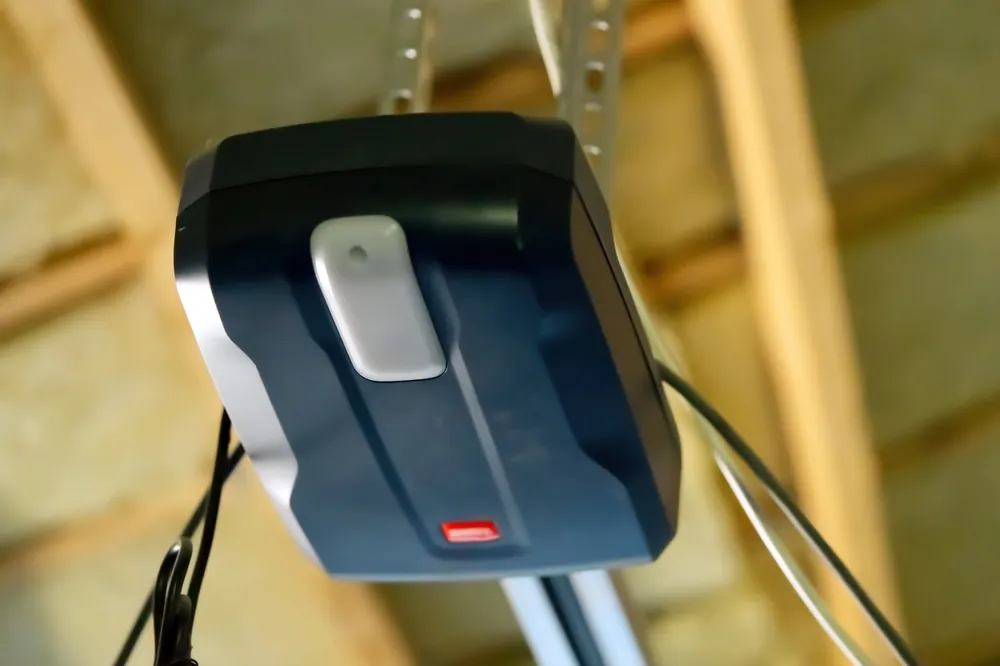
Regardless of the horsepower you choose, the safety of your installation remains the top priority. The most critical factor is the balance of the door itself. If the door is too heavy for the springs, the motor will work harder than intended, leading to premature gear failure. Always check that the door moves freely by hand before attaching the motor.
Disconnect the opener and lift the door to waist height. If it drifts downward or snaps upward, your springs are unbalanced. A balanced door should stay in place when opened halfway.
Regular maintenance is also required. Inspect the rollers and hinges every six months to ensure they’re clean and lubricated. If you notice the door jerking or making loud grinding noises, stop using the opener immediately and check the alignment of the tracks.
Many owners mistakenly tighten the drive chain to fix a noisy door, but this only puts excessive stress on the motor bearings, the drive gear, and the rail assembly. If you aren’t comfortable adjusting springs or high-tension cables, hire a professional technician. These parts are under extreme tension and can cause serious injury if handled without the right tools and training.
Related guides
- LiftMaster vs Chamberlain: Which Garage Door Opener Is Best
- 1/2 vs 3/4 Horsepower Garage Door Opener: Which One to Choose
- Chamberlain Garage Door Opener Troubleshooting: Easy Fixes
Frequently asked questions
Can I replace a 1/2 hp with a 3/4 hp opener?
Yes, you can upgrade to a 3/4 hp motor without changing your door, provided the mounting hardware is secure. The stronger motor will simply operate with less strain, which can be beneficial if your door is heavy or made of solid wood. Always ensure the ceiling mounting points are reinforced to support the extra weight of a larger motor unit, as some 3/4 hp models are heavier than their 1/2 hp counterparts.
How long does a garage door opener motor last?
Most garage door opener motors last for a significant period, assuming the door is properly balanced and maintained. If your door is heavy or if you use the opener frequently, the gears may wear out sooner. You can check the specific lifespan of your model by reading the manufacturer’s warranty, which often provides an estimate based on the expected number of cycles.
Is it safe to install a garage door opener myself?
Yes, it’s safe to install the motor and rail system yourself if you follow the manual step-by-step. However, you should never attempt to adjust or replace the torsion springs or the bottom bracket, as these are under intense tension that can cause severe injury. If the springs need adjustment, contact a professional garage door service company to handle that specific part of the job.
What happens if the motor is too weak for the door?
If the motor is too weak, it will struggle to lift the door, leading to stripped plastic gears or a burned-out motor capacitor. You’ll likely hear the motor humming or straining while the door moves slowly or stops halfway. If you notice this, check the door balance immediately; if the door is balanced but the motor still struggles, you need a unit with higher horsepower or a different drive system.
How much weight can a 1/2 hp motor lift?
A 1/2 hp motor can typically lift a well-balanced residential door weighing up to 250 pounds. Because the torsion springs do most of the heavy lifting, the motor only needs to move the remaining weight and overcome friction. If your door is heavier than this or is improperly balanced, the motor will likely fail prematurely, regardless of the horsepower rating.
Do I need a 3/4 hp opener for a double door?
Yes, a 3/4 hp opener is often recommended for double-car garage doors, especially if they’re made of steel or have insulation layers that add significant weight. While a 1/2 hp motor might work for a light, well-balanced double door, the 3/4 hp unit provides a safety margin that prevents the motor from straining during extreme temperature changes, which can make the door heavier to move.
Conclusion
The most important factor in your decision is the weight and balance of the garage door itself. A 1/2 hp motor is perfect for most standard installations, but a 3/4 hp unit is the right move for heavier, solid-material doors. Always prioritize door balance and spring health over motor size to ensure your system runs smoothly for years to come.
