
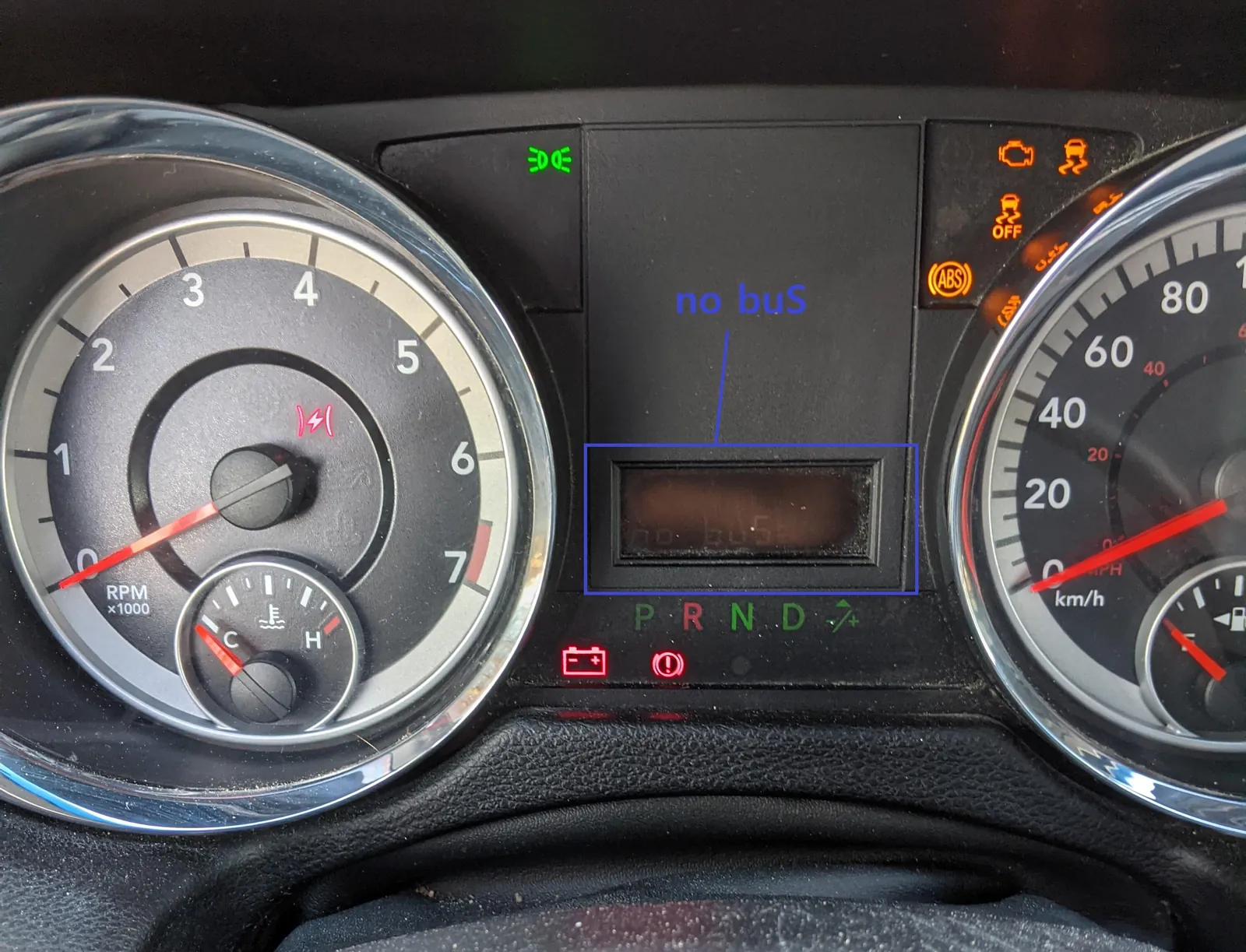
Most of the time, the primary cause of dodge caravan intermittent starting problems is a failing starter motor solenoid or a poor connection at the battery terminals. You can often confirm this by listening for a single click when you turn the key, which suggests the electrical signal is reaching the starter but the motor itself isn’t engaging. If the engine cranks slowly or the lights dim significantly, the issue is likely a low battery charge or corroded cables. Always check the battery voltage using a multimeter before replacing expensive parts.
Why your Dodge Caravan starts intermittently
| Cause | How common | How to confirm it | Fix it yourself? |
|---|---|---|---|
| Bad battery cables | Very common | Check for white corrosion | Yes |
| Starter motor failure | Common | Listen for single click | Yes with care |
| Worn ignition switch | Occasional | Wiggle key while turning | No |
| Faulty starter relay | Occasional | Swap with identical relay | Yes |
| Bad neutral safety switch | Rare | Try starting in neutral | Yes |
| Engine computer fault | Rare | Scan for error codes | No |
Corrosion on battery terminals acts as an insulator, preventing the high amperage needed to crank the engine. If the terminal feels loose or shows a powdery blue-white crust, clean it with a wire brush and a baking soda solution before replacing cables.
Many drivers mistake a failing battery for a dead starter. If you hear a rapid, rhythmic clicking sound, your battery lacks the voltage to engage the solenoid. A single, heavy “thunk” usually points to a seized starter motor.
If your vehicle has an automatic transmission, always check the neutral safety switch by shifting into neutral and attempting to start the engine. If the car starts in neutral but not in park, the switch is misaligned or failing.
Avoid the common mistake of replacing the starter motor before verifying the relay. Swap the starter relay with the horn relay; if the horn stops working, you have identified a cheap, simple fix that saves hours of labor.
Corroded or Loose Battery Terminals
Corrosion on the battery terminals acts as an insulator, preventing the high current needed to turn the engine over from flowing correctly. Even a small amount of white or blue powder around the posts can cause enough resistance to lead to dodge caravan intermittent starting problems. When the connection is loose, the starter might work perfectly one moment and fail the next, depending on how much the engine vibrates while driving.
To confirm this, inspect the battery posts for buildup. If you see a crusty substance, try to wiggle the cables by hand; they should be completely firm. If they move, the connection is poor. To fix it, disconnect the negative cable first, then the positive cable.
Use a wire brush to clean the terminals and the inside of the cable clamps until they’re shiny metal. Reconnect them tightly, starting with the positive side and finishing with the negative side. This process takes about 20 minutes and costs nothing if you already have a brush.
If the cables are frayed or the metal is crumbling, you must replace the entire cable end. This is a vital safety step, as a loose connection can cause sparks or damage the vehicle’s electrical system. You can verify the health of your battery and cables by reading the voltage levels provided by the Car Care Council guidelines on electrical system maintenance. If you’re uncomfortable working near the battery, visit a professional mechanic to avoid a short circuit.
Failing Starter Motor Solenoid
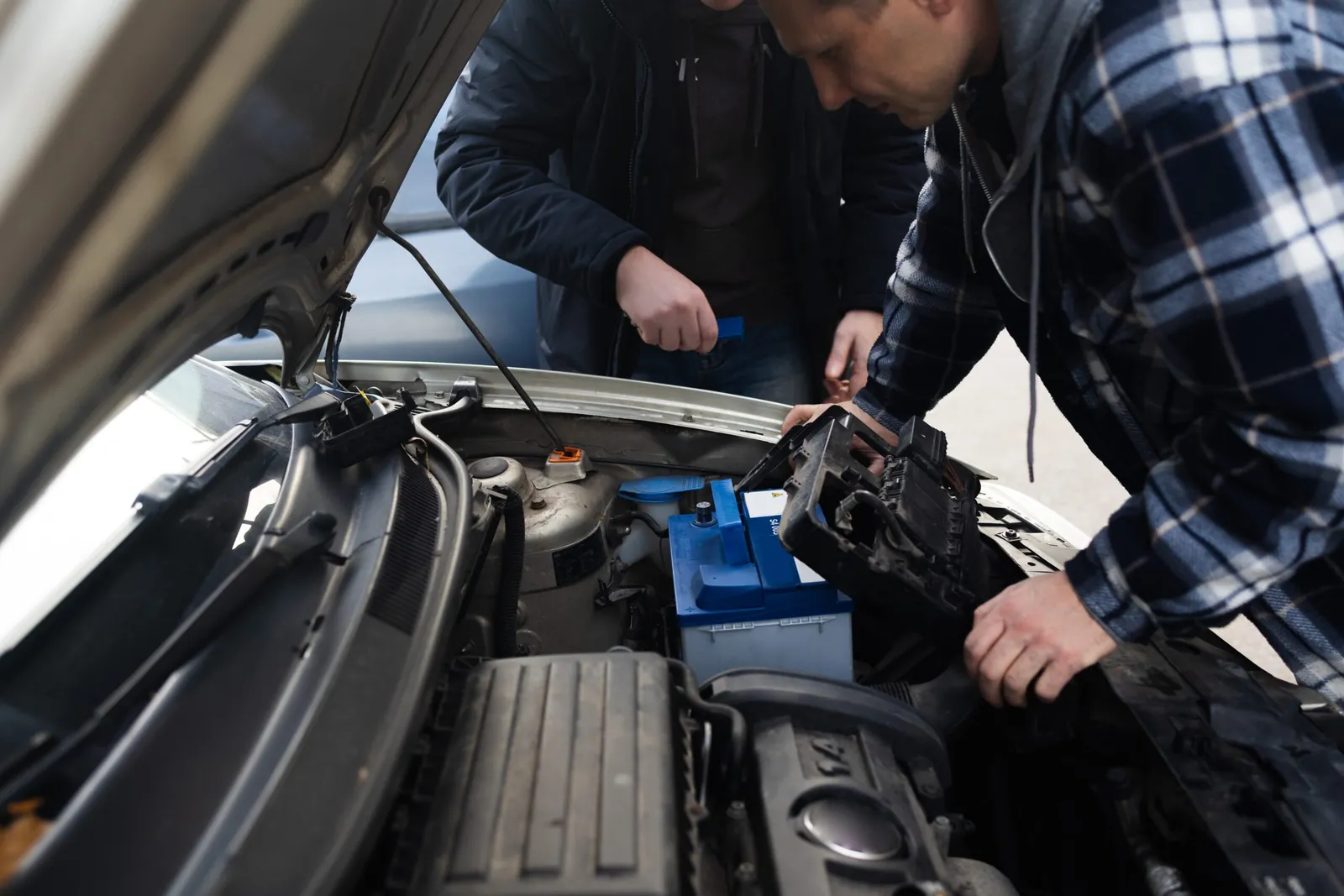
The starter motor solenoid is an electromagnetic switch that pushes the starter gear into the engine’s flywheel. When this component begins to fail, it creates dodge caravan intermittent starting problems because the internal contacts become pitted and worn. You might turn the key and hear nothing, or you might hear a rapid “clicking” sound as the solenoid struggles to bridge the connection.
To test this, have someone turn the key while you tap the starter motor housing lightly with a rubber mallet. If the engine turns over after a tap, the solenoid or starter brushes are likely stuck. This fix is temporary, and you’ll need to replace the starter motor to resolve the issue permanently.
Replacing a starter is a major task that involves jacking up the vehicle and working in a tight space. If you lack the proper stands or mechanical experience, this isn’t a job for a beginner.
This component varies in lifespan based on how often you start the vehicle; a delivery van will wear out a starter much faster than a family car used once a day. If you decide to do it yourself, ensure the battery is disconnected first.
A new starter motor usually requires basic hand tools like a socket set and a torque wrench. If you can’t reach the bolts easily, don’t force them, as snapping a starter bolt makes the repair much more difficult and costly.
Faulty Starter Relay and Fuses
A starter relay is a small plastic box in the power distribution center that controls the heavy power flow to the starter. If the internal coil or the metal contacts inside the relay are damaged, it will cause dodge caravan intermittent starting problems because the signal to start the engine will be cut off randomly. This happens most often in older vans where moisture has entered the fuse box.
To confirm if the relay is the culprit, locate the fuse box under the hood and find the starter relay. Swap it with an identical relay from a non-essential circuit, such as the horn or a secondary cooling fan.
If the van starts reliably after the swap, you have identified the faulty part. A new relay is an inexpensive fix that takes seconds to install. If the problem persists after swapping, the issue is likely deeper in the wiring harness or the ignition switch.
This fix is ideal because it requires no tools and costs very little. If you find that the relay socket is melted or shows signs of heat damage, don’t just replace the relay. A melted socket indicates a high-resistance short that could lead to a fire. In this case, you must have a professional technician inspect the wiring harness to prevent further electrical damage.
Other Potential Starting Failures
Ignition switch: If the key feels loose or doesn’t spring back properly, the internal contacts are likely worn. A faulty switch often cuts power to the fuel pump while the engine cranks. If you hear a click but the dash lights dim significantly, replace the ignition cylinder before the internal spring snaps permanently.
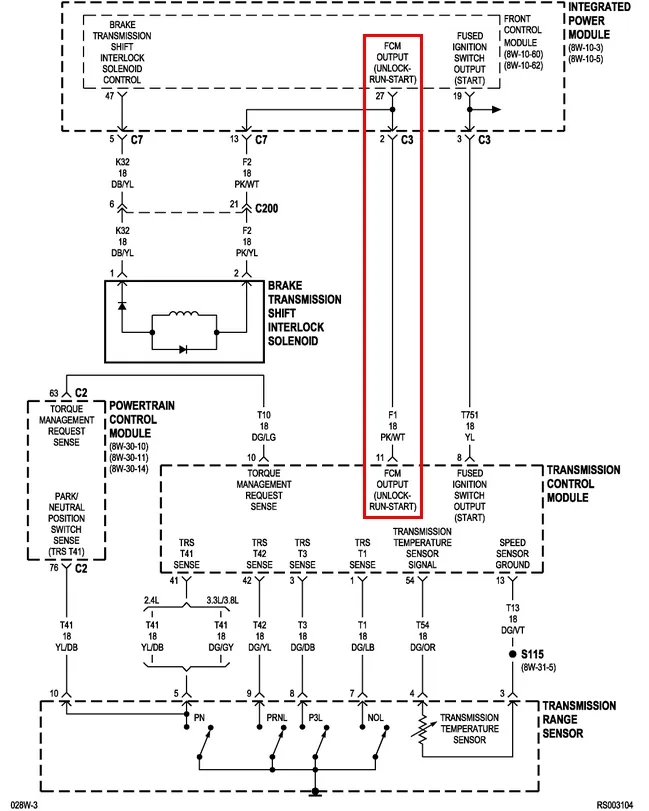
Neutral safety switch: If the van only starts when the gear shifter is pushed hard into park, the switch is misaligned. Test this by shifting into neutral; if the engine fires immediately, the park-position contact is failing. Ignoring this leaves you stranded when the misalignment worsens.
Alternator issues: If the van dies shortly after starting or the battery light stays on, the alternator is failing to charge the battery. A starter motor requires a high current to turn the engine. If your battery voltage is low, the starter solenoid will chatter rather than engage; have a technician test this.
Security system: If the security light flashes while you try to start, the key transponder is unrecognized. Try your spare key. If the engine starts, your primary key’s internal chip is damaged.
What a Fix Involves
Addressing these starting issues usually requires a basic set of wrenches and a multimeter. Cleaning terminals is a simple task that costs only a few dollars for a wire brush, while replacing a starter motor is a significant investment in both time and parts.
The cost of a new starter depends on whether you choose a new, aftermarket, or remanufactured unit, with new parts being the most expensive. You can check the exact part number for your specific engine size on the official manufacturer’s website to ensure compatibility.
If you need a professional, expect to pay for labor and diagnostic time. A mechanic will perform a “voltage drop test” to see exactly where the power is being lost, which is faster than guessing with new parts.
Always ask for a written quote before authorizing repairs. If the repair involves complex wiring or the computer system, it will cost more than a simple mechanical swap. Never ignore a starting issue, as it will inevitably leave you stranded at the worst possible time.
Related guides
Frequently Asked Questions
Why does my van start sometimes but not others?
It’s usually caused by a loose electrical connection or a dying starter solenoid that has reached the end of its life. The internal contacts are likely worn down, meaning they only make a solid connection when the van is parked at a specific temperature or vibration level. You should check your battery terminals for looseness or corrosion as the first step.
Can a bad battery cause intermittent starting?
Yes, a battery with a weak cell can hold enough surface charge to power the lights but fail to provide the high current needed to turn the engine. If your battery is more than 3 to 5 years old, it’s likely the cause of your starting trouble. Have a technician use a multimeter to verify the voltage is sufficient when the engine is off.
Is it safe to drive with an intermittent starting problem?
No, it isn’t safe because you could be left stranded in traffic or a dangerous location without warning. An intermittent electrical fault can also lead to short circuits or damage to other sensitive electronic modules in your vehicle. Have the system inspected by a qualified professional as soon as you notice the engine failing to crank on the first turn.
How long does it take to replace a starter?
Replacing a starter takes between 1 to 3 hours for an experienced person, depending on how easily you can reach the mounting bolts. If you’re doing this for the first time, allow yourself a full afternoon to work slowly and safely. Always consult the repair manual for your specific van model to identify the correct bolts to remove.
Does the weather affect starting problems?
Yes, cold weather makes engine oil thicker and reduces the chemical output of your battery, making a weak starter work much harder. If your van starts fine in the summer but fails in the winter, your battery or starter is likely already failing. Test your battery capacity at a local auto parts store to see if it meets the cold cranking amp requirements.
What happens if I keep trying to start the van?
You risk overheating the starter motor and draining the battery completely, which can lead to a tow-truck bill. Repeatedly turning the key when the starter is failing can also cause the starter gear to grind against the flywheel, leading to expensive mechanical damage. If the engine doesn’t turn over after two or three attempts, stop and look for a loose connection.
Conclusion
If these simple checks don’t solve the issue, it’s time to inspect the ignition switch or the starter relay for hidden faults. Don’t get discouraged if you can’t find the problem right away; sometimes it’s best to have a trusted mechanic take a look before you spend money on unnecessary repairs.
