
A power supply interruption or a blocked safety sensor is why a car garage opener not working is often a simple issue to resolve. Most of the time, the problem stems from a disconnected power cord or an obstruction in the path of the door’s infrared beams. You can confirm the power status by checking if the wall console or the motor unit lights are active. If those lights are off, the unit lacks electricity, which is the most common reason for a complete system failure.
Why your garage opener stopped working
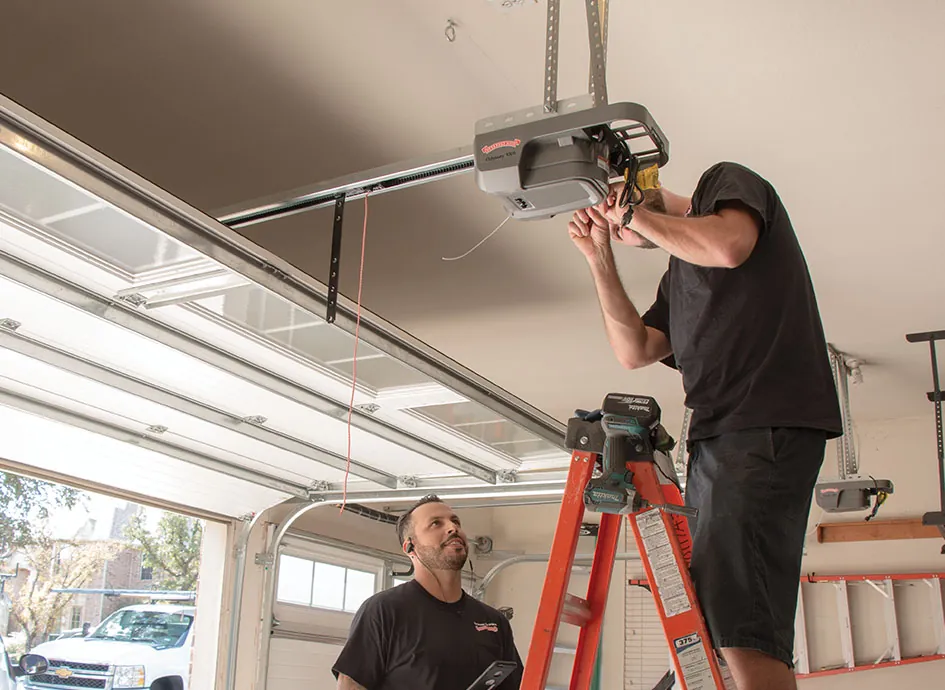
The following table ranks the typical causes based on how often they occur in residential settings. If your issue isn’t listed here, consult the owner’s manual for your specific model to see if it lists unique diagnostic codes.
| Cause | How common | How to confirm it | Fix it yourself? |
|---|---|---|---|
| Power supply issue | Very common | Check for wall lights | Yes |
| Blocked safety sensors | Very common | Check for blinking LEDs | Yes |
| Remote battery dead | Common | Test wall console button | Yes |
| Misaligned safety sensors | Common | Check sensor alignment | Yes |
| Broken torsion spring | Occasional | Look for visible breaks | No |
| Limit switch error | Occasional | Door stops mid-travel | Yes with care |
If the wall console remains dark, check your home’s main circuit breaker before assuming the opener is broken. Many homeowners mistake a tripped GFCI outlet for a mechanical failure. If the breaker is active, inspect the wire connections at the motor head for looseness.
For safety sensors, the beam must be perfectly level. If the green LED on the receiving sensor flickers or turns off when you touch the housing, tighten the wingnut immediately. A shift of even one-eighth of an inch can prevent the door from closing.
When the door stops exactly halfway down, the limit switch is likely the culprit. If the door reverses before hitting the ground, consult your owner’s manual for the correct force sensitivity adjustment procedure. However, if the door hits the floor and then bounces back up, you must decrease the downward travel limit.
Never attempt to adjust a torsion spring yourself. These components hold enough tension to cause severe injury. If you see a visible gap in the coil, call a professional.
Safety: Inside a mains-powered machine, the parts behind the outer cover can hold a dangerous electrical charge even after it has been unplugged — that’s why they sit behind a cover. Opening the housing, or testing or replacing anything behind it, is a job for a qualified technician, never a home repair.
Power supply and electrical connectivity
A loss of power is usually the first thing to check when your system becomes unresponsive. If the motor unit doesn’t show any lights or make a sound when you press a button, the system is likely not receiving electricity. Verify that the unit is plugged in securely to the ceiling outlet. If the plug is tight, check your home’s circuit breaker panel to see if a switch has tripped.
If the breaker is in the “on” position but the outlet remains dead, plug a small lamp into that same socket to test for power. If the lamp doesn’t turn on, the outlet itself is the source of the trouble. If the lamp works but the opener does not, the issue is inside the unit.
Many users assume a dead outlet is a faulty unit, but a loose wire in the ceiling box is a common culprit. If the outlet feels warm to the touch or shows discoloration, stop testing immediately and call an electrician. If you find the breaker tripped, reset it once. If it trips again within ten minutes, don’t force it to stay on. This indicates a short circuit that creates a fire hazard.
Never attempt to open the motor housing or touch internal electrical components, as this can lead to serious injury or void your warranty. If the unit remains dead despite having power, contact a qualified technician. Always prioritize safety over troubleshooting when dealing with exposed wiring or stubborn electrical faults.
Safety sensor obstruction or misalignment
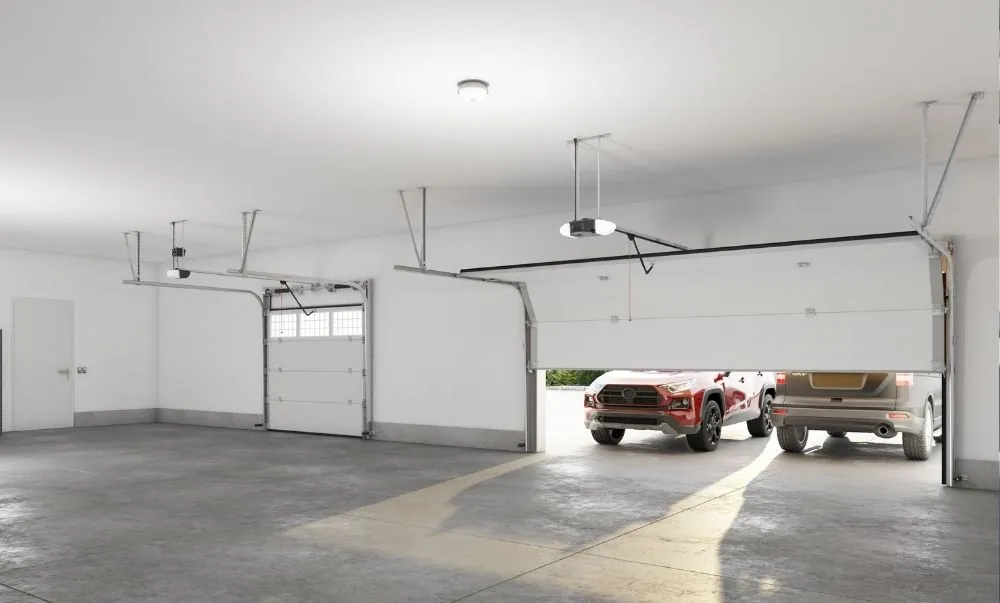
Safety sensors are small devices located near the floor on both sides of the door track. These sensors project an invisible infrared beam across the opening to prevent the door from closing on objects or people. When a garage door opener fails to operate, the cause is often an interrupted beam or sensors bumped out of alignment. Most units signal this fault by flashing a status light on the motor unit or the sensors themselves.
To check for obstructions, look between the two sensors to ensure no boxes, tools, or debris block the line of sight. If the area is clear, check that both sensors point directly at each other. Safety standards require these sensors to be installed no higher than six inches above the floor to operate effectively. If you see one light is solid and the other is off or blinking, gently adjust the housing until both lights remain steady.
If the door closes only when you hold the wall button down, the sensors are misaligned or failed. In this case, the safety system is bypassed, which removes the automatic reversal feature. Never operate the door in this mode if children or pets are present.
To verify alignment, place a level against the sensor housing. If the beam remains broken despite a clear path, check the wiring terminals on the back of the sensors. Loose wires are common after vibration from years of door operation.
Tighten any screws that feel loose or strip the wire ends to ensure a fresh connection. If the lights still fail to glow, the internal circuitry has likely reached the end of its functional life and requires a full replacement of the sensor pair.
Remote control and wall console issues
When the wall button works but the remote control does not, the problem is almost always the battery. Open the back cover of your remote to verify the battery type and ensure it’s seated correctly. If the battery is old, replace it with a fresh one of the exact same voltage and size. If you have multiple remotes, test them to see if the issue is isolated to a single device or the entire system.
If you find that replacing the battery doesn’t resolve the issue, check the remote’s LED indicator. If the light doesn’t glow when you press the button, the remote itself has likely failed due to a broken internal circuit. If the light glows but the door remains shut, the remote has lost its programming.
If none of your remotes work, the receiver inside the motor unit might have lost its connection to the transmitters. You can try to reprogram the remotes by following the instructions in your owner’s manual. This usually involves pressing a “learn” button on the motor unit and then holding the button on your remote.
If you have a modern system, check for a “lock” feature on your wall console. If the lock icon is illuminated, the system ignores all remote signals for security. Simply toggle the lock button to restore function. If the system still fails after a reset and a battery swap, the internal receiver board may be at fault. This is a technical repair that requires professional service.
Rare mechanical or electronic failures
-
Broken torsion springs: A loud bang followed by a door that refuses to lift indicates a heavy-duty spring has snapped. These springs hold the entire weight of the door under extreme tension. Never attempt to loosen or replace them yourself, as the release of stored energy can cause severe injury. Always hire a certified technician for this repair.
-
Worn gear assembly: If the motor hums but the door doesn’t move, the internal plastic gears have likely stripped. This often happens after ten years of regular use. Listen for a grinding noise during operation; if you hear it, stop using the opener immediately to prevent further damage to the drive shaft.
-
Limit switch drift: If the door stops or reverses before hitting the floor, the travel limits need adjustment. Check your manual for the specific calibration sequence. If the door hits the floor but then immediately reverses, your force sensitivity settings are likely too low and require a slight increase.
-
Logic board failure: If the unit behaves erratically or ignores all inputs despite having power, the main circuit board may be failing. Before replacing the board, unplug the unit for sixty seconds to perform a hard reset. If the behavior persists, the board is permanently damaged and requires a professional replacement.
What a typical fix involves
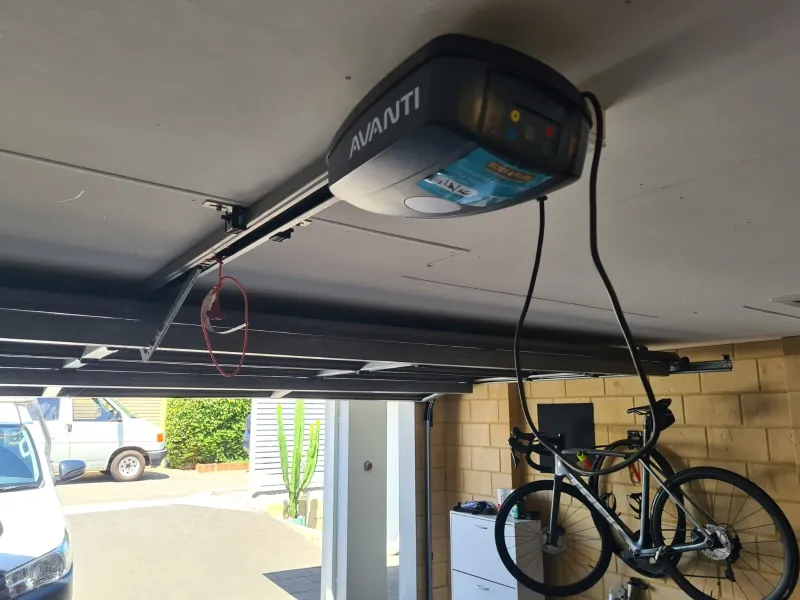
Fixing a garage opener depends on the complexity of the issue. Simple tasks like replacing a remote battery or clearing debris from sensors require only common household tools or your hands. These fixes are quick and cost nothing beyond the price of a small battery. If you must adjust the sensor alignment, you might need a screwdriver to loosen the mounting bracket, which is a minor effort.
If the problem involves a broken spring or an internal motor gear, the fix is much more involved. These parts are under high tension and require specialized equipment to handle safely. A professional repair usually involves a service call fee plus the cost of parts.
The total price depends on your local labor rates and the specific model of your opener. To get an accurate quote, check the manufacturer’s website for a list of certified installers in your area. They can provide a price estimate based on your system’s age and the specific parts required.
Related guides
- 1/2 vs 3/4 Horsepower Garage Door Opener: Which One to Choose
- LiftMaster vs Chamberlain: Which Garage Door Opener Is Best
- LiftMaster vs Overhead Door Garage Door Openers: The Verdict
Frequently Asked Questions
Is it safe to fix the sensors myself?
Yes, it’s safe to check and align the sensors as long as you don’t open the motor housing. Keep your hands away from the moving parts and the tension springs while testing the system.
How long does a remote battery last?
A standard remote battery typically lasts for a significant duration depending on how often you use the door each day.
Why does the door reverse immediately?
The door reverses because the safety sensors are misaligned or something is blocking the infrared beam. Check that the sensors are facing each other and the path is clear.
Does the wall button need power?
Yes, the wall button needs power, but it usually receives this through low-voltage wires connected to the main motor unit.
What happens if I ignore a blinking sensor light?
If you ignore the light, the garage door won’t close using the remote, as the system perceives an obstruction in the safety path.
How do I know if the spring is broken?
You’ll see a visible gap in the metal coil, and the door will feel extremely heavy or refuse to move when you try to lift it manually.
Does the age of the opener matter?
Yes, older units may lack modern safety features or parts may no longer be available, making replacement more practical than repair.
Conclusion
If these basic checks don’t get your door moving again, don’t hesitate to call a local repair technician. They’ll have the right tools to safely inspect the internal gears or springs. It’s better to let a professional handle complex mechanical repairs so you’re back to parking inside quickly and safely.
