
A gusset plate is a thick sheet of metal used to connect structural members, such as beams or columns, to ensure that loads transfer safely between them. These plates act as a bridge for forces, preventing the joints of a building or bridge from bending or breaking under heavy stress. They’re essential for keeping large steel structures rigid and stable.
Structural Connections and Load Distribution
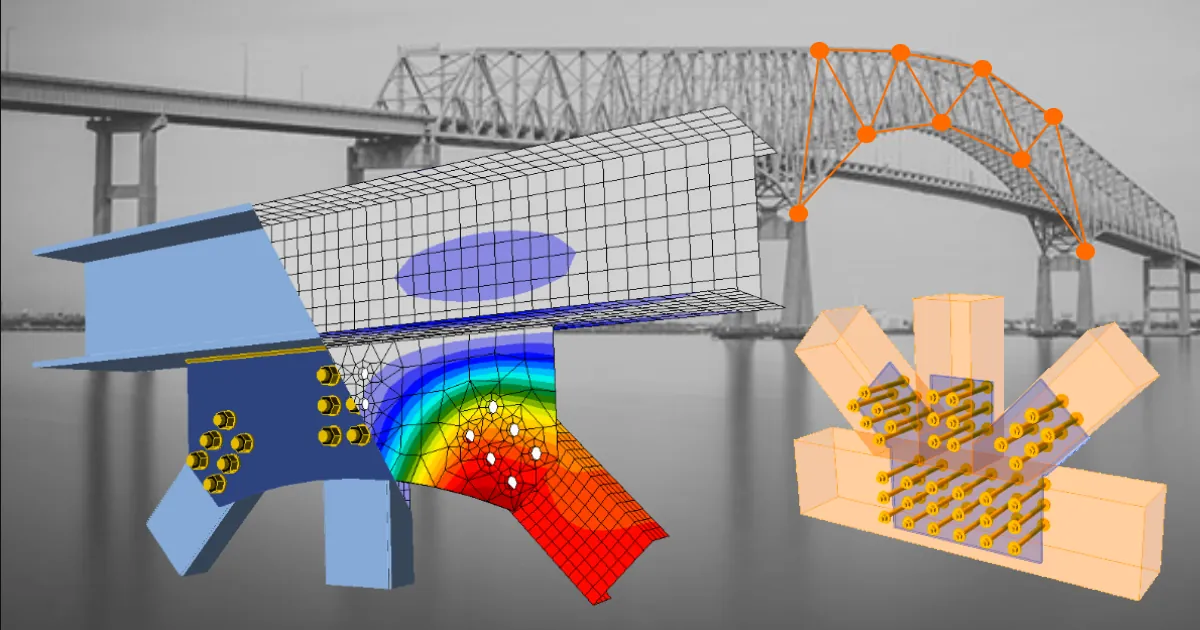
The main job of these plates is to consolidate multiple structural members into a single, strong joint. By bolting or welding these plates to the intersecting beams, engineers create a stiff node that distributes weight evenly across the entire frame. This process reduces the risk of local failure at points where two pieces of steel meet.
If the joint is under high tension, the plate must be thick enough to prevent the metal from tearing around the bolt holes. A common mistake is using a plate that’s too thin, which causes the steel to “dish” or pull through the fasteners under extreme stress. This failure often costs the entire integrity of the connection, requiring a full teardown and replacement.
If the joint is under compression, the plate must be rigid enough to resist buckling. To determine which path to take, check the primary force vector: if the load pulls outward, prioritize bolt-hole edge distance; if the load pushes inward, prioritize the plate’s slenderness ratio.
The thickness of the steel is determined by the load-bearing requirements of the specific project. You can find technical requirements for these connections in the AISC Steel Construction Manual, which provides the standard design criteria for structural steel buildings.
When Plate Design Changes
Not every connection uses the same plate design. Engineers adjust the shape and thickness based on the forces acting on the specific joint.
| Situation | What changes | What to do instead |
|---|---|---|
| High vibration | Plate thickness | Increase plate gauge |
| Heavy shear loads | Bolt quantity | Add more fasteners |
| Tight spaces | Plate footprint | Use triangular shapes |
| Corrosive areas | Metal coating | Use galvanized steel |
| Seismic zones | Weld strength | Use full penetration welds |
A common mistake is assuming that a thicker plate always compensates for poor weld placement. In reality, adding thickness without adjusting the weld throat size often leads to brittle fractures at the heat-affected zone. If your connection experiences cyclic loading, prioritize weld ductility over raw plate mass.
If you’re working with stainless steel, avoid using standard carbon steel hardware to prevent galvanic corrosion. You must match the material grade of the plate to the bolt assembly to maintain structural integrity. When the footprint is restricted by existing structural members, switch to high-strength alloy plates. These allow for a smaller surface area while maintaining the required load capacity.
If you encounter a joint where the bolt pattern exceeds the width of the flange, stop immediately. Redesign the plate to a T-shape or a cruciform layout to redistribute the stress. This prevents the plate from prying away from the beam, a failure mode that’s invisible until the connection begins to rotate under load. Always verify the edge distance to the nearest hole, as placing bolts too close to the edge will cause the plate to tear out prematurely.
How to Install Gusset Plates
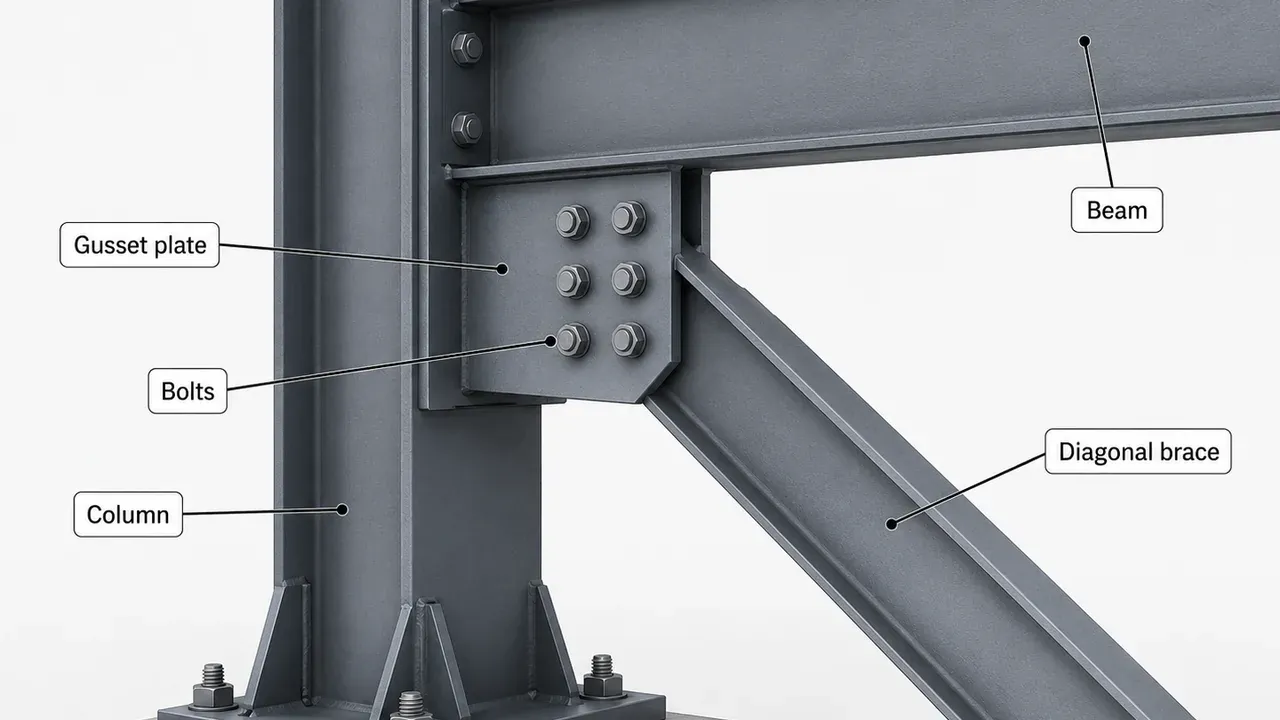
Installing these plates requires precision to ensure the structural integrity of the frame. Follow these steps to complete the assembly correctly.
Clean the steel surfaces thoroughly to remove oil or debris. Even a thin layer of mill scale prevents a tight friction fit, which compromises the connection’s load-bearing capacity.
Align the plate with the pre-drilled holes on the structural beams. If the holes don’t align perfectly, don’t force the bolt through. Ream the hole to the next size up to prevent inducing stress fractures in the steel.
Insert high-strength bolts, making sure they’re the correct grade for the load. Use A325 bolts for standard connections, but switch to A490 bolts if the joint faces extreme seismic or vibration stress.
Tighten all bolts using a torque wrench to the manufacturer’s specified pressure.
Inspect the weld lines if you’re using permanent welded connections. A concave bead indicates insufficient filler metal, which will fail under tension.
Verify that the plate sits flush against the beams without gaps. If a gap exceeds 1/16 of an inch, insert a tapered shim before tightening.
Apply a rust-resistant primer to the exposed metal edges after installation to prevent oxidation.
Mistakes That Ruin Structural Integrity
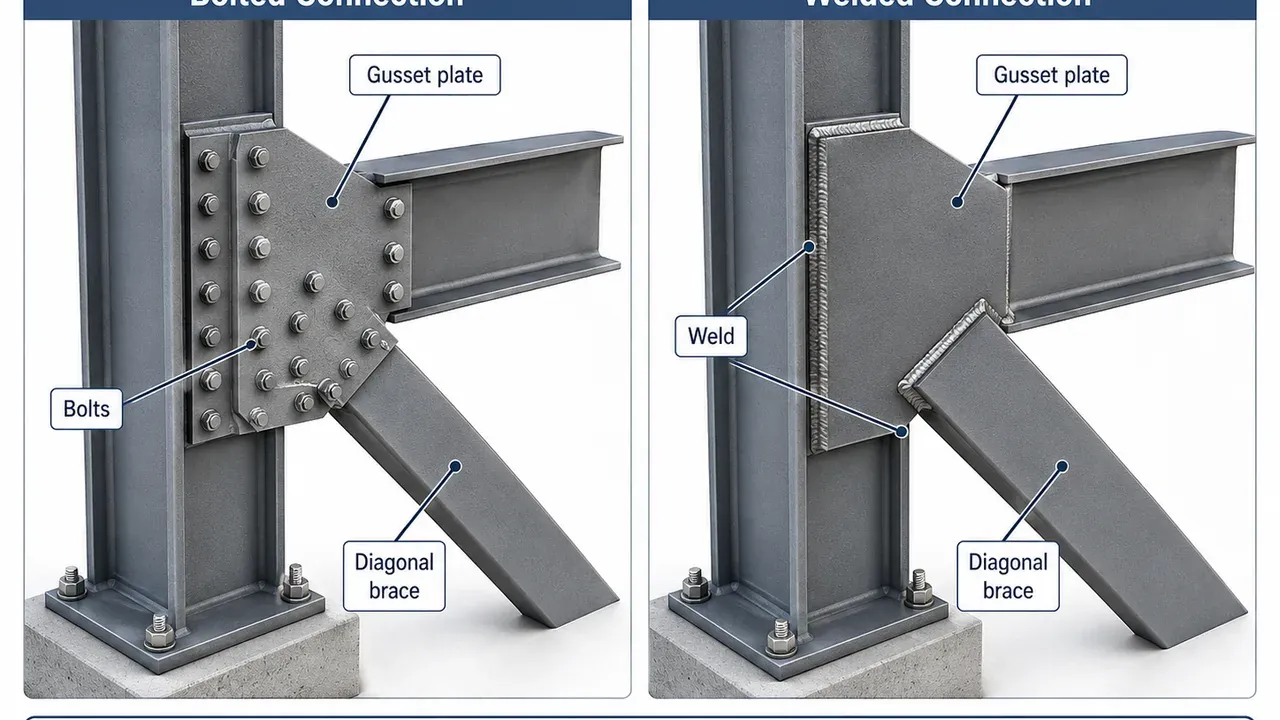
Using bolts that are too small for the hole diameter creates excessive movement and stress. If the gap exceeds 1/16 of an inch, the bolt acts as a pivot rather than a fastener. This leads to fatigue failure under cyclic loads.
Failing to account for thermal expansion causes plates to warp or buckle over time. This allows the metal to slide safely as it grows.
Over-tightening bolts beyond the specified torque risks snapping the shank or stripping the threads. Most builders assume tighter is always safer, but exceeding the manufacturer’s torque rating by even 10% can cause the metal to yield. Use a calibrated torque wrench for every connection.
Neglecting to use washers distributes pressure unevenly and damages the plate surface. Without a load-bearing surface, the bolt head bites into the steel, creating stress concentrations that invite cracking. If you’re working with soft alloys, use a hardened flat washer to prevent the bolt from sinking into the metal.
Related guides
Frequently asked questions
Can I use a thinner plate to save weight?
No, you can’t use a thinner plate because it will likely fail under the design load. Each plate thickness is calculated based on the specific forces at that joint, and using a thinner piece of metal will lead to buckling or tearing. Always check the structural drawings for the minimum thickness requirement for your specific project.
Is it safe to weld a gusset plate myself?
No, it isn’t safe for an untrained person to perform structural welding on these components. Structural connections require certified welding to ensure the joint can support the weight of the building. If you aren’t a qualified professional, hire a licensed structural welder to handle the connection to avoid catastrophic failure.
What happens if the plate isn’t flush?
A plate that isn’t flush creates uneven stress distribution, which forces the bolts or welds to carry more weight than they were designed for. This imbalance often leads to premature cracking in the metal or the loosening of fasteners. Always ensure the contact surfaces are flat and clean before you tighten the connection.
How long do these plates last?
These plates typically last for the entire lifespan of the building, provided they remain protected from moisture. If the steel is exposed to the elements, you must maintain its protective coating to prevent corrosion. Regular inspections will help you identify any signs of rust or degradation early.
Does the shape of the plate matter?
The shape is critical because it dictates how the plate manages stress flows through the joint. Engineers select specific geometries to balance weight, material costs, and structural load paths. While triangular shapes suit simple corners, rectangular or custom designs are necessary for complex intersections involving multiple members.
Conclusion
Whether you’re planning a small renovation or studying large-scale engineering, these plates are vital for your project’s longevity. They’ll keep your framework secure for decades to come. If you’re starting a new build, don’t hesitate to consult a structural engineer to ensure you’ve chosen the right size for your specific needs.
