
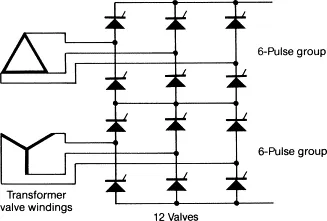
A converter transformer is a specialized piece of equipment designed to bridge the gap between alternating current (AC) grids and high-voltage direct current (HVDC) systems by managing the unique electrical stress caused by power electronics. It functions by converting high-voltage AC from a power station into the specific voltage levels required for conversion into direct current, while simultaneously blocking harmonic currents that would otherwise damage the wider grid.
These transformers are built to handle high electrical stress. They must withstand both the standard AC voltage and the added stress from the pulses created by the conversion equipment. If a system requires extreme reliability, the design must account for the specific frequency of the power grid. A mistake people often make is assuming these are identical to standard grid transformers; this error leads to premature insulation failure, as standard units can’t handle the DC bias or harmonic content.
How to monitor and operate converter transformers
-
Check the cooling system oil levels before energizing the unit to ensure the pumps are circulating fluid at the manufacturer’s specified rate.
-
Verify the harmonic filter settings on your control panel, as these protect the transformer from the high-frequency noise generated during the conversion process.
-
Monitor the bushing temperature during the first 24 hours of full-load operation to ensure the seals are holding under the thermal expansion of the oil.
-
Perform a dissolved gas analysis on the oil every 6 months to detect early signs of internal arcing or insulation degradation.
-
Inspect the valve-side connections for signs of vibration or loose bolts, as the electromagnetic forces in these systems are significantly stronger than in standard units. Tighten all hardware to the torque specifications listed in your manual every 1,000 hours of operation to prevent catastrophic connection failure.
If the oil temperature rises above the limit stated in your manual, shut down the load immediately to prevent a permanent short circuit. Always consult a licensed high-voltage electrical engineer before adjusting tap-changer settings, as incorrect configuration leads to total equipment failure.
Time requirements for transformer maintenance
The time required depends on the complexity of the unit and the specific load it supports. The following table outlines typical durations for standard maintenance cycles.
| Task | Estimated Time | What changes it | What to watch for |
|---|---|---|---|
| Visual inspection | 30 minutes | Site accessibility | Oil leaks or dust |
| Oil sampling | 2 hours | Lab location | Water content levels |
| Cooling system check | 4 hours | Pump age | Unusual motor noise |
| Full system test | 8 hours | Grid complexity | Harmonic distortion |
If a routine check takes significantly longer than these estimates, it usually points to a failing component or a degraded internal seal that requires professional intervention.
Factor in an additional 20 percent buffer for units operating in high-heat environments or those exceeding 15 years of service. Older units often require extra time to loosen seized bolts or recalibrate aging sensors. If you find yourself spending more than 12 hours on a full system test, stop immediately. This delay often signals an active internal short rather than a routine maintenance hurdle.
Ignoring this sound typically leads to a total system trip within 48 hours of restarting. Always prioritize the oil sample analysis over visual checks if the transformer supports critical infrastructure. A clear visual doesn’t guarantee that the internal dielectric strength remains within safe operating limits.
Signs of successful operation
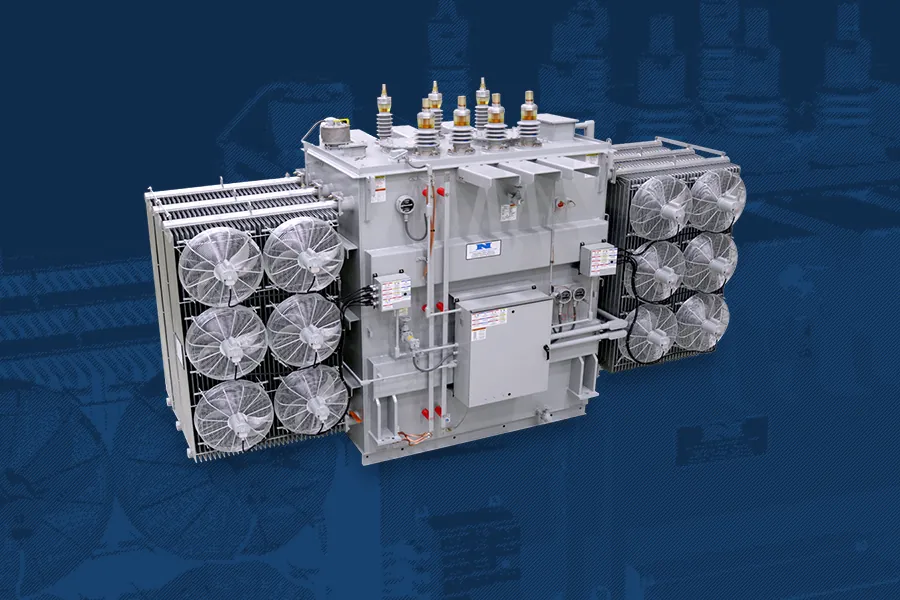
You can tell the system is working correctly by observing the cooling indicators and the stability of the output voltage. A healthy transformer will show a steady oil temperature that remains within the range specified by the International Electrotechnical Commission standards for power transformer performance.
You should also listen for a consistent, low-frequency hum. Any sudden change in this sound, such as rattling or sharp clicking, suggests a mechanical looseness or electrical arcing. If you hear a high-pitched whine, check the cooling fans immediately, as this often indicates bearing failure before the temperature sensors trigger an alarm.
If the digital control system reports a steady DC voltage output without frequent tripping, the conversion process is likely stable. When the electronic sensors and physical sound of the unit give conflicting data, the electrical measurement from the secondary side is the only reliable way to confirm the unit’s health.
Ignoring this ripple often leads to catastrophic failure of the downstream components within forty-eight hours.
Common maintenance mistakes

Failing to filter oil allows moisture and microscopic particles to accumulate, which accelerates the chemical breakdown of internal insulation. Replace the desiccant in your breathers based on usage and the manufacturer’s manual, or sooner if the color indicator shifts, to prevent dielectric failure.
Running a transformer above its rated capacity forces internal windings to exceed their thermal limits, permanently embrittling the paper insulation. If your load consistently peaks above 90 percent of the nameplate rating, install a secondary cooling fan or plan for a capacity upgrade. Ignoring this threshold typically reduces the equipment’s remaining lifespan significantly after a period of sustained overload.
High-voltage systems generate intense magnetic forces that vibrate components, eventually loosening critical bolts and busbar connections. Use a calibrated torque wrench to verify every external connection during your annual inspection.
If you find a connection that has moved, don’t simply tighten it; clean the contact surface with an abrasive pad to remove oxidation before resetting the bolt to the factory-specified torque value. Skipping this cleaning step creates high-resistance joints that generate localized heat, often leading to catastrophic arc flashes during peak power demand.
Frequently asked questions
Can a converter transformer work with standard AC grids?
Yes, it’s designed to operate on standard AC grids, but it includes extra insulation and shielding to handle the specific needs of HVDC conversion. You can’t use it as a simple step-down transformer for residential power because it’s optimized for the high-frequency harmonics of an HVDC station. Always check the nameplate ratings to ensure the input voltage matches your specific grid connection.
How long does a converter transformer last?
Most units are designed to last for a long duration, provided that the maintenance schedule is followed strictly. The actual lifespan varies based on the environmental conditions and how often the system experiences power surges or extreme temperature swings. You can read the expected life rating in the original technical documentation provided by the manufacturer at the time of installation.
Is it safe to perform my own maintenance?
No, you should never attempt to service the internal components of these transformers because they contain high-voltage parts that can hold a lethal charge even when unplugged. You may perform basic visual checks and record temperatures, but all electrical testing and oil maintenance must be done by a certified high-voltage technician to avoid injury or equipment damage.
What happens if the cooling system fails?
The transformer will quickly overheat, which causes the internal oil to expand and potentially rupture the tank or destroy the insulation. Most modern units include automatic safety sensors that will trip the power supply if the cooling fluid stops circulating. If you see a cooling failure alarm, treat it as an emergency and contact your maintenance team immediately to prevent a fire.
How often should I check the oil?
You should perform a basic oil inspection monthly and a comprehensive dissolved gas analysis every 6 months to catch small problems early. The exact frequency depends on the age of the unit and the intensity of the load it carries daily. Check your specific maintenance manual for the manufacturer’s recommended testing intervals for your model.
Conclusion
These robust machines are essential for modern energy grids, but they’re only one part of a larger puzzle. As we shift toward renewable sources, you’ll likely see more of these units integrated into regional networks. It’s worth keeping an eye on how new materials will make them even more efficient and reliable.
