
Tired of seeing those stubborn yellow stains marring the pristine white of your toilet bowl? You’re not alone.
Many homeowners struggle with this common bathroom issue, and it can be frustrating when your toilet just doesn’t look as clean as you’d like. But before you reach for the harshest chemicals, it’s important to understand why those yellow marks appear in the first place.
Knowing the root cause is the first step to effectively tackling them and keeping your toilet sparkling. Read on to discover what’s really behind those yellow stains and how you can finally banish them for good.
Rust Rings
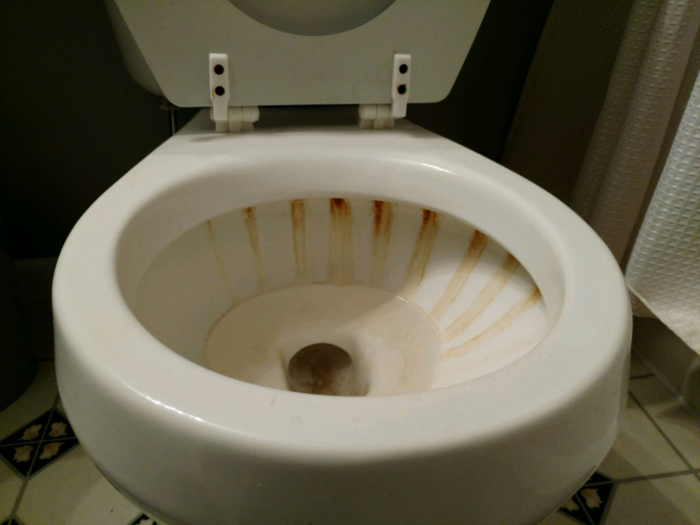
Rust rings are a common sight. They leave unsightly orange or brown circles. These rings appear on the toilet bowl. They are often frustrating to remove. Understanding their cause helps prevention.
Iron In Water
Many water sources have iron. This iron is naturally occurring. It comes from rocks and soil. The water dissolves the iron. It can be present in well water. Municipal water can also have it.
Hard Water’s Role
Hard water makes things worse. It contains high mineral content. Calcium and magnesium are common. These minerals bond with iron. This creates a stubborn deposit. The deposit clings to the porcelain. It forms those distinct rings.

Credit: www.fivestarrated.com
Mineral Buildup
Yellow stains often come from mineral buildup. Hard water contains iron and other minerals. These minerals can deposit inside your toilet bowl.
Mineral buildup is a common culprit. It causes those unsightly yellow stains. Your toilet bowl is not immune.Calcium And Magnesium
These minerals are often present. They come from your water supply. They settle in the toilet bowl.Hard Water Deposits
Hard water is rich in minerals. Calcium and magnesium are key players. They leave behind stubborn deposits. These deposits turn yellow over time. They stick to the porcelain surface. Cleaning them needs specific methods. Regular cleaning may not be enough. You need to tackle the source.Mold And Mildew
Yellow stains in your toilet bowl often point to mold and mildew. These tiny organisms thrive in damp environments. They feed on minerals and organic matter in the water.
Mold and mildew love bathrooms. These fungi thrive in damp, dark places. They often cause those stubborn yellow stains. These stains are more than just unsightly. They can affect your home’s air quality.Moisture And Darkness
Bathrooms are naturally humid. Showers create steam. This steam settles on surfaces. Toilets are often in less-ventilated areas. This creates the perfect breeding ground. Mold and mildew need moisture to grow. They also need darkness. These conditions are readily available.Common Bathroom Culprits
Leaky pipes contribute to dampness. Poor ventilation is a big problem. Grout lines absorb water. Old toilet seals can fail. These issues create hidden moisture. Mold spores are everywhere. They land on wet surfaces. Then, they start to grow. Yellow stains appear as they spread. These fungi feed on soap scum. They also consume organic matter. This often includes bodily waste residue.Body Oils And Residue
Body oils and lotions can leave residue. This residue mixes with toilet water. It can cause stubborn yellow stains.
Your toilet bowl is a busy place. Every day, it sees a lot of action. This daily use leaves behind more than just waste.Daily Use Effects
Think about your body. It naturally produces oils. These oils transfer to the toilet seat. They also get on the rim. Over time, these oils build up. They are sticky. They attract other things.Soap Scum Formation
Showers and baths add more to the mix. Soaps and body washes go down the drain. They contain oils and fats. These mix with minerals. Minerals are in your tap water. This creates a stubborn film. It is called soap scum. This film sticks to the bowl. It is often yellowish. It is hard to remove. This residue is a key culprit. It traps dirt. It traps bacteria. It makes stains appear.Dye In Toiletries
Many everyday items can cause tough toilet bowl stains. Dyes in toiletries are a common culprit. These colorful products can leave their mark. They seep into the porcelain. This creates stubborn yellow rings. Let’s explore how this happens.
Colored Toilet Papers
Some toilet paper comes in vibrant colors. Reds, blues, and greens are popular. These dyes are not always rinsable. They can break down in water. The color then deposits in the bowl. This forms noticeable yellow stains. It’s a simple chemical reaction. The dye binds to the bowl surface. Regular flushing may not remove it. You see a persistent yellow hue. It looks unsightly.
Certain Cleaners
Not all toilet cleaners are neutral. Some contain strong dyes themselves. These cleaners add color to the water. The dye can cling to the bowl. It mixes with mineral deposits. This creates a yellow film. It’s a common side effect. Many cleaning products are colorful. They aim to look appealing. This aesthetic choice causes stains. You might be cleaning. You might be staining. It is frustrating. Look for dye-free options.

Credit: lucentglobe.com
Aging Toilet Components
Toilets are not immortal. Time takes a toll. Parts wear out. This wear causes problems. Yellow stains often appear. Aging toilet components are a common culprit. These parts degrade over time. They can lead to leaks. Leaks introduce minerals. Minerals cause those stubborn stains.
Worn Seals And Gaskets
Seals keep water in place. Gaskets create a watertight seal. These parts are often rubber. Rubber degrades with age. It becomes brittle. It cracks. Water can then escape. This escaping water is not pure. It contains minerals. Minerals build up. They form yellow rings. These rings are unsightly. They are a sign of wear.
Leaking Tank Issues
The toilet tank holds water. It has many internal parts. These parts can fail. A faulty flapper is common. It does not seal the tank. Water seeps into the bowl. This constant seep is problematic. The water supply has minerals. These minerals settle in the bowl. They create yellow stains. A slow leak is hard to see. But it still deposits minerals. It’s a quiet cause of stains.
Credit: www.water-right.com
Frequently Asked Questions
What Makes Toilet Bowls Turn Yellow?
Yellow stains in your toilet bowl are often caused by mineral deposits. Hard water contains iron and manganese. These minerals can build up over time.
Is Hard Water The Main Cause Of Yellow Stains?
Yes, hard water is a primary culprit. It carries dissolved minerals like iron. These minerals react with air and water. This creates those stubborn yellow rings.
Can Rust Cause Yellow Toilet Bowl Stains?
Rust can definitely cause yellow or orange stains. It happens when iron in the water rusts. This rust then settles in the bowl.
Do Certain Foods Stain Toilet Bowls Yellow?
Some foods, like those with strong dyes, might contribute. However, it’s less common than mineral buildup. Food dyes can add color temporarily.
How Do I Prevent Yellow Toilet Bowl Stains?
Regular cleaning helps prevent stains. Using a toilet bowl cleaner regularly is key. Fixing leaky toilets also helps.
What Is The Best Way To Remove Yellow Stains?
Use a good toilet bowl cleaner. For tough stains, try a paste of baking soda and vinegar. Let it sit, then scrub well.
Are Yellow Toilet Stains A Health Concern?
Yellow stains are usually not a health risk. They are mostly mineral deposits. However, keeping your toilet clean is always good.
Conclusion
Yellow stains happen for reasons. Mineral buildup is often the culprit. Hard water causes these marks. Rust can also play a part. Proper cleaning prevents them. Regular scrubbing keeps bowls bright. Use the right cleaners. Address the cause. Enjoy a clean toilet.