
Human foosball is a high-energy party game where teams of people stand on rotating platforms and use their bodies to hit a large inflatable ball into the opposing team’s goal. It turns your living room, garage, or backyard into a physical arena that combines soccer skills with balance and teamwork. This guide covers how to set it up safely, the rules for playing, and the key safety checks you need before every match.
What Is Human Foosball?
This activity uses a specialized frame, usually made of steel or heavy-duty plastic, that holds four or six players in place. The frame rotates around a central axis, allowing each team to pivot and position themselves to block or strike the ball. You’ll find these setups at corporate events, summer camps, and large birthday parties because they require minimal athletic skill but deliver maximum fun.
The main misconception is that you need to be an athlete to enjoy it. That’s not true. The equipment handles the movement; you just need to react quickly and coordinate with your teammates. The physics are simple: rotational momentum helps generate power, while proper stance keeps you stable. If you lean too far forward, you lose balance. If you stay centered, you control the platform.
Safety is the primary design constraint. Manufacturers add padding, non-slip surfaces, and low-clearance goals to prevent injuries. Always check the weight limits and age recommendations provided by the maker. Most models are designed for children aged six and up, along with adults. Never modify the structure yourself, as this can void warranties and create dangerous loose parts.
The basic method
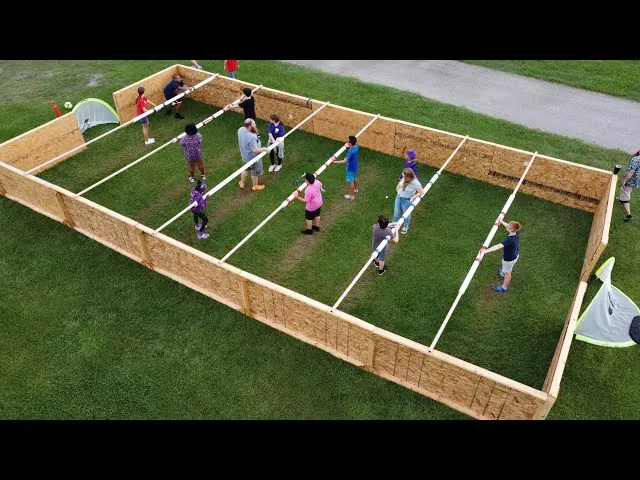
Setting up human foosball takes about twenty minutes if you have two people helping. Follow these steps to ensure a safe and fair game from the first kick.
- Choose a flat, open area with at least three feet of clearance on all sides. Remove any sharp objects, furniture, or breakable decor. A grassy lawn works well, but a smooth concrete driveway is easier for rolling the ball.
- Unpack the frame components and lay them out. Identify the base plates, the central pivot column, and the player bars. Check that all bolts and pins are present before assembly begins.
- Insert the central pivot column into the base plate. Secure it tightly using the provided locking mechanism. Ensure the column stands straight up and doesn’t wobble. A loose center causes instability during play.
- Attach the player bars to the top of the pivot column. Slide each bar into its designated slot and lock it in place. Make sure the bars rotate freely but don’t sag under weight. Tighten the side screws firmly.
- Install the protective netting or barriers around the perimeter. These keep the ball in play and protect bystanders. Clip them securely to the frame so they don’t flap in the wind or come loose when hit.
- Inflate the oversized ball according to the manufacturer’s instructions. Use a standard pump with a pressure gauge. Over-inflation makes the ball hard and dangerous; under-inflation makes it sluggish and hard to control. Aim for a firm but squeezable feel.
- Have each player step onto their assigned platform. Instruct them to hold the handrails or waist belts for stability. Remind everyone to keep their knees slightly bent and eyes on the ball.
The single biggest judgment call is speed. Start slow. Let players get used to the rotation before increasing intensity. Rushing leads to collisions and falls. Patience builds confidence and keeps the game fun for everyone involved.
Key numbers and settings at a glance
Different models vary in size and capacity. Here are the typical specifications you’ll encounter when renting or buying a unit.
| Situation | What to use | How long | What to watch for |
|---|---|---|---|
| Indoor event (garage) | Compact 4-player steel frame | 2-4 hours | Ceiling height clearance |
| Outdoor party (lawn) | Large 6-player vinyl-coated frame | All day | Wind resistance and anchoring |
| Professional tournament | Heavy-duty commercial grade | Multi-day rental | Ball pressure consistency |
| Small family gathering | Mini 2-player tabletop version | 1 hour | Finger pinching risks |
| Corporate team building | Custom branded frame with logos | Full day event | Safety barrier integrity |
Always verify the ground surface matches the model type. Soft grass requires stakes; hard pavement needs rubber mats. Check the weather forecast if playing outside. Rain makes surfaces slippery and damages electronic components if present.
What to look for in human foosball
Experienced hosts know that setup quality dictates gameplay quality. Beginners often rush the assembly, skipping the tightness check on bolts. This leads to wobbling bars that catch on each other. Good hosts test every rotation manually before inviting players. They also inspect the ball’s seam for weak points. A failing ball bursts mid-game, ruining the mood.
Order matters too. Set up the barriers first, then the frame, then the ball. This sequence prevents accidental damage to delicate netting during structural assembly. Watch for uneven weight distribution. If one side feels heavier, adjust the player positions or swap bars. Balance ensures smooth spinning and reduces strain on the pivot joint.
Leave the complex repairs to professionals. If a bearing squeaks or a bar bends, stop playing immediately. Continuing to use damaged equipment increases injury risk significantly. Document any issues with photos for insurance claims. Prevention is always cheaper than replacement.
Common problems and quick fixes
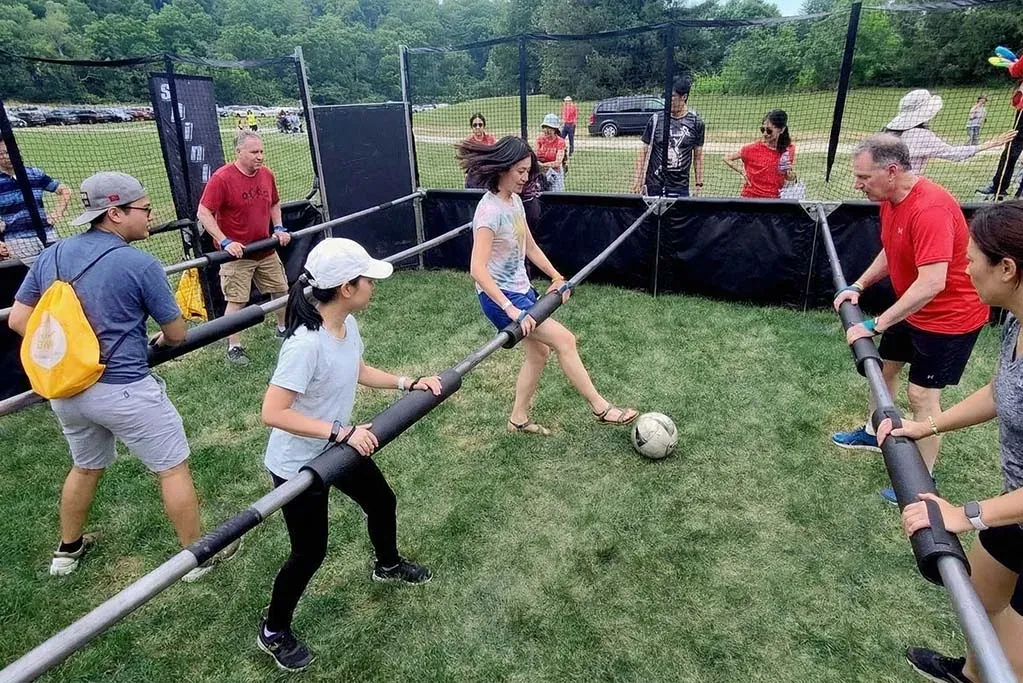
Players will encounter minor issues during play. Here’s how to address them without stopping the entire event.
| What you notice | What it usually means | What to do first |
|---|---|---|
| Bar sticks when turning | Friction or misalignment | Loosen side screws slightly |
| Ball rolls slowly | Low pressure or soft surface | Check PSI or move to hard ground |
| Player slips off | Wet surface or worn grips | Dry area or add non-slip tape |
| Netting flaps loosely | Loose clips or wind gusts | Re-clip edges or lower profile |
| Frame wobbles | Uneven ground or loose base | Level base or add stabilizing weights |
Don’t ignore small noises. A clicking sound often precedes a broken part. Address it before it becomes a failure. Quick fixes keep the energy high and the downtime low.
The rules that apply
Safety standards govern human foosball construction. In the US, the Consumer Product Safety Commission (CPSC) oversees general toy and recreational equipment guidelines. While specific federal laws for this niche product are limited, manufacturers must adhere to ASTM F963, the Standard Consumer Safety Specification for Toy Safety. This ensures materials are non-toxic and structures are mechanically sound. ASTM International publishes these detailed criteria.
Age restrictions are critical. Most units specify a minimum age due to pinch points and falling hazards. Weight limits typically range from 150 to 200 pounds per player station. Exceeding these limits strains the pivot mechanism and may cause structural failure. Always display these limits visibly near the entrance.
Local ordinances may require permits for large outdoor events. Check with your city hall if you’re hosting more than fifty guests. Liability insurance is highly recommended for commercial rentals. Verify coverage includes “recreational equipment” specifically. Legal compliance protects you from costly lawsuits if someone gets hurt.
Keeping it working afterwards
Proper storage extends the life of your human foosball kit significantly. After each use, deflate the ball completely. Roll it loosely and store it in a dry bag to prevent mold. Wipe down metal bars with a mild detergent and water. Dry them thoroughly to stop rust formation.
Inspect the frame for cracks or bent pins monthly. Lubricate the central pivot bearing once a year with silicone spray. This keeps rotations smooth and quiet. Store the unit indoors in a climate-controlled space. Extreme heat warps plastic components; freezing temperatures make rubber brittle.
Keep all hardware in a labeled ziplock bag attached to the frame. Losing one bolt can disable the entire setup. Take photos of the assembled unit for reference during reassembly. Consistent maintenance saves money and ensures safety for future games.
When to use a different approach
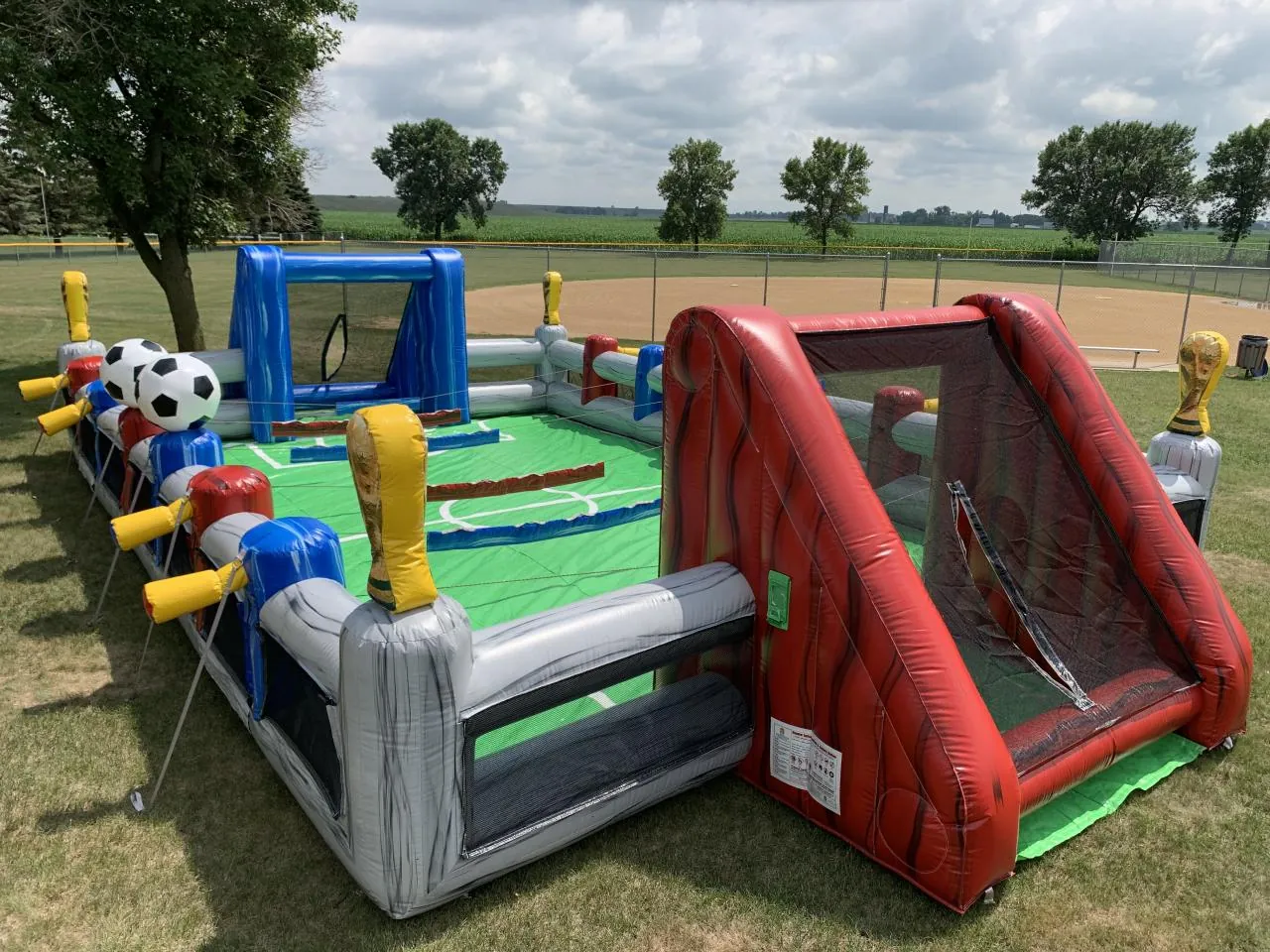
Human foosball isn’t suitable for every situation. Avoid it if your venue has low ceilings below eight feet. The rotating frame requires vertical clearance. It’s also poor for very young children under five who lack coordination. Instead, opt for traditional table soccer or interactive video games.
If you have severe mobility issues among participants, this format excludes them entirely. Consider adaptive sports equipment or seated activities instead. For tiny indoor spaces like apartments, the footprint is too large. Use portable ping pong or card games instead.
Wind is another dealbreaker. Outdoor models can tip over in gusts over twenty miles per hour. Wait for calm days or move inside. Choosing the right activity for the environment ensures everyone stays safe and entertained.
Check floor stability first. Uneven surfaces cause immediate wobbling during play. A simple level test takes seconds but prevents broken legs later. Hardwood floors work best. Carpet absorbs energy and slows the ball unfairly. If you must use carpet, place a rigid board underneath the base. This creates a stable platform that mimics hard flooring.
Consider noise levels carefully. The metal rods clatter loudly against the base. Neighbors in thin-walled apartments will complain within minutes. Soundproofing mats help but don’t eliminate the issue entirely. If volume matters, choose rubber-tipped balls. They reduce impact noise significantly while maintaining gameplay speed.
Group size dictates success. Fewer than four players makes the game feel empty. More than six creates bottlenecks at the goals. Aim for balanced teams of two versus two. This keeps engagement high for everyone involved. Larger groups should rotate shifts every ten minutes to prevent fatigue.
Related guides
- Best Foosball Tables Under 500: Top 5 Picks in 2026
- Foosball Resources: Where to Find Tactics and Gear in 2026
Frequently asked questions
Can I play human foosball indoors?
Yes, but only if you have high ceilings and ample floor space. Garages and gymnasiums work best. Ensure the surface is level and free of debris. Ventilation is also important since players exert significant energy.
Why does my bar stick sometimes?
Friction builds up on the pivot joints over time. Dust, dirt, or lack of lubrication causes resistance. Clean the area and apply a light silicone spray. Test the rotation manually after treating it.
How long does setup take?
Expect fifteen to twenty minutes for a standard four-player model. Two people help significantly. Larger six-player units may take thirty minutes. Always allow extra time for final safety checks before inviting guests.
Is it safe for kids?
Yes, for children aged six and older. Supervision is mandatory. Ensure helmets are worn if available. Check that barriers are secure. Younger children risk pinching fingers or falling from the elevated platforms.
What happens if the ball bursts?
Stop play immediately. Remove the deflated pieces to prevent tripping. Replace the ball with a spare inflated unit. Inspect the new ball’s seam before resuming. Bursting balls indicate manufacturing defects or over-inflation.
Conclusion
Grab your friends and set up the goal in a safe, open space. You’ll likely need to adjust the platform height for comfort, so test it out before the first kick. Have fun balancing, laughing, and scoring those winning goals together this weekend.