
Crock-Pot, Hamilton Beach, and Instant Pot are the best brands of slow cookers for most home kitchens because they offer consistent heating, reliable durability, and widely available replacement parts. These brands lead the market by providing simple controls, varied size options, and clear safety certifications that help home cooks prepare meals with minimal risk. Your final choice depends on whether you value basic, manual operation for simplicity or advanced digital features for precise scheduling and automated temperature control.
What are the best brands of slow cookers to consider
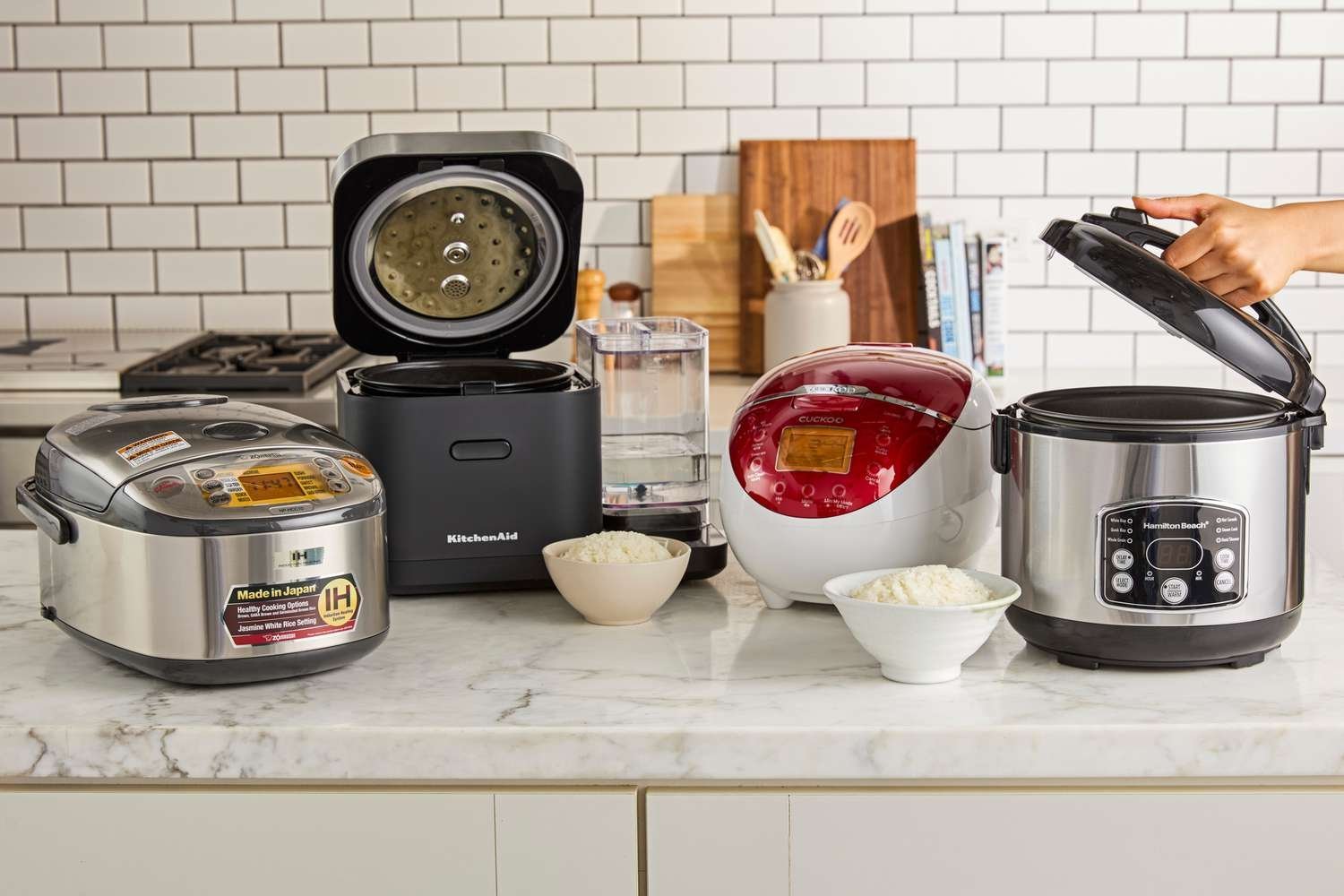
You’re likely looking for a slow cooker if you want to prepare large meals with little active work or if you need to soften tough cuts of meat over several hours. Some people choose a brand based on its reputation for long-lasting parts, while others prioritize modern features like programmable timers or locking lids for travel. This page serves the home cook who wants a machine that performs reliably and is safe to use. If you’re a professional chef looking for industrial-grade, multi-gallon equipment for catering, you should look for commercial-grade kitchen suppliers instead of standard consumer brands.
The assumption here is that you seek a standard household appliance with a capacity between four and seven quarts. If you need a device for very small batches or massive family gatherings, your pool of potential brands will shrink significantly.
Factors that change your results
The primary factor affecting your success is the actual heat output of the unit. While most slow cookers aim for a “low” setting of roughly 200°F and a “high” setting of 300°F, older models or cheaper, unbranded units can fluctuate wildly. This variance matters because if your unit doesn’t reach at least 140°F quickly, food spends too much time in the “danger zone” where bacteria grow rapidly.
Size relative to volume is the second factor. A slow cooker works best when it’s filled between one-half and three-quarters full. If you buy a massive eight-quart cooker but only ever cook for two people, your food will likely dry out or overcook before the center reaches the required temperature.
The third factor is the material of the insert. Ceramic inserts provide even, gentle heat but are heavy and can crack if subjected to sudden temperature changes, such as moving from a hot base to a cold countertop. Metal inserts are lighter and can often be used on a stovetop to sear meat first, but they may conduct heat differently than ceramic. Most people make the mistake of buying the largest model available, which costs them in energy efficiency and results in uneven cooking for smaller portions.
Steps for selecting your machine
- Identify your daily cooking volume by counting the number of people you serve; choose a four-quart model for two people, or a six-quart model for four to six people.
- Decide if you need a manual dial or a digital display; manual dials are less likely to fail over time, while digital displays offer precise “keep warm” timing.
- Inspect the lid seal; a tight-fitting glass lid is essential to trap moisture and heat, which ensures the contents cook evenly without drying out.
- Confirm the insert is removable; non-removable inserts are difficult to clean and pose a higher risk of water damage to the electrical base.
- Test the weight of the ceramic pot; it should feel solid and thick, as thinner ceramic is more prone to cracking under high heat.
- Verify the length of the power cord; it should reach your outlet without needing an extension cord, which can be a fire hazard with high-draw appliances.
The single judgment call that separates a smart purchase from a bad one is the presence of a “keep warm” setting. This feature prevents food from dropping into the danger zone after the cooking cycle finishes, which is crucial if you aren’t home exactly when the timer ends.
Comparison of popular cooker types
| Situation | Best Choice | Primary Benefit | Watch For |
|---|---|---|---|
| Daily family meals | Standard Crock-Pot | Reliability | Lid fit |
| Busy work schedule | Programmable Instant Pot | Auto-warm | Digital reset |
| Travel and parties | Locking Hamilton Beach | No spills | Seal wear |
| Basic budget cooking | Manual slow cooker | Simplicity | Heat cycles |
| Occasional large batches | Large-capacity oval | Volume | Space usage |
When selecting a model for daily family meals, prioritize a unit with a heavy ceramic insert. If the lid rattles during the simmer, you’re losing moisture and heat, which can increase the required cooking time. Always check that the lid sits flush against the rim before starting.
For busy professionals, the programmable Instant Pot is the standard. If you experience a power flicker, the unit may reset to standby mode. Always check the display for a flashing light when you return home; if it’s dark, your food has entered the danger zone for bacteria.
Travelers should avoid standard glass lids, which are prone to shifting. A locking Hamilton Beach model uses a rubberized gasket to prevent spills in your vehicle. Inspect the seal for cracks regularly; a brittle seal costs you a ruined car interior.
Budget-conscious cooks often choose manual models for their longevity. However, these units lack sensors, meaning they run at a constant temperature regardless of load. If you’re cooking a small portion in a large manual cooker, the edges will scorch. Use a smaller vessel inside the pot to regulate the heat.
Large-capacity oval cookers are ideal for batch cooking but demand significant counter depth. Measure your workspace before buying; if the unit overhangs your counter, the heat trapped underneath can warp your laminate or crack stone surfaces.
What separates a good result from a poor one
Preparing your ingredients
Experienced cooks always cut their ingredients into uniform sizes to ensure they finish cooking at the same time. Vegetables like carrots and potatoes take longer to soften than meat, so placing them at the bottom of the pot—closer to the heating element—is a standard technique for success. Beginners often toss everything in at once without considering the hierarchy of the pot, which leads to mushy meat and undercooked root vegetables.
Managing the cooking process
Good results come from leaving the lid alone. Every time you lift the lid to check the food, you lose heat and steam, which forces the slow cooker to work for an extra 15 to 20 minutes to return to a safe, stable temperature. If you must check the doneness of meat, do it only in the final hour of the cooking time. Using a digital meat thermometer is the only way to be certain; ground meat must reach 160°F, while whole cuts like pork or beef roasts should reach 145°F and rest for three minutes before serving.
Common issues and quick fixes
| What you notice | What it usually means | What to do first | How to stop it happening again |
|---|---|---|---|
| Food is undercooked | Unit is overloaded | Add more time | Fill only 3/4 full |
| Liquid is boiling | Heat setting too high | Switch to low | Use low setting |
| Meat is dry | Cooked too long | Add broth | Use timer settings |
| Ceramic pot cracked | Thermal shock | Discard pot | Let cool before washing |
| Base smells odd | Residue on element | Wipe base clean | Use liner bags |
Most users assume these units cook at a constant temperature, but they actually cycle power to maintain a target heat. If your meat turns out tough, you likely ignored the “low and slow” rule. High settings often exceed 200°F, which can lead to overcooking lean proteins. If you’re cooking a lean cut like chicken breast, always stick to the low setting to prevent moisture loss.
Thermal shock is the most expensive mistake you can make. A ceramic pot will shatter if you move it directly from a hot base to a cold sink. If you hear a faint ticking sound while the unit is cooling, the glaze is already stressed. Always let the vessel reach room temperature for at least 30 minutes before cleaning.
If your unit smells like burning plastic, check the base immediately. A single drop of sauce or a stray piece of onion can bake onto the heating element. If you see dark, carbonized spots, scrub them with a non-abrasive pad. If the smell persists, your internal wiring may be compromised, and you should stop using the appliance to avoid a fire hazard.
The rules that apply
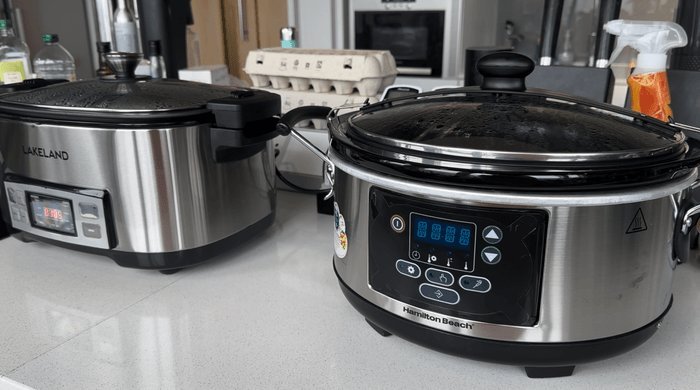
Electrical safety for kitchen appliances is governed by national standards. In the United States, the Consumer Product Safety Commission monitors reports of electrical faults or fire hazards associated with cooking appliances.
Always check the manufacturer’s manual for the specific wattage of your unit, as this dictates how much energy it pulls from your circuit. A standard 15-amp kitchen circuit typically supports 1,800 watts total. If your appliance exceeds 1,500 watts, plug it directly into a wall outlet rather than a power strip to prevent overheating.
If you notice the cord becoming hot to the touch or if the base shows signs of discoloration, stop using the device immediately. These physical cues indicate internal wiring degradation that a simple reset won’t fix. These appliances are designed for indoor use only and should never be placed near a sink or on an unstable surface.
If you’re outside the U.S., check your national consumer protection agency website for local standards regarding small kitchen appliances. Voltage requirements and plug types differ significantly by region. For instance, using a 120V U.S. appliance in a 230V European outlet without a heavy-duty step-down transformer will cause an immediate short circuit. If you’re unsure of your local voltage, check the label on the appliance base; it will state the compatible range.
What it costs you
The cost of a slow cooker varies based on the brand, capacity, and the complexity of the control panel. You can find entry-level manual units for a low price, while premium models with digital interfaces and locking lids typically cost more. Beyond the initial purchase, the real cost is the electricity used over time. Most slow cookers pull between 150 and 300 watts, which is significantly less than an oven, making them an efficient choice for long-duration cooking. The hidden cost is the maintenance of the ceramic insert; if you drop it, finding a replacement that fits your specific base model can be difficult or even impossible. Always compare the price of a replacement pot against the cost of a new unit before committing to a repair.
Keeping it right afterwards
Maintenance is simple but vital for the longevity of your machine. After every use, wash the ceramic insert with warm, soapy water and a non-abrasive sponge to avoid scratching the finish. Never submerge the electrical base in water, as this will destroy the heating element and void your warranty.
If you notice mineral deposits forming on the inside of the pot, boiling a mixture of white vinegar and water for 30 minutes can remove the buildup. For stubborn calcification, repeat this cycle twice. Always store the unit in a dry place with the lid slightly ajar to prevent trapped moisture from creating mildew.
If the rubber seal on the lid becomes brittle or cracked, replace it immediately to maintain the pressure and heat efficiency of your cook cycles. A faulty seal forces the heating element to work longer to maintain temperature, which can stress the internal components.
Test your seal by running a simple water-only cycle. If steam escapes from the rim before the timer starts, the gasket has lost its elasticity. Don’t wait for a complete failure. Replacing a ten-dollar ring now prevents a total unit replacement later. Keep the base cord loosely coiled to avoid fraying the internal wiring.
When this is the wrong approach
A slow cooker is the wrong tool if you need to sear meat for a deep, crusty exterior, as the low-temperature environment of a slow cooker can’t trigger the Maillard reaction. If your recipe requires a crisp skin or a browned surface, you should use a cast-iron skillet or a Dutch oven instead. Furthermore, if you’re attempting to cook delicate seafood like scallops or shrimp, a slow cooker will likely overcook them into a rubbery texture within minutes. For these items, use a stovetop method where you can control the temperature precisely. If you’re dealing with large quantities of meat that need to be cooked in under an hour, a pressure cooker is the superior alternative. Don’t attempt to modify a slow cooker for other uses, such as heating non-food items or using it as a space heater, as this creates a severe fire risk and voids any manufacturer safety guarantees.
Frequently asked questions
Can I leave a slow cooker on while I am at work?
Yes, you can safely leave a slow cooker on while at work, provided the unit is in good condition and placed on a flat, heat-resistant surface. Always ensure the cord isn’t stretched or dangling over the edge of the counter.
Does a slow cooker need water to cook?
Yes, a slow cooker needs a small amount of liquid, such as broth, water, or sauce, to create the steam necessary for cooking. Without liquid, the food will dry out, and the ceramic pot may crack from uneven heat.
How do I know if my slow cooker is too old?
You should replace your slow cooker if the power cord is frayed, the ceramic insert has visible cracks, or the internal heating element takes significantly longer than usual to reach a simmer. Check the manufacturer’s website for your specific model’s expected service life.
Is it safe to cook raw meat in a slow cooker?
Yes, it’s safe to cook raw meat in a slow cooker, provided the unit reaches the recommended temperature. Always verify the temperature with a food thermometer to ensure the meat reaches the safe internal temperature required for your specific cut.
Why is my food watery after slow cooking?
Wateriness happens because the lid traps all the steam, which can’t evaporate as it does in an open pot or oven. To fix this, reduce the amount of added liquid in your recipe or remove the lid for the final 30 minutes of cooking to let the sauce thicken.
Can I put frozen meat in a slow cooker?
No, you shouldn’t put frozen meat in a slow cooker. The meat will spend too much time in the danger zone while it thaws, which allows bacteria to multiply to unsafe levels before the cooking process actually begins.
What to do next
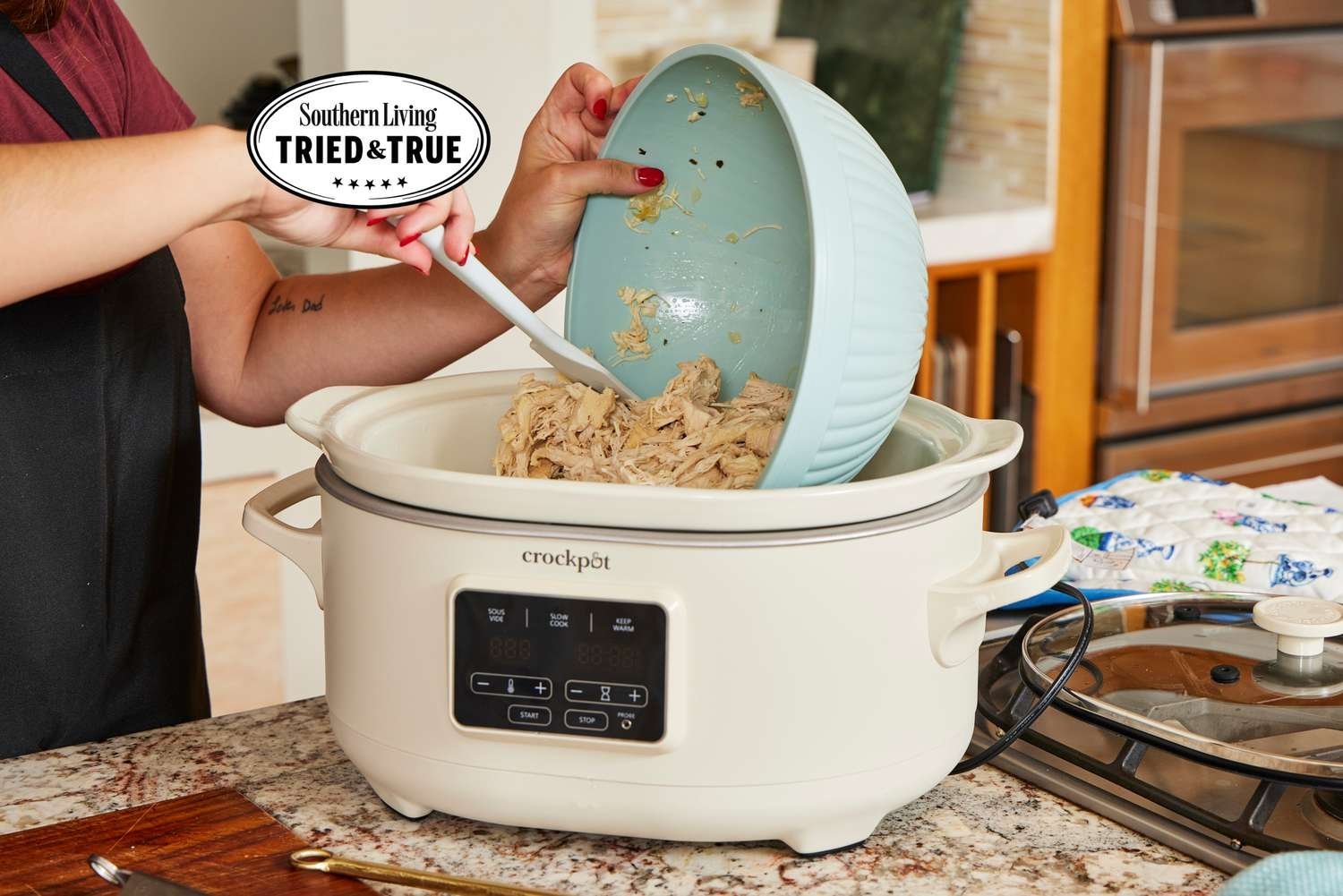
Start by measuring your counter space and identifying how many people you cook for on a regular basis. Most standard models require at least 15 inches of clearance to safely vent steam without damaging overhead cabinets. If you regularly cook for more than four people, prioritize a six-quart capacity or larger to avoid overcrowding, which leads to uneven heat distribution and mushy textures.
Choose a model that fits these physical and volume requirements, then check the manufacturer’s site for the warranty terms. Look specifically for coverage on the heating element, as this is the most common point of failure after two years of frequent use. If the unit arrives with a chipped ceramic pot or a damaged power cord, return it to the seller immediately rather than attempting to use it.
Brands slow, in short
A common mistake is assuming minor cosmetic cracks in the ceramic are harmless. In reality, these fissures expand under high heat, potentially causing the vessel to shatter mid-cycle. If you notice any structural imperfection, don’t test the device. Instead, document the damage with photos and contact customer support. This ensures you qualify for a free replacement rather than paying for expensive replacement parts later.
Related guides