
Recycled aggregates are processed mineral materials that have been previously used in construction or demolition projects. They’re made by taking waste concrete, brick, or asphalt, crushing it into smaller pieces, and removing contaminants like wood, metal, or plastic. This material is then sorted by size to be used again in new base layers, road foundations, or as drainage fill.
Defining recycled aggregates and their production
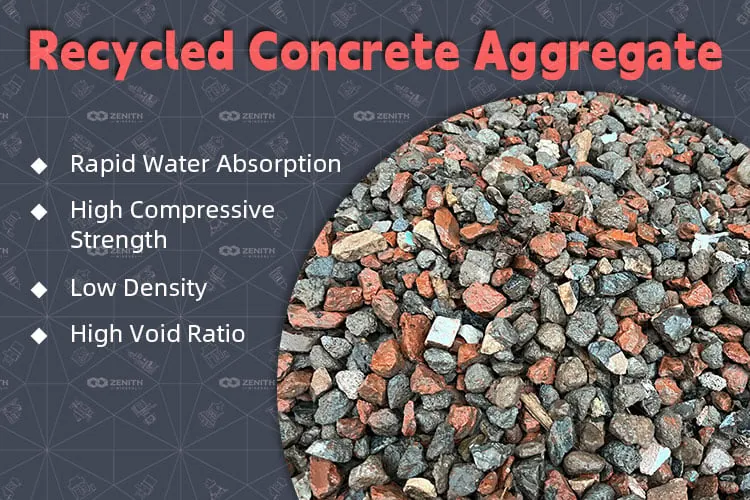
You can turn old buildings into useful resources by following a mechanical process of collection and refinement. When a structure is demolished, the debris is gathered rather than sent to a landfill. This debris consists primarily of concrete, masonry, and sometimes asphalt pavement.
The conversion process begins by separating the waste at the source to keep it clean. If you’re working with concrete, you must remove all steel reinforcement and wood pieces before processing. A magnetic separator is often used to pull out any remaining metal fragments that could weaken the final product.
Contamination is the primary reason recycled aggregates fail structural tests. If you find more than 1% of foreign material like plastic or gypsum in your pile, you must reject the batch for road base use. These impurities create voids that compromise load-bearing capacity.
After cleaning, the material enters a primary crusher. This machine reduces the large slabs into manageable sizes, usually between 2 and 4 inches. A secondary crusher then refines these pieces into specific grades, such as 3/4-inch stone or fine sand. This ensures the output meets the density requirements for modern construction standards. Always verify the moisture content before crushing; dry material prevents the secondary screens from clogging during the final sizing phase.
Why use salvaged materials
The primary goal of using these materials is to lower the environmental footprint of new projects. By reusing existing masonry, you reduce the need for virgin stone extraction from quarries. This saves energy because you avoid the fuel-heavy process of blasting and transporting new rock across long distances.
These materials also help manage landfill capacity in growing urban areas. When construction firms process debris on-site or at a nearby facility, they decrease the number of trucks needed for waste hauling. This lowers traffic congestion and reduces carbon emissions around the project site.
Another benefit involves the cost of raw materials. In many regions, the price of natural aggregate is rising due to limited availability. Recycled alternatives are often cheaper to procure if a processing site is located within a 20-mile radius of the job. If your project is further away, the high cost of transport might make virgin stone a better financial choice.
Variations in material performance
| Situation | What changes | What to do instead |
|---|---|---|
| High-traffic roads | Load bearing needs | Use virgin aggregate |
| Wet environments | Drainage requirements | Use washed gravel |
| Structural concrete | Chemical purity | Use certified new stone |
| Garden paths | Aesthetic preference | Use decorative river rock |
| Temporary sites | Budget constraints | Use recycled asphalt |
Virgin aggregate resists crushing under heavy axle loads, whereas recycled materials often contain latent fines that settle unevenly. If you’re building a driveway for daily vehicle use, avoid recycled concrete; it will likely rut within two years.
In wet environments, washed gravel prevents the capillary action that traps moisture against foundations. If your site features clay soil, prioritize washed stone to ensure water moves away from the structure.
When pouring structural concrete, never substitute with reclaimed stone. Impurities like gypsum or organic debris can cause internal chemical reactions, leading to surface spalling or structural cracks.
If you’re choosing between decorative river rock and crushed stone, look at the slope. River rock is smooth and will roll underfoot on inclines steeper than ten degrees. Use angular crushed stone for any path that requires stable footing.
How to prepare and process debris
Collect the debris from the demolition site and segregate the concrete from wood, plastic, and metal. Contamination is the primary cause of structural failure in recycled aggregate. If you find more than 5% by weight of non-concrete material, the entire batch must be re-sorted.
Use a high-powered magnet to pull out all metal scraps, as these create weak points in the final mix. Feed the clean concrete into a primary jaw crusher to break down large slabs into chunks under 4 inches.
Pass the crushed material through a screening machine to separate different sizes, such as fines, 3/4-inch, and 1.5-inch stones. If your project requires high load-bearing capacity, prioritize the 3/4-inch fraction, as it compacts more densely than larger, irregular shapes.
Inspect the piles for any remaining organic materials like roots or soil. These must be removed, as they decompose over time and create voids. Test the density and moisture content of your pile to ensure it meets the EPA guidelines for road base applications. Aim for 95% of the maximum dry density during compaction to prevent future settling.
Common mistakes in material use
Mixing in too much dirt or clay prevents the aggregate from compacting properly, leading to structural sinking. If you can form a ball of material in your hand that stays together when squeezed, the clay content is too high for a stable base.
Failing to remove steel rebar causes rust streaks and surface spalling as the metal expands. Always use a magnet to sweep the area if you’re working with recycled demolition debris.
Using material with high organic content creates empty pockets as the matter rots away. If the pile smells like damp forest floor or contains visible leaves, don’t use it under load-bearing surfaces.
Assuming all recycled stone is identical leads to failure. Use crushed concrete for sub-base drainage, but choose clean, angular quarry stone for structural support.
Frequently asked questions
Is recycled concrete as strong as new stone?
Recycled concrete is highly effective for base layers, though it may have slightly lower strength than high-grade virgin granite. You should use it primarily for sub-bases, parking lots, and road foundations rather than for structural columns or beams. Always verify the compaction rate with a local engineer if you’re planning to build a heavy load-bearing surface.
How much does it cost to process these materials?
The cost is usually 10% to 20% lower than buying new stone, assuming the processing site is local. If you have to haul the debris more than 30 miles, the fuel costs for transport will quickly cancel out any savings from the material itself. Check local quotes from nearby crushing facilities to see if the distance makes sense for your budget.
Can I use recycled asphalt for my driveway?
You can use recycled asphalt as a base or a finished driveway surface because it contains bitumen that helps it bind together. It’s much easier to work with than loose gravel and creates a more stable, dust-free surface. Ensure you use a heavy vibratory plate compactor to press it down firmly while it’s still warm or freshly laid.
How do I know if the material is clean?
You can visually inspect the pile to ensure there are no visible pieces of wood, glass, or plastic larger than 1 inch. Clean aggregate should look like crushed grey stone with a consistent size profile. If you see significant amounts of soil or debris, the material won’t compact well and isn’t suitable for high-quality construction projects.
Does it matter where the concrete came from?
It matters greatly because concrete from old buildings might contain lead paint or asbestos that requires special handling. You must source your material from reputable recycling centers that certify their debris is free from hazardous contaminants. Never accept concrete from demolition sites where the history of the building is unknown or unverified.
How long does recycled aggregate last?
Recycled aggregate lasts as long as natural stone when installed in a proper base layer. Its lifespan depends on how well you compact the material and ensure proper drainage underneath. If water is allowed to pool under the aggregate, it will eventually lose its structural integrity regardless of whether it’s recycled or new.
Conclusion
Using these materials requires a careful eye for quality control during the sorting phase. If you take the time to remove contaminants, you gain a reliable, sustainable product that saves money and protects the environment. Always check your local building codes before starting your project to ensure you’re meeting the specific density requirements for your planned site.
