
The best way to fill your hot tub in winter is to run the hose through a heated garage or use a commercial hose heater, keeping water moving at all times to prevent freezing inside the pump or plumbing before it reaches the shell.
Who this winter fill guide serves
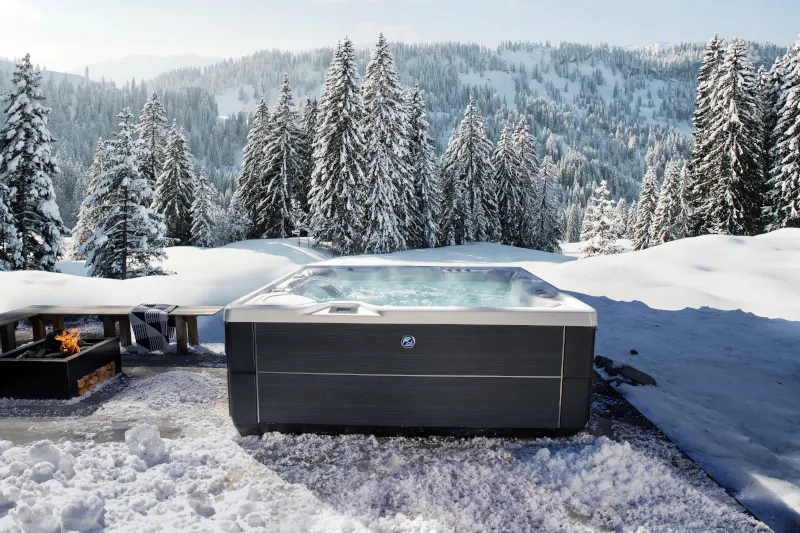
This page helps homeowners who own a standard residential spa and face temperatures below 32°F (0°C). You likely have a garden hose and want to fill your unit without calling a professional for every refill.
You might be replacing lost water after a storm or filling a new tub before the first season. This guide assumes you have access to a standard outdoor faucet and a basic garden hose. It doesn’t cover commercial spas, large pools, or situations where you lack any power source nearby.
If your local water authority has shut off outdoor taps due to extreme cold, this method won’t work for you. You must check your specific municipal rules if you’re unsure about water access. Many people make the mistake of leaving their hose connected overnight when a freeze warning is issued.
A single night of sub-freezing air can turn that line into a solid block of ice, bursting the pipe at the wall connection. Repairing a frozen supply line is inexpensive relative to replacing the burst pipe and fixing the resulting water damage. If the temperature drops below 28°F, disconnect the hose immediately and drain it completely back toward the house.
You’re also not covered here if your spa requires a specialized filtration system that can’t run on city pressure alone. Some high-end models need a booster pump to reach operating levels within a reasonable time. If your owner’s manual specifies a minimum flow rate of 10 gallons per minute, don’t attempt this with a standard 5/8-inch hose. Instead, rent a temporary pump from a local hardware store or wait for a professional service call.
Finally, this advice applies only if your faucet is located inside an insulated garage or protected by a frost-proof design. An exposed spigot on the north side of your home may already be frozen even if the air feels mild. Test the tap before attaching anything; if no water flows after thirty seconds, stop immediately.
Forcing water through a partially frozen valve can crack the internal seat, leading to a slow leak that wastes hundreds of gallons daily. When in doubt, trace the pipe path visually. If you see no insulation wrapping the exterior section, assume the line is vulnerable and seek an alternative water source.
What changes your result
The air temperature decides how fast the water cools as it travels down the hose. If the air is near freezing, the water can turn to ice inside the hose within minutes, blocking the flow entirely. You need to know your lowest expected overnight temperature to choose the right protection level. The distance from your spigot to the tub matters just as much as the cold.
A long hose loses more heat than a short one because the water travels through more cold-exposed length. Measure your hose length; anything over 50 feet needs extra insulation or a heater. The type of water source also shifts the strategy. Hot tap water enters warmer but costs more, while cold tap water freezes faster unless you add external heat. Most people get the hose length wrong by assuming their current setup works year-round.
Steps to fill safely
- Check your local weather forecast for the next 48 hours and note the lowest expected temperature.
- Inspect your garden hose for cracks or leaks that could let cold air in or cause bursts.
- Run the hose through a heated space like a garage or basement if possible, keeping only the end outside.
- Connect an inline hose heater to the middle of the hose line if you can’t route it indoors.
- Turn on the faucet fully and let the water run until it flows steadily into the tub.
- Keep the water moving continuously; never stop the flow once the hose is full of water.
- Fill the tub to the manufacturer’s recommended level, usually marked inside the shell.
- Turn off the water immediately once the level is reached to prevent overflow.
- Disconnect the hose carefully and drain any remaining water from it to prevent freezing inside.
- Wait for the pump to prime and circulate the water before adding chemicals.
The single judgement call here is knowing when to stop filling if the flow slows down. If the water stream becomes weak or sputters, ice is forming in the hose. Stop immediately, disconnect the hose, and clear the blockage before trying again. Don’t force the water through a frozen line, as this can damage your pump or burst the hose. If your area requires a licensed plumber for winter connections, stop here and call a pro.
Variations at a glance
| Situation | Action to take | Time/Effort needed | Watch out for |
|---|---|---|---|
| Mild winter (above 35°F) | Use standard hose directly | Low effort, 30 mins | Sudden frost at night |
| Freezing temps (below 32°F) | Use inline heater or indoor route | Medium effort, 45 mins | Hose freezing mid-fill |
| Long hose (over 50 ft) | Add foam insulation wrap | High effort, 1 hour | Heat loss over distance |
| No electricity nearby | Use hot tap water source | Low effort, 40 mins | Higher water bill cost |
| New tub installation | Fill slowly with circulation | Very high effort, 2 hrs | Air pockets in lines |
| Extreme cold (below 10°F) | Call professional installer | Zero DIY effort | Risk of total freeze-up |
Details pros get right
Preparation and routing
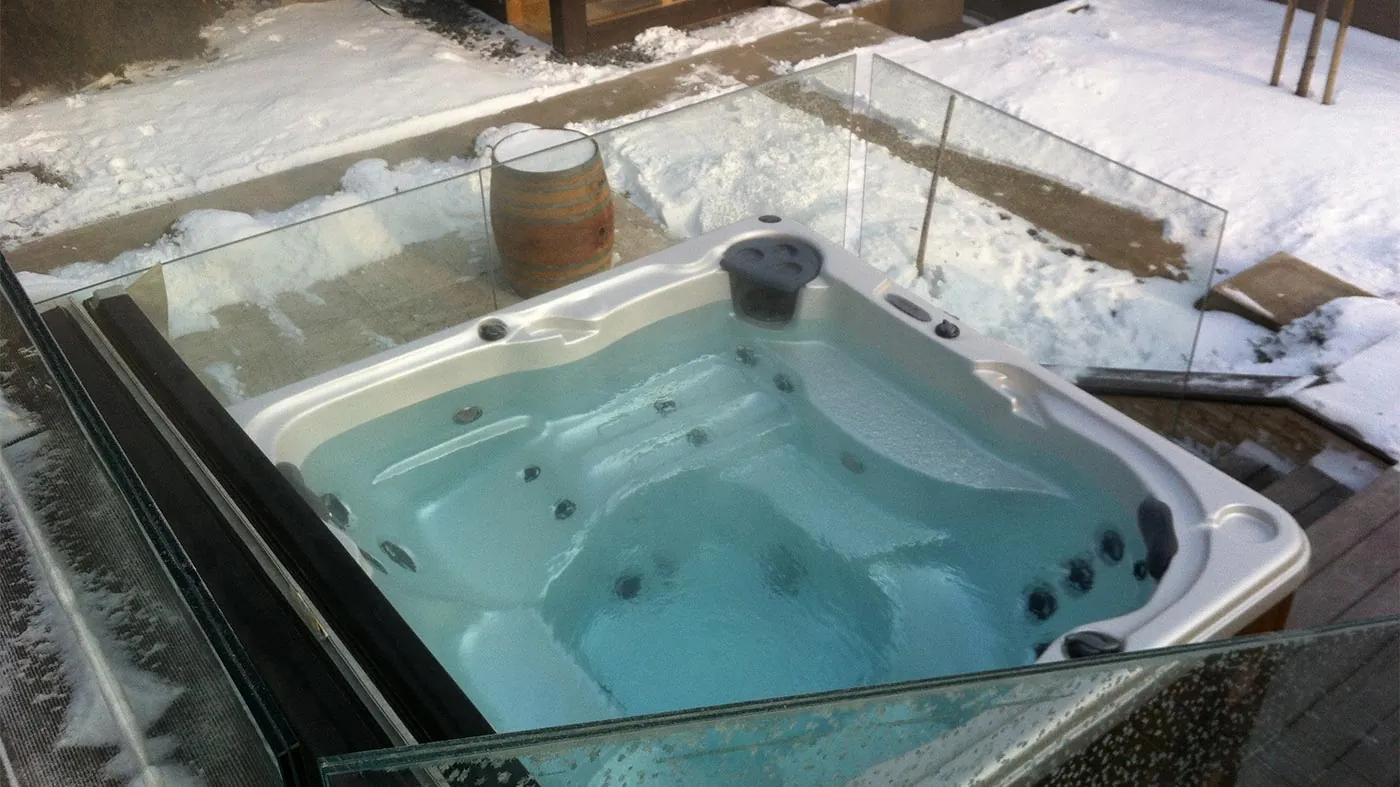
Experienced owners plan the hose path before the water turns on. They measure the distance and ensure the hose doesn’t sag into snowdrifts where it can trap cold water. They often lay the hose flat on the ground rather than letting it hang, which reduces surface area exposed to wind. Beginners often drape the hose over fences or railings, creating cold spots where ice forms quickly. A straight, tight line moves water faster and keeps it warmer.
Monitoring the flow
Pros watch the water stream constantly for changes in pressure or speed. They listen for gurgling sounds that indicate air or ice bubbles entering the system. If the flow drops even slightly, they act immediately to clear the line. Novices often wait until the water stops completely, which means the ice blockage is already solid. Checking the hose by touch every few minutes helps spot freezing early. Never ignore a drop in flow rate; it’s the first sign of trouble.
Problems and quick fixes
| What you notice | What it usually means | What to do first | How to stop it happening again |
|---|---|---|---|
| Water flow stops | Ice block in hose | Disconnect and thaw hose | Use inline heater next time |
| Hose feels hard | Frozen water inside | Wrap with warm towels | Insulate hose with foam |
| Slow dripping | Partial freeze forming | Increase water pressure | Shorten hose length |
| Pump makes noise | Air in lines | Let pump run briefly | Prime lines before filling |
| Water sprays back | Pressure surge | Turn off faucet gently | Install pressure regulator |
Rules you must follow
Local building codes often require specific backflow prevention devices on outdoor faucets.
A hose bib vacuum breaker screws directly onto the faucet threads. A pressure-type device installs inside the pipe behind the wall. You need the pressure type if your spigot sits below the grade of any connected irrigation line.
Your city may mandate that outdoor hoses be drained completely after use to prevent freezing pipes. Always check your municipality’s website for winter water usage rules. Some areas ban filling large containers during drought conditions, regardless of the season.
Draining means more than turning off the tap. You must disconnect the hose so air replaces the water trapped between the valve and the nozzle. Leaving a hose attached keeps the spigot pressurized even when the indoor shut-off is closed.
If you’re unsure about local plumbing codes, contact your city’s public works department directly. Never bypass safety valves or remove backflow preventers to speed up the process. Doing so can void your insurance and break local laws.
Homeowners often pull off a stiff vacuum breaker to fill a pool faster. That small brass fitting is usually the only thing separating your drinking water from fertilizer runoff in the yard.
Insurance adjusters look for missing backflow devices after a contamination claim. If one was removed, they will deny coverage for both the plumbing repair and the resulting property damage.
Real costs involved
Filling a hot tub in winter costs more money and time than in summer. Using an inline heater adds electricity expense, though it remains inexpensive relative to hiring professional filling services. Hot tap water increases your utility bill significantly compared to cold water.
The main cost is time; you can’t leave the hose unattended, so you must stay present for the whole process. Always compare the cost of a service call against the risk of damaging your equipment yourself. Prices change daily, so check current rates on your utility provider’s site.
Keeping it safe later
Once filled, keep the water circulating to prevent freezing inside the plumbing. Run the jets for at least 15 minutes every day, even if you don’t use the tub. Cover the tub tightly with an insulated lid to retain heat. Check the water level weekly, as evaporation happens faster in dry winter air. Top up with warm water if the level drops below the skimmer.
If you see ice forming on the surface, don’t chip it away with sharp tools. Instead, increase the heater setting or run the jets to melt it naturally. Monitor the filter for debris that can clog the system during cold snaps.
A common mistake is assuming a closed cover alone prevents freezing; without circulation, water near the pipes can still drop below 32 degrees Fahrenheit and burst lines. If your temperature drops below 40 degrees, run the jets for 30 minutes instead of 15.
When adding water after a freeze event, never use boiling water, which can crack acrylic shells. Use hot tap water around 110 degrees to raise the temperature gradually. If the pump makes a grinding noise, stop immediately to avoid burning out the motor on frozen bearings.
In regions where temperatures stay below zero for more than three days, consider draining the suction lines entirely if you can’t maintain constant circulation. This extra step costs time but saves thousands in pipe replacement. Always verify the heater is actually running by feeling the outlet pipes; if they’re cool while the thermostat is set high, the unit has likely failed and needs professional repair before the next storm.
When not to try this
Don’t attempt to fill your tub if the temperature is below 10°F (-12°C) without professional help. In these conditions, the risk of bursting pipes or damaging the pump is too high for a DIY approach.
If your outdoor faucet is located in an uninsulated wall, the pipe itself may freeze before water reaches the hose. Touch the exterior wall near the spigot after dark. If it feels as cold as the ambient air, that line lacks protection.
You should also skip this if you can’t stay home for the entire filling process. Unattended filling in winter almost always leads to frozen hoses or overflowing water.
A standard garden hose holds enough standing water to freeze solid within twenty minutes once you shut off the flow. That ice plug expands and splits the rubber from the inside. Always detach the hose immediately after filling and drain it completely on a slope.
In these cases, call a certified hot tub technician who has the right equipment. They can use specialized heaters and monitor the system remotely.
Homeowners often assume running warm water through the hose prevents freezing during the fill. It only delays the inevitable while raising your heating bill significantly. Safety comes first; don’t risk expensive repairs to save a small fee.
Related guides
- Can I Use an Outdoor Thermometer in Winter? Expert Advice in 2026
- 5 Best Inflatable Hot Tub for Winter Picks for Cold Weather in 2026
- 5 Best Thermostats for Bosch Heat Pump Systems: Our Top Picks in 2026
Frequently asked questions
Can I fill my hot tub with cold water in winter?
Yes, but only if you use an inline heater or route the hose through a warm space. Cold water freezes quickly in the hose, causing blockages that can damage your pump. Without heat, the water will turn to ice before it reaches the tub.
How long does it take to fill a tub in winter?
It takes about 45 to 90 minutes, depending on your water pressure and hose length. Cold weather slows the flow, so allow extra time compared to summer fills. Never rush the process to avoid freezing issues.
Is it safe to use a regular garden hose?
Only if the hose is rated for winter use and you protect it from freezing. Standard vinyl hoses crack easily in cold temperatures. Use a reinforced rubber hose designed for low temperatures.
What happens if the hose freezes while filling?
The water flow stops, and ice blocks the line, potentially damaging your pump if you force it. You must disconnect the hose and thaw it before continuing. Forcing water through ice can burst the hose.
Does it matter if I use hot tap water?
Yes, hot tap water enters the tub warmer and freezes slower, but it costs more money. Cold tap water is cheaper but requires more protection to prevent freezing. Choose based on your budget and local rates.
How often should I check the water level?
Check the level at least once a week during winter months. Evaporation and splashing lower the water level faster in cold, dry air. Low water can expose the pump and cause overheating.
First steps to take now
Start by checking your local weather forecast for the next 48 hours and measuring your hose length against the distance to the fill point. Measure your hose precisely: if it exceeds 100 feet, you’ll lose up to 30 percent of your water pressure due to friction, meaning a standard garden hose can’t reach deep tanks efficiently. In this case, switch to a booster pump or use two hoses connected with a quick-coupler adapter designed for high flow.
Expect the fill to take longer than usual and never leave the area unattended. If flow slows or stops, shut off the source immediately rather than increasing pressure. Going forward, inspect your inlet screen regularly to prevent clogs.