
Choosing between a water softener and reverse osmosis depends on what you want to remove from your pipes because a water softener treats hard minerals while reverse osmosis filters out almost everything. If you have hard water that leaves scale on your faucets, you need a softener; if you want to remove chemicals or heavy metals for drinking, you need reverse osmosis. The only exception is if your water is both hard and contaminated, in which case you should install both systems in a series.
Comparing home water treatment systems
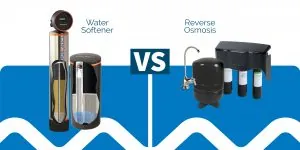
These systems do very different things for your home. A softener uses ion exchange to swap calcium and magnesium for sodium, which prevents soap scum and pipe buildup. A reverse osmosis system pushes water through a semi-permeable membrane to strip away dissolved solids like lead, fluoride, and arsenic.
| Method | How long | Effort | Cost | Best for |
|---|---|---|---|---|
| Water Softener | 10-15 years | Medium | Medium | Whole-house scale |
| Reverse Osmosis | 3-5 years | Low | High | Pure drinking water |
| Carbon Filters | 6-12 months | Low | Low | Taste and odor |
If you have extremely high mineral levels, a softener is the only way to protect your water heater and appliances. If you live in an area with high levels of heavy metals, a reverse osmosis system is the only way to ensure your drinking water is clean.
Managing water hardness with a softener
A water softener works by running water through a tank filled with resin beads. These beads are coated in sodium ions. As hard water passes through, the beads grab the calcium and magnesium and release the sodium.
If your water tests above 7 grains per gallon, you need a softener to prevent scale buildup in your pipes and water heater. Below 3 grains, you likely don’t need one at all.
Pour 40 pounds of salt pellets into the brine tank. Set the regeneration cycle to run based on your water usage, usually once every 7 to 10 days. Check the salt level monthly to ensure the brine tank remains at least half full.
Never let the salt level drop below the water line. If you see water sitting on top of the salt, you have a salt bridge, which prevents the system from cleaning the resin. Break this bridge with a broom handle to restore flow.
Softening is excellent for protecting your plumbing from hard water crust and making your soap lather better in the shower. However, it doesn’t make water safe to drink if there are bacteria or chemical contaminants present. You must follow the EPA guidelines on local water quality to determine if you need additional filtration beyond just softening. If your source is a private well, test for iron bacteria annually, as these organisms can foul the resin beads and ruin the unit.
Removing contaminants with reverse osmosis
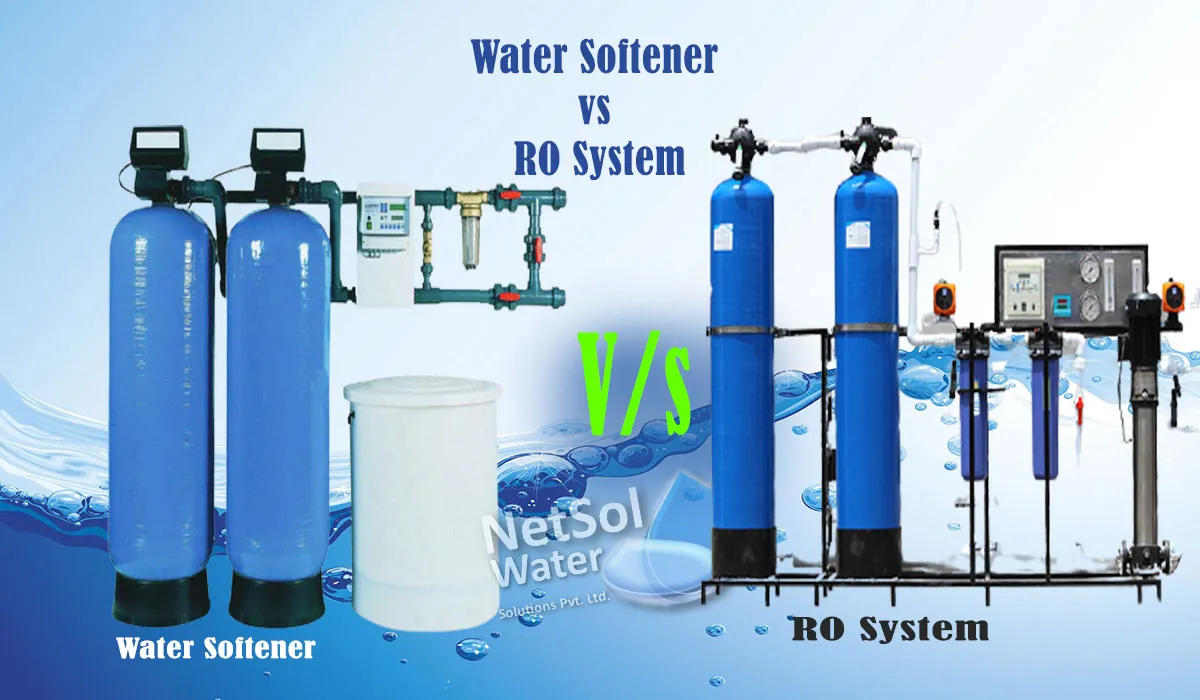
Reverse osmosis systems force water through a semi-permeable membrane. This barrier contains pores roughly 0.0001 microns in size, which block heavy metals and dissolved salts while allowing only pure water molecules to pass.
Install a sediment pre-filter first to trap sand and rust. Without this, large particles will clog the membrane pores within weeks, forcing you to replace the expensive core prematurely.
Connect the membrane housing to the cold water line only. Hot water will permanently warp the membrane material, rendering the entire system useless.
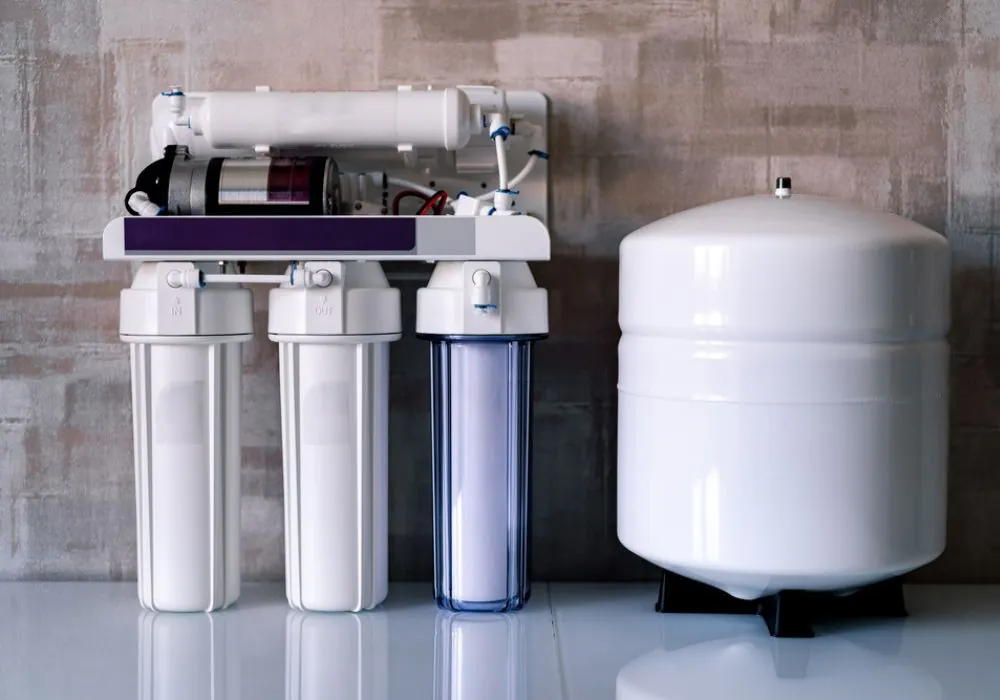
Attach the storage tank to ensure steady pressure. If your home water pressure is below 40 PSI, the system will fail to force water through the membrane, leaving you with a constant trickle of waste rather than purified water.
Replace the pre-filters every 6 months to prevent chlorine breakthrough. Chlorine acts as an oxidizing agent that degrades the membrane surface, causing it to leak contaminants. Swap the actual membrane every 2 years regardless of flow rate.
This process removes lead, arsenic, and nitrates effectively. However, it generates significant waste. For every gallon of pure water produced, expect 3 to 4 gallons to flow down the drain. If your local water is exceptionally hard, this ratio often climbs higher, potentially shortening the lifespan of your drainage pipes due to mineral buildup.
Improving water quality with carbon filtration
Carbon filters use activated charcoal to trap organic compounds and chlorine. This is a simple, cost-effective way to improve the smell and taste of your tap water without complex plumbing.
Shut off the water supply to the sink area. Screw the filter housing onto the existing cold water line. Flush the system for 5 minutes after installation to remove carbon dust. Change the filter cartridge every 6 to 12 months.
If your water turns cloudy or the flow rate drops significantly before the six-month mark, the filter is likely clogged with sediment. Replace it immediately to prevent pressure buildup.
These filters are great for removing chlorine taste, but they can’t remove dissolved minerals or heavy metals. If you have very hard water, these filters won’t stop the scale from forming in your pipes. They’re best used as a secondary treatment for taste rather than a primary solution for safety.
If you’re dealing with lead, arsenic, or high nitrate levels, a carbon filter is insufficient. In those cases, verify your local water quality report and invest in a certified reverse osmosis system. Relying solely on carbon to treat heavy metal contamination creates a false sense of security that leaves your household vulnerable to toxic exposure.
Choosing between water softener and reverse osmosis
When you’re in a hurry and need an immediate fix for chlorine taste, a carbon filter is the best choice because it installs in minutes. Most units attach directly to your faucet or sit under the sink, requiring only a wrench and basic plumbing tape.
If you’re doing this for the first time, a water softener is often the best project to start with because it protects your entire home infrastructure from hard water damage. You can verify the need for one by checking for white, chalky buildup on your showerheads or faucets. If these deposits appear within a week of cleaning, your water hardness likely exceeds seven grains per gallon, making a softener essential to prevent premature water heater failure.
If you want the best possible result for your health regardless of the cost, installing a reverse osmosis system for your drinking water is the gold standard. These systems remove up to 99 percent of dissolved solids, including lead and fluoride.
The trade-off is between whole-home protection and point-of-use purity. A softener covers every tap in the house but doesn’t remove toxins, while reverse osmosis provides the cleanest water possible but is limited to one or two faucets.
If you try to run your whole house through a reverse osmosis system, you’ll find the flow rate is too slow for showers and laundry. Most households require at least three gallons per minute for a shower, a volume that standard residential reverse osmosis membranes can’t sustain.
Rules for all water systems
Regardless of the method you choose, you must test your water first using a certified lab kit to identify the specific contaminants present. Don’t rely on generic regional reports. You need a specific breakdown of your home’s lead, arsenic, and hardness levels to select the correct filtration media.
Check your local plumbing codes before starting. Some municipalities mandate that a licensed professional perform any work on the main supply line. If you ignore these codes, you risk voiding your home insurance or causing a cross-connection that could contaminate the municipal supply. A cross-connection fine can exceed $5,000 in some jurisdictions.
Monitor system pressure after installation to ensure you haven’t created a leak. If you see a sudden drop in pressure, check for clogged filters first. If the pressure remains low after a filter change, your flow restrictor is likely obstructed by sediment.
Keep a maintenance log on the side of your unit to track when you last replaced the media or salt. Forgetting these tasks leads to mineral buildup or degraded water quality. If your water starts to taste metallic or develops an odor, you have already waited too long to perform your scheduled service.
Frequently asked questions
Can I drink softened water?
Yes, you can safely drink softened water, though it will have a slightly higher sodium content. The amount of sodium added depends on your water hardness; for most homes, the increase is negligible compared to a daily diet. If you’re on a strictly low-sodium diet for medical reasons, you should talk to your doctor or use a reverse osmosis system to remove the extra salt from your drinking water.
How long does a water softener last?
A high-quality water softener remains functional for a significant period with regular maintenance. The longevity depends on the quality of the resin beads and how often the system has to regenerate. If your water is extremely hard, the system works harder and may need replacement sooner. Check your manufacturer’s manual for the specific expected lifespan of your model.
Is it safe to use reverse osmosis for the whole house?
No, it isn’t practical to use reverse osmosis for the whole house because the process is too slow. A typical system produces only a few gallons per hour, which is nowhere near enough to run a shower or a washing machine. Most people install these systems only under the kitchen sink to provide clean water for drinking and cooking while leaving the rest of the house on standard water.
What happens if I don’t change the filters?
If you don’t change your filters, the system will eventually clog and stop producing water. In some cases, a dirty filter can actually start releasing trapped contaminants back into your water supply. You should always change your filters according to the manufacturer’s schedule to keep the water flowing clearly. If you notice a change in taste or a drop in flow, replace the filter immediately regardless of the date.
How much water does reverse osmosis waste?
A standard reverse osmosis system wastes 3 to 4 gallons of water for every 1 gallon it purifies. This ratio changes based on the water pressure in your home and the temperature of the incoming supply. If you have low water pressure, your system might waste even more water as it struggles to push liquid through the membrane. You can check your specific model’s efficiency rating in the user manual.
Conclusion
Proper maintenance is the most important factor in keeping your water treatment system effective for its entire lifespan. You should set a recurring reminder on your calendar to check your salt levels and change your filters on time. If you notice leaks or unusual noises, contact a professional plumber to inspect the connections before the issue causes water damage to your home.