

Credit: totvalve.com
Common Valve Sizes
Choosing the right toilet shut-off valve is important. Many sizes exist. Most homes use standard sizes. Understanding these helps you buy the correct part. This avoids leaks and ensures proper function. Let’s explore common valve sizes.
3/8 Inch
This is a very common size. Many toilets use this valve. It connects the water supply line. The connection is usually to the tank. It’s a reliable choice for many.
7/16 Inch
Some older toilets have this size. It is less common now. You might find it in some homes. Always check your existing valve. This ensures a good match. Do not guess. Measure carefully.
1/2 Inch
This larger size is also used. It allows more water flow. Some newer or high-efficiency toilets use it. It can be found in some sinks too. Confirm the size before you buy. A proper fit prevents problems.
Valve Types By Connection
Understanding toilet shut-off valve sizes is crucial. It ensures a proper fit. Connections are a key factor. Let’s explore valve types by connection.
Compression
Compression valves use a nut. It tightens around a ferrule. This creates a watertight seal. No soldering is needed. It is a common DIY choice. You can easily install them.
Sweat
Sweat valves require soldering. Copper pipes are common. You heat the fitting. Solder melts and seals it. This makes a strong connection. Professional installation is often best. It needs specific tools.
Push-to-connect
Push-to-connect valves are simple. They work with copper or PEX. You just push the pipe in. A special mechanism grips it. This provides a secure seal. No tools are required. They are very user-friendly.
Choosing The Right Size
Selecting the correct shut-off valve size is crucial. A valve that is too small restricts water flow. A valve that is too large may not fit correctly. Proper sizing ensures your toilet operates smoothly. It prevents leaks and water damage. You need to know the right valve size for your toilet.
Measuring Existing Valve
You can measure your current valve. Look at the connection points. These are where the pipes meet. Measure the diameter of these points. Use a tape measure or ruler. This gives you an approximate size. Note down the measurement carefully. This helps you find a matching replacement.
Checking Toilet Supply Line
Your toilet’s supply line matters. It connects the valve to the toilet tank. The supply line has a specific size. Most standard lines are 3/8 inch. This is a common connection size. Ensure the new valve matches this size. This guarantees a secure fit. Avoid mismatched sizes. This prevents leaks.
Consulting A Plumber
Unsure about valve size? A plumber can help. They have the expertise needed. They can identify the correct size. They can also install it properly. This ensures no future problems. A professional touch is valuable. They make sure everything works right. It is a good investment.
:max_bytes(150000):strip_icc()/under-sink-shut-off-valves-2718738-hero-208b0ff6ed1e4f77a131087c5093ea0c.jpg)
Credit: www.thespruce.com
Valve Material Matters
Choosing the right valve material is crucial. Standard toilet shut off valves commonly come in 3/8 inch or 1/2 inch sizes. Proper sizing ensures a secure and leak-free connection.
The material of your toilet shut-off valve is important. It affects durability and performance. Different materials offer unique benefits. Consider these common options.Brass
Brass is a popular choice. It is strong and lasts long. Brass resists corrosion well. It can handle water pressure. Many plumbers prefer brass.Plastic
Plastic valves are affordable. They are lightweight and easy to install. Some plastic is very durable. They do not rust. They are a good budget option.Chrome-plated
Chrome-plated valves look nice. They offer some corrosion resistance. The plating adds a shiny finish. This material is often brass underneath. It provides a balance.When To Replace
Know when to replace your toilet shut-off valve. Common sizes include 3/8″ and 1/2″. A leaking or stiff valve needs attention.
Your toilet shut-off valve needs attention. Old valves cause problems. Replacing a faulty valve saves water. It prevents costly damage. Consider replacement now.Signs Of Wear
Corrosion appears on the valve. Rust forms. You see green or blue stains. These indicate metal decay. The valve feels weak. It looks old.Leaks
Water drips from the valve handle. A steady drip is bad. It wastes water. It can stain your floor. Leaks mean damage. Address leaks quickly.Difficulty Operating
The valve is hard to turn. It sticks. It feels stiff. Forcing it may break it. A working valve turns easily. It moves smoothly. Don’t force a stuck valve. Replace it instead.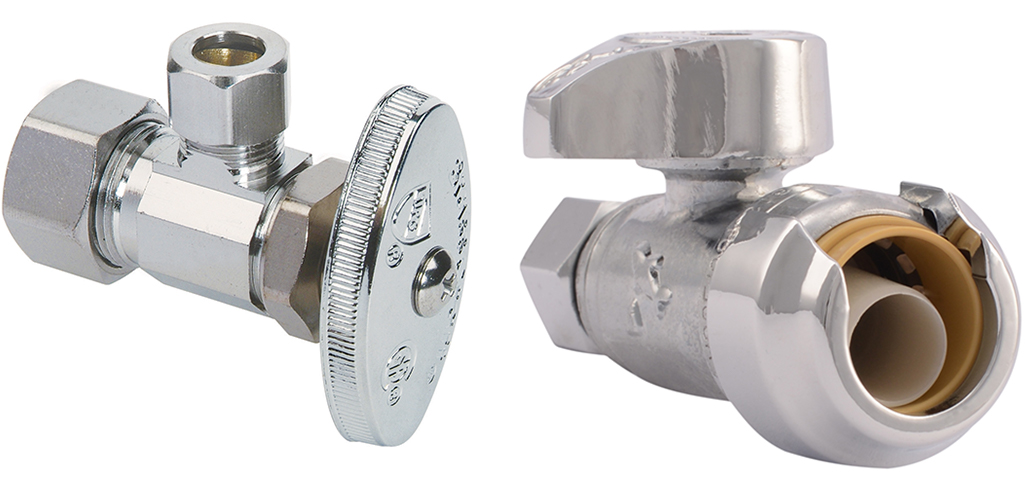
Credit: www.homedepot.com
Frequently Asked Questions
What’s The Standard Toilet Shut-off Valve Size?
Most toilet shut-off valves are 1/2 inch. This is the most common size found in homes. It connects the water supply line to the toilet tank.
Are There Different Types Of Toilet Shut-off Valves?
Yes, several types exist. Ball valves and angle stops are common. Compression and push-to-connect fittings are also used.
What Is A 3/8 Inch Shut-off Valve Used For?
A 3/8 inch valve is less common for toilets. It’s often used for smaller fixtures. Think of faucets or ice makers.
How Do I Measure My Toilet Shut-off Valve Size?
Look at the valve itself. The size is usually stamped on it. You can also measure the pipe diameter.
What If My Valve Size Is Unusual?
Unusual sizes might need special parts. You may need to check plumbing supply stores. Sometimes, adapters can help.
Can I Change A Toilet Shut-off Valve Myself?
Yes, with basic tools. Turn off the main water supply first. Then, unscrew the old valve. Install the new one carefully.
When Should I Replace My Toilet Shut-off Valve?
Replace it if it leaks. If it’s hard to turn, replace it. Also, replace if it looks corroded. A new valve prevents water damage.
Conclusion
Choosing the right toilet shut-off valve matters. Common sizes are 3/8 inch. Some older homes might have 1/2 inch valves. Always check your existing valve first. Measure the pipe diameter. This ensures a proper fit. A correct valve prevents leaks.
It makes repairs easier. Get the right size. Your toilet will thank you.