
Are you trying to decide between a salt water or chlorine pool for your backyard? It’s a choice that affects your comfort, maintenance, and even your skin.
Both options have their fans, but which one really suits your lifestyle? You’ll discover the key differences, benefits, and drawbacks of salt water versus chlorine pools. By the end, you’ll feel confident making the best decision for your home and your family’s enjoyment.
Keep reading to find out what you need to know before you take the plunge!
Pool Sanitizing Basics
Keeping pool water clean and safe is important for every swimmer. Pool sanitizing removes germs and keeps water clear. Two main methods exist: salt water systems and chlorine pools. Each uses a different way to kill bacteria and keep pools healthy.
Understanding these basics helps pool owners choose the right method. Here’s how salt water and chlorine pools work, plus what common contaminants they fight.
How Salt Water Systems Work
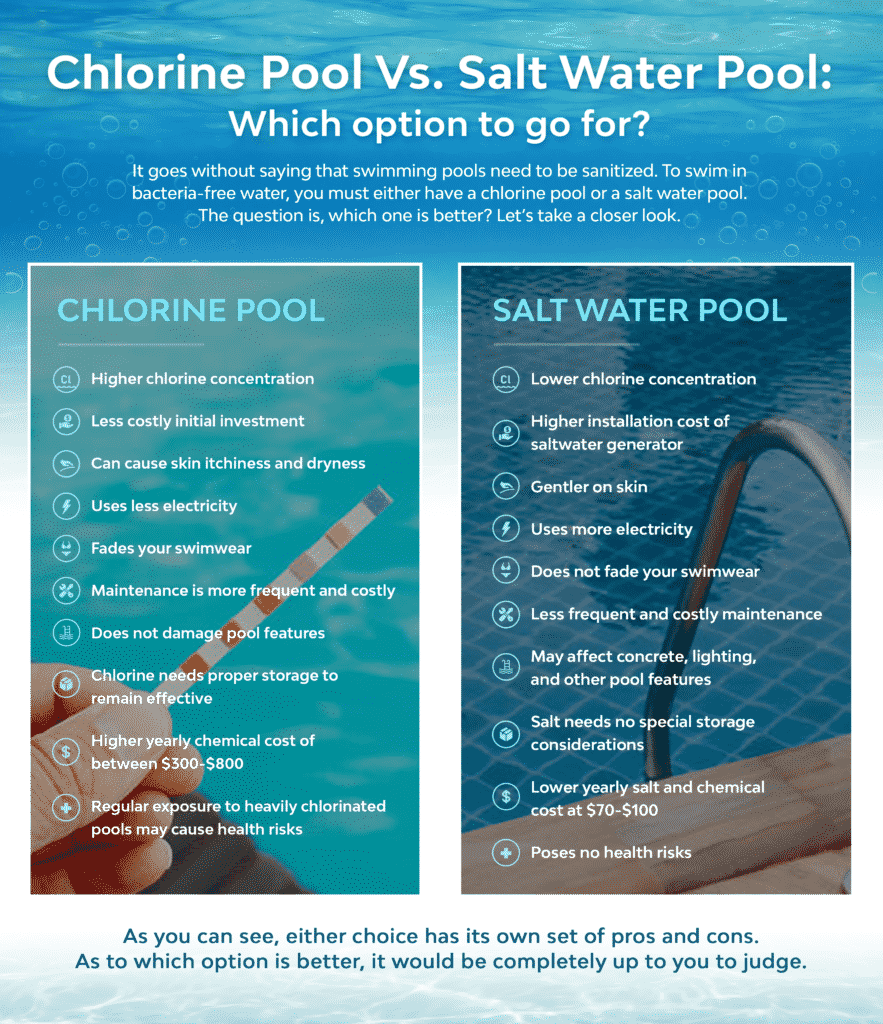
Salt water pools use salt to create chlorine naturally. The system has a salt cell that turns salt into chlorine gas. This gas dissolves in water and kills germs. The chlorine level stays steady with less need for adding chemicals. Salt water feels softer on the skin and eyes.
How Chlorine Pools Operate
Chlorine pools use chemicals to kill bacteria directly. Pool owners add chlorine tablets or liquid to the water. The chlorine breaks down germs and stops algae from growing. It needs regular testing and adjustment. Chlorine pools require more hands-on care but work fast to sanitize.
Common Pool Contaminants
Pools face many contaminants daily. Dirt, sweat, and body oils enter the water. Bacteria and viruses can spread from swimmers. Algae grows if water is not treated well. Leaves and insects also fall into pools. Sanitizing systems remove these to keep water safe and clean.
Health And Safety Factors
Health and safety play a big role in choosing between salt water and chlorine pools. Both types affect the body differently. Knowing these effects helps you pick the safer option for swimming.
Effects On Skin And Eyes
Salt water pools often cause less irritation to skin. The salt can soothe dryness and reduce redness. Chlorine pools may dry out skin and cause itchiness. Eyes can sting more in chlorine pools. Salt water pools usually feel gentler on eyes.
Impact On Respiratory Health
Chlorine can release strong fumes. These fumes might irritate the throat and lungs. People with asthma may find chlorine pools harder to breathe in. Salt water pools have fewer strong chemicals in the air. This can make breathing easier around salt water pools.
Chemical Exposure Risks
Chlorine is a strong chemical used to kill bacteria. Too much chlorine can harm skin and lungs. Salt water pools use less harsh chemicals. They generate chlorine naturally but in smaller amounts. This lowers the risk of chemical burns or reactions.
Maintenance And Upkeep
Maintaining a pool means regular care and attention. Salt water and chlorine pools differ in their upkeep needs. Knowing these differences helps keep your pool clean and safe.
Routine Cleaning Requirements
Chlorine pools need frequent chemical checks and adjustments. You must test chlorine levels several times weekly. Salt water pools require fewer chemical tests. Salt cells still need cleaning to remove buildup. Both pools need regular skimming and vacuuming. Removing leaves and debris keeps water clear.
Equipment Durability
Salt water can corrode some pool parts faster. Salt systems often require special equipment made for salt. Chlorine pools use standard equipment, which can last longer. Pumps and filters need regular inspection and care. Proper maintenance extends the life of both systems.
Cost Of Chemicals And Supplies
Chlorine pools need regular purchases of chlorine tablets or liquid. Salt water pools use salt, which lasts longer and is cheaper. Salt water systems can have higher upfront costs. Chemical costs for salt pools tend to be lower over time. Balancing costs helps decide which pool type suits you.
Environmental Impact
Choosing between salt water and chlorine pools affects the environment in several ways. Understanding these impacts helps make smarter choices for nature and your backyard.
Water Usage And Waste
Salt water pools often require less water refilling than chlorine pools. This is because salt systems keep water balanced longer. Chlorine pools need frequent water changes to control chemicals. Less water waste means saving a valuable resource. Salt pools can reduce the total water used over time.
Chemical Runoff Concerns
Chlorine pools release more chemicals into the environment. Chemicals like chlorine can harm plants and animals in nearby soil and water. Salt water pools produce fewer harmful chemicals. Salt can still affect soil, but it breaks down more naturally. Managing chemical runoff is easier with salt water systems.
Energy Consumption
Salt water pools use energy to run salt chlorinators. These devices convert salt into chlorine automatically. Chlorine pools require manual chemical additions but use less electricity. Salt chlorinators may increase energy use slightly. Efficient models help keep energy costs down. Pool owners should consider energy use before choosing.
Initial Setup And Expenses
Choosing between salt water and chlorine pools starts with understanding setup and costs. These factors affect your budget and time before swimming. Knowing what each system needs helps you make a smart decision.
Installation Process
Salt water pools need a salt chlorine generator. It attaches to your pool’s pump and filter system. This device turns salt into chlorine. Installation can take a day or two. A professional usually does the job for safety.
Chlorine pools use standard filters and pumps. You add chlorine manually or with a feeder. Installation is simpler and quicker. Most pools already have the right setup for chlorine.
Upfront Costs Comparison
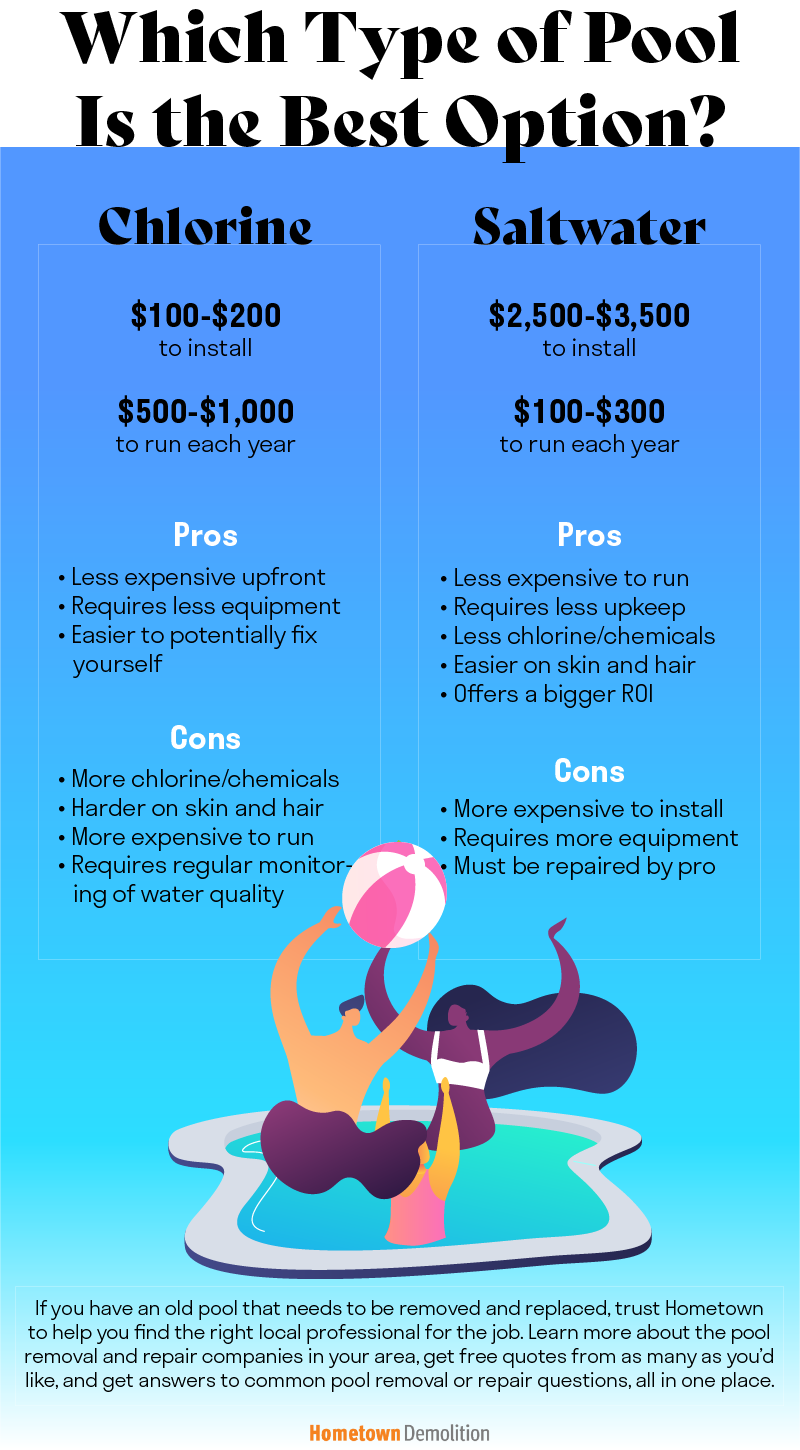
Salt water systems cost more at first. The salt chlorine generator can be pricey. Also, you need to buy enough salt for your pool. Salt itself is cheap but needs a large amount.
Chlorine pools have lower initial costs. You just need basic equipment and chlorine supplies. The setup fits most budgets easily. This makes chlorine pools popular for new owners.
Long-term Investment
Salt water pools save money over time. Salt is cheaper than buying chlorine regularly. The generator needs replacement every 5 to 7 years. Repairs can add to costs but are rare.
Chlorine pools require constant chlorine purchase. This adds up over months and years. No big equipment to replace, but costs stay steady. The choice depends on how you balance upfront and ongoing expenses.

Credit: www.magnapool.com
Water Quality And Comfort
Water quality and comfort are key factors in choosing between salt water and chlorine pools. Clean water makes swimming more enjoyable. Comfort affects how often people want to swim.
Both salt water and chlorine pools have strengths. Understanding their differences helps pick the right option for your pool.
Feel And Clarity Of Water
Salt water pools feel smoother and softer on the skin. The water is less harsh than traditional chlorine pools. Chlorine pools can sometimes cause dry skin or itchiness. Salt water pools offer a more natural feel. Both pool types can have clear water. Proper maintenance keeps the water sparkling and clean.
Odor And Taste Differences
Chlorine pools often have a strong chemical smell. This odor can be unpleasant for swimmers. Salt water pools usually have little to no smell. The taste of salt water pools is mild. Chlorine pools may taste bitter or sharp. Many swimmers prefer the fresher scent of salt water pools.
Algae And Bacteria Control
Chlorine is effective at killing algae and bacteria fast. It keeps pools safe and clean. Salt water pools produce chlorine naturally but in lower amounts. This helps control algae and bacteria gently. Both systems require regular checks to keep water healthy. Clean water reduces the risk of skin and eye irritation.
Troubleshooting Common Issues
Maintaining a pool is not always easy. Both salt water and chlorine pools have their own issues. Knowing how to fix common problems can save time and money. This section covers typical troubles and how to handle them.
Salt System Problems
Salt systems sometimes stop making chlorine. Check the salt level first. Low salt means less chlorine. Clean the salt cell if it looks dirty. Scale and debris block the cell. Test the water’s pH and alkalinity. Imbalanced water can harm the system. Electrical issues may also cause failure. Resetting or replacing parts might help.
Chlorine Pool Challenges
Chlorine pools can smell strong or irritate skin. Too much chlorine causes this. Test chlorine levels regularly. Sunlight breaks down chlorine fast. Add stabilizer to protect it. Cloudy water often means poor filtration. Clean or replace filters. Algae growth signals low chlorine. Shock the pool to clear it. Watch for stains on the pool surface. These often come from metals in water.
When To Call A Professional
Some problems need expert help. Electrical or mechanical failures can be risky. Persistent water balance issues may require testing tools. If algae returns after treatment, call a pro. Problems with the pump or heater should be fixed by experts. Professionals can save your pool from damage. Don’t delay if you feel unsure.
Credit: katchakid.com
Choosing The Right System
Choosing the right pool sanitation system depends on several important factors. Your lifestyle, budget, and local environment all play roles in this decision. Each system has its strengths and fits different needs. Understanding these key points helps you pick the best option for your pool.
Lifestyle And Usage Considerations
Think about how often you use your pool. Salt water systems offer a softer swim experience and require less skin irritation care. Chlorine systems can handle heavy use but may cause dryness or irritation. Consider how much time you spend maintaining your pool. Salt systems often need less frequent chemical adjustments. Chlorine systems may need daily checks and additions.
Budget And Long-term Savings
Initial costs vary between salt water and chlorine systems. Salt water setups usually cost more upfront due to equipment. Chlorine systems are cheaper to install but involve ongoing chemical expenses. Over time, salt water systems can save money by reducing chemical purchases. Calculate both short-term and long-term costs before deciding.
Local Climate And Water Conditions
Climate affects pool maintenance needs. Hotter areas may increase chlorine demand. Salt water pools often handle heat better and stay balanced longer. Water quality also matters. Hard or alkaline water may require special care with chlorine. Salt water systems can help balance pool chemistry in some regions. Check your local water reports before choosing.
Credit: www.hometowndemolitioncontractors.com
Frequently Asked Questions
What Is The Main Difference Between Salt Water And Chlorine Pools?
Salt water pools use salt to create chlorine naturally, while chlorine pools add chlorine directly. This changes how water feels and smells.
Which Pool Type Is Safer For Sensitive Skin And Eyes?
Salt water pools are gentler on skin and eyes due to lower chlorine levels. Chlorine pools may cause more irritation.
How Often Do Salt Water Pools Need Chemical Maintenance?
Salt water pools require less frequent chemical balancing than chlorine pools. Salt cells still need regular cleaning to work well.
Do Salt Water Pools Cost More To Install Than Chlorine Pools?
Salt water pools usually have higher upfront costs due to special equipment. Over time, they may save money on chemicals.
Can Salt Water Pools Prevent Algae Growth Better Than Chlorine Pools?
Both pool types control algae, but salt water pools provide steady chlorine levels. Proper maintenance is key for either pool.
Conclusion
Salt water and chlorine both keep pools clean and safe. Salt water feels softer on the skin and eyes. Chlorine works fast and kills germs quickly. Each has its own costs and maintenance needs. Choose what fits your budget and lifestyle best.
Think about comfort, care, and pool use. Both systems can give you a clear, fresh pool. Enjoy swimming with peace of mind.