
Choosing the right material for your project can feel overwhelming. You want something strong, durable, and easy to maintain, but with so many options—concrete, fiberglass, vinyl—it’s hard to know which one fits your needs best.
What if you could quickly learn the key differences and benefits of each? This guide will help you make a confident choice that saves you time, money, and hassle. Keep reading to discover which material matches your goals perfectly.
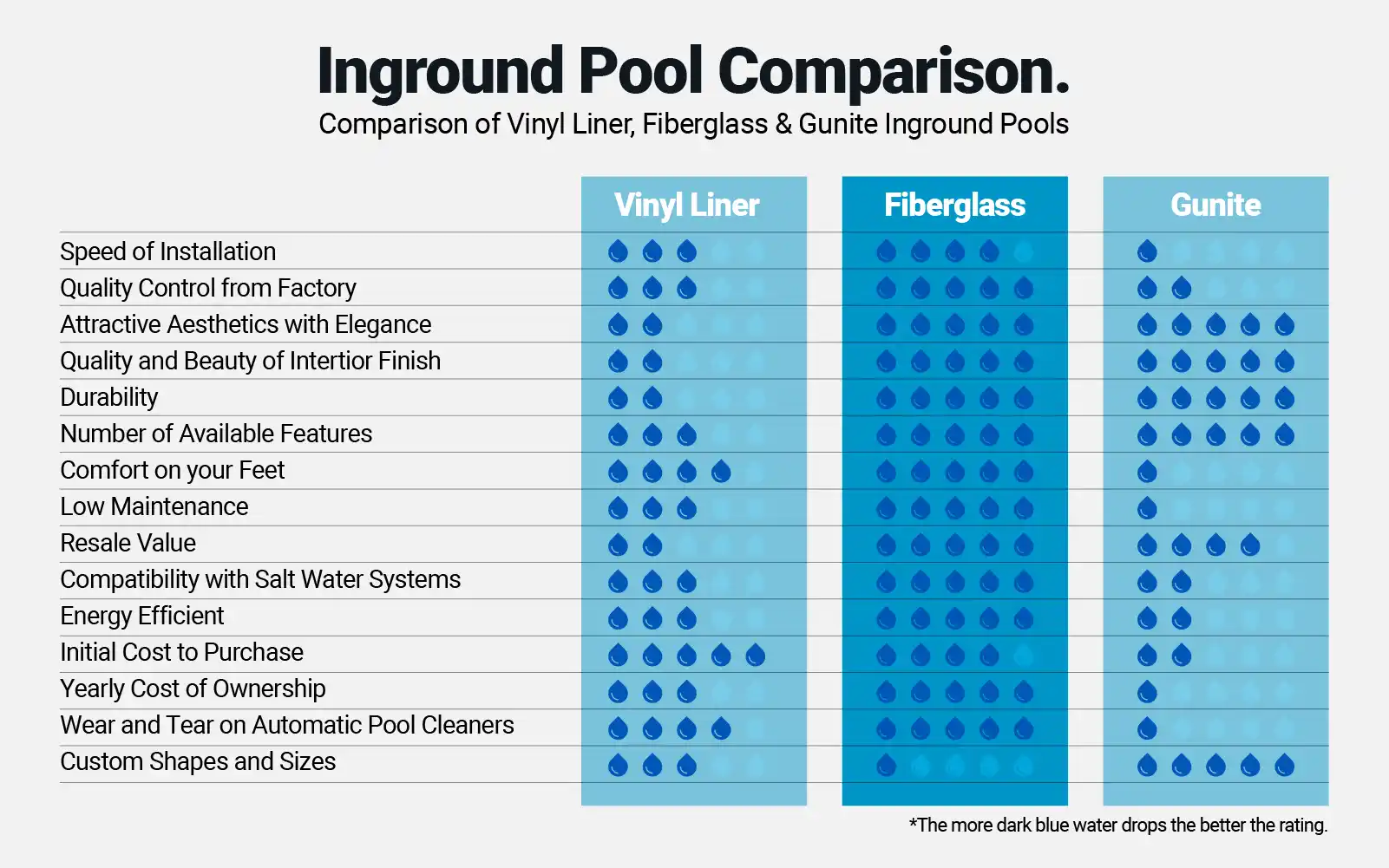
Credit: leisurepoolsusa.com
Material Basics
Choosing the right material affects your project’s look and durability. Concrete, fiberglass, and vinyl each have unique qualities. Knowing these basics helps you decide.
Each material suits different needs and budgets. Let’s explore the core properties of these popular options.
Concrete Properties
Concrete is strong and heavy. It lasts for many years without damage. It can handle harsh weather well. The surface feels hard and solid. Concrete requires some maintenance to avoid cracks. It can be customized with colors and textures. This material keeps its shape under pressure. It is good for large, permanent installations.
Fiberglass Features
Fiberglass is lightweight and sturdy. It resists rust and corrosion easily. The surface is smooth and shiny. Fiberglass holds heat well, keeping water warm. It is easy to install and move if needed. This material needs less maintenance than concrete. It does not crack easily. Fiberglass fits well in many designs.
Vinyl Characteristics
Vinyl is flexible and light. It is affordable and easy to clean. The surface feels soft and smooth. Vinyl resists stains and fading over time. It can be installed quickly without heavy tools. This material works well in cold and warm climates. Vinyl is less durable than concrete or fiberglass. It is a good choice for budget projects.

Credit: www.browningpools.com
Durability And Longevity
Durability and longevity matter a lot when choosing between concrete, fiberglass, and vinyl. Each material offers unique strengths and weaknesses. Understanding these helps to pick the right option for your needs. This section explains how long each material lasts and how strong it is.
Concrete Strength
Concrete is very strong and heavy. It can handle a lot of weight and pressure without breaking. It resists weather changes and harsh conditions well. Cracks can appear over time but fixing them is easy. Properly maintained concrete pools can last 25 years or more.
Fiberglass Resilience
Fiberglass is tough and flexible. It resists cracks and scratches better than concrete. It does not fade easily under sunlight. Fiberglass pools usually last 20 to 30 years. They require less maintenance, which helps keep them durable for a long time.
Vinyl Durability
Vinyl is softer than concrete or fiberglass. It can tear or puncture if not careful. The vinyl liner needs replacement every 7 to 15 years. Vinyl pools are less durable but cost less upfront. Proper care can extend the life of a vinyl pool.
Installation Process
The installation process varies widely across concrete, fiberglass, and vinyl pools. Each material requires unique steps and time frames. Understanding these differences helps you plan better and avoid surprises.
Concrete pools need a strong foundation and precise shaping. Fiberglass pools come as one piece and need careful handling. Vinyl pools use a flexible liner that fits inside a frame. Let’s explore the details.
Concrete Setup
Concrete pools start with digging a hole to the desired shape. Steel bars are placed inside to reinforce the pool walls. Next, concrete is sprayed or poured over the steel frame.
The surface is smoothed and left to cure for several weeks. This process can take over a month to finish. After curing, the pool is plastered and filled with water.
Fiberglass Installation
Fiberglass pools come pre-made in one large shell. The ground is excavated to fit the pool size exactly. Crushed stone or sand is spread on the base to level the surface.
The pool shell is then lowered into the hole using a crane. After placement, the space around the pool is filled and compacted. Plumbing and electrical connections are installed before filling with water.
Vinyl Placement
Vinyl pools need a frame built from steel or polymer. The hole is dug according to the pool’s shape and size. Walls are assembled, then a pool floor is installed inside the frame.
A flexible vinyl liner is carefully spread over the floor and walls. The liner is secured and smoothed to avoid wrinkles. Water is added slowly to hold the liner in place.
Maintenance Needs
Maintenance needs vary widely between concrete, fiberglass, and vinyl pools. Each type requires different care to stay clean and safe. Knowing what each material demands helps you keep your pool in top shape.
Concrete Care
Concrete pools need regular brushing to stop algae buildup. The rough surface can trap dirt easily. Frequent cleaning keeps water clear and healthy. Acid washing may be necessary every few years to remove stains. Concrete pools also need sealing to prevent cracks and leaks. This sealing protects the surface and extends pool life.
Fiberglass Upkeep
Fiberglass pools have a smooth finish that resists algae growth. Cleaning usually requires only mild detergents and a soft cloth. Avoid harsh chemicals that can damage the gel coat. Inspections for scratches or cracks help catch problems early. Fiberglass pools rarely need sealing or acid washing. This makes their maintenance simpler than concrete pools.
Vinyl Maintenance
Vinyl pools have liners that need gentle care. Avoid sharp objects to prevent tears or punctures. Clean the liner regularly with a soft brush and mild soap. Check the liner edges for any signs of peeling or damage. Vinyl liners often need replacement every 7 to 12 years. Proper care extends the liner’s lifespan and keeps water clean.
Cost Comparison
Cost is a major factor when choosing between concrete, fiberglass, and vinyl pools. Each material comes with different expenses upfront and over time. Understanding these costs helps make the best decision for your budget and needs.
Initial Expenses
Concrete pools generally cost the most to build. Their installation requires more labor and materials. Fiberglass pools usually have a moderate price. They are pre-made and quicker to install. Vinyl pools often have the lowest initial cost. The liner is less expensive, and installation is simpler.
Long-term Costs
Concrete pools need more maintenance over the years. They often require resurfacing and repairs. Fiberglass pools are easier to maintain. Their smooth surface resists algae growth. Vinyl pools may need liner replacement every 7 to 15 years. This can add to long-term expenses.
Value For Money
Concrete pools offer high durability and customization. This suits those wanting a permanent feature. Fiberglass pools balance cost and ease of upkeep well. Vinyl pools are budget-friendly but less durable. Consider how long you plan to keep the pool. Factor in maintenance and repair costs to find the best value.
Aesthetic Options
Aesthetic options play a big role in choosing pool materials. The look of your pool affects your yard’s overall style. Each material offers unique designs and finishes. These options help match your pool with your home and garden.
Concrete Designs
Concrete pools offer many design choices. You can create custom shapes and sizes. The surface can be smooth or textured. Concrete allows for a wide range of colors. Pebble, quartz, or tile finishes add luxury. You can build steps, benches, or waterfalls easily. The design possibilities are almost endless.
Fiberglass Styles
Fiberglass pools come in pre-made shapes. These shapes are sleek and smooth. They often have built-in steps and seats. The colors are limited but still elegant. Popular colors include blue, white, and gray. Fiberglass finishes shine and resist algae growth. The style is modern and clean.
Vinyl Looks
Vinyl pools offer flexible shapes and sizes. You can choose from many liner patterns. These range from simple solid colors to tile-like designs. Vinyl liners can mimic natural stone or ceramic tiles. The surface is soft and comfortable. Liners can be replaced to change looks easily. Vinyl pools blend well with any backyard style.
Environmental Impact
Choosing the right pool material affects the environment differently. Each option has unique impacts on natural resources and waste. Understanding these effects helps you make a better choice.
Concrete Footprint
Concrete pools require a lot of energy to produce. Cement, a key ingredient, releases carbon dioxide during manufacturing. This adds to greenhouse gas emissions. Concrete also uses significant water and raw materials. Yet, concrete pools last long, reducing the need for frequent replacement. Their durability can balance some environmental costs over time.
Fiberglass Sustainability
Fiberglass pools use less water and chemicals than concrete pools. They are made from glass fibers and resin, which use less energy to produce. Fiberglass pools come pre-made, lowering on-site waste. Still, fiberglass is not biodegradable and can be hard to recycle. Its production involves chemicals that may harm the environment. Proper disposal is important to reduce lasting impact.
Vinyl Eco Considerations
Vinyl pools have lighter environmental footprints in production. Vinyl liners require less energy and raw materials than concrete or fiberglass. However, vinyl is a plastic product made from petroleum. It can release toxins during manufacturing and disposal. Vinyl liners usually need replacement every 7 to 15 years. This creates more waste compared to other materials.

Credit: www.youtube.com
Common Uses
Concrete, fiberglass, and vinyl each serve different purposes in construction and design. Knowing their common uses helps in choosing the right material for your project. Each material offers unique benefits depending on the application. This section explains where each material fits best.
Concrete Applications
Concrete is strong and durable. It is used for building foundations, sidewalks, and driveways. Many homes have concrete patios and walls. Large structures like bridges and dams rely on concrete. It resists weather well, making it ideal outdoors. Concrete is also common in floors and stairs.
Fiberglass Uses
Fiberglass is lightweight and flexible. It is popular for boat hulls and car bodies. Many swimming pools use fiberglass shells for quick installation. It works well in roofing and insulation. Fiberglass is also found in pipes and tanks. It is resistant to rust and corrosion.
Vinyl Functions
Vinyl is affordable and easy to maintain. It is widely used for siding on homes. Vinyl windows and doors offer good insulation. Many fences are made from vinyl for low upkeep. It also works well in flooring and wall coverings. Vinyl is often chosen for its water resistance.
Pros And Cons Summary
Choosing the right pool material affects cost, maintenance, and durability. Each type has clear benefits and some limitations. Understanding these pros and cons helps make the best choice for your needs.
Here is a summary of concrete, fiberglass, and vinyl pool options. This guide highlights their main advantages and drawbacks in simple terms.
Concrete Advantages And Drawbacks
Concrete pools are very strong and long-lasting. They allow custom shapes and sizes easily. You can change the pool design later if needed.
They require more time and money to build. The surface can be rough and needs regular cleaning. Concrete pools often need resurfacing every 10 to 15 years. Algae growth may happen without proper care.
Fiberglass Benefits And Limitations
Fiberglass pools have a smooth finish that resists algae growth well. They install faster than concrete pools. Maintenance is simple and costs less over time. These pools are flexible and less likely to crack.
The shape and size are limited by factory molds. Repairs can be more difficult and costly. Fiberglass pools can be damaged by sharp objects.
Vinyl Strengths And Weaknesses
Vinyl pools cost less upfront than concrete or fiberglass. They have smooth surfaces and feel soft to touch. The installation process is faster and less disruptive. Vinyl liners are easy to replace if damaged.
Vinyl liners can tear or puncture easily. They usually last 7 to 15 years before replacement. The pool walls are less sturdy than concrete or fiberglass. Limited design options are available.
Frequently Asked Questions
What Are The Main Differences Between Concrete, Fiberglass, And Vinyl?
Concrete is heavy, strong, and long-lasting. Fiberglass is light, flexible, and easy to install. Vinyl is affordable, low-maintenance, and resistant to stains.
Which Material Lasts Longest For Pools And Outdoor Uses?
Concrete pools can last 25 years or more with good care. Fiberglass pools last about 20-30 years. Vinyl pools usually last 10-15 years before needing liner replacement.
How Do Costs Compare For Concrete, Fiberglass, And Vinyl?
Concrete pools are the most expensive due to materials and labor. Fiberglass pools cost less than concrete but more than vinyl. Vinyl pools are the most budget-friendly option.
Which Material Is Easiest To Maintain And Clean?
Vinyl pools need the least maintenance and resist algae growth. Fiberglass surfaces are smooth and also easy to clean. Concrete requires regular sealing and more upkeep.
Are There Color And Design Options For Each Material?
Concrete pools offer endless design and color choices through plaster and tiles. Fiberglass pools come in limited colors and shapes but smooth finish. Vinyl pools allow many liner patterns but fewer shapes.
Conclusion
Choosing between concrete, fiberglass, and vinyl depends on your needs. Concrete offers great strength and durability. Fiberglass is light and easy to shape. Vinyl provides low maintenance and good value. Think about your budget, style, and how long you want it to last.
Each material has its own benefits and drawbacks. Make a choice that fits your home and lifestyle. This way, you get the best for your space without extra hassle. Simple and smart decisions work best.