
When it comes to keeping your pool or drinking water safe, understanding chlorine is key. But did you know there are two types you should know about?
Total chlorine and free chlorine might sound similar, but they play very different roles in water safety. If you want to protect your health and maintain crystal-clear water, you need to know the difference. Keep reading, and you’ll discover what each type means, why it matters to you, and how to manage them both effectively.
Your water—and your peace of mind—depend on it.
What Is Total Chlorine
Total chlorine is a key measurement in pool and water safety. It shows the total amount of chlorine present in water. This includes both the active chlorine and the chlorine that has already reacted with contaminants.
Understanding total chlorine helps maintain clean and safe water. It ensures the water is disinfected properly and free from harmful bacteria and algae.
Definition Of Total Chlorine
Total chlorine is the sum of free chlorine and combined chlorine in water. Free chlorine actively kills germs. Combined chlorine forms when free chlorine binds with contaminants.
Why Total Chlorine Matters
Total chlorine reveals the overall chlorine level in water. It helps detect if chlorine is still effective. High total chlorine with low free chlorine means chlorine is used up.
How Total Chlorine Is Measured
Test kits or digital testers measure total chlorine. They detect both free and combined chlorine levels. Accurate measurement prevents health risks and water damage.
What Is Free Chlorine
Free chlorine refers to the chlorine available in water to kill germs. Total chlorine includes both free chlorine and combined chlorine, which is less effective. Understanding the difference helps keep water safe and clean.
What Is Free Chlorine?
Free chlorine is the part of chlorine in water that kills germs. It is the active sanitizer in pools and drinking water. This type of chlorine fights bacteria, viruses, and algae.
Free chlorine exists as hypochlorous acid (HOCl) and hypochlorite ion (OCl-). These two forms depend on the water’s pH level. Both forms work to keep water clean and safe.
Why Free Chlorine Matters
Free chlorine is important because it disinfects water effectively. It removes harmful microorganisms quickly. Without enough free chlorine, water can become unsafe.
Measuring free chlorine helps maintain the right balance. It shows how much chlorine is available to kill germs. This helps prevent illness and keeps pools clear.
How Free Chlorine Works
Free chlorine breaks down cell walls of bacteria and viruses. It stops their growth and reproduction. The process happens fast, making water safe to use.
The chlorine reacts with contaminants and turns into combined chlorine. Combined chlorine is less effective and can cause smell and irritation.
How Total And Free Chlorine Are Measured
Measuring total and free chlorine is key for safe water quality. Both types help control bacteria and other harmful substances. Understanding how they are measured helps maintain proper water balance.
Chlorine levels can be checked using simple tools or advanced devices. Each method shows different parts of chlorine in the water. Knowing the difference ensures better water treatment.
How Free Chlorine Is Measured
Free chlorine shows the amount of chlorine ready to kill germs. It is measured by adding a special chemical to the water sample. The chemical changes color based on chlorine levels. The deeper the color, the more free chlorine is present.
Test kits and digital meters both measure free chlorine. Test kits are cheap and easy to use. Digital meters give faster and more exact results. Both methods help maintain safe water.
How Total Chlorine Is Measured
Total chlorine includes free chlorine and combined chlorine. Combined chlorine forms when free chlorine reacts with dirt or sweat. Total chlorine is measured by adding a different chemical to the water. This chemical reacts with all chlorine types, changing the water color.
The color level shows total chlorine concentration. Comparing total and free chlorine helps find combined chlorine. This tells if water needs cleaning or more chlorine added.
Tools Used To Measure Chlorine Levels
Common tools include test strips, colorimeters, and digital testers. Test strips are dipped in water and change color. Colorimeters use light to detect chlorine levels. Digital testers give a number for easy reading.
Each tool varies in cost and accuracy. Choose one based on water type and testing frequency. Regular checks keep water safe and healthy.
Credit: sbcontrol.com
Role Of Chlorine In Water Treatment
Chlorine plays a vital role in water treatment. It helps make water safe to drink by killing harmful germs. This process protects public health and prevents waterborne diseases.
Chlorine also keeps water clean while it moves through pipes. It stops bacteria and algae from growing. This ensures water stays fresh from treatment plants to your tap.
Disinfection Of Harmful Microorganisms
Chlorine kills bacteria, viruses, and parasites in water. These microorganisms can cause illness. Chlorine breaks their cell walls and stops them from multiplying. This makes water safe for human use.
Oxidation Of Contaminants
Chlorine reacts with iron, manganese, and other chemicals in water. This changes these contaminants into particles that can be filtered out. Oxidation helps improve water clarity and taste.
Maintaining Water Quality In Distribution
Chlorine stays in water as it travels through pipes. This residual chlorine keeps killing germs that enter the system. It helps prevent new contamination before water reaches consumers.
Differences In Chemical Composition
Understanding the differences in chemical composition helps clarify total chlorine and free chlorine. Both are forms of chlorine but serve different roles in water treatment. Their chemical makeup influences how they work to keep water clean and safe.
Total Chlorine Composition
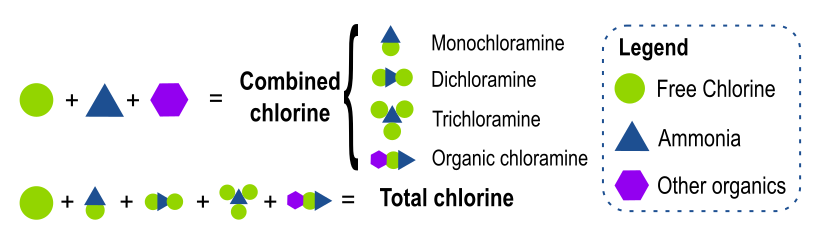
Total chlorine is the sum of all chlorine forms in water. It includes free chlorine and combined chlorine. Combined chlorine forms when free chlorine reacts with contaminants. This reaction creates chloramines, which are less effective for disinfection.
Free Chlorine Composition
Free chlorine consists of chlorine in its most active form. It includes hypochlorous acid (HOCl) and hypochlorite ion (OCl-). These compounds kill bacteria and viruses quickly. Free chlorine is the main disinfectant in pools and drinking water.
Chemical Behavior Differences
Free chlorine acts fast against germs. Combined chlorine is weaker and slower. Total chlorine measures both to show overall chlorine presence. The ratio of free to combined chlorine impacts water quality and safety.

Credit: www.ysi.com
Impact On Water Quality And Safety
Free chlorine kills harmful germs, keeping water safe for use. Total chlorine includes free chlorine and combined chlorine, which may affect taste and smell. Monitoring both helps maintain clean and safe water quality.
Understanding Water Safety Through Free Chlorine Levels
Free chlorine is the active form of chlorine that kills germs in water. It protects against bacteria, viruses, and other harmful organisms. Maintaining the right free chlorine level ensures water is safe to use and drink.
Too little free chlorine can let germs survive, causing health risks. Too much can irritate skin and eyes. Regular testing keeps free chlorine in the safe range.
The Role Of Total Chlorine In Water Quality
Total chlorine includes free chlorine and combined chlorine. Combined chlorine forms when free chlorine reacts with contaminants. It is less effective at killing germs and can cause bad smells.
High total chlorine often means water needs treatment. It signals the presence of contaminants and the need for fresh chlorine. Managing total chlorine helps maintain clear, safe water.
Balancing Free And Total Chlorine For Optimal Water Care
Keeping free chlorine high and combined chlorine low is key to clean water. This balance stops harmful bacteria and keeps water fresh.
Regular checks help spot changes in chlorine levels. Adjusting chlorine dose based on these checks improves water safety and quality. Proper balance protects health and prevents water problems.
Common Uses For Total And Free Chlorine
Total and free chlorine are essential for water safety and cleanliness. Each type has specific roles in many water treatment settings. Understanding their uses helps keep water safe and clear.
Total chlorine measures all chlorine forms in water. Free chlorine measures only the chlorine that actively kills germs. Both are important for effective water treatment.
Common Uses Of Total Chlorine
Total chlorine checks overall water treatment quality. It ensures enough chlorine is present to protect against bacteria. Water treatment plants often use total chlorine to monitor disinfection levels. It helps detect if chlorine has combined with other substances. This prevents harmful byproducts from forming in water. Total chlorine is also used in swimming pools to track overall chlorine presence. This helps maintain safe water for swimmers.
Common Uses Of Free Chlorine
Free chlorine directly kills bacteria and viruses. It is the active disinfectant in water systems. Water facilities test free chlorine to ensure water is safe to drink. Pool operators check free chlorine to keep water clean and safe. It prevents algae growth and harmful germs in pools. Free chlorine levels help decide when to add more chlorine. It ensures water remains properly disinfected.
Credit: www.kuntzeusa.com
Factors Affecting Chlorine Levels
Chlorine levels in water change due to several factors. These factors affect both total chlorine and free chlorine. Understanding these helps keep water safe and clean.
Chlorine reacts with many elements. This can lower the amount of free chlorine available for disinfection. Total chlorine includes all forms, but free chlorine shows the active part.
Water Temperature
Higher water temperatures speed up chlorine loss. Warm water causes chlorine to evaporate faster. Cooler water holds chlorine longer. This affects how much free chlorine remains active.
Sunlight Exposure
Sunlight breaks down chlorine quickly. UV rays destroy free chlorine in water. Pools in direct sunlight need more chlorine. Shade helps keep chlorine levels steady.
Organic Matter
Leaves, dirt, and sweat consume free chlorine. Chlorine binds with these materials, forming combined chlorine. This lowers free chlorine but increases total chlorine.
Ph Levels
Chlorine works best in slightly acidic water. High pH reduces chlorine’s disinfecting power. Balancing pH keeps free chlorine effective.
Water Circulation
Good water flow spreads chlorine evenly. Stagnant water allows chlorine to settle and fade. Proper circulation helps maintain steady chlorine levels.
Testing Methods For Chlorine Levels
Testing chlorine levels involves measuring total chlorine and free chlorine separately. Total chlorine includes both free chlorine and combined chlorine. Free chlorine is the active part that kills germs and keeps water safe.
Testing chlorine levels is key to keeping water safe and clean. It shows how much chlorine is in the water. This helps to balance the chemicals right.
There are different ways to test chlorine. Some methods check total chlorine. Others measure free chlorine only. Both are important for water quality.
Using Test Strips
Test strips are simple and quick. Dip a strip into the water and wait a few seconds. The strip changes color. Compare the color to the chart on the package.
Test strips measure both total and free chlorine. They are easy for home use. No special tools or skills are needed.
Colorimetric Test Kits
Colorimetric kits use liquid reagents. Add drops to a water sample. The water changes color based on chlorine levels. Match the color to a chart for results.
These kits give more accurate readings than strips. They can measure both total and free chlorine. Good for pools and drinking water testing.
Digital Chlorine Testers
Digital testers use sensors to measure chlorine. They give fast and precise results. Just place the sensor in water and read the display.
Digital testers can measure free chlorine easily. Some models also measure total chlorine. They cost more but offer high accuracy.
Troubleshooting Chlorine Imbalances
Chlorine imbalances can cause many problems in pools and water systems. Too much or too little chlorine affects water safety and clarity. Understanding how to troubleshoot these issues helps keep water clean and healthy. This section explains common causes and fixes for chlorine imbalances.
Troubleshooting Low Free Chlorine Levels
Low free chlorine means less disinfectant in the water. This can lead to algae growth and bacteria. Test your pool often to check free chlorine levels. Sunlight and heavy pool use can reduce chlorine fast. Add chlorine products in small doses to raise levels safely.
Identifying High Total Chlorine
High total chlorine shows many combined chlorine forms. These are less effective and can irritate skin and eyes. Combined chlorine builds up when free chlorine drops. Shocking the pool breaks down combined chlorine. Regular shocking keeps total chlorine balanced.
Balancing Free And Total Chlorine
Balance means free chlorine should be high, total chlorine low. This ensures clean, safe water. Test both levels with proper kits. Adjust chlorine doses based on test results. Keep filters clean and maintain water pH. Balanced water keeps swimmers healthy and pool clear.
Frequently Asked Questions
What Is The Difference Between Total And Free Chlorine?
Total chlorine measures all chlorine types in water, while free chlorine measures only the active disinfectant. Free chlorine is the part that kills germs. Total chlorine includes free chlorine plus combined chlorine.
Why Is Free Chlorine Important In Swimming Pools?
Free chlorine kills bacteria and keeps pool water safe to swim in. It prevents infections by removing harmful microbes. Maintaining free chlorine is key for clean, healthy water.
How Does Combined Chlorine Affect Water Quality?
Combined chlorine forms when free chlorine reacts with contaminants like sweat or urine. It causes a strong chlorine smell and eye irritation. High combined chlorine means water needs more treatment.
How Can I Test Total And Free Chlorine At Home?
Use a chlorine test kit with tablets or strips for easy testing. They show free and total chlorine levels in minutes. Testing helps keep water balanced and safe.
What Levels Of Total And Free Chlorine Are Safe?
Free chlorine should be 1 to 3 ppm for safe swimming water. Total chlorine should not be much higher than free chlorine. Large gaps mean combined chlorine is high and needs fixing.
Conclusion
Total chlorine shows all chlorine types in water. Free chlorine shows only the active sanitizer. Both are important to check water safety. Keep free chlorine in the right range to kill germs. Total chlorine helps spot combined chlorine or chloramines.
Test regularly to keep pools and drinking water safe. Clear water depends on balancing these chlorine levels well. Knowing the difference helps protect health and avoid problems. Simple testing keeps water clean and safe for everyone. Always monitor chlorine to enjoy fresh, safe water daily.