
When it comes to checking water quality, you might wonder whether test strips or drops are the better choice for you. Both options promise quick results, but which one gives you the most accurate and reliable information?
Choosing the right method can save you time, money, and frustration. You’ll discover the key differences between test strips and drops, how each works, and which one fits your needs best. By the end, you’ll feel confident making the right decision for your water testing routine.
Keep reading to find out more!
Test Strips Basics
Test strips are small tools used to check the presence or level of substances. They offer a quick and simple way to test without complex equipment. These strips change color or show marks based on what they detect. Understanding how test strips work helps you use them correctly.
How Test Strips Work
Test strips have chemicals that react with certain substances. When dipped into a liquid, they change color or show lines. This change tells you if the substance is present or its amount. Reading the results usually involves comparing colors to a chart. The process is fast and easy to follow.
Common Uses For Test Strips
Test strips serve many purposes. People use them to check water quality at home or in pools. They help monitor blood sugar for diabetes care. Some strips test for pH levels in soil or liquids. They also check for infections or other health conditions. Their wide use makes them handy for many tasks.
Advantages Of Test Strips
Test strips are easy to use and require no special skills. They provide quick results, saving time. Most strips are affordable and widely available. Their small size makes them portable and convenient. They allow frequent testing without discomfort or hassle. These benefits explain their popularity in many fields.
Drops Testing Essentials
Drops testing is a simple method to check liquid quality. It uses small drops to detect chemicals or properties quickly. This method suits many fields and offers quick results. Understanding how drops testing works helps choose the right tool.
How Drops Testing Functions
Drops testing works by placing a few drops of liquid on a special surface or strip. The drops react with chemicals in the test area. This reaction changes color or shows a mark. The change tells you about the liquid’s content or quality. The process is fast and needs only small liquid amounts.
Popular Applications For Drops
Drops testing is common in water quality checks. People use it to find chlorine, pH levels, or hardness. It also helps in pools to keep water safe. In labs, drops test detects chemicals in samples. Some use drops to test food and drinks. The method is easy and useful in many places.
Benefits Of Using Drops
Drops testing is simple and fast. It does not need large samples or special tools. The results appear quickly, saving time. It is easy to carry and use anywhere. Drops testing costs less than many other methods. It helps catch problems early by giving instant feedback.
Accuracy Factors
Accuracy plays a key role in choosing between test strips and drops. Both methods aim to give clear results. However, several factors affect how precise and reliable these results are. Understanding these factors helps in making a better choice.
Precision Of Test Strips
Test strips offer quick readings by reacting with the sample. Their precision depends on the quality of the strip. Some strips provide exact color changes, which show accurate results. But poor manufacturing can cause inconsistent colors. Using expired or damaged strips lowers precision too. Always check the expiration date before use.
Reliability Of Drops
Drops often rely on chemical reactions in a liquid form. They can be more sensitive than strips. Drops usually measure small changes better. Yet, human error in counting drops or timing tests can reduce reliability. Following instructions strictly is crucial for accurate results. Drops also need proper storage to maintain their quality.
Environmental Influences On Results
Temperature and humidity affect both strips and drops. High heat can distort color changes on strips. Moisture can cause strips to react prematurely. Drops can lose effectiveness if exposed to air or light. Testing in a stable environment ensures better accuracy. Avoid testing in direct sunlight or very damp places.

Credit: www.testyourownpool.com
Ease Of Use
Ease of use is a key factor when choosing between test strips and drops. Both methods aim to give quick results but differ in how simple they are to handle and apply. The comfort and speed of using either can affect your daily routine.
User Experience With Test Strips
Test strips are easy to handle and require no special skills. You simply dip the strip into the sample and wait for the color change. The small size makes them easy to carry and store. Most users find reading the results straightforward with clear color guides. The process is clean, with little risk of spilling or wasting the sample.
Handling And Applying Drops
Using drops involves squeezing liquid onto a test area or into a container. This step may need steady hands to avoid spills. Some drops come with droppers, which improve control but add a small learning curve. The liquid form can be messier than strips, especially if the dropper releases too much at once. Handling drops may require more care and attention.
Time Required For Each Method
Test strips usually provide results within seconds to a minute. This quick response suits busy schedules well. Drops may take a bit longer, often requiring a minute or two to show results. The additional time comes from the need to apply the drops carefully and wait for the color change. Both methods are relatively fast, but strips tend to be faster overall.
Cost Comparison
Understanding the cost difference between test strips and drops helps you choose wisely. Both have upfront and ongoing expenses. Knowing these costs can save money over time. Let’s break down the price points and long-term costs.
Price Of Test Strips
Test strips usually cost more per unit. A box with 50 strips can cost from $15 to $30. Prices vary by brand and retailer. Some strips need special meters, adding to the cost. Strips are single-use, so frequent testing raises total expenses.
Cost Of Drops
Drops typically come in bottles with many uses. A bottle often costs between $5 and $12. Drops last longer compared to strips. The cost per test is lower with drops. Drops do not need extra devices, reducing initial spending.
Long-term Expense Considerations
Test strips can add up quickly with daily use. Drops provide a more budget-friendly option over time. Consider how often you test and your budget. Some may spend more upfront on strips but pay more later. Drops offer steady costs without surprise fees. Choose based on your testing frequency and financial plans.

Credit: www.reddit.com
Suitability For Different Needs
Test strips and drops serve different purposes in testing. Each has strengths that suit specific needs. Knowing the right choice helps get accurate results. This section explains how each fits in various situations.
Medical Testing Scenarios
Test strips offer quick, easy results for many medical checks. They work well for glucose and pH level testing. Drops provide more precise measurements in some cases. Doctors may prefer drops for detailed chemical analysis. Both tools support monitoring health conditions effectively.
Home Testing Situations
Test strips are popular for home use. They are simple to use and read. People can test water quality or urine at home. Drops need more care and skill to use correctly. For casual or frequent testing, strips are best. They fit well with everyday health checks.
Professional Laboratory Use
Laboratories often rely on drops for accuracy. Drops allow exact control over sample volume. They help in detailed chemical reactions and analysis. Test strips may be used for fast screening. Labs choose tools based on test complexity and precision needs.
Common Mistakes To Avoid
Choosing between test strips and drops can be tricky. Mistakes often happen during testing. These errors can lead to wrong results and confusion. Avoiding common pitfalls helps get accurate readings. Here are some errors to watch for.
Errors With Test Strips
Test strips need proper storage. Heat and moisture can damage them. Using expired strips gives false results. Not dipping strips fully causes errors. Reading results too late or too soon also affects accuracy. Always check the strip’s expiry date. Follow the instructions carefully every time.
Drops Testing Pitfalls
Drops require exact amounts of liquid. Too many drops can dilute the test. Too few drops may not react properly. Mixing drops with dirty or wet containers causes mistakes. Skipping the waiting time changes results. Use clean tools and measure drops carefully. Keep the testing area dry and clean.
Tips For Improving Accuracy
Use fresh samples for each test. Handle strips and drops with dry hands. Store supplies in a cool, dry place. Follow the timing instructions strictly. Record results immediately to avoid confusion. Double-check the procedure if uncertain. Small steps make a big difference in accuracy.
Future Trends
The future of test strips and drops holds exciting possibilities. Technology is evolving fast. These tools will become more accurate and easier to use. Users can expect better convenience and faster results. New methods may even change how we monitor health daily.
Innovations In Test Strips
Test strips are getting smarter. New designs use smaller samples for tests. This means less pain and quicker readings. Some strips will connect with smartphones. This lets users track results over time easily. Accuracy is improving through better chemical sensors. These changes aim to make testing simple and reliable.
Advancements In Drops Technology
Drops are becoming more precise. Tiny amounts of fluid give clear results now. Improved formulas reduce errors caused by external factors. Some drops will include built-in indicators for easy reading. The focus is on making tests fast and user-friendly. Drops will support more types of health checks soon.
Emerging Alternatives
New options beyond strips and drops are appearing. Wearable devices can monitor health without blood tests. Optical sensors and digital patches are in development. These tools promise pain-free and continuous monitoring. Scientists explore ways to measure health through sweat or saliva. Such alternatives could change how we check well-being.
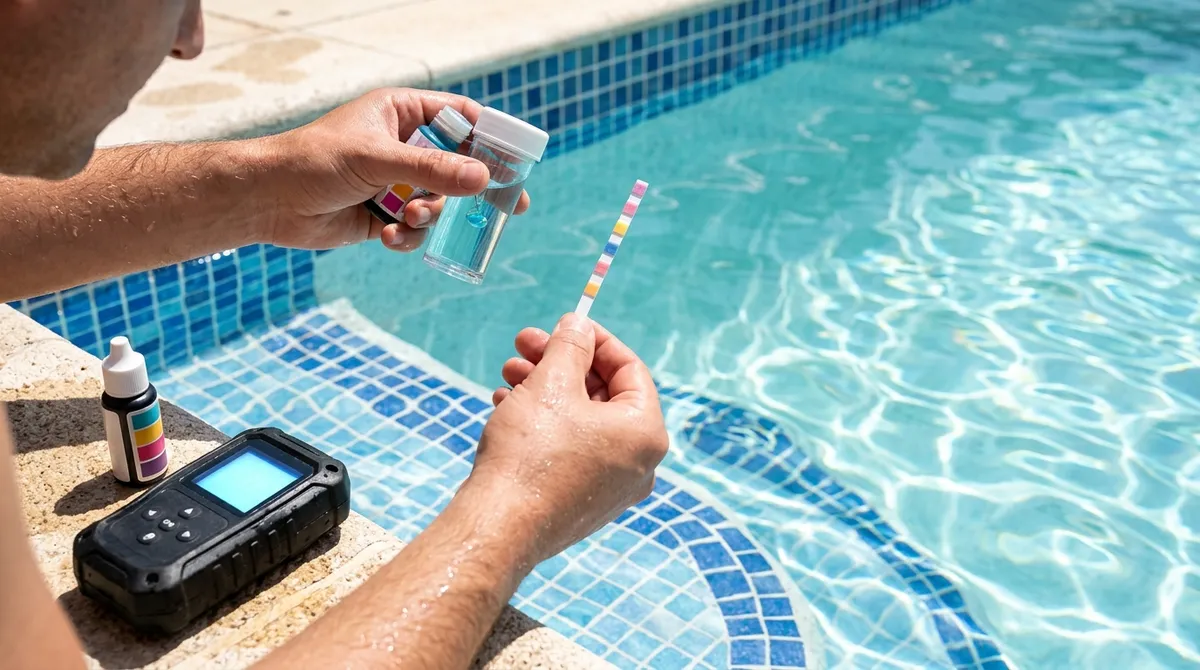
Credit: www.panther-pools.com
Frequently Asked Questions
What Are The Main Differences Between Test Strips And Drops?
Test strips measure specific levels using a chemical reaction on paper. Drops are liquid reagents that change color when mixed with a sample. Strips are usually quicker and easier to use.
Which Method Is More Accurate, Test Strips Or Drops?
Drops tend to be more accurate because you control the amount used. Test strips are less precise but faster for quick checks. Accuracy depends on the test type and user skill.
How Easy Is It To Use Test Strips Compared To Drops?
Test strips are easier and faster; just dip and read the color change. Drops require mixing and careful timing, which can be tricky for beginners. Strips suit quick tests better.
Can Test Strips And Drops Measure The Same Substances?
Both can test many substances like pH, chlorine, and glucose. Some tests work better with one method due to sensitivity. Check the product details to be sure.
Which Option Is More Cost-effective, Test Strips Or Drops?
Test strips are usually cheaper per test but can add up if used often. Drops might cost more upfront but last longer for many tests. Consider how often you’ll test.
Conclusion
Test strips and drops both help check water quality easily. Strips offer quick results with simple color changes. Drops require a few steps but give precise readings. Choosing depends on your needs and budget. Strips suit fast checks, while drops fit detailed tests.
Both have pros and cons worth thinking about. Use the method that feels right and fits your routine. Keeping water safe is the main goal. Regular testing keeps your water clear and healthy.