
When it comes to keeping your pool clean and safe, choosing the right sanitizer is key. You’ve probably come across two popular options: Cal Hypo and Dichlor.
But which one is best for your pool? Understanding the differences can save you time, money, and frustration. You’ll discover how each chemical works, their pros and cons, and which one fits your needs perfectly. Keep reading to make the smartest choice for your pool care routine.

Credit: hthpools.com
Cal Hypo Basics
Cal Hypo is a popular chemical used to keep water clean and safe. It is a strong disinfectant. It helps kill germs and bacteria in pools and other water systems. Understanding Cal Hypo basics makes it easier to use correctly.
It comes in a solid form, usually as granules or tablets. It dissolves quickly in water, releasing chlorine. This chlorine fights harmful microbes and keeps water clear.
Chemical Composition
Cal Hypo stands for calcium hypochlorite. Its chemical formula is Ca(ClO)₂. It contains calcium, chlorine, and oxygen. The high chlorine content makes it very effective. This chlorine is released when Cal Hypo dissolves in water.
How It Works
When Cal Hypo dissolves, it releases free chlorine. This chlorine kills bacteria, viruses, and algae. It breaks down the cell walls of germs. This stops germs from growing and spreading. It also helps remove bad smells and colors in water.
Common Uses
Cal Hypo is widely used in swimming pools. It keeps the water safe for swimmers. It also disinfects drinking water in emergencies. Some industries use it to clean water in factories. It is a trusted choice for quick and strong sanitation.
Credit: lesliespool.com
Dichlor Basics
Dichlor is a popular choice for pool sanitation. It offers reliable chlorine delivery. Understanding its basics helps you decide if it fits your needs.
This section covers its chemical makeup, how it works, and common uses.
Chemical Composition
Dichlor stands for sodium dichloro-s-triazinetrione. It is a white, granular chemical. It contains about 56-62% available chlorine. It also has a stabilizer called cyanuric acid. This stabilizer helps protect chlorine from sunlight. It dissolves quickly in water.
How It Works
Dichlor releases chlorine slowly into the water. This chlorine kills bacteria and algae. The stabilizer keeps chlorine from breaking down fast. It raises chlorine levels without changing pH much. This helps maintain balanced pool water.
Common Uses
Dichlor is widely used in swimming pools. It is added directly to pool water. It works well for regular chlorination. It is popular for both home and commercial pools. It also helps maintain water clarity and hygiene.
Sanitizing Power
Sanitizing power is a key factor in choosing pool chemicals. It shows how well a product kills germs and keeps water safe. Cal Hypo and Dichlor are popular choices. Each has strengths in cleaning and protecting pool water.
Understanding their sanitizing power helps pick the best option for your pool. Let’s break down their effectiveness and speed of action.
Effectiveness Against Bacteria
Cal Hypo is strong against many types of bacteria. It works well in killing harmful germs fast. It keeps pool water clean and clear.
Dichlor also kills bacteria, but it is gentler on the pool’s balance. It controls bacteria without affecting pH too much. Both chemicals reduce bacteria but Cal Hypo is often more powerful.
Speed Of Action
Cal Hypo acts quickly to sanitize water. It breaks down bacteria within minutes. This fast action helps keep pools safe during heavy use.
Dichlor takes a bit longer to work. It releases chlorine slowly, providing steady sanitation over time. This makes it good for regular maintenance but less ideal for quick disinfection.
Stability And Storage
Stability and storage are important factors when choosing between Cal Hypo and Dichlor. Both chemicals react differently over time and under various conditions. Proper storage helps keep their strength and safety intact. Understanding these differences aids in making the right choice for your needs.
Shelf Life
Cal Hypo usually has a shorter shelf life than Dichlor. It can lose strength faster if exposed to air or moisture. Dichlor tends to stay stable longer, often up to two years if stored correctly. Always check the expiration date before use.
Storage Requirements
Store Cal Hypo in a cool, dry place away from sunlight. Keep the container tightly closed to prevent moisture entry. Dichlor also needs a dry, cool area but is less sensitive to humidity. Avoid storing both near acids or flammable materials.
Handling Safety
Both chemicals require careful handling. Wear gloves and eye protection to avoid irritation. Avoid breathing in dust or fumes from either chemical. Keep them out of reach of children and pets. Follow all label instructions for safe use.
Impact On Pool Water
The choice between Cal Hypo and Dichlor affects pool water in different ways. Both chemicals sanitize the water but impact its balance uniquely. Understanding these effects helps maintain clean, safe water.
Effect On Ph Levels
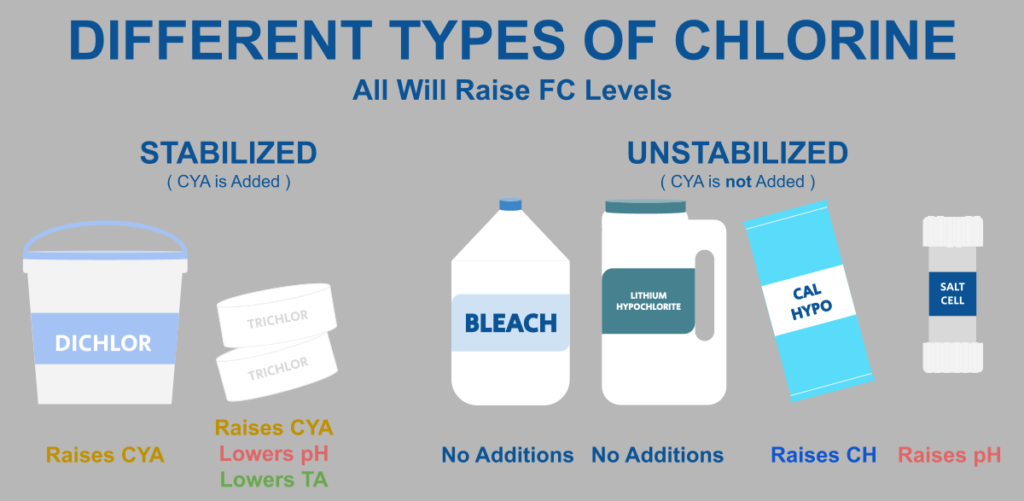
Cal Hypo raises the pH level quickly. This can cause the water to become too alkaline. High pH reduces chlorine’s effectiveness. Pool owners often need to add acid to lower pH.
Dichlor has a neutral to slightly acidic effect on pH. It helps keep pH more stable than Cal Hypo. This reduces the need for extra pH adjustments.
Chlorine Residuals
Cal Hypo delivers a strong initial chlorine boost. It breaks down quickly, so chlorine levels drop faster. Frequent dosing is necessary to maintain proper levels.
Dichlor provides a steady, slower release of chlorine. It maintains chlorine residuals longer without large fluctuations. This helps keep the water consistently sanitized.
Water Clarity
Proper chlorine levels from Cal Hypo help prevent cloudy water. However, pH swings may cause minerals to precipitate and cloud the pool.
Dichlor’s stable pH support encourages clearer water. It reduces the chance of scale or cloudiness forming. Pools treated with Dichlor often look clearer and fresher.
Cost And Availability
Cost and availability are key factors when choosing between Cal Hypo and Dichlor. Both chemicals are popular for pool sanitation but differ in price and how easy they are to find. Knowing these differences helps you pick the best option for your needs and budget.
Price Comparison
Cal Hypo usually costs less per pound than Dichlor. This makes it a budget-friendly choice for many pool owners. Dichlor tends to be more expensive due to its stabilizer content. The price difference can add up with frequent use. Always check local prices as they can change by region and supplier.
Where To Buy
Both Cal Hypo and Dichlor are widely available. You can find them at pool supply stores and home improvement centers. Many online retailers also stock these chemicals. Availability might depend on the season and location. It’s wise to buy from trusted sellers to ensure product quality and safety.
Environmental Considerations
Environmental factors play a key role in choosing pool chemicals. The impact on water, air, and equipment matters a lot. Cal Hypo and Dichlor differ in how they affect the environment. Understanding these differences helps pool owners make safer choices.
Biodegradability
Cal Hypo breaks down quickly in water. It leaves no harmful residues behind. This makes it a cleaner choice for the environment. Dichlor contains cyanuric acid, which does not break down easily. Over time, this can build up in pool water. High cyanuric acid levels may harm water quality and aquatic life.
Effect On Pool Equipment
Cal Hypo is highly reactive and can be harsh on pool parts. It may cause corrosion if not balanced correctly. Dichlor is gentler and less likely to damage equipment. It dissolves slowly and maintains water stability. Proper use of both chemicals reduces wear on pumps, filters, and liners.
Choosing The Right Sanitizer
Choosing the right sanitizer for your pool is important for clean and safe water. Two common options are Cal Hypo and Dichlor. Each has different features that suit different needs. Understanding these differences helps you pick the best one for your pool.
Pool Size And Usage
Smaller pools need less sanitizer than large ones. Cal Hypo works well for big pools because it has a high chlorine level. Dichlor is good for small to medium pools. It dissolves quickly and is easier to handle. Think about how often you use your pool. More use means more sanitizer is needed.
Budget Factors
Cal Hypo is usually cheaper per pound than Dichlor. But it requires careful storage to keep it safe. Dichlor costs more but is easier to store and use. Consider how much you want to spend over time. Buying in bulk can lower costs too.
Personal Preferences
Some people prefer Cal Hypo because it raises pH levels slowly. Others like Dichlor because it does not raise pH much. Cal Hypo has a strong smell, which some may dislike. Dichlor is gentler on skin and eyes. Think about what matters most to you in daily pool care.
Credit: www.testyourownpool.com
Frequently Asked Questions
What Is The Main Difference Between Cal Hypo And Dichlor?
Cal Hypo is calcium-based and raises water hardness. Dichlor is nitrogen-based and does not affect hardness. Both sanitize pool water effectively.
Which Chemical Is Safer For Pool Use, Cal Hypo Or Dichlor?
Dichlor is gentler on pool surfaces and water balance. Cal Hypo can cause scaling if overused. Proper dosage keeps both safe.
How Do Cal Hypo And Dichlor Affect Pool Ph Levels?
Cal Hypo tends to raise the pH level. Dichlor usually lowers the pH slightly. Regular testing helps maintain balanced water.
Can Cal Hypo And Dichlor Be Mixed In The Same Pool?
It’s best to avoid mixing them directly. Mixing can cause chemical reactions and cloudiness. Use one sanitizer at a time for safety.
Which Pool Sanitizer Lasts Longer, Cal Hypo Or Dichlor?
Cal Hypo releases chlorine quickly but doesn’t last long. Dichlor dissolves slowly and provides longer-lasting chlorine. Choose based on your pool needs.
Conclusion
Choosing between Cal Hypo and Dichlor depends on your pool needs. Cal Hypo works well in pools with stable pH levels. Dichlor dissolves quickly and adds cyanuric acid for sun protection. Both chemicals kill bacteria and keep water clear. Consider your pool size, water balance, and storage options.
Use each product as directed for safety. Regular testing helps maintain the right chemical levels. Clean, safe water makes swimming enjoyable. Simple choices lead to better pool care.