
Choosing between a Polaris and a Pentair cleaner often leaves pool owners confused because both brands dominate the market with distinct engineering philosophies. While prices for these automated systems typically range from $800 to $2,500 depending on the model and features, the right choice depends entirely on your specific pool surface, debris load, and maintenance preferences. Understanding the mechanical differences between pressure-side and suction-side technologies is crucial before making a purchase decision that affects your long-term operating costs and cleaning efficiency.
Key Takeaways
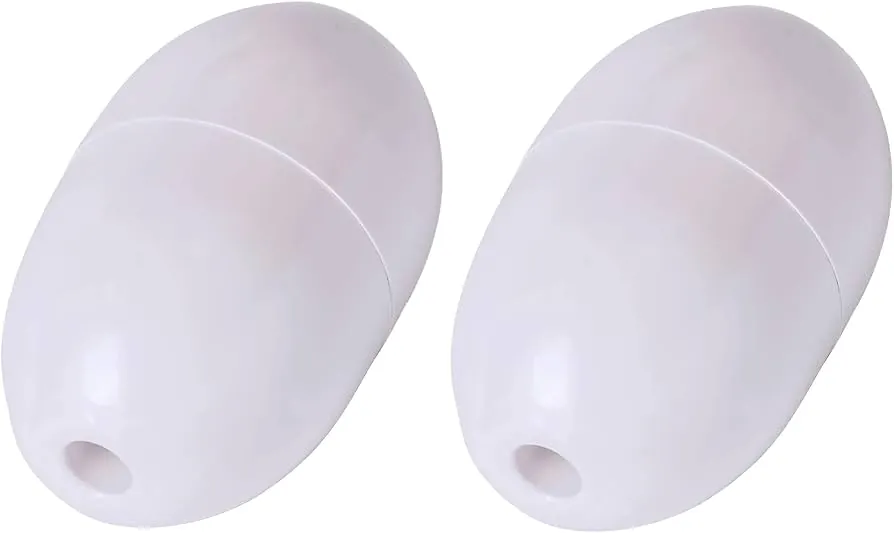
- Pressure-side models like the Polaris 3900 Sport use a booster pump for superior debris handling in large pools.
- Suction-side cleaners such as the Pentair Kreepy Krauly rely on existing filtration power, saving energy but struggling with heavy leaves.
- Maintenance frequency varies significantly; Polaris units generally require less frequent filter bag emptying than Pentair suction models.
- Installation complexity is higher for Polaris due to the need for a dedicated booster pump and separate plumbing lines.
- Debris capacity favors Polaris for organic matter, while Pentair excels at fine sand and dust removal on smooth surfaces.
- Warranty coverage differs by region, so always verify local dealer terms before committing to a specific brand.
How Do Pressure Systems Work?
The fundamental difference lies in how water moves the unit around the pool floor. Polaris cleaners predominantly utilize pressure-side technology, which requires a dedicated booster pump to push water through a return line into the cleaner. This high-pressure stream spins the turbine, driving the wheels and powering the internal vacuum fan.
The result is a machine that can climb walls and scrub surfaces independently of the main pool pump’s flow rate. This separation allows for consistent cleaning performance even when the main filtration system is running on a low cycle or is temporarily off.
The Role of the Booster Pump
A booster pump is the heart of the pressure-side system, generating the necessary force to propel the cleaner. Unlike standard pumps, these are designed specifically for high head pressure and rapid cycling. They operate only when the cleaner is active, which can extend their lifespan compared to running the main circulation pump constantly.
However, this adds an extra layer of electricity cost and mechanical complexity to your pool setup. If you don’t have a booster pump installed, adding one is a significant upfront investment that must be factored into your total budget.
What About Suction-Side Options?
Pentair offers a robust lineup of suction-side cleaners that connect directly to the skimmer or a dedicated suction line. These units rely on the vacuum created by the main pool pump to pull them across the deck and collect debris into the pool’s filter basket.
Because they share the pump’s power, they’re simpler to install and cheaper to run initially, as no additional motor is required. However, their effectiveness is tied directly to the strength of your main pump and the cleanliness of your pool filter. As the filter gets dirty, suction drops, and the cleaner may stall or move sluggishly.
Dependence on Main Pump Flow
The main pump flow dictates the speed and reach of a suction-side unit. If your pool has multiple returns or a complex shape, the suction might not be strong enough to navigate tight corners or climb steep slopes effectively.
Additionally, every time the cleaner runs, it pulls air and debris into the main filter, requiring more frequent backwashing or cartridge cleaning. This constant influx of dirt can reduce the overall efficiency of your primary filtration system, potentially leading to cloudy water if the filter isn’t maintained rigorously.
Polaris vs Pentair Cleaner Debris Handling
When evaluating which brand handles mess better, the type of debris matters immensely. Polaris units are renowned for their ability to tackle large organic debris like pine needles, acorns, and wet leaves without clogging. Their internal bags act as a secondary filter, trapping this material before it ever reaches the pool’s main filter.
In contrast, Pentair suction models excel at picking up fine particulate matter such as silt, sand, and pollen. These tiny particles pass easily through the cleaner’s intake and settle directly into the pool filter, keeping the pool floor spotless but increasing the load on the filter media.
| Feature | Polaris (Pressure) | Pentair (Suction) |
|---|---|---|
| Primary Debris Type | Large leaves, twigs, pebbles | Sand, silt, fine dust |
| Filtration Location | Internal collection bag | Pool filter (sand/cartridge) |
| Clog Resistance | High (bag clears easily) | Moderate (can clog filter) |
| Wall Climbing | Excellent (turbine driven) | Variable (depends on suction) |
| Filter Impact | Minimal (self-contained) | High (adds load to main filter) |
Which Brand Offers Better Wall Climbing?
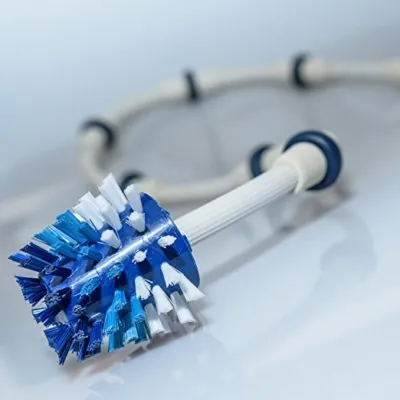
Vertical cleaning is where the mechanical design truly shines. Polaris cleaners are engineered with a specific wall climbing mechanism that uses water pressure to create lift, allowing them to scale vertical surfaces and even clean the waterline tile.
This feature is particularly valuable for pools with deep ends or irregular shapes where debris tends to accumulate. The turbine-driven wheels provide consistent traction regardless of the angle, ensuring that algae and grime are scrubbed from the sides just as thoroughly as the bottom.
Traction and Surface Adaptability
Surface adaptability is another critical factor for wall performance. Both brands offer models with different wheel configurations to suit various pool finishes, from rough plaster to smooth vinyl. Polaris often includes specialized tires with aggressive treads for better grip on textured surfaces, while Pentair relies on buoyancy and suction balance to stay attached to the wall. If your pool has a very steep slope or a deep drop-off, the independent propulsion of a pressure-side unit usually provides a more reliable climb than a suction-dependent model.
Maintenance Requirements Explained
Long-term ownership involves regular upkeep, and the two brands demand different attention levels. Polaris units require the user to empty the internal debris bag after every few cleaning cycles. This bag is easy to remove, rinse, and reinstall, preventing any strain on the pool’s filtration system. However, neglecting to check the bag can lead to reduced suction inside the unit and poor cleaning performance.
Conversely, Pentair suction cleaners have no internal bag to empty, but they necessitate frequent monitoring of the pool filter pressure. A rise in pressure indicates the filter is full of the debris the cleaner pulled in, signaling a need for backwashing or cleaning.
Pro Tip: Always inspect the O-rings and seals on both Polaris and Pentair units every month. Worn seals can cause air leaks that drastically reduce cleaning efficiency and lead to premature wear on the internal components.
Installation Complexity and Costs
Setting up a new cleaner involves more than just dropping it into the water. Polaris systems require a dedicated booster pump installation, which means hiring a professional plumber to run a new return line and wire the pump to a timer. This process can add hundreds of dollars to the initial project cost and requires space for the extra equipment.
On the other hand, Pentair suction models are incredibly simple to install, often requiring nothing more than connecting a hose to the skimmer or a dedicated suction port. This DIY-friendly approach makes them a popular choice for homeowners looking to upgrade without major construction.
Electrical and Plumbing Needs
The electrical requirements for a Polaris system are more demanding due to the separate booster pump circuit. You must ensure your electrical panel has the capacity for an additional high-amperage load. In contrast, Pentair units draw power solely from the existing pool pump, meaning no new wiring is needed. For those with older electrical systems or limited breaker space, the lower power demand of a suction-side cleaner can be a decisive factor in the final decision-making process.
Troubleshooting Common Issues
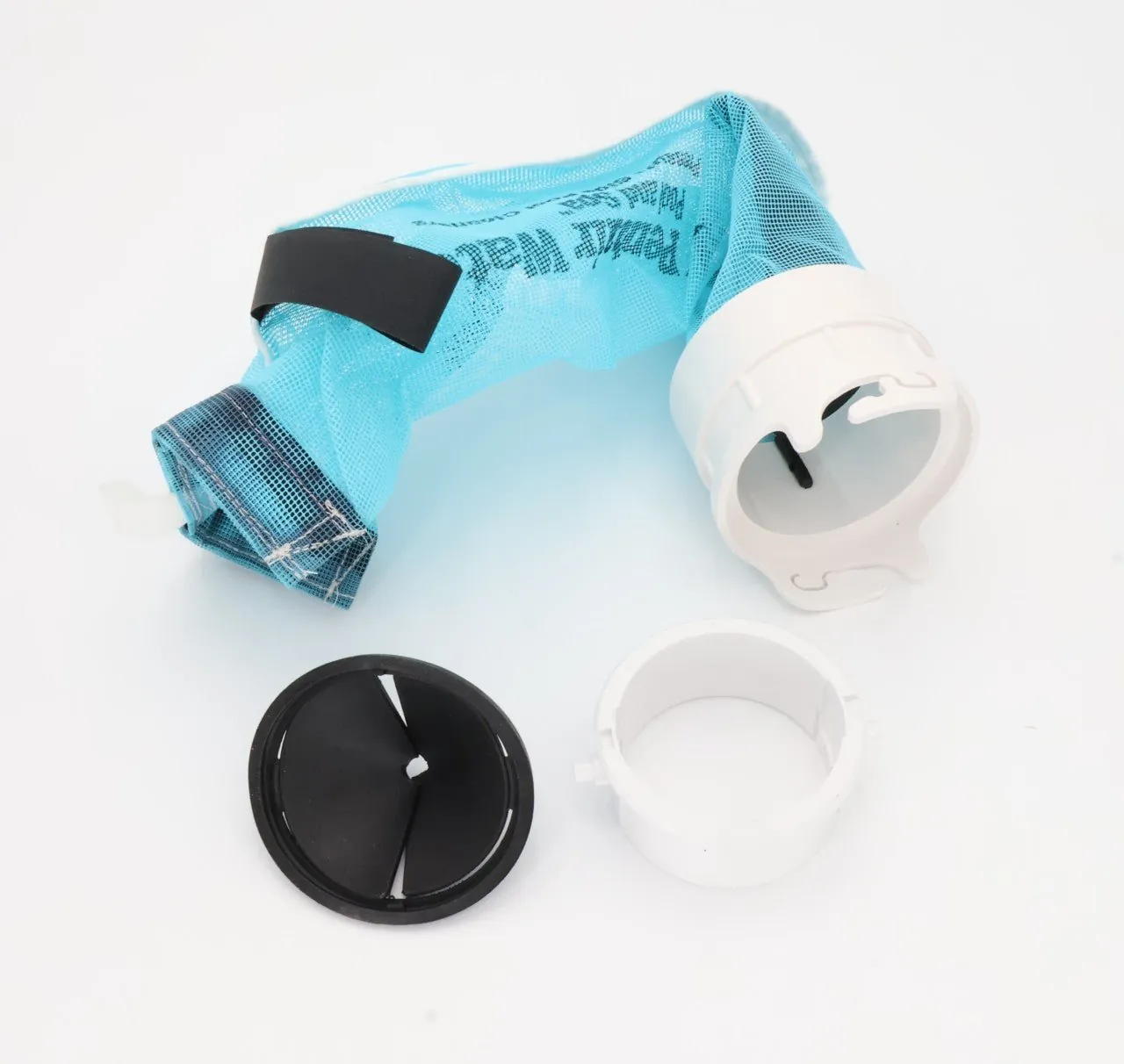
Even the best machines encounter problems over time. A common issue with Polaris cleaners is hose tangling, where the floating hoses twist together and restrict movement. Regularly checking the hose segments and ensuring they’re properly balanced can prevent this. Another frequent complaint involves wheel wear, where the tires become flat or uneven, causing the unit to drift.
Replacing these tires is a straightforward fix that restores proper navigation. For Pentair units, the most prevalent problem is loss of suction, often caused by a clogged skimmer basket or a dirty filter. Ensuring the main pump is primed and the filter is clean usually resolves this immediately.
Warning: Never run a Polaris cleaner without its internal bag installed. The lack of resistance can cause the turbine to spin too fast, leading to catastrophic damage to the internal gears and housing within minutes.
Frequently Asked Questions
Which cleaner is better for a pool with lots of leaves?
For pools surrounded by trees, a Polaris pressure-side cleaner is generally superior. Its internal bag captures large leaves and twigs effectively without clogging the main pool filter, whereas suction models may struggle to ingest large debris and can jam frequently.
Do I need a booster pump for a Pentair cleaner?
No, most Pentair suction-side cleaners don’t require a booster pump. They operate using the vacuum generated by your existing main pool pump, making them a more cost-effective option for those who want to avoid additional equipment costs.
How often should I service my pool cleaner?
You should inspect your cleaner weekly for hose wear and debris buildup. Deep maintenance, including checking seals, replacing tires, and cleaning internal filters, should be performed monthly during the swimming season to ensure optimal performance.
Can these cleaners handle saltwater pools?
Yes, both Polaris and Pentair manufacture specific models designed for saltwater environments. These units feature corrosion-resistant materials and components that can withstand the harsh chemical properties of saline water without degrading quickly.
What is the typical lifespan of these cleaners?
With proper maintenance, a high-quality pool cleaner can last between five and ten years. Factors such as water chemistry balance, frequency of use, and adherence to manufacturer guidelines significantly influence the actual operational life of the unit.
Are there eco-friendly options available?
Both brands offer energy-efficient models that run on timers to minimize electricity usage. Some newer Polaris models feature advanced sensors that stop the unit once the pool is clean, reducing unnecessary runtime and conserving power.
Conclusion
Selecting the right automated cleaner ultimately depends on balancing your budget against your specific pool environment and maintenance willingness. If you prioritize handling heavy debris and wall climbing, invest in the Polaris system despite the higher initial cost. However, if you have a smaller pool with fine debris and want a simple, low-cost solution, the Pentair suction model remains a reliable workhorse.