
For most home plumbing jobs, choosing between ptfe tape vs thread sealing cord depends on whether you value low cost or ease of adjustment. You should use tape for simple, permanent connections on small metal pipes, while sealing cord is the better choice for beginners who need to reposition fittings without leaks.
Comparing sealants for threaded pipes
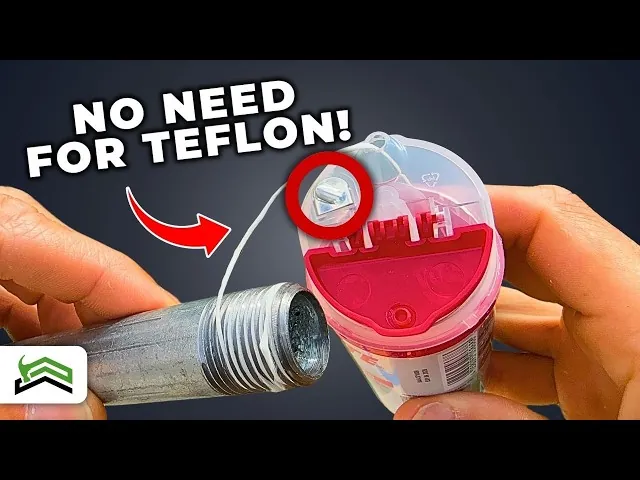
When you connect pipes, you need a material to fill the tiny gaps between the threads. This prevents water or gas from leaking out of the joint. The table below helps you see which product fits your specific project based on how much effort it takes and how well it handles adjustments.
| Method | How long | Effort | Cost | Best for |
|---|---|---|---|---|
| PTFE Tape | 1-2 minutes | Low | Low | Permanent metal joints |
| Sealing Cord | 2-3 minutes | Medium | Medium | Adjustable plastic/metal |
| Pipe Dope | 3-5 minutes | High | High | Complex high-pressure lines |
Apply PTFE tape in the direction of the thread turn. If you wrap it counter-clockwise, the tape will bunch up and shred as you tighten the fitting, creating a guaranteed leak path.
Use pipe dope for complex, high-pressure lines where vibration is likely. Unlike tape, pipe dope remains pliable and acts as a lubricant to allow for tighter seating of the threads. If you’re working with plastic threads, avoid pipe dope containing petroleum distillates. These chemicals can cause plastic fittings to crack or become brittle over time.
If you’re working with pipes that carry drinking water, you must check the label to ensure the product meets health standards. The NSF International certification confirms which materials are safe for contact with potable water systems.
If you’re unsure of the material, look for the “NSF-61” stamp on the packaging. Using a non-certified product in a residential drinking line risks leaching chemicals into your water supply. When in doubt, choose a product labeled for “potable water” specifically, as general-purpose sealants often contain solvents that aren’t meant for human consumption.
Using PTFE tape
This thin, white film is the standard for most basic plumbing repairs. It works by filling the spaces between threads as you tighten the joint, creating a tight seal through compression.
Clean the male threads with a dry cloth to remove any oil or old debris. If you skip this step, the tape will slide out of place during assembly, leaving you with a slow drip that only appears after the system is pressurized.
Hold the end of the tape against the first thread. Wrap the tape around the pipe in the same direction you’ll turn the fitting, usually clockwise. If you wrap against the grain, the fitting will unravel the tape as you tighten it.
Overlap each turn by about half the width of the tape until you cover the threaded area. Aim for three to four full rotations. If you use fewer, the seal will fail under pressure; if you use more, the excess material will bunch up and prevent the threads from seating properly.
Tear the end and press it firmly into the threads. This material is excellent for small, fixed metal connections where you won’t need to move the pipe later.
However, the limit here is the thickness of the tape. If you’re working with plastic or PVC fittings, skip the tape entirely and use a liquid thread sealant. PTFE tape creates a wedge effect that can easily split brittle plastic housings. If you feel significant resistance before the fitting is fully seated, stop immediately. Back the fitting out and remove the excess tape to prevent a hairline crack that will inevitably fail under load.
Using thread sealing cord
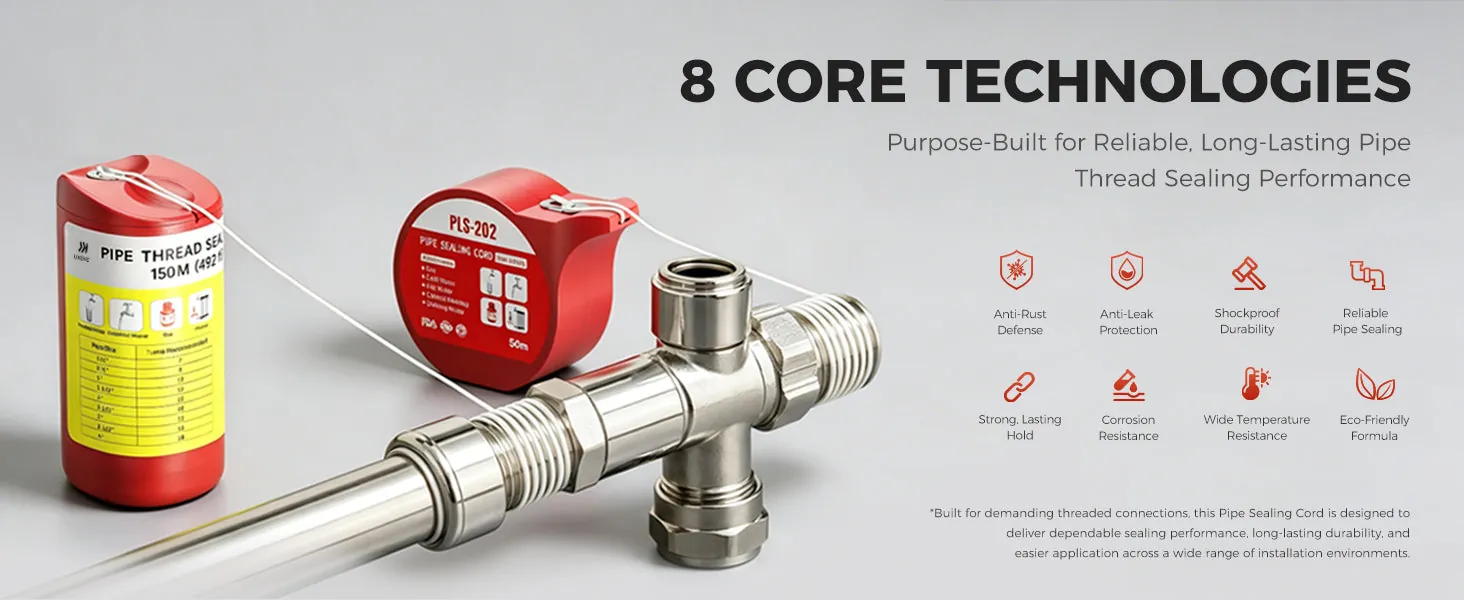
Sealing cord is a thick, fibrous strand that grips the threads more effectively than thin tape. It’s often preferred by those who aren’t professional plumbers because it’s more forgiving if you make a mistake.
Start at the end of the pipe and wrap the cord across the threads at an angle. Continue wrapping around the threads in a random pattern, not just in flat layers. Use the amount recommended on the packaging, which usually involves about 10 to 15 wraps for a standard half-inch pipe. Cut the cord and press the loose end into the threads. Screw the fitting on by hand until it’s tight.
If you’re working with plastic fittings, stop immediately once you feel firm resistance. Metal threads can handle a wrench, but plastic often cracks under the pressure of a metal tool. If the joint leaks after the first attempt, don’t simply tighten it further. Back the fitting off, inspect the cord for bunching, and reapply a fresh length.
This method is great for joints that need to be aligned perfectly, as you can back the fitting off slightly without breaking the seal. One real risk is over-tightening, which can cause the threads to strip or the pipe to split. If you find the fitting is still leaking after being backed off by more than a quarter turn, the seal is compromised.
You must strip the old cord entirely and start over to ensure a watertight connection. Avoid the common mistake of layering old cord over new, as this creates uneven gaps that invite slow, persistent drips. Always ensure the cord lies within the thread valleys rather than bunching up on the peaks.
Choosing the right sealant
If you’re in a rush and need a quick fix for a simple metal joint, use PTFE tape. It’s inexpensive and available at every hardware store, making it the fastest choice for standard tasks. Wrap the tape clockwise around the threads three to four times. If you wrap it counter-clockwise, the tape will unravel as you tighten the fitting, leaving you with a compromised seal.
If you’re doing this for the first time, choose sealing cord. It’s much easier to apply correctly because it doesn’t tear or bunch up like thin tape can. You’ll find it much simpler to get a leak-free result on your first try. Unlike tape, which requires precise tension, cord can be wrapped haphazardly across the threads and still provide a reliable barrier.
If you want the best possible result regardless of the effort required, use a high-quality pipe dope or a combination of tape and dope. Professionals often use this for high-pressure systems to ensure a seal that lasts for many years. The trade-off is that these methods require more time to set and can be much messier to work with.
Use pipe dope alone for tapered threads, as it acts as both a lubricant and a sealant. However, if you’re working with vibration-prone equipment, always use a tape-and-dope hybrid. The tape provides the physical bulk needed to fill gaps, while the dope acts as a secondary gasket. If you see excess material squeezing out of the joint, wipe it away immediately. Dried dope can be difficult to remove from finished surfaces later.
Rules for safe pipe sealing
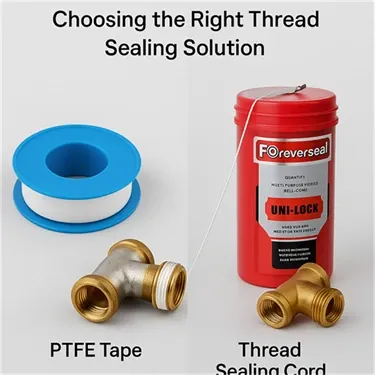
Regardless of the method you pick, you must ensure the threads are clean before you begin. Debris prevents the sealant from filling the gaps, which is a common mistake that leads to slow drips and wasted time. Use a stiff wire brush to remove old tape or hardened compound from every groove.
If you see a leak after assembly, don’t just tighten the joint more. Forcing a fitting often cracks the housing or strips the threads, turning a simple drip into a total pipe replacement. You must take it apart and reapply the sealant.
Always check the manufacturer’s instructions for the specific pressure rating of the pipe you’re using. A fitting rated for 150 PSI will fail catastrophically if installed on a 300 PSI supply line. If you’re working on a gas line or a high-pressure water system, you must follow the local building codes in your area. These codes dictate the exact type of thread compound required for volatile materials.
If you’re sealing a metal-to-metal connection, apply the sealant only to the male threads, leaving the first two threads bare to prevent debris from entering the line. If you’re working with plastic, use PTFE tape or a thread sealant specifically approved for plastic.
Using standard pipe dope on plastic can cause chemical stress cracking, which leads to leaks and potential fitting failure. If you feel unsure about the safety of your work, consult a licensed plumber. Plumbing failures in gas lines can lead to dangerous leaks, so don’t attempt these repairs if you lack the proper training or tools.
Related guides
- Pipe Insulation Foam vs Heat Tape: Which One Do You Need in 2026
- Which Oven Is Best for All Purposes: The Expert Verdict in 2026
Frequently asked questions
Can I use tape and cord together?
Yes, you can use them together for extra protection on difficult joints. Many professionals apply a layer of tape first, followed by a thin layer of pipe dope or cord to ensure a perfect seal. This is only necessary for large or irregular threads that are prone to leaking.
How long does a pipe seal last?
A proper seal can last for many years, often as long as the pipe itself. The lifespan depends on the vibration in the system and whether the pipe is exposed to extreme temperature changes. If you notice a leak, the sealant has likely broken down and needs to be replaced.
Is it safe to reuse old fittings?
No, it’s generally not safe to reuse old fittings because the threads may be worn or damaged. Old sealant can also be very hard to remove, which makes it difficult to get a clean, airtight connection with the new material.
What happens if I use too much sealant?
If you use too much, you’ll create a blockage or cause the fitting to crack from the extra pressure. You should only use enough material to fill the gaps between the threads. If you see excess material squeezing out of the joint, you have likely used too much.
How many wraps of tape do I need?
You generally need 3 to 5 wraps for a standard half-inch pipe. The exact number varies based on the thickness of the tape and the depth of the threads. Always check the packaging, as some heavy-duty tapes require fewer wraps to reach the same seal.
Why is my pipe still leaking?
Your pipe is likely leaking because the threads weren’t cleaned or the sealant was applied in the wrong direction. If you wrap the tape against the direction of the threads, the fitting will unravel the tape as you tighten it. Always wrap in the same direction you turn the wrench.
Conclusion
If you’re still unsure about your specific project, grab a small roll of each to test on a spare pipe fitting. You’ll quickly see which material feels more comfortable in your hands. Don’t worry if it doesn’t seal perfectly the first time; just take it apart and try again until it’s tight.