
The most reliable way to clear a basic blockage is using a plunger, but for deep or hard clogs, a toilet auger is the better tool. You should start with the plunger for any simple obstruction, as it’s easier to use and less likely to damage your porcelain. If the blockage remains after several attempts, the auger is necessary to reach further into the drain pipe.
Comparing drainage tools
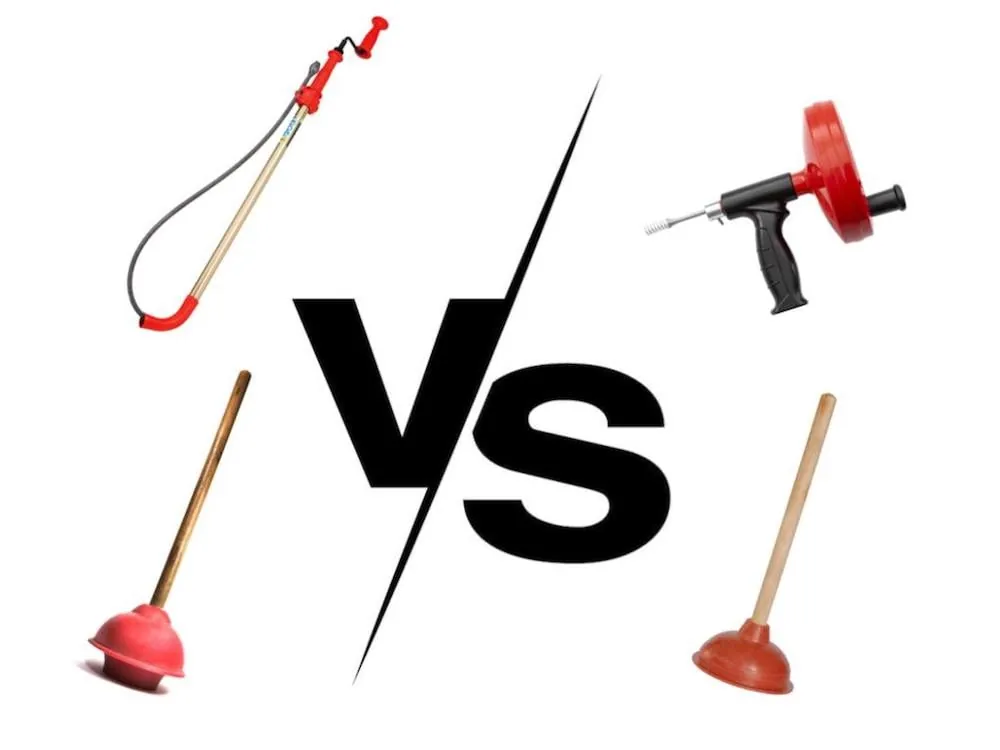
Choosing the right tool depends on the location and severity of the clog in your pipes. A plunger relies on air and water pressure to force a blockage forward, while an auger uses a rotating metal cable to physically break up or retrieve the obstruction.
| Method | How long | Effort | Cost | Best for |
|---|---|---|---|---|
| Flange plunger | 2-5 minutes | Low | Low | Surface clogs |
| Toilet auger | 5-15 minutes | Medium | Medium | Deep, stubborn clogs |
| Chemical cleaner | 30-60 minutes | Low | Medium | Soft organic buildup |
If you suspect a solid object like a toy or a hairbrush is the culprit, avoid chemical cleaners entirely. These substances can’t dissolve hard plastics or metals and will only create a toxic, standing pool that risks a dangerous splash-back when you eventually reach for a mechanical tool.
Use a plunger if the water level rises and falls slowly, suggesting a partial blockage near the trap. If the water remains completely stagnant despite several firm plunges, the obstruction is likely lodged deep in the pipe bend. Switch to an auger immediately.
Many homeowners make the mistake of using a standard sink plunger on a toilet. This is ineffective because it lacks the extended rubber flange required to create a vacuum seal in the bowl’s unique drain shape. Always match the tool to the fixture.
If you’re dealing with a recurring clog, perform a simple test. Fill the sink or bowl and watch the drain rate. If the water drains at a normal speed but the pipe gurgles, your vent stack is likely blocked rather than the drain line. In this case, no amount of plunging will resolve the issue. You must clear the roof vent to restore proper airflow.
Using a flange plunger
A flange plunger features an extended rubber lip designed to lock into the narrow throat of a toilet trapway. Without this specific shape, you lose the airtight vacuum required to force water through the pipe. A standard flat-bottomed sink plunger will only push air, which compresses easily and fails to dislodge stubborn clogs.
Before you begin, check the water level. You need at least three inches of water covering the rubber head to ensure you’re pushing liquid, not air. If the bowl is nearly empty, add a bucket of water manually. If the bowl is overflowing, bail it out first to prevent a mess.
Insert the flange into the drain hole and wiggle it until you feel the rubber seat firmly against the porcelain. Apply pressure slowly for the first stroke to expel trapped air. Once the seal feels secure, pump vigorously 10 to 15 times. Maintain the seal throughout the motion; if you break suction, you lose the pressure needed to move the blockage.
If the water level drops after your final pull, the clog has cleared. If the water remains stagnant, wait five minutes and try one more set of plunges.
This tool works best for organic waste or paper obstructions near the bowl outlet. If you feel the plunger strike a solid, unyielding surface, the blockage is likely a foreign object like a toy or a plastic cap. Stop immediately. Continued force against a hard object can crack the porcelain trapway, turning a simple plumbing fix into a costly fixture replacement. In these cases, use a closet auger instead.
Working with a toilet auger
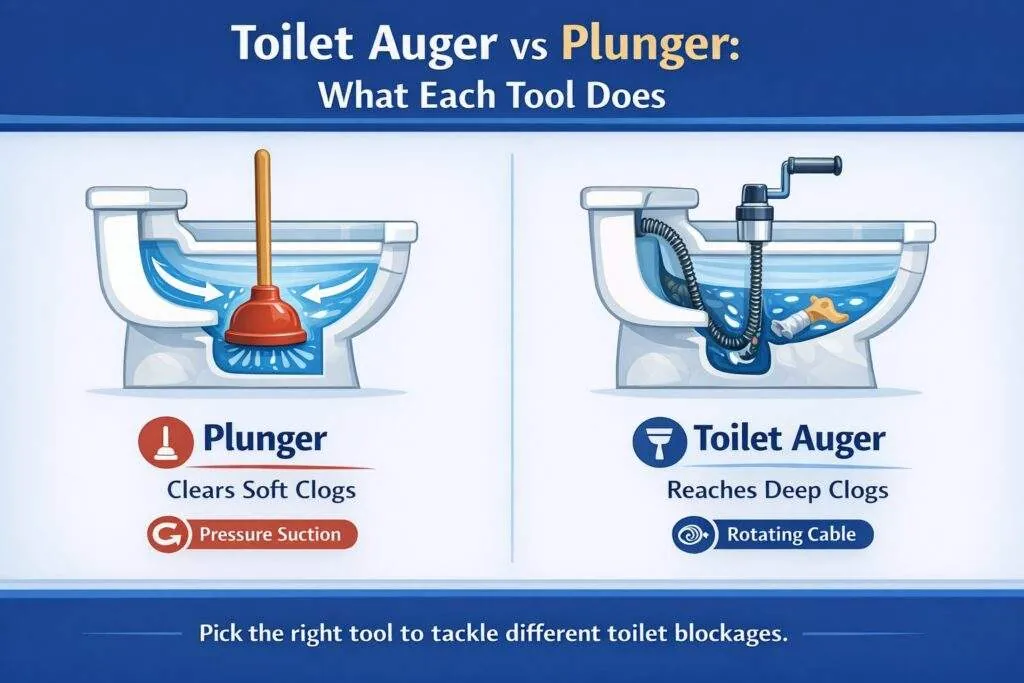
A toilet auger, also called a closet auger, features a long, flexible cable that reaches deep into the trap. It’s the standard tool for professionals when a plunger fails.
Retract the cable fully into the shaft before placing the plastic head into the drain. If you leave the cable extended, the tip will whip against the bowl and leave permanent gray gouges in the porcelain.
Turn the handle clockwise to feed the cable forward until you feel resistance. Don’t force it past a hard stop, as you risk pushing the obstruction deeper into the narrow P-trap where it becomes harder to retrieve.
Once you hit the blockage, rotate the handle firmly to break the mass apart or hook it. If the cable spins without biting, pull back two inches and try again with more downward pressure.
Pull the cable back slowly to retrieve the object or clear the path. Keep a bucket and old towels nearby; the cable will be coated in sewage that drips as you retract it.
This method is highly effective for deep clogs that a plunger can’t reach. If the auger doesn’t clear the line after three attempts, stop immediately. You likely have a main sewer blockage rather than a toilet clog.
Pushing further risks damaging the wax ring or the flange, leading to leaks that cause floor rot. If the water level remains high after the cable comes back clean, the issue is downstream in the main stack. Call a professional plumber before you cause a pipe fracture.
Choosing the right tool for your situation
When you’re in a hurry, a flange plunger is the fastest option because it requires no setup and is ready to use immediately. If you’re doing this for the first time, start with the plunger to avoid the risk of scratching your toilet bowl with the metal cable of an auger. When you want the best possible result for a very stubborn clog, the toilet auger is the superior choice because it physically interacts with the obstruction.
The trade-off is simple: the plunger is safer for your hardware but lacks the reach for deep clogs, while the auger offers deep-reaching power at the risk of surface damage. Always prioritize the tool that matches the depth of the problem. If you feel resistance that doesn’t yield to gentle pressure, stop and reassess rather than forcing the cable.
Use the plunger if the water level rises but eventually drains slowly. This indicates a blockage in the trapway, where the plunger’s vacuum seal is most effective. If the water remains stagnant or the bowl fills to the brim without draining at all, the clog is likely further down in the drainpipe. In this case, skip the plunger and go straight to the auger.
Many beginners make the mistake of using a sink plunger instead of a flange plunger. A sink plunger has a flat bottom that can’t create the necessary airtight seal in a toilet’s curved drain. Using the wrong tool forces you to work twice as hard for half the result. Always verify that your plunger has the extended rubber flange at the bottom before you begin.
Best practices for clearing blockages
No matter which tool you choose, safety and preparation remain the most important parts of the process. Always wear thick rubber gloves to protect your skin from the bacteria found in stagnant toilet water. Clear the area around the base of the toilet of any rugs, mats, or items that could be ruined if water spills during the plunge.
If you’re using a drain auger, handle the metal cable with extreme care. It’s often sharp and may carry hazardous waste. Keep a bucket and a roll of paper towels within arm’s reach before you begin. If you can’t remove the obstruction after two attempts with an auger, stop immediately and contact a licensed plumber.
Pushing further when the tool meets firm resistance usually results in a cracked porcelain bowl or a punctured pipe wall. A cracked bowl costs hundreds of dollars to replace, while a damaged pipe can lead to thousands in water damage. If the water level in the bowl doesn’t drop at all after your second attempt, the blockage is likely deep in the main sewer line.
Plumbers have the specialized cameras needed to inspect the sewer line for root intrusion or collapsed pipes that a standard homeowner can’t reach. Don’t use chemical drain cleaners if you plan to call a professional later. These caustic agents can cause severe chemical burns to the plumber’s skin when they eventually open the pipe.
Frequently asked questions
How long does it take to clear a toilet?
It typically takes 5 to 15 minutes to clear a standard clog if the tool is used correctly. If the water level doesn’t drop after several attempts, the blockage is likely deeper in the sewer line. At this point, you should stop and call a professional to avoid flooding your bathroom with wastewater.
Is it safe to use a plunger on every toilet?
Yes, a flange plunger is safe for almost all standard toilets, provided you don’t use excessive force that could crack the porcelain. Ensure the flange fits snugly into the drain before you start. If you have a low-flow or specialty toilet, check the manual to confirm if a standard plunger is recommended for your specific model.
What happens if the auger gets stuck?
If the auger gets stuck, pull back gently while rotating the handle counter-clockwise to retract the cable. Never pull with extreme force, as this can bend the cable or damage the internal structure of your toilet drain. If it remains stuck, leave the tool in place and call a plumber to prevent damaging the pipe fittings.
How often should I use a toilet auger?
You should only use a toilet auger when a plunger fails to clear the drain, as frequent use increases the risk of scratching the bowl. If you find yourself needing an auger more than once every few months, you likely have a recurring obstruction or a deeper issue in your plumbing system. A professional inspection can help identify the underlying cause.
Why does my toilet clog so often?
A toilet may clog frequently due to the disposal of non-flushable items, such as wipes or paper towels, or an issue with the home’s venting system. Even if a product is labeled as flushable, it may not break down in your specific pipe configuration. Check your local plumbing codes to see what items are safe to put down your drain.
Conclusion
Cleaning a toilet drain is a physical task that relies on the right pressure or reach to move the blockage. By starting with the least invasive method and moving to the auger only when necessary, you protect your plumbing while solving the problem efficiently. Always keep your tools clean and stored in a dry place to ensure they’re ready for the next time you need them.