
When you’re staring at a leaking sink or a seized garden fitting, selecting the right tool can make the difference between a quick fix and a trip to the emergency room. Homeowners and professionals alike often find themselves weighing a pipe wrench vs adjustable wrench, yet these two tools serve fundamentally different engineering purposes. While they may look somewhat similar at a glance, their jaw designs, grip mechanisms, and intended applications are distinct enough that using the wrong one can lead to stripped bolts or crushed pipes.
Key Takeaways
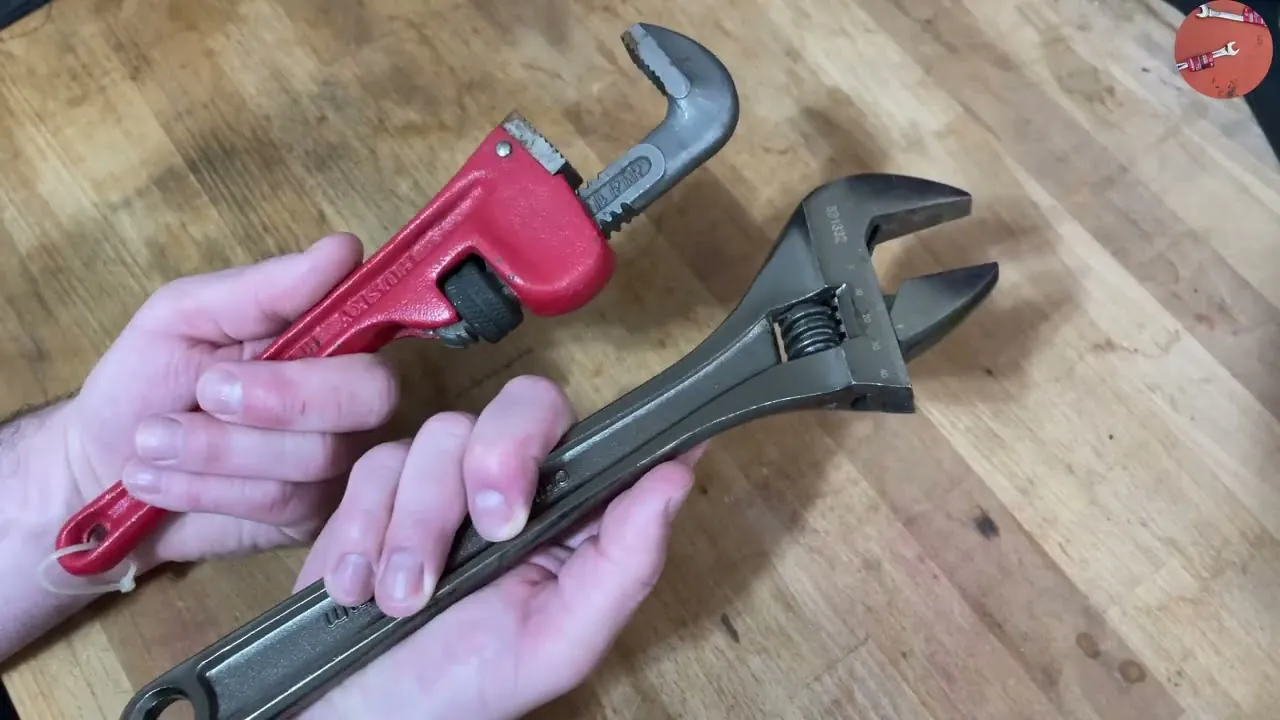
- Pipe wrenches are designed for round, soft materials like iron or steel plumbing.
- Adjustable wrenches are intended for hexagonal nuts, bolts, and square fasteners.
- Never use a pipe wrench on finished plumbing fixtures, as it will leave permanent teeth marks.
- Adjustable wrenches require a snug fit to prevent rounding off the corners of nuts.
- Always pull toward the open jaw of an adjustable wrench to avoid slippage and injury.
What Is a Pipe Wrench?
The pipe wrench is a heavy-duty tool specifically engineered for gripping and turning threaded pipes and round stock. Its hallmark feature is the serrated jaw, which bites into the surface of the pipe to create a mechanical grip. Because it relies on this biting action, a pipe wrench is meant to be used on raw, unfinished metal pipes rather than decorative or chrome-plated plumbing components.
The design is inherently self-tightening. As you apply force to the handle, the upper jaw pivots and pulls down against the pipe, increasing the pressure of the grip. This makes it exceptionally effective for stubborn, rusted fittings that require significant torque to break loose. However, this same design makes it unsuitable for precision work.
What Is an Adjustable Wrench?
Commonly referred to as a crescent wrench, an adjustable wrench features a flat, smooth, and parallel jaw face. The width of the jaw is controlled by a threaded worm screw, allowing it to adapt to various sizes of fasteners. Unlike the pipe wrench, the adjustable wrench is designed to fit snugly against the flat sides of a hexagonal nut or bolt head.
Because the jaws are smooth, they don’t damage the surface of the fastener if used correctly. However, they aren’t intended for heavy-duty plumbing applications involving rounded surfaces. If you attempt to use an adjustable wrench on a round pipe, the lack of teeth will cause the tool to slip repeatedly, potentially damaging the finish or causing the user to lose their balance.
Comparing Wrench Capabilities
Selecting the right tool requires understanding the material you’re working on and the shape of the fastener. The following table highlights the core differences in design and function between these two common hand tools.
| Feature | Pipe Wrench | Adjustable Wrench |
|---|---|---|
| Jaw Type | Serrated, curved | Smooth, flat |
| Primary Use | Round pipes, fittings | Hex bolts, nuts |
| Grip Style | Self-tightening bite | Mechanical fit |
| Surface Impact | Leaves deep teeth marks | Non-marring if sized right |
| Torque Level | High (for seized items) | Moderate (for assembly) |
When to Use a Pipe Wrench
You should reach for a pipe wrench when dealing with traditional iron or steel plumbing systems. If you’re installing a gas line or replacing a rusted section of galvanized pipe, the pipe wrench is the only tool that provides the necessary leverage and bite. The serrated teeth are essential for gripping the smooth, round exterior of the pipe.
Warning: Never use a pipe wrench on chrome, brass, or stainless steel finishes. The teeth will instantly mar the surface, ruining the aesthetic and creating potential corrosion points. If you must work on finished plumbing, use a strap wrench or a set of soft-jaw pliers instead.
When to Use an Adjustable Wrench
The adjustable wrench is the standard choice for automotive repair, furniture assembly, and general household maintenance involving nuts and bolts. It’s ideal for tightening or loosening hexagonal fasteners where you have enough clearance to rotate the tool. Because it doesn’t bite into the metal, it’s the safest option for working on delicate hardware that you don’t want to scratch.
When using an adjustable wrench, always ensure the jaw is tightened firmly against the fastener. A loose fit is the most common cause of “rounding” a bolt head, which happens when the tool slips and wears down the corners of the fastener, making it nearly impossible to remove later.
Costs and Purchasing Guide
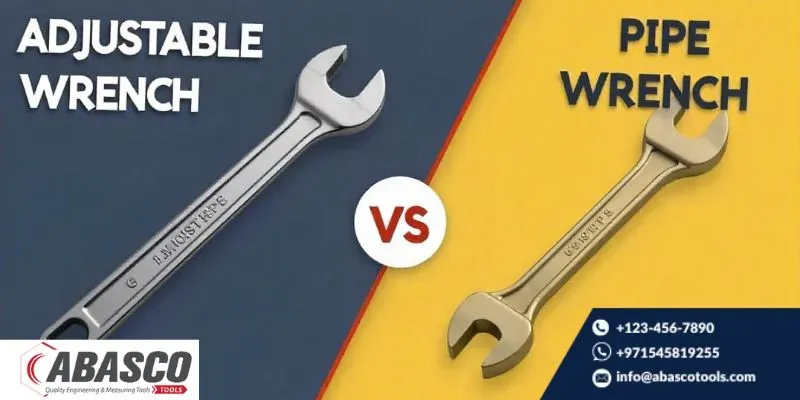
If you’re looking to build out your toolkit, you’ll find that pricing varies based on material quality, size, and brand reputation. For a standard 10-inch to 12-inch wrench, you can expect to pay the following price ranges at most hardware retailers:
| Tool Type | Price Range (Low-High) | Common Brands |
|---|---|---|
| Pipe Wrench | $15.00 – $75.00 | RIDGID, Crescent, Milwaukee |
| Adjustable Wrench | $10.00 – $60.00 | Channellock, Klein Tools, Bahco |
How to Maintain Your Wrenches
Proper maintenance ensures your tools last for years and perform reliably when you need them. Pipe wrenches, in particular, require regular cleaning to ensure the moving parts don’t seize up due to rust or debris.
- Keep the threads on the adjustment nut clean and lubricated with a light machine oil.
- Inspect the teeth of your pipe wrench; if they become flattened or dull, the tool will lose its grip and become dangerous.
- Wipe down adjustable wrenches after use to prevent moisture buildup, which can cause the worm screw to stick.
- Store your wrenches in a dry environment, ideally hanging on a pegboard or inside a tool chest, rather than tossing them in a pile where they can impact one another.
Identifying the Right Size
Choosing the correct tool size is as important as choosing the right type. Using a tool that’s too small for the job often leads to physical overexertion or, worse, failure of the tool itself.
Pipe Wrench Sizing
Pipe wrenches are typically sized by the length of the handle. A 10-inch wrench is suitable for light residential work, while a 24-inch or 36-inch wrench provides the massive leverage required for industrial plumbing.
Adjustable Wrench Sizing
Adjustable wrenches are also sized by length, which dictates the maximum jaw opening. A 6-inch wrench is perfect for small nuts and bolts in tight spaces, while a 12-inch or 15-inch wrench is necessary for larger fasteners found on heavy equipment. Always match the jaw capacity to the size of the nut to ensure the tool remains stable during use.
Common Safety Precautions
Safety should always be your primary concern when applying high levels of torque to a fastener. Whether you’re using a pipe wrench or an adjustable wrench, there are universal rules to follow to prevent injury.
- Always pull the wrench toward your body rather than pushing it away. If the wrench slips unexpectedly, pushing can cause your hand to strike a surface with significant force.
- Never use a “cheater bar” or a piece of pipe to extend the handle of a wrench unless the tool is specifically designed for that purpose. Overloading a tool can cause it to shatter, sending metal shards flying.
- Ensure your footing is stable before applying force. If you’re working in a cramped crawlspace, be aware of your surroundings so you don’t lose your balance when the fastener finally breaks free.
Pro Tip: If a bolt or pipe fitting is completely seized and won’t budge, don’t continue to force it. Instead, apply a high-quality penetrating oil and allow it to sit for at least fifteen to thirty minutes to break down the rust before trying again.
Avoiding Common Mistakes
One of the most frequent errors beginners make is using the adjustable wrench in the wrong orientation. If you look closely at the head of an adjustable wrench, you’ll see that one side of the jaw is slightly thicker than the other.
You should always position the wrench so that the force is applied against the fixed jaw rather than the movable one. Applying pressure against the movable jaw puts unnecessary stress on the worm screw and can cause the jaw to splay open.
Similarly, with a pipe wrench, users often fail to leave enough room for the jaw to “bite.” If you place the pipe too far into the throat of the wrench, it won’t have the leverage required to pivot the upper jaw. Always position the pipe so it’s roughly in the center of the jaw opening.
Troubleshooting Seized Fasteners
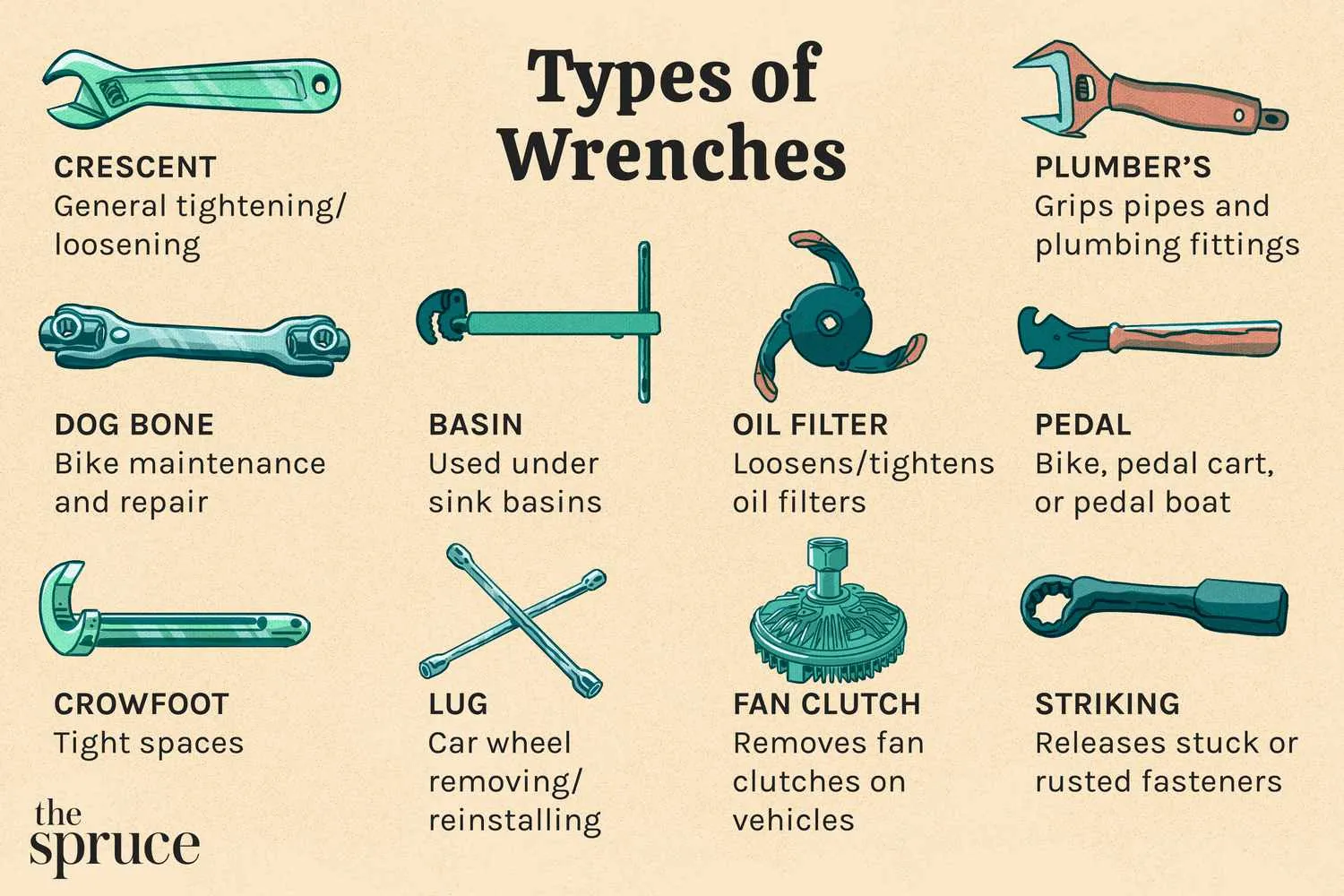
If you’re dealing with a fastener that refuses to turn, you may need a combination of strategies to free it. First, verify that you’re using the correct size tool. A sloppy fit is the primary reason for failure in both pipe and adjustable wrenches.
- Heat: If the part is metal and not near flammable materials, a small propane torch can help expand the fitting, breaking the bond of the rust.
- Vibration: Sometimes, striking the side of the fitting with a hammer can help loosen the threads.
- Leverage: If you have the space, a longer handle provides more torque, but ensure the wrench is rated for that level of force.
- Chemicals: Use a dedicated penetrating fluid to reach deep into the threads of the fastener.
Frequently Asked Questions
Can I use a pipe wrench on a hex nut?
Technically, yes, but you should avoid it. A pipe wrench will damage the corners of a hex nut due to its serrated teeth. It’s designed for round objects. If you use it on a nut, you’ll likely strip the finish or round off the corners, making the nut difficult to remove with proper tools in the future.
Why does my adjustable wrench keep slipping?
Slippage usually occurs because the jaw isn’t adjusted tightly enough against the fastener or you’re pulling in the wrong direction. Always ensure the wrench is snug against the flats of the nut. If the jaw is worn or the worm screw is loose, the tool may be damaged and should be replaced for your safety.
What is the advantage of a monkey wrench?
A monkey wrench is a historical precursor to the modern pipe wrench. It features smooth jaws and is intended for square or hexagonal nuts. While it provides a very strong grip, it’s less versatile than a modern adjustable wrench because it’s heavier and slower to adjust. Most professionals prefer modern tools for daily tasks.
Are there alternatives to these wrenches?
Yes, for specific tasks, you might prefer slip-joint pliers, tongue-and-groove pliers, or a dedicated socket set. Socket sets are generally the best choice for hex nuts because they provide contact on all sides of the fastener, significantly reducing the risk of rounding. For plumbing, strap wrenches are excellent for gripping finished surfaces without leaving any scratches at all.
How do I know which size I need?
Measure the diameter of the pipe or the width of the nut across its flats. A 10-inch pipe wrench is typically suitable for pipes up to 1.5 inches in diameter. For adjustable wrenches, choose a size that allows the jaws to close securely around the fastener while still leaving enough room to turn the tool within the available workspace.
Should I buy a set or individual tools?
If you’re just starting your collection, buying a set is often more cost-effective. A set will typically include three common sizes of adjustable wrenches, which will cover 90% of household repair tasks. Pipe wrenches are usually purchased individually based on the specific diameter of the plumbing you’re working on, as they’re heavier and more specialized than standard wrenches.
Conclusion
To ensure your home repairs go smoothly, start by assessing the material and shape of the fastener you need to turn. If you’re working on a round plumbing pipe, grab a pipe wrench; if you’re tightening a hex bolt, stick to an adjustable wrench. Always prioritize a snug fit and proper orientation to keep your hardware in good condition.