
Deciding between wood vs plastic toilet seats is a common dilemma for homeowners looking to refresh their bathroom fixtures. While both materials serve the same fundamental purpose, they offer distinct experiences regarding comfort, temperature, durability, and maintenance. If you’re wondering about the investment required, you can expect to pay anywhere from $25 to $110 for a high-quality seat, depending on the material, finish, and added features like soft-close hinges or quick-release mechanisms. Balancing these factors is essential for choosing a fixture that aligns with your household’s specific needs and aesthetic preferences.
Key Takeaways
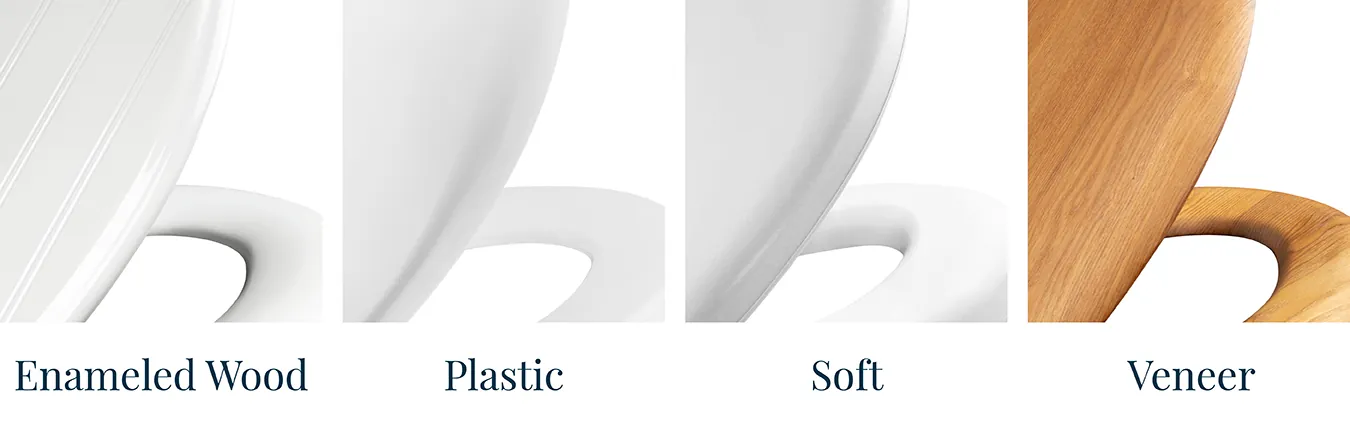
- Plastic seats are generally more resistant to moisture, chemicals, and everyday cleaning agents.
- Wooden seats provide a warmer, more substantial feel that many users find more comfortable in colder climates.
- Maintenance requirements vary significantly; plastic is non-porous, while wood requires care to prevent moisture absorption.
- Installation hardware is often standardized, but always check your bowl shape (round vs. elongated) before purchasing.
- Durability and finish quality depend heavily on the manufacturing process; look for molded wood over solid timber for better stability.
Why Choose Plastic Toilet Seats?
Plastic is the most common material found in modern bathrooms. These seats are typically made from polypropylene, which is a durable, lightweight thermoplastic. Because they’re non-porous, they’re incredibly easy to sanitize and don’t absorb odors or moisture. This makes them a practical choice for high-traffic bathrooms where deep cleaning occurs frequently.
Benefits of Plastic Construction
Plastic seats are highly resistant to the harsh chemicals found in standard bathroom cleaners, such as bleach or ammonia-based sprays. They’re also less likely to chip or crack under moderate impact. Many modern plastic models feature a “high-gloss” finish that remains bright and clean-looking for years, resisting the yellowing that older, low-quality plastics once suffered.
Potential Drawbacks
The primary complaint regarding plastic is its tendency to feel cold to the touch, especially in the winter months. Additionally, lower-end plastic seats can feel somewhat flimsy or thin, which may lead to a “cheap” feeling when sitting. If you choose a plastic model, look for those labeled as “heavy-duty” or “commercial grade” to ensure better structural integrity.
Are Wooden Seats More Comfortable?
Many people prefer the classic aesthetic and tactile experience of a wooden seat. These are rarely made from solid timber; instead, they’re usually constructed from “molded wood,” which is a composite of wood flour and resin, compressed into a shape and then finished with a durable coating. This process results in a seat that’s stronger and more dimensionally stable than natural wood.
Thermal Advantages
The most significant advantage of wood is its thermal properties. Unlike plastic, which draws heat away from your skin, wood is a natural insulator. It feels warmer and more substantial, providing a level of comfort that plastic simply can’t replicate. This makes them a favorite in older homes or bathrooms that remain chilly throughout the winter.
Maintaining Your Wooden Seat
Warning: Avoid using abrasive cleaners or heavy bleach solutions on wooden toilet seats. These chemicals can penetrate the protective sealant, leading to moisture absorption, swelling, and eventually, the finish peeling away. Use a soft cloth dampened with mild soap and water to wipe down the surface, and always dry it immediately to prevent water damage.
Comparison Table: Material Performance
| Feature | Plastic Seats | Wooden (Molded) Seats |
|---|---|---|
| Warmth | Feels cold initially | Naturally warmer to touch |
| Cleaning | Bleach-safe and non-porous | Requires mild soap only |
| Durability | Resists moisture/cracks | Can chip if finish fails |
| Weight | Lightweight, easy to handle | Heavier, more substantial feel |
| Aesthetics | Modern, clean, glossy | Classic, rich, varied finishes |
Understanding Bowl Shape and Fit
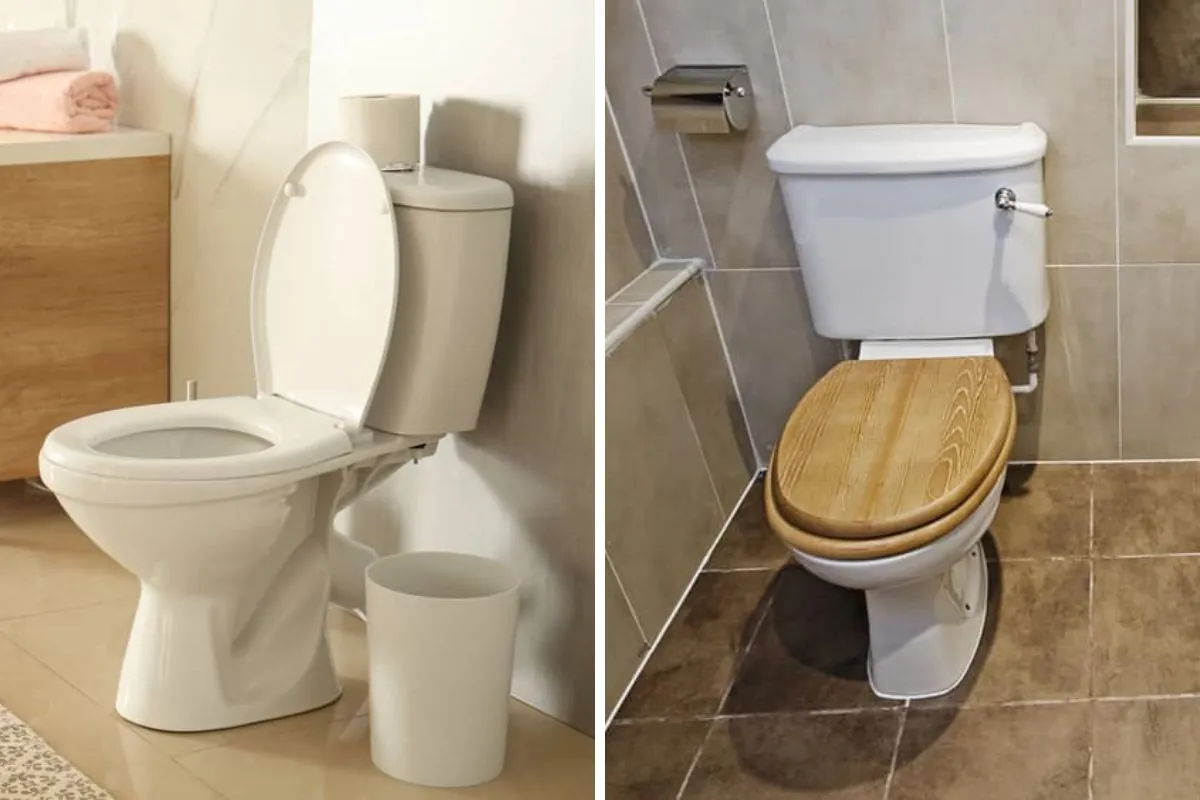
Before you compare materials, you must determine your toilet bowl configuration. Most toilets in the United States come in one of two standard shapes: round or elongated. A round bowl is shorter, typically measuring about 16.5 inches from the mounting holes to the front of the bowl, whereas an elongated bowl is roughly 18.5 inches.
Measuring Your Toilet
To get an accurate measurement, place your tape measure at the center of the two bolt holes on the back of the toilet bowl and extend it to the very front edge of the porcelain. An incorrect choice here is the most common reason for returns. Even the most expensive, high-quality wooden seat will be a poor investment if it hangs over the edge of the bowl or leaves too much porcelain exposed.
Brands and Manufacturers
When shopping, you’ll encounter various manufacturers that specialize in these materials. Brands such as Kohler, Bemis, and Mayfair dominate the market. You can often find detailed installation guides on the official websites of these companies. For instance, the American National Standards Institute provides voluntary standards for toilet seat dimensions to ensure that replacement parts remain compatible with existing fixtures, helping you avoid compatibility headaches during your next bathroom upgrade.
Installation and Maintenance Steps
Installing a new seat is a straightforward task that requires only basic tools, usually a screwdriver or a socket wrench. Most modern seats come with plastic or metal hardware that includes a “top-fix” or “bottom-fix” mounting system.
- Remove the old seat: Locate the hinge covers at the back of the seat, flip them open, and unscrew the bolts.
- Clean the area: Before placing the new seat, scrub the porcelain around the bolt holes to ensure a clean surface.
- Position the new seat: Align the hinges with the holes and insert the new bolts.
- Tighten the hardware: Use the provided plastic wing nuts or bolts to secure the seat. Don’t over-tighten, as you risk cracking the porcelain or the seat hinge.
- Check for alignment: Ensure the seat is centered on the bowl before fully tightening the fasteners.
Pro Tip: If your toilet seat keeps shifting, look for a model that features “stabilizing” bumpers or rubberized washers on the mounting bolts. These small additions prevent the lateral movement that often loosens the hardware over time.
Factors Affecting Your Investment
While price is often a primary indicator of quality, it isn’t the only factor. When you pay more for a toilet seat, you’re usually paying for better hinge technology and a more durable finish.
Hinge Technology
The “soft-close” feature is perhaps the most requested upgrade in modern bathroom renovations. This mechanism uses a hydraulic damper to prevent the lid from slamming shut. Whether you choose wood or plastic, look for a model that includes these soft-close hinges, as they significantly reduce wear and tear on both the seat and the toilet bowl.
Finish Quality
In the world of wooden seats, the quality of the enamel or paint is paramount. A high-quality molded wood seat will have a multi-layered coating that’s resistant to moisture. In contrast, cheap wooden seats may only have a thin layer of paint that will crack after a few months of use, exposing the wood composite to water.
Choosing the Right Aesthetic
The look of your bathroom should dictate your choice as much as the functionality. Plastic seats are inherently modern, often appearing in a bright white or off-white “biscuit” color. They’re perfect for minimalist or contemporary bathroom designs where a clean, seamless look is desired.
Wooden seats offer a different visual appeal. Because they’re often finished with veneers or deep-toned paints, they can add a touch of warmth or a “furniture-like” quality to a bathroom. If you have a traditional vanity or wood-toned accents in your bathroom, a wooden seat can help tie those elements together, making the room feel more cohesive and intentional.
Troubleshooting Common Seat Issues
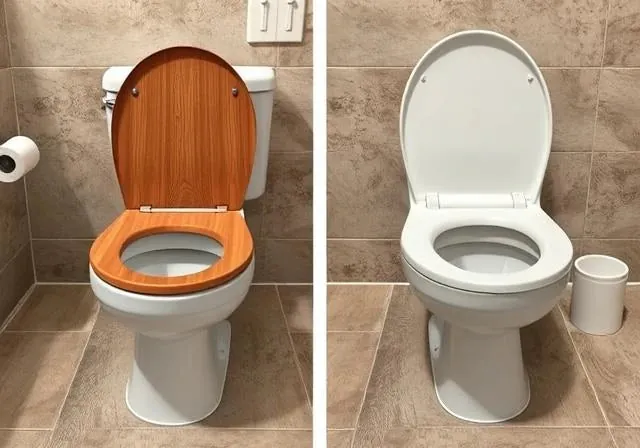
Even the best-made seats encounter problems eventually. Here are a few common issues and how to address them without replacing the entire unit.
Loose Hinges
If your seat is wiggling, the bolts have likely loosened. Simply lift the hinge covers and tighten the nuts underneath. If they continue to come loose, consider replacing the plastic wing nuts with metal ones, or adding a small amount of plumber’s tape to the bolt threads to create a tighter grip.
Staining and Discoloration
For plastic seats, a paste made of baking soda and water can often lift stubborn stains. Avoid harsh abrasive sponges, as these create microscopic scratches that will harbor dirt in the future. For wooden seats, if the finish has worn off, it’s usually best to replace the seat, as attempting to refinish a toilet seat is rarely successful due to the exposure to constant humidity.
Bumper Replacement
The small rubber bumpers on the underside of the seat are essential for stability. If one falls off, the seat won’t only wobble but can also eventually crack under the uneven pressure. Most manufacturers sell replacement bumper kits, or you can find universal replacements at your local hardware store.
Related guides
- 10 Best Wood for Cabinets: Expert Picks for Your Next Project in 2026
- 10 Best Woods for Outdoor Furniture: Durable Natural Picks in 2026
Frequently Asked Questions
Which material is more hygienic?
Plastic is generally considered more hygienic because it’s non-porous and resists moisture absorption. This makes it harder for bacteria to penetrate the surface. While a high-quality, properly sealed wooden seat is safe, the non-porous nature of high-grade plastic makes it easier to sanitize thoroughly with standard household cleaners, which is why it’s the standard choice for public restrooms and high-traffic homes.
Can I use bleach on a wooden seat?
No, you should never use bleach on a wooden toilet seat. Bleach is a harsh chemical that can strip the protective finish or enamel off the wood. Once that seal is broken, the wood will absorb moisture, causing it to swell, warp, or crack. Always stick to mild, non-abrasive soap and water to keep your wooden seat in good condition for as long as possible.
Do soft-close hinges work on both materials?
Yes, soft-close hinges are available for both wooden and plastic toilet seats. The technology is built into the hinge assembly itself, not the seat material. Whether you prefer the warmth of wood or the durability of plastic, you can enjoy the convenience of a lid that closes slowly and quietly. Just ensure the hinge mounting style matches your specific toilet bowl bolt hole configuration.
How often should I replace my seat?
A high-quality toilet seat should last between five and ten years, depending on usage and how well it’s maintained. You should replace it if the finish begins to peel, if the seat develops cracks, or if the hinges no longer function correctly. If you notice the seat shifting constantly despite tightening the bolts, it may be time to upgrade to a more stable, heavy-duty model.
Is wood actually real solid timber?
Almost all commercial “wooden” toilet seats are actually made of molded wood. This is a composite material created by mixing finely ground wood flour with a resin binder, which is then molded under high pressure. This process creates a product that’s denser and more resistant to warping than solid timber, providing the aesthetic of wood with the structural stability required for a bathroom environment.
Conclusion
Taking the time to evaluate these differences ensures that your final choice provides years of reliable service and comfort. Assess your bathroom’s humidity levels, your cleaning habits, and your personal preference for temperature and touch. Once you have measured your bowl and checked the bolt hole spacing, visit a local home improvement retailer to feel the weight and hinge quality of a few display models before making your purchase.